
23-05-2026 18:57
Sylvie Le GoffBonjour à tousRécolté sur une branchette de Sal
23-05-2026 11:44
 Charles Grapinet
Hello, I am having trouble identifying this copro
22-05-2026 14:44
 Lothar Krieglsteiner
in unripe condition citrine yellow, then soon fadi
22-05-2026 21:35
Steve ClementsBonjour, I expected this find on old wood on our
22-05-2026 18:12
Lothar Krieglsteiner
... in moist chamber from Portugal.As the fungus s
22-05-2026 20:08
Ethan CrensonHello all, Yesterday in NYC I was visiting an e
11-01-2022 16:36
 Jason Karakehian
Hi does anyone have a digital copy of Raitviir A (
20-05-2026 17:47
Margot en Geert VullingsWe found this Mollisia on dead Juncus stems mown l
22-05-2026 14:47
Gernot FriebesHi,superficial ascomata collected on bark of a liv
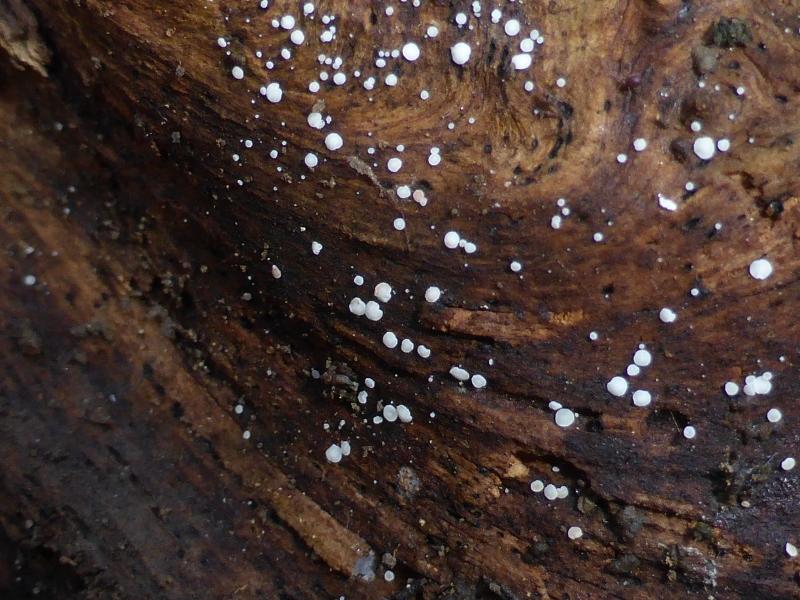
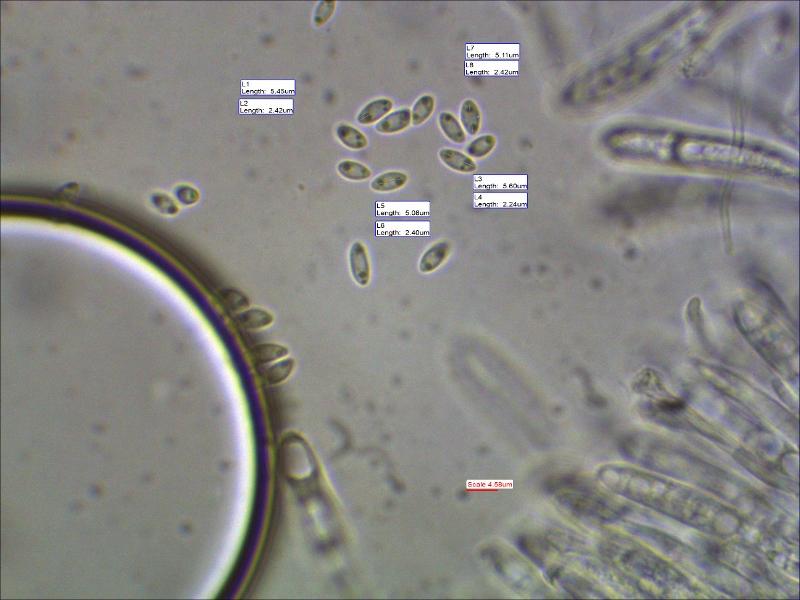
Collected on 29th of December, 2016 – on a decorticated piece of wood (root-lower stem) of Juniperus communis on a steep slope of dry heathland on calcareous soil (Jura). – near Heubach („Scheuelberg") in the mountain area Schwäbische Alb in Baden-Württemberg (Germany)The white, minute apothecia are short-stalked to subsessile and minutely hairy under the lens. The excipulum of textura (angularis)-prismatica gives rise to cylindrical, finely rough hairs with some exudate on them. The asci have croziers and the minute porus reacts in IKI – but I am not really sure about the colour. I would call ist greyish-red, but my wife says it is more blue. The spores are small and have two larger oil drops.
Who can tell me if I am right with Ciliolarina – and perhaps more?
Best regards from Lothar
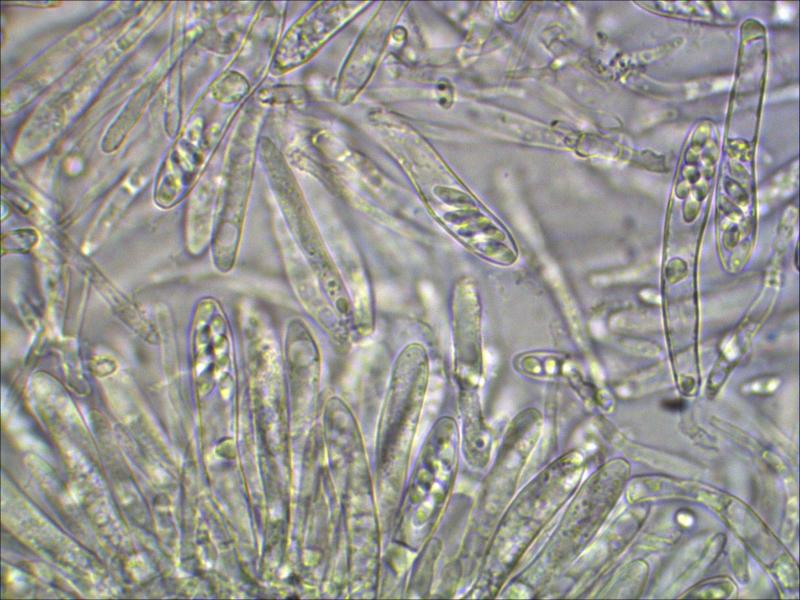
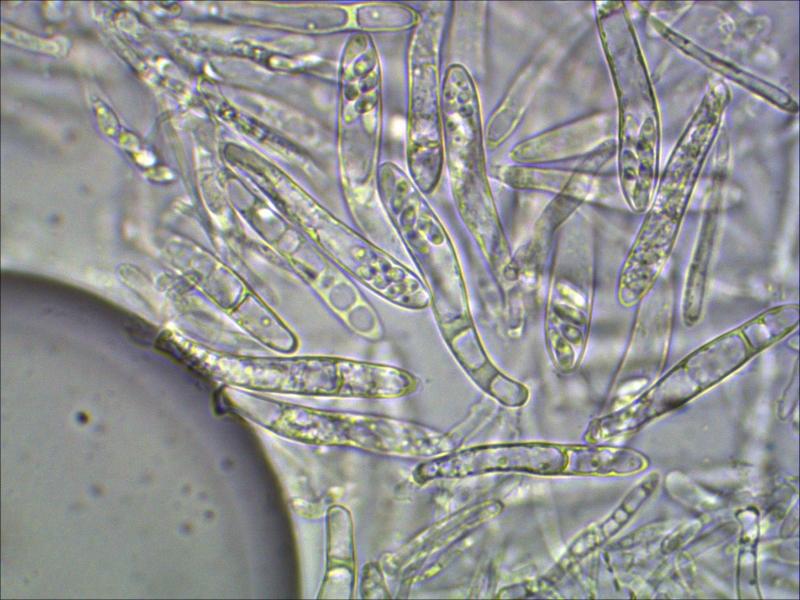
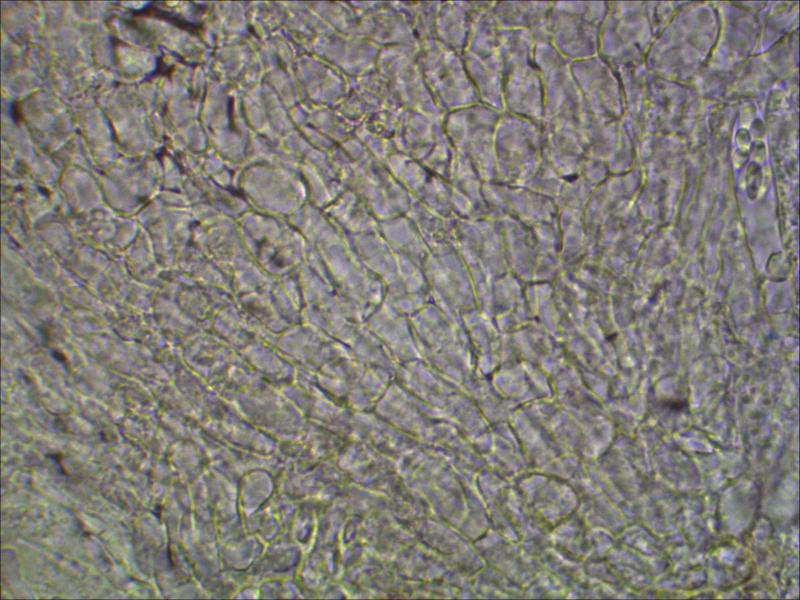
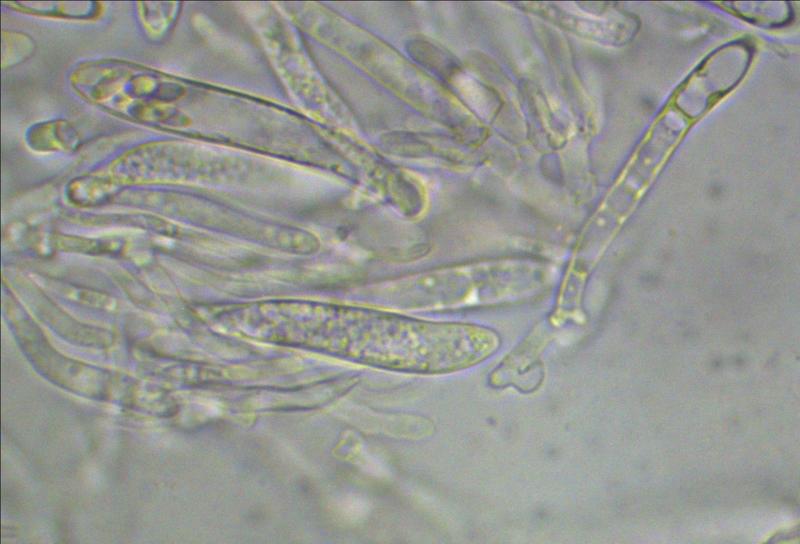
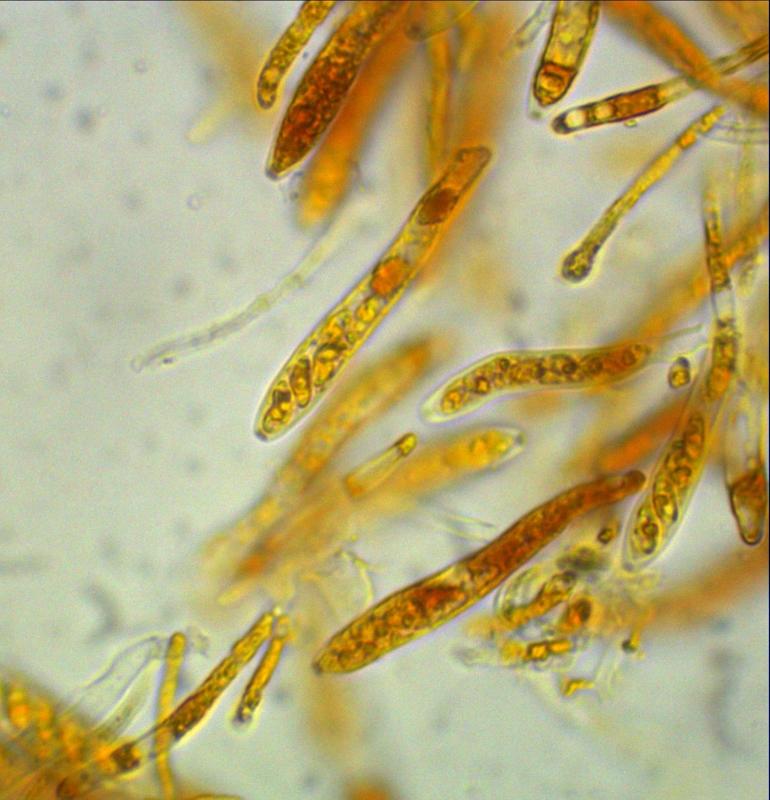
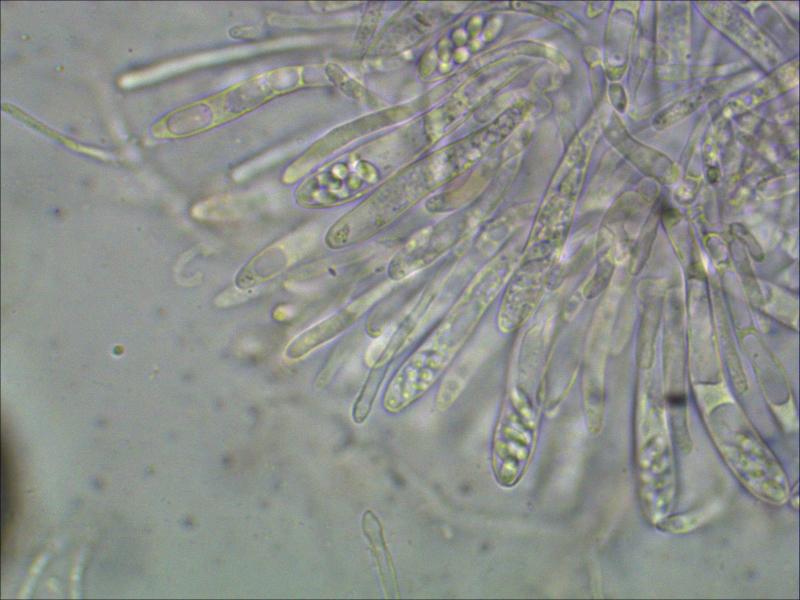
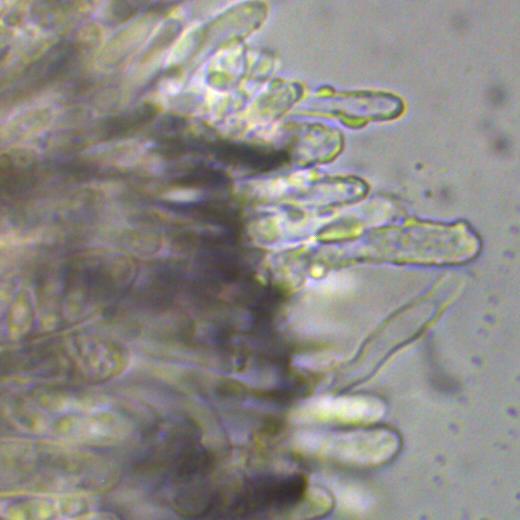

I think Cililarina is the most approprietive genus for your collection too, perhaps in the laetifica/neglecta group, did you observe any VBs in the paraphyses? They can turn Violet for a short while when IKI is added, this feature is observed in neglecta and in ligniseda in a lesser part.
Stip

I think it fits C. laricina quite well (see my folder). You can also try with Cresyl blue for the spore surface (pale lilc). Typical in C. laricina seems to be an rr/rb reaction of the ascus apical ring. Yours is surely dirty red, but maybe Katharina saw other asci with more blue rings under the microscope?
Zotto
Hello Stip,
thanks for your answer!
I did not notice a violet reaction in the paraphyses but I wasn`t aware of this character, I must admit. I think the paraphyses have - quite poorly refractive - vacuolar bodies. I add another foto ...
The specimen is quite small and dry now - but I will take another apothecium for preparation in some days.
Thanks again and best wishes for 2017
Lothar
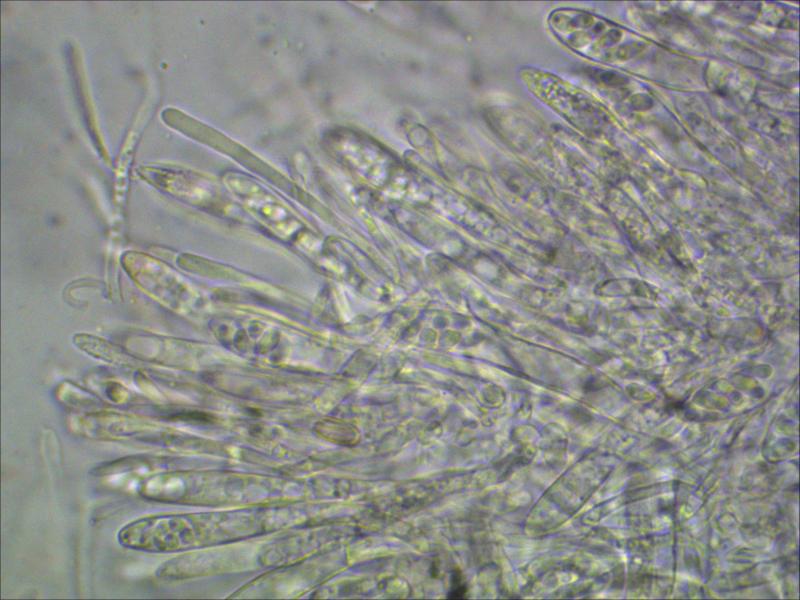
Hi Zotto,
thank you very much - our posts must have crossed :-)
So I will try also with Cresyl Blue - if I still find enough suitable apothecia in the specimen ...
Best regards -
und "einen guten Rutsch in ein gesundes, rundum positives Jahr 2017" (this was German)
Lothar - und Katharina
the sporesize is in my opinion really too small for C. laricina, your collection fits fairly good to the extended Stokland descriptions of laetifica in Raitviir & Huhtinen 2002
Ein guten Rutsch!
Stip
I wasn't aware that Seppo suddently included samples with amyloide asci. But I still see some correlation between amyloid asci and a lower oil content in the spores. This group should be sequenced whether Seppo was right.
I worked a bit on my folders and included Seppo's specimens.
Zotto
Hi Stip,
thank you - then I will change the name to laetifica.
By the way - do you have a digital copy of the paper of Raitviir & Huhtinen 2002?
Happy new year :-) - and best regards from
Lothar
vielen Dank!
LG von Lothar
Stip
thanks for you also, dear Stip :-)
Yours, Lothar