
30-05-2026 21:12
Philippe PELLICIERSur branche de mélèze (Larix) près de la neige,
31-05-2026 10:35
Hulda Caroline HolteHello,I collected this species growing on a rather
25-05-2026 16:35
 Bernard CLESSE
Bonjour à toutes et tous,J'ai trouvé récemment,
29-05-2026 15:35
daniel FERREBonjour à tous,Je voudrais votre aide pour cette
28-05-2026 16:15
James MitchellHello,Does anyone have the original publication of
28-05-2026 11:06
Thomas Læssøehttps://svampe.databasen.org/observations/10596750
23-05-2026 11:44
 Charles Grapinet
Hello, I am having trouble identifying this copro
25-05-2026 16:44
François BartholomeeusenHi forum members,During an excursion organised by
26-05-2026 21:25
Dirk GerstnerHello everyone, I'm completely stumped by this li
26-05-2026 22:44
Ethan CrensonHi all, I think I have Incrucipulum capitatum her

Hola a todos.
Subo unas fotos de un asco que encontramos el sábado sobre Sphagnum en una turbera a unos 1300 metros de altitud.
Miden hasta 15 mm de diámetro y tienen forma de embudo.
Esporas elipsoidales a fusiformes, de 14,5-17,3 x 7,3-8,3 micras, con muchas pequeñas gútulas en su interior y con tendencia a situarse hacia los polos, con verrugas muy finas.
Ascas amiloides, pleurorrincas.
Paráfisis curvadas y con contenido interno de color rojizo.
Excípulo ectal formado por células globosas donde se forman estructuras con forma de pelo.
Pensé en alguna especie de Pachyella, ¿Pueden ayudarme?
Gracias
Rubén
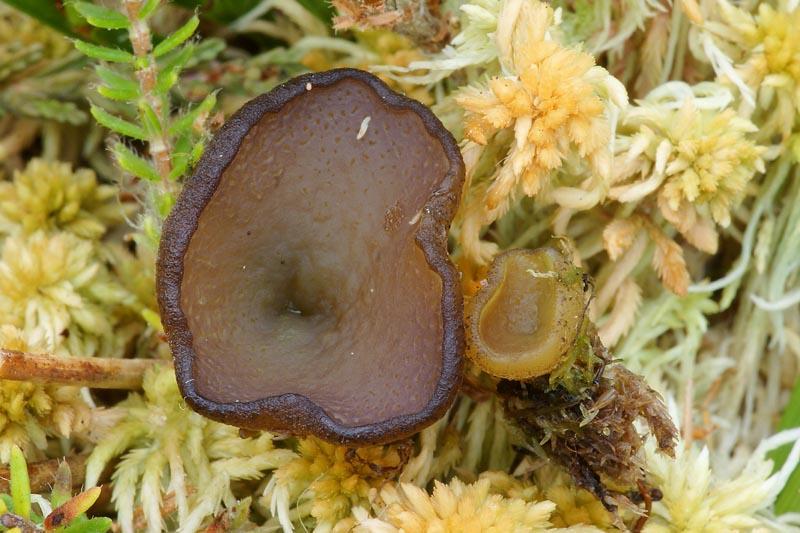
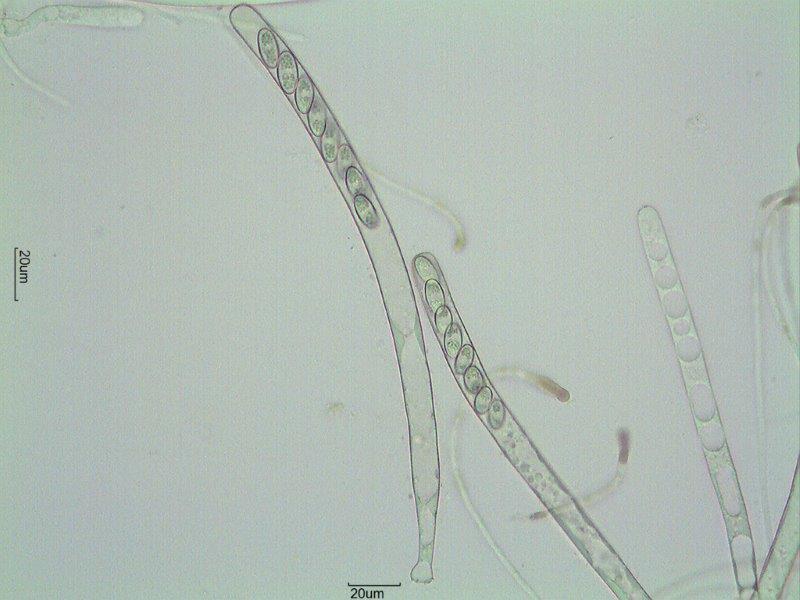
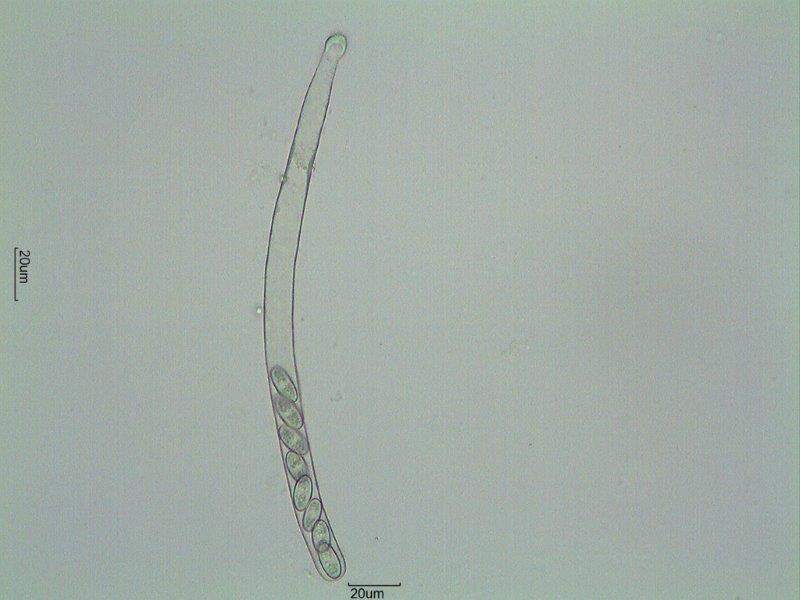
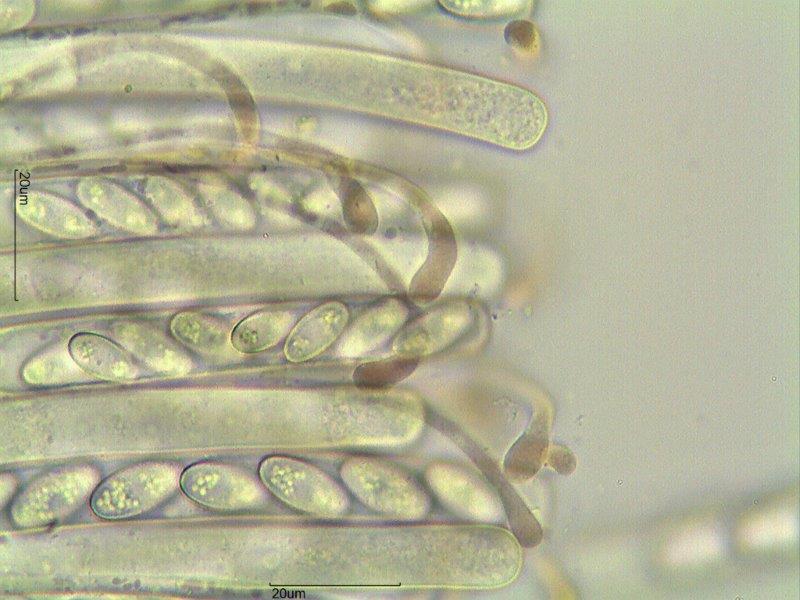
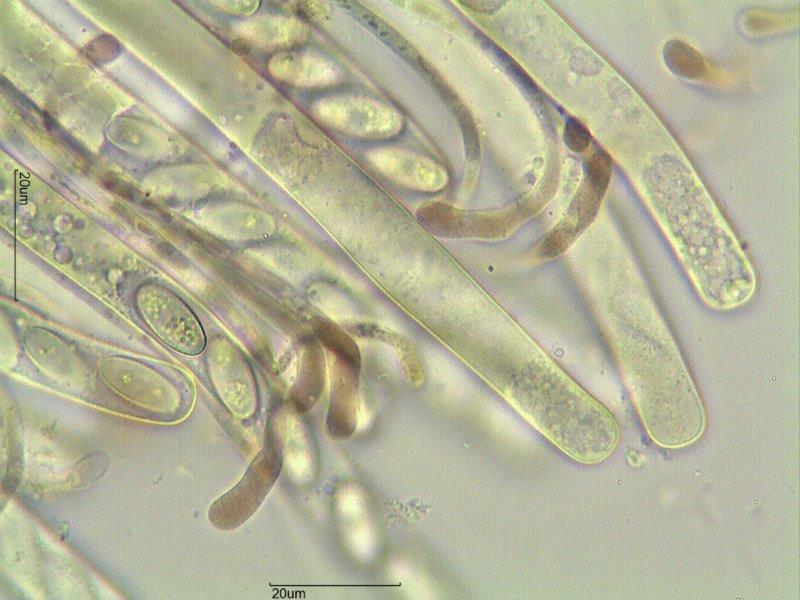
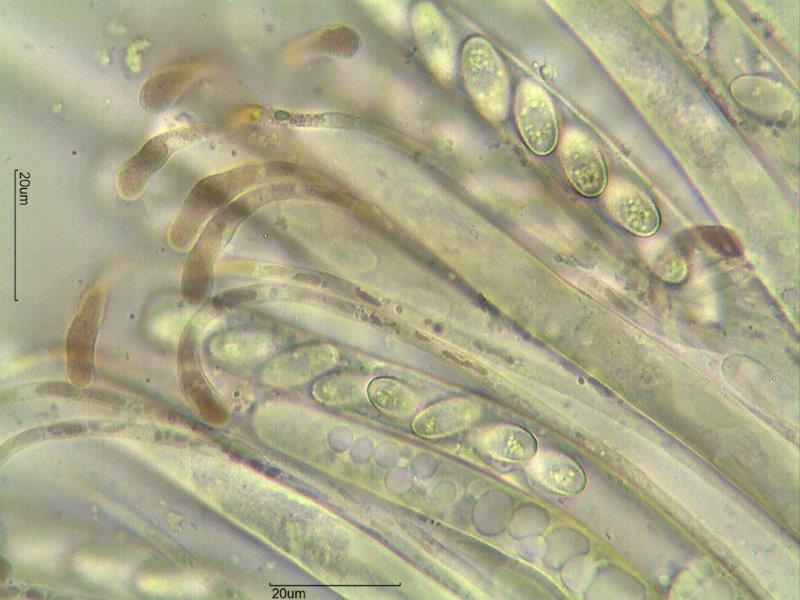
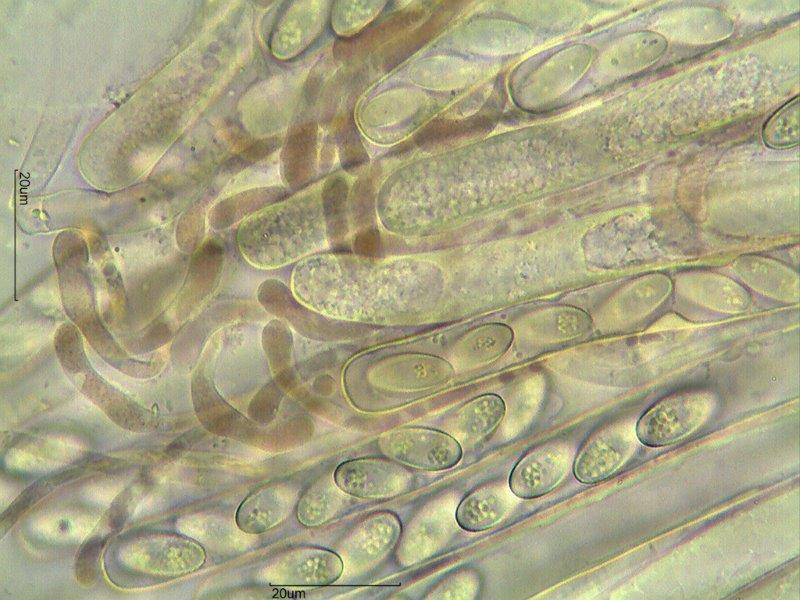
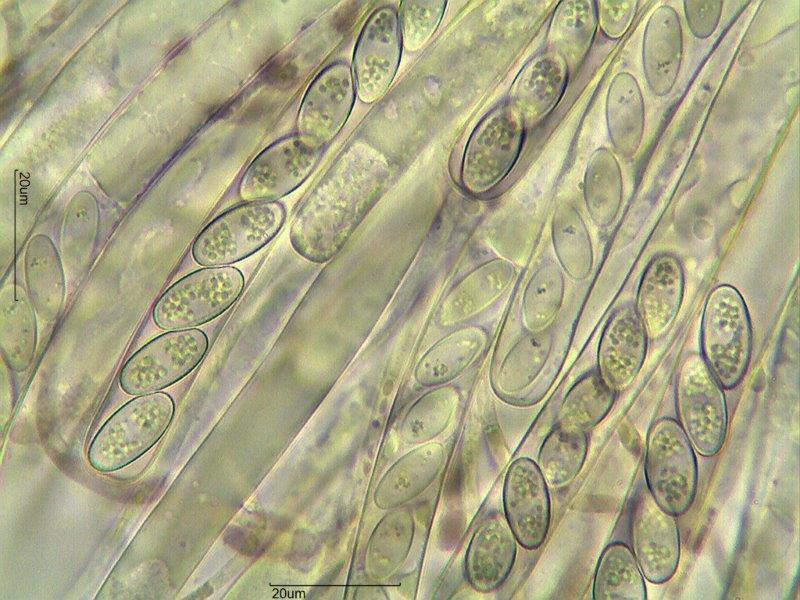
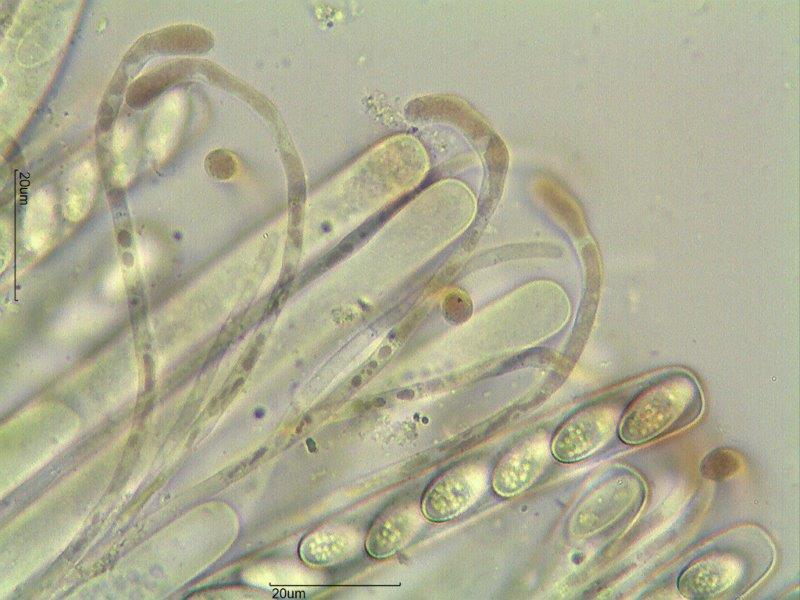
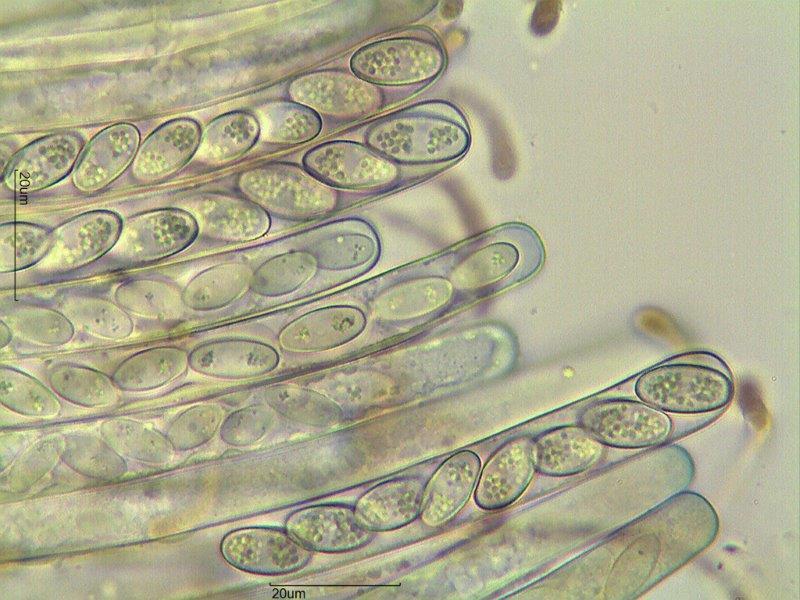
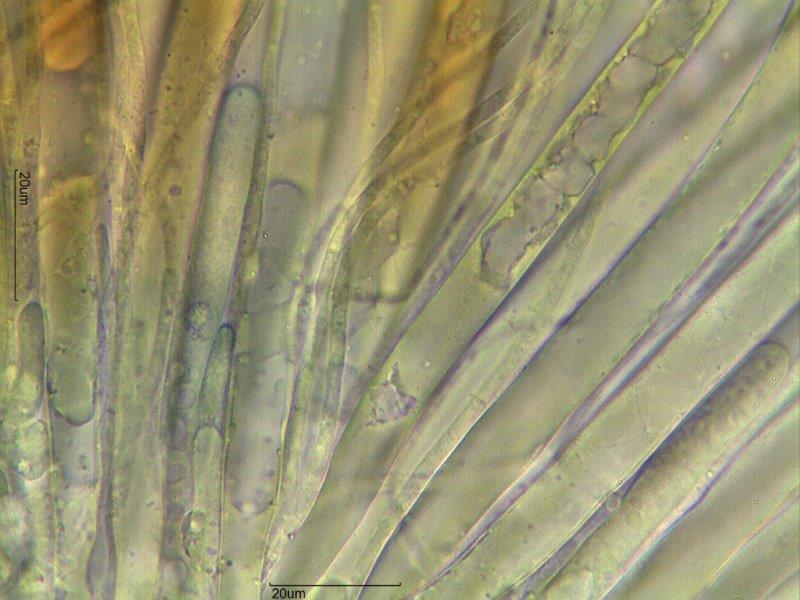
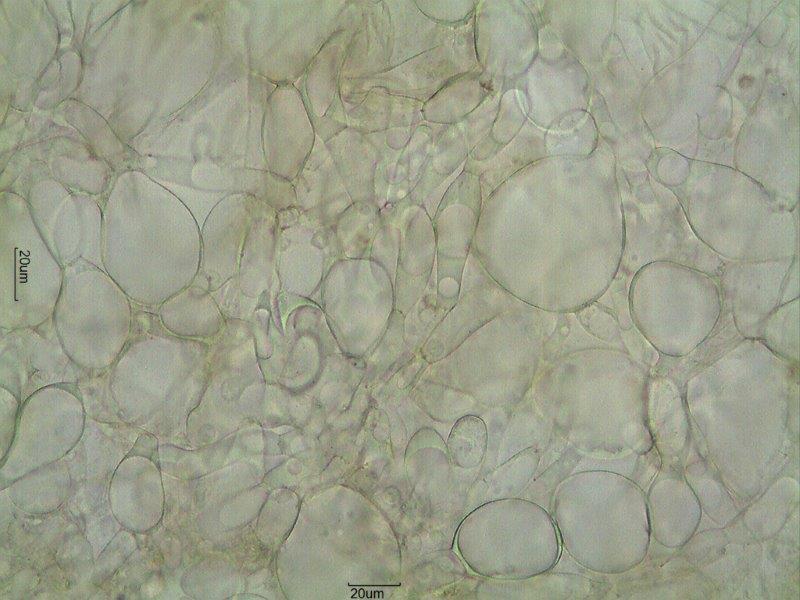
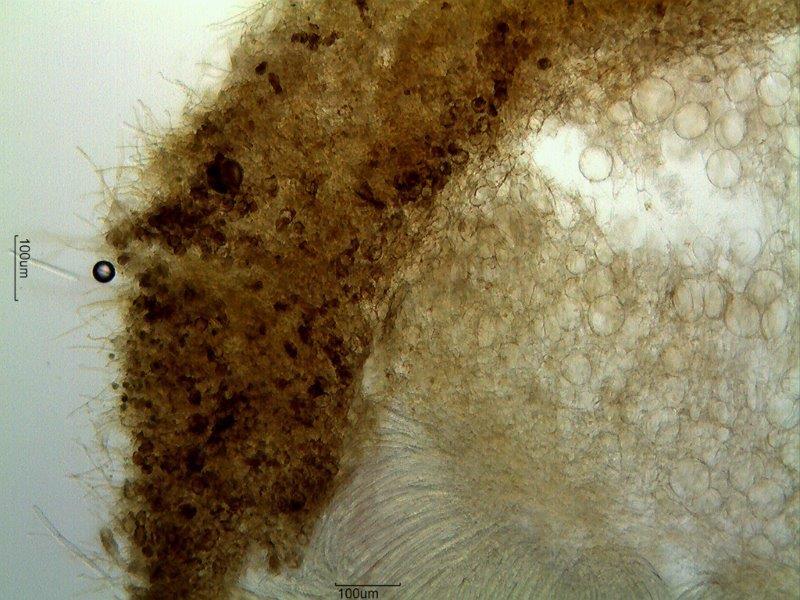
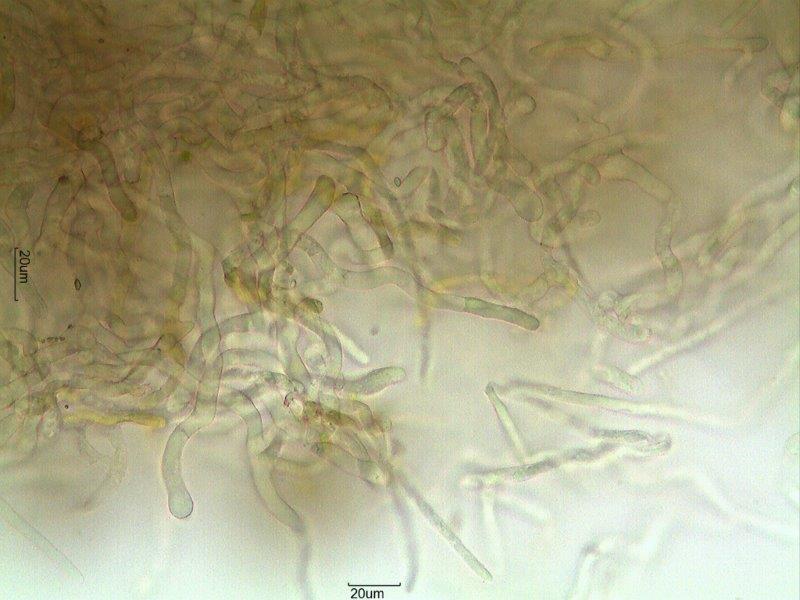
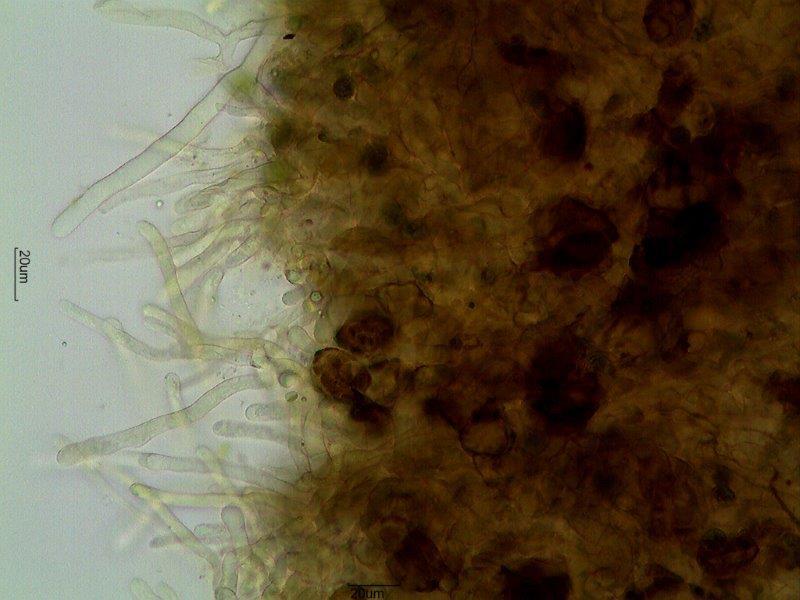
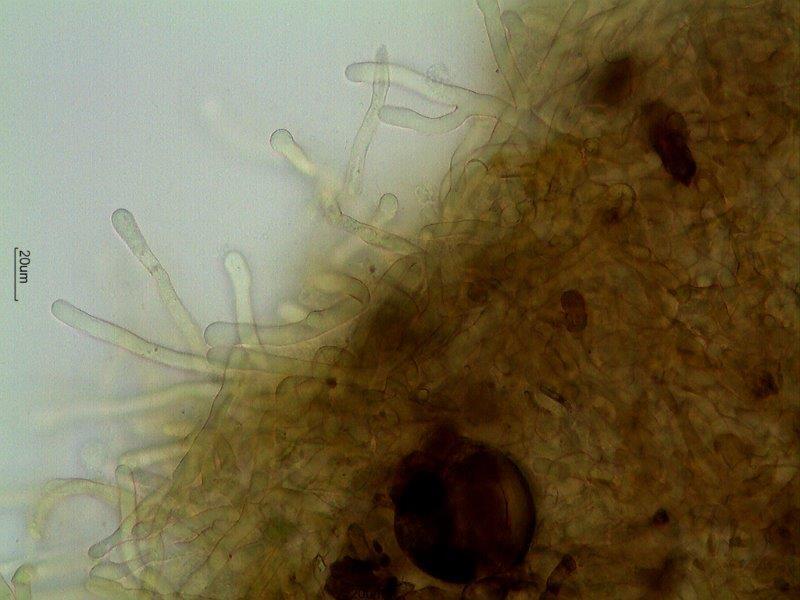
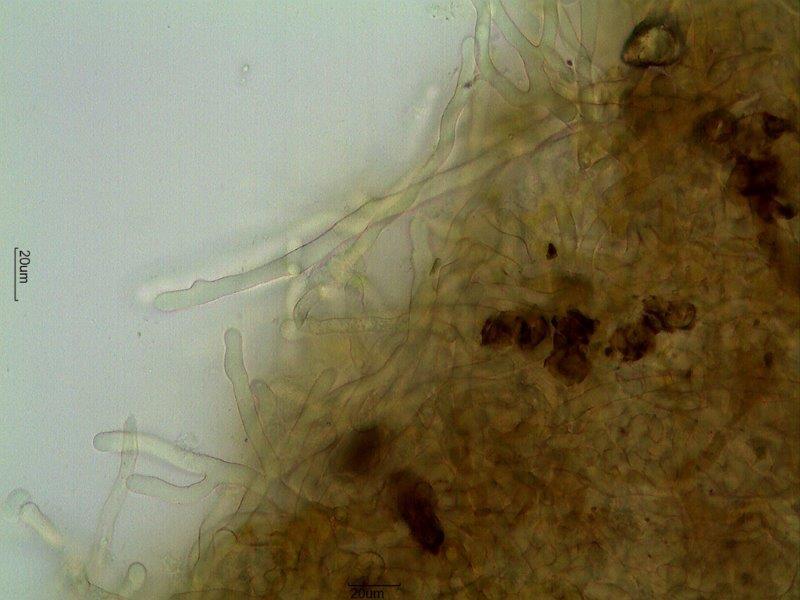
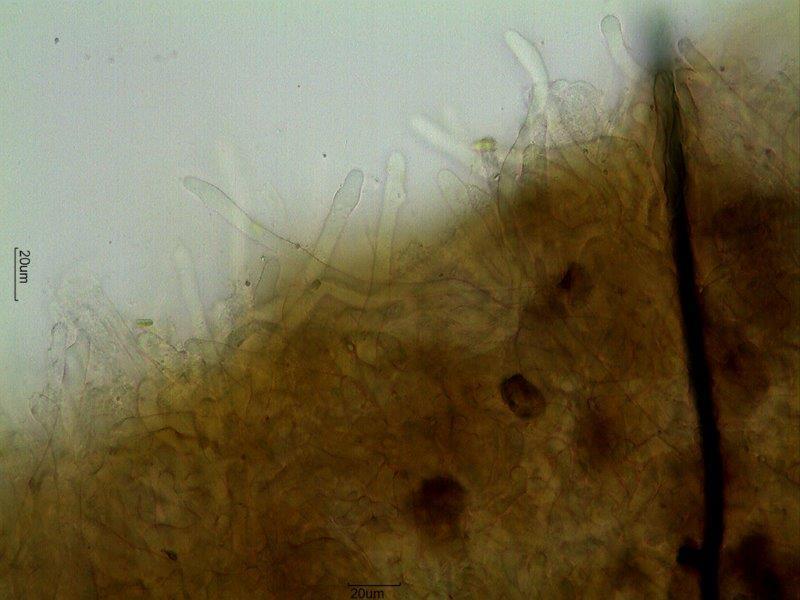
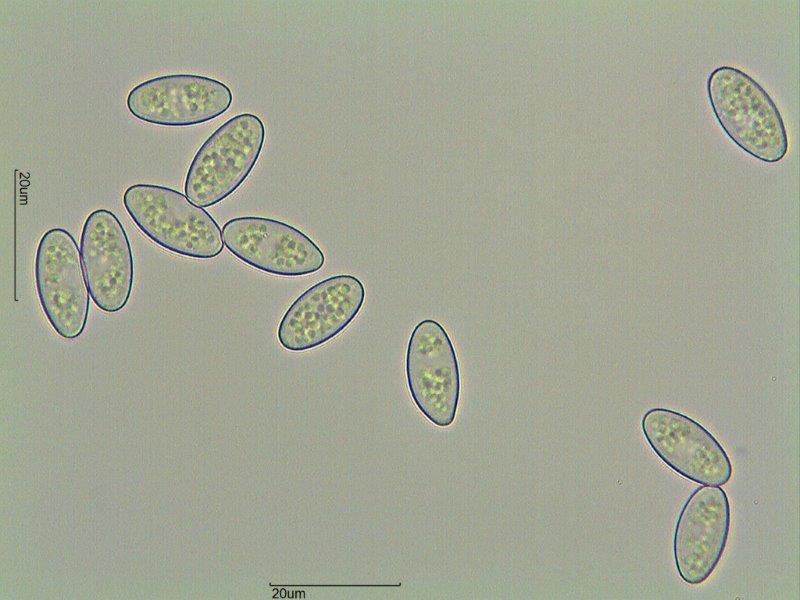
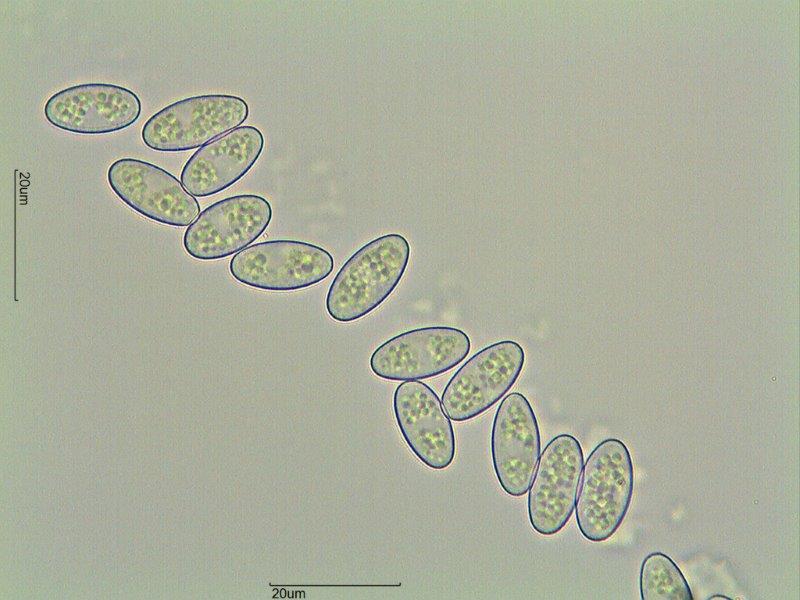
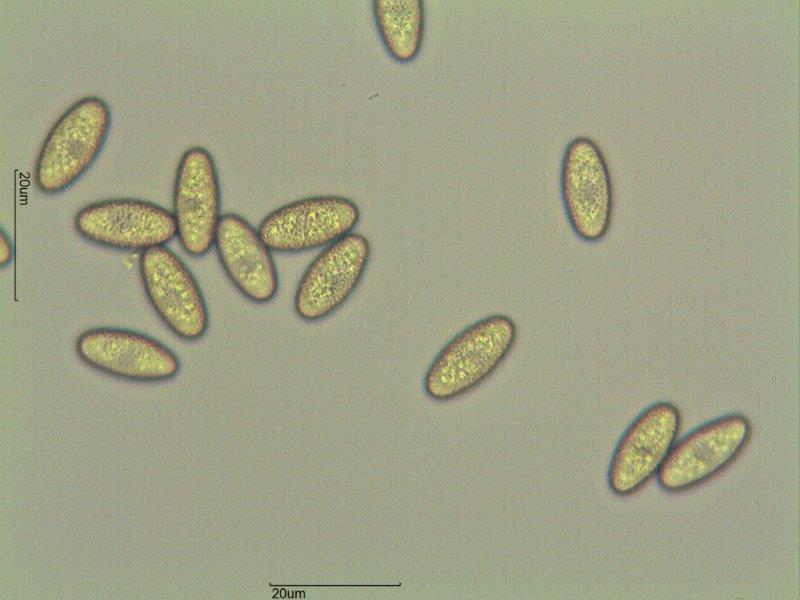
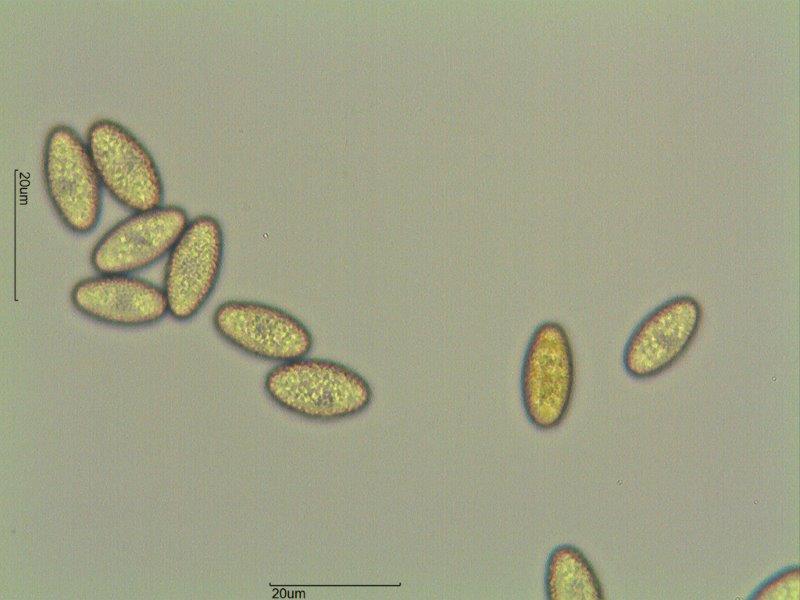

The ecology and ascospores characters (size, shape and guttulation) are very similar to Lepidotia hispida (syn. Peziza quelepidotia). But this species is theoretically stipitate and I did not note such a hyphal structure on the outer part of the excipulum when I studied this fungus (see my paper in Ascomycete.org, vol. 7, fasc. 6). The pigment in the paraphyses is not brown as here. At last, asci of L. hispida do not have crozier.
So other no idea!