
12-06-2026 14:50
 François Freléchoux
Bonjour, Voici la brève description d'une Mollis
10-06-2026 21:16
François Freléchoux
Bonsoir,Le dernier du jour, en attendant votre avi
11-06-2026 19:01
 William Slosse
Hello all,In an attempt to make a culture of a sus
11-06-2026 19:03
 Nicolas VAN VOOREN
Chers membres d'Ascofrance,Le site sera placé en

09-06-2026 18:32
Camille MertensSur morceau de roseau immergé 0,5 - 0,7 mm de dia
10-06-2026 12:54
Steve ClementsBonjour encore, Pouvez-vous m'aider, s'il vous pl
10-06-2026 21:07
François Freléchoux
Toutes les tiges de gentianes jaunes de l'an passÃ
10-06-2026 13:41
François Freléchoux
Bonjour à nouveau, Voici une trouvaille d'hier.

Hi to all
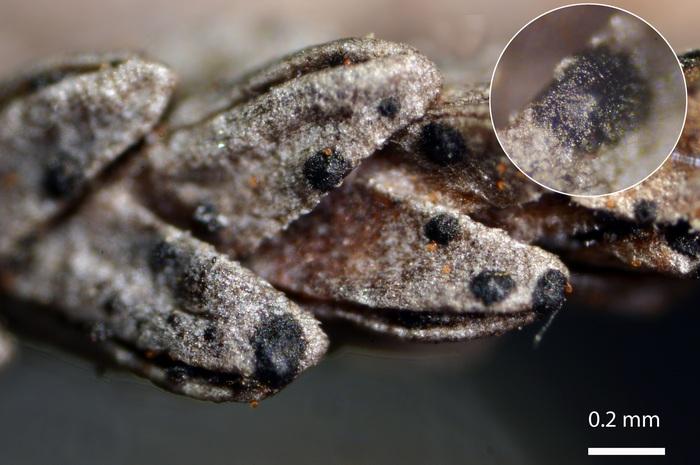
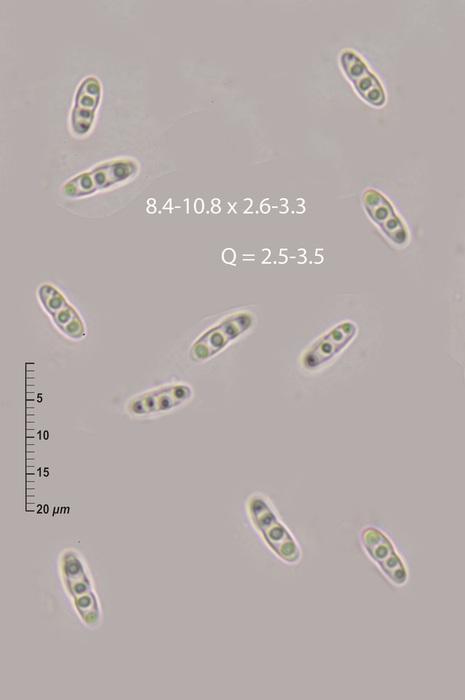
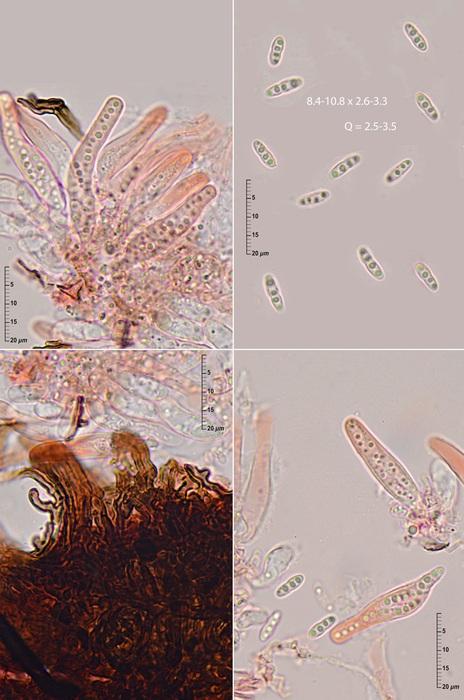
Because I couldn't to obtain original description of Stomiopeltis callunae, in B. Erikss., Svensk bot. Tidskr. 68(2): 225 (1974).
Could this fungus be it?
Thanks again

un saludo
Chris
 Stomiopeltis-callunae-0001.pdf
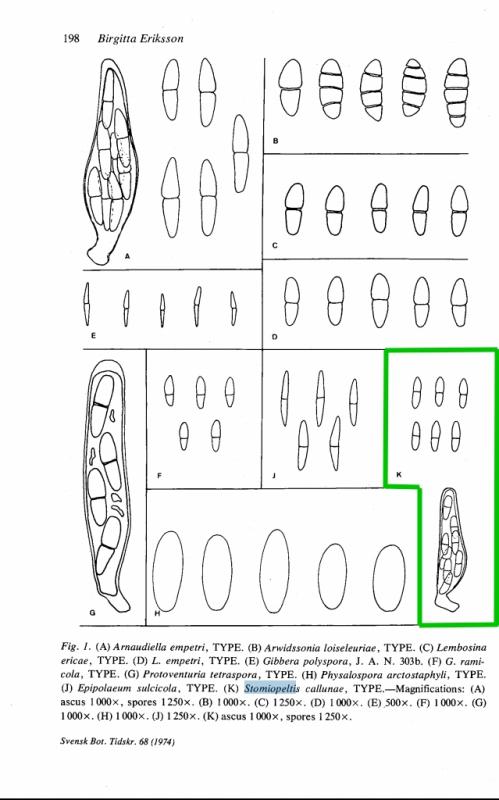
Interestingly - to my eyes - the illustration shows a small but definite constriction on most of the spores; I think your fungus could well be S. callunae. Macroscopically, it also resembles this collection: http://www.kotihiiri.com/polku/kuvat/Stomiopeltis_callunae.jpg, particularly the way in which the ascocarps are somewhat polygonal rather than circular (algo poligonal en lugar de circular) . . . .
un saludo
Chris
Hi Chris
You're right. Some spores seem to be constricted at this picture! But I would have liked to know how the guttulation in living ascospores was.
Thanks a lot for help me