08-06-2026 10:16
 Spooren Marco
I don`t have a clou about this fungus,it is not in
08-06-2026 17:00
François BartholomeeusenGood day everyone, On June 5 2026, I collected de
07-06-2026 15:10
 William Slosse
Hello everyone,On 05-06-26, I found following asco
05-06-2026 11:02
Thomas Læssøehttps://svampe.databasen.org/observations/10596691
07-06-2026 12:09
 François Freléchoux
Bonjour, Voici une brève description de ce qui m
07-06-2026 12:43
Steve ClementsBojour. This was a strange find on a stick on my
12-07-2015 00:05
 Nedim Jukic
This one from the same locality as the previous on
06-06-2026 17:44
Steve ClementsBonjour, This disco was on planed wood 3 x 1.5 cm
14-08-2016 23:15
 Alex Akulov
Dear friendsCan you help me to find the descriptio
 Hi to everybody
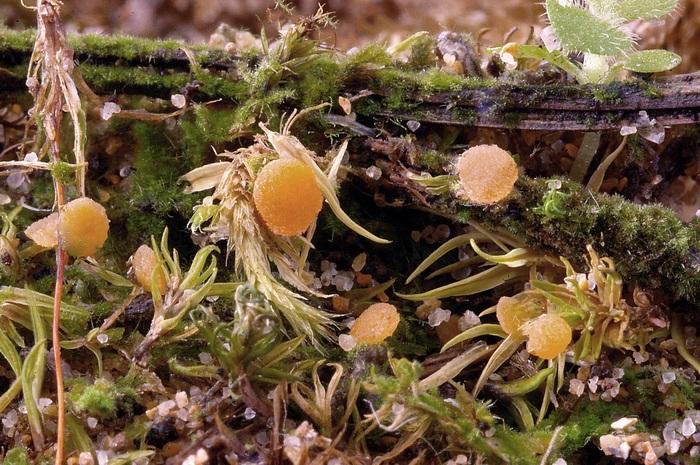
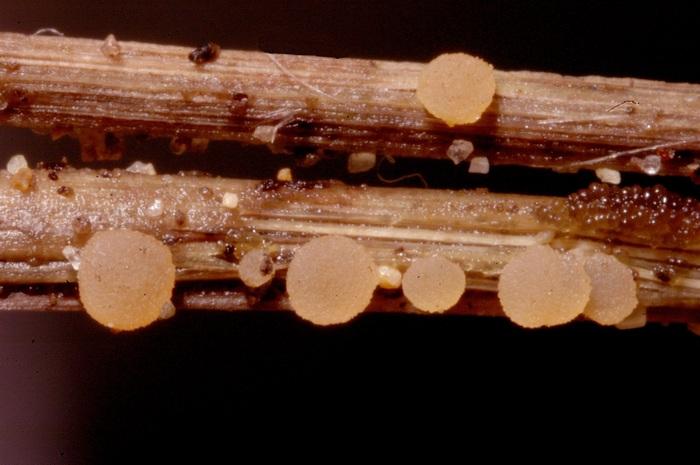
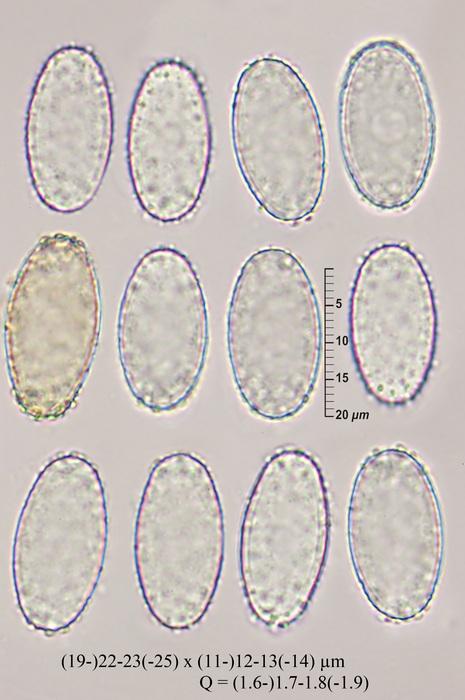
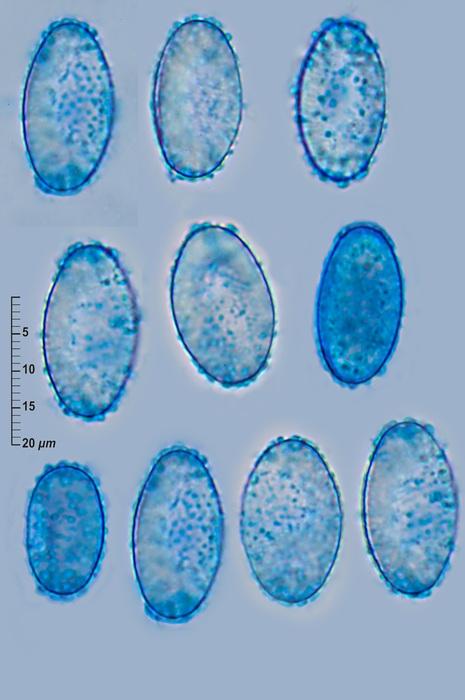
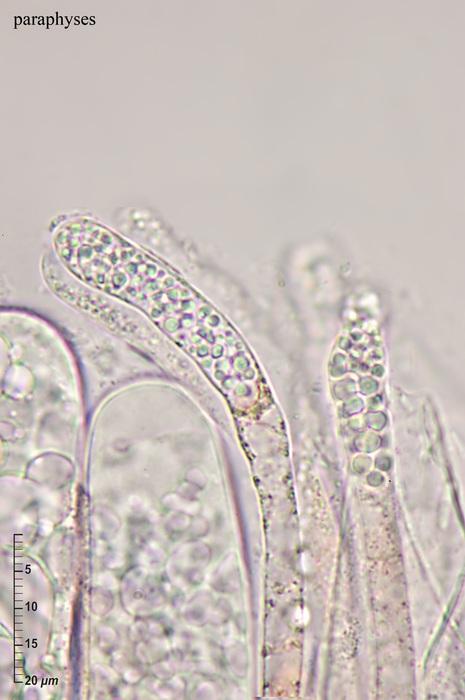
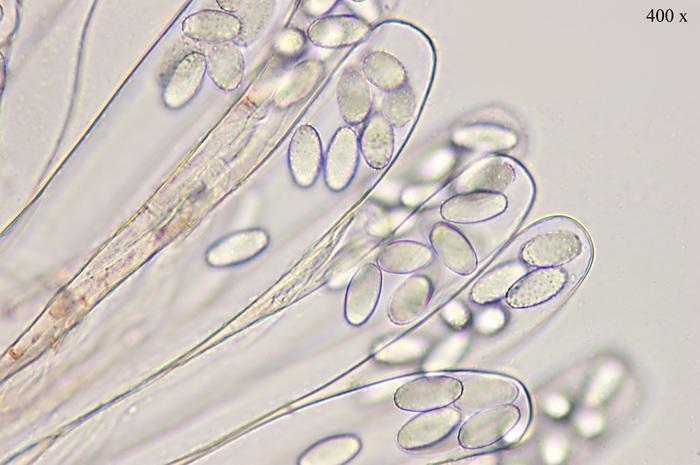
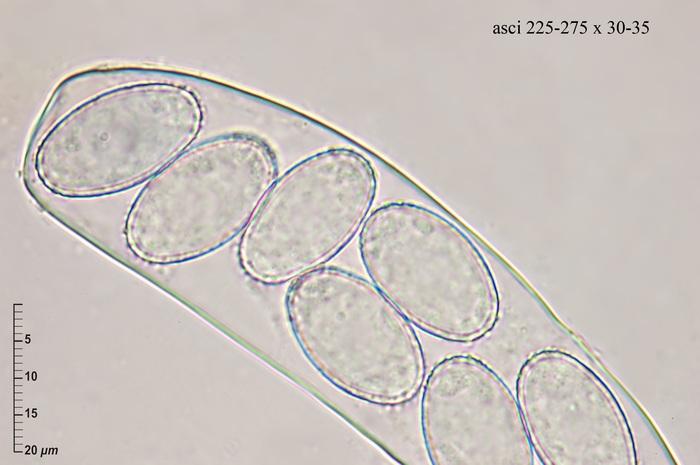
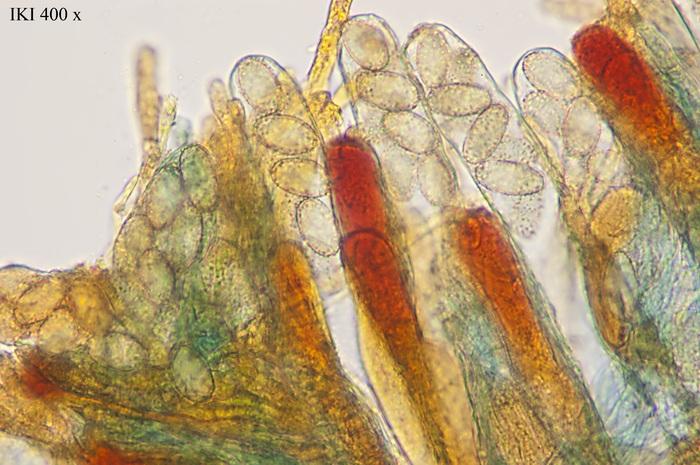
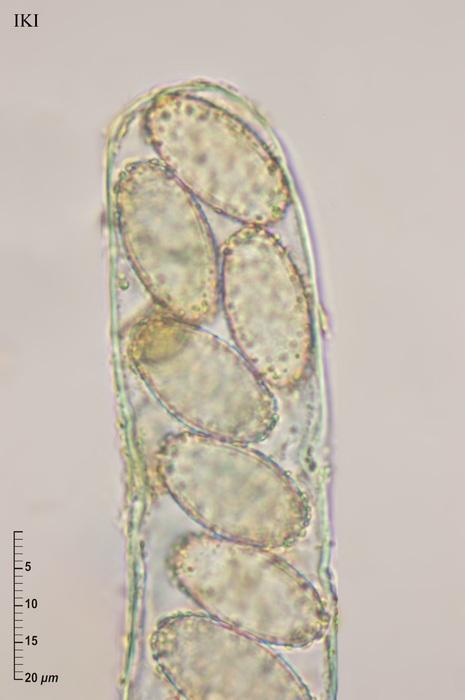
Several times we have found this Iodophanus species (pulvinate ascomata up to 1 mm) on wet dead stems of gramineae (Ammophila, Elymus), Calystegia soldanella or Tortella flavovirens on calcareous sand dunes at the north of Spain. At the field we thought this was the common Iodophanus carneus but the ascospore morphology, the spore size and the much larger callose-pectic markings at the poles (up to 1 µm) were very different of those of I. carneus.
Iodophanus granulipolaris Kimbrough has a similar ornamentation buy it is a coprophilous species with larger ascospores 24-26 x 15-16 and longer spore markings too.
Have you some idea for this fungus?
My pics have a low quality because the ascomata have not a natural more yellowish colour. Really they are pinkish or salmon-orange, with the typical colors of most Iodophanus.
Thanks again