10-04-2026 15:51
 William Slosse
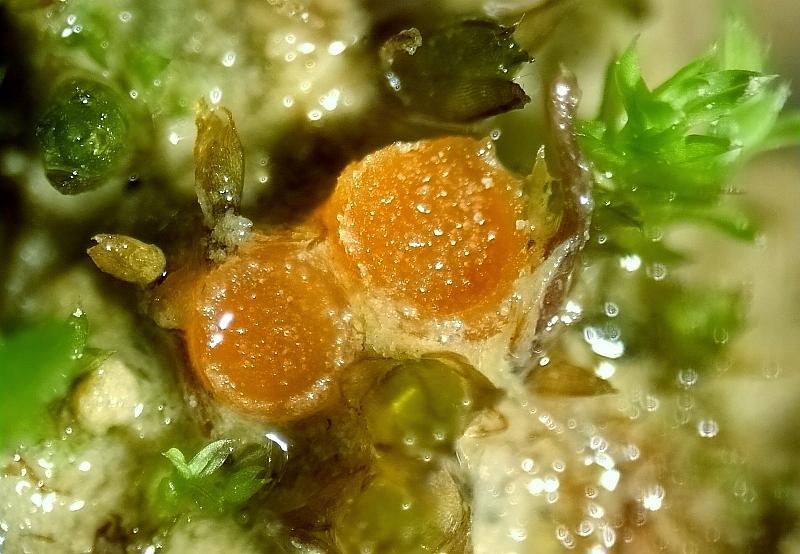
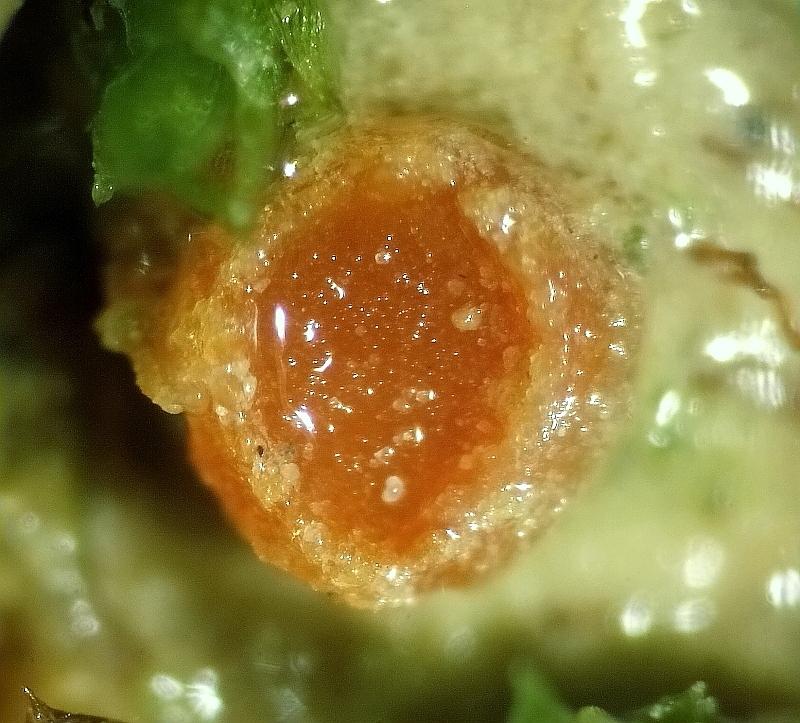
Hello everyone, On 08/04/26, I found a growth sit
09-04-2026 15:25
Jac GelderblomOn bare soil between mosses Ifound an asco I deter
09-04-2026 13:55
Thomas Læssøehttps://svampe.databasen.org/observations/10589176
09-04-2026 10:12
Thomas Læssøehttps://svampe.databasen.org/observations/10587061
08-04-2026 20:33
 Vasileios Kaounas
Found 07-04-26, in Abies cephalonica. Diameter 1,
08-04-2026 10:39
FRANCIS FOUCHIERBonjour , je recherche en pdf cet article: KORF R

06-04-2026 21:36
 Viktorie Halasu
Hello, could anyone please send me the article wi

Hola a todos.
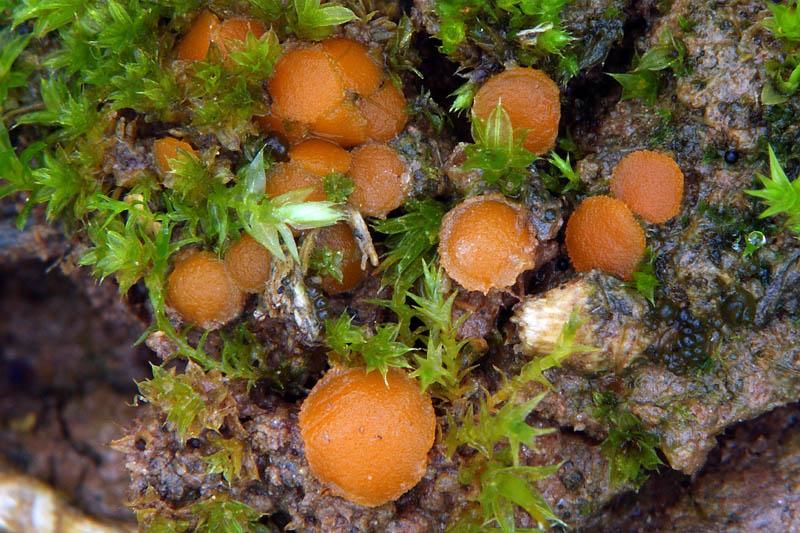
Subo fotos de una Octospora encontrada ayer, entre musgos, en una finca de cultivo de olivos.
Miden hasta 3 mm de diámetro.
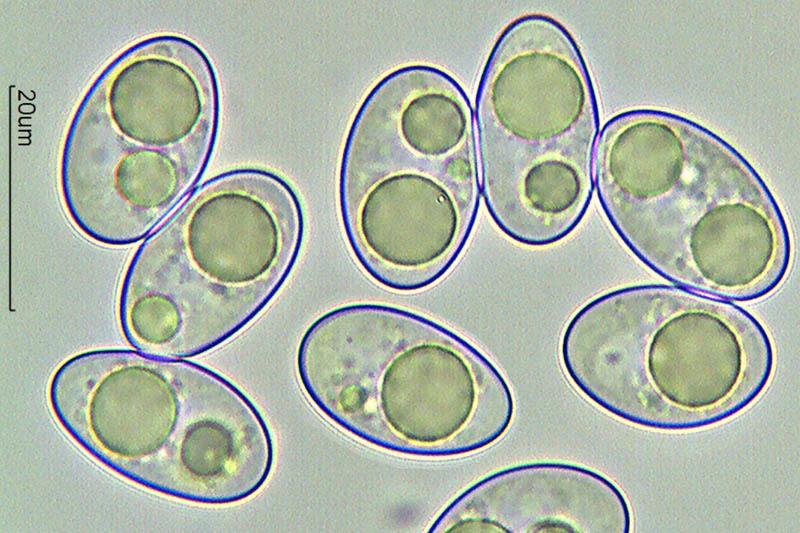
Esporas de 17,5-22 x 11,5-13,5 micras.
¿Qué os parece?
Gracias por su ayuda.
Rubén
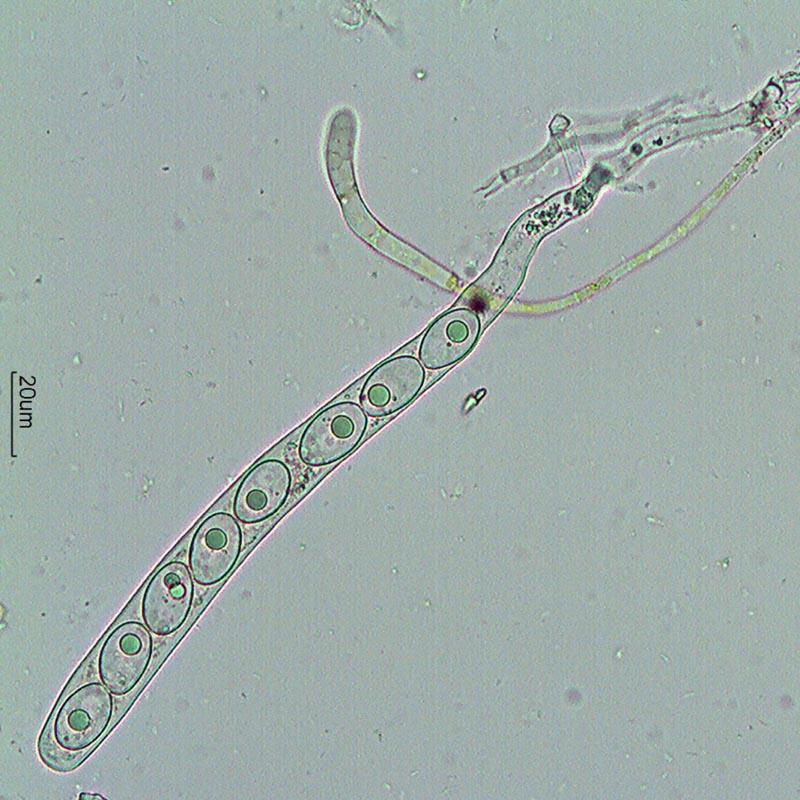
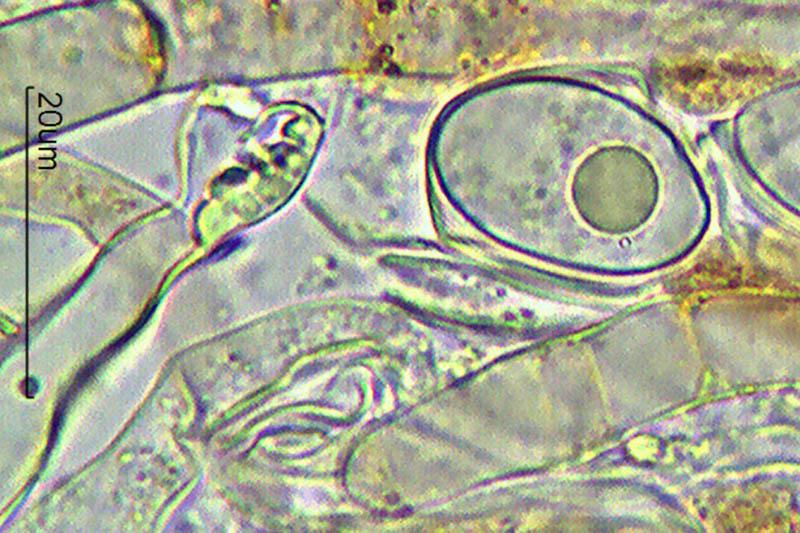
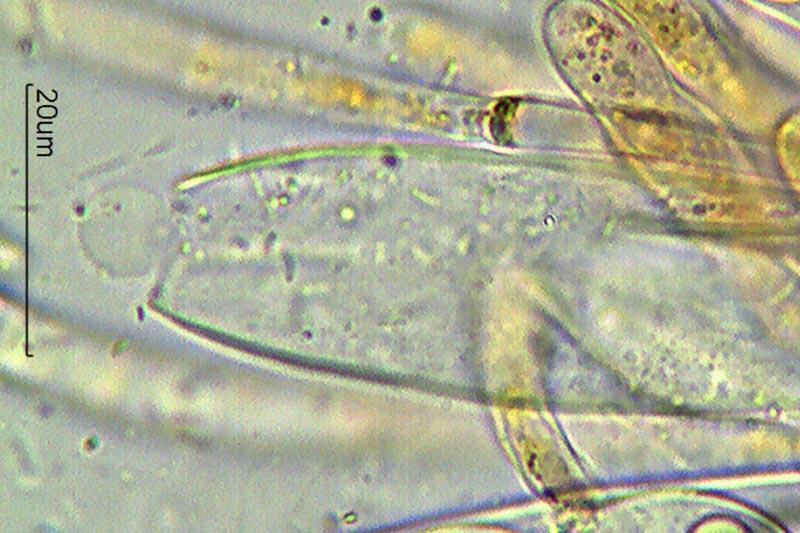
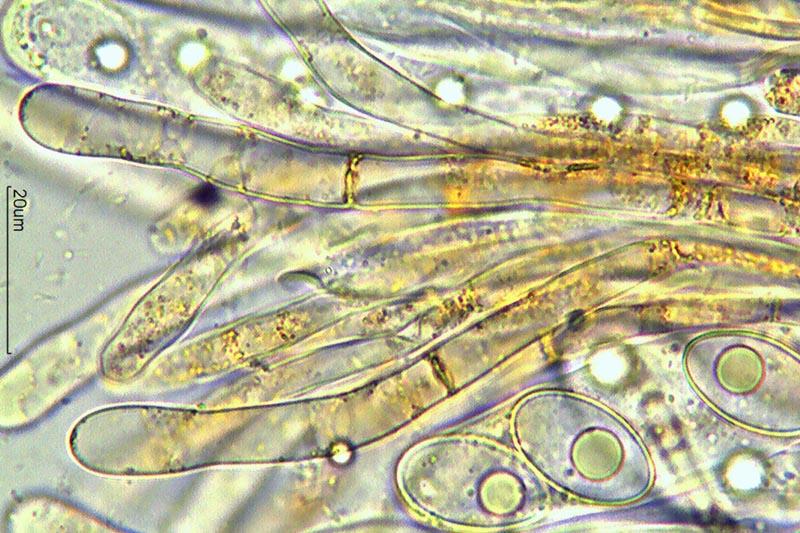
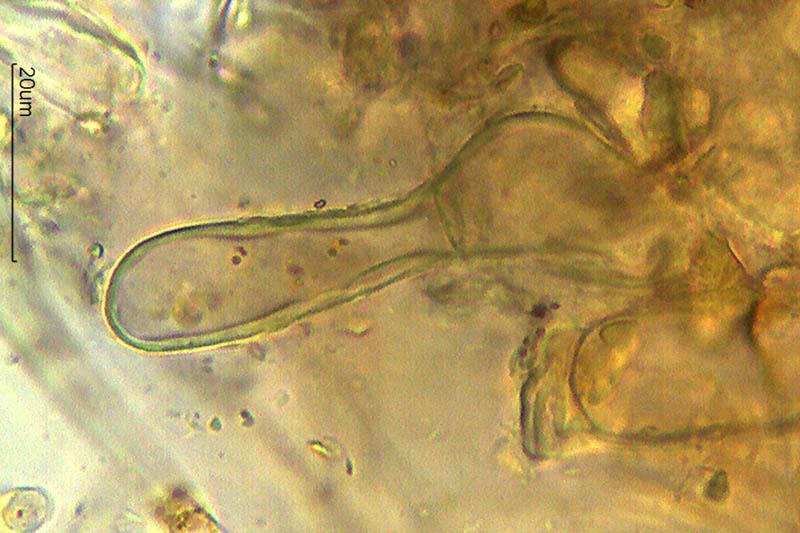
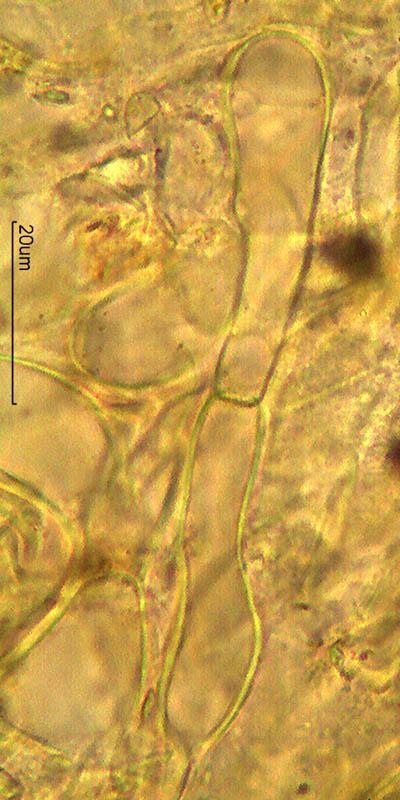
Hola a todos.
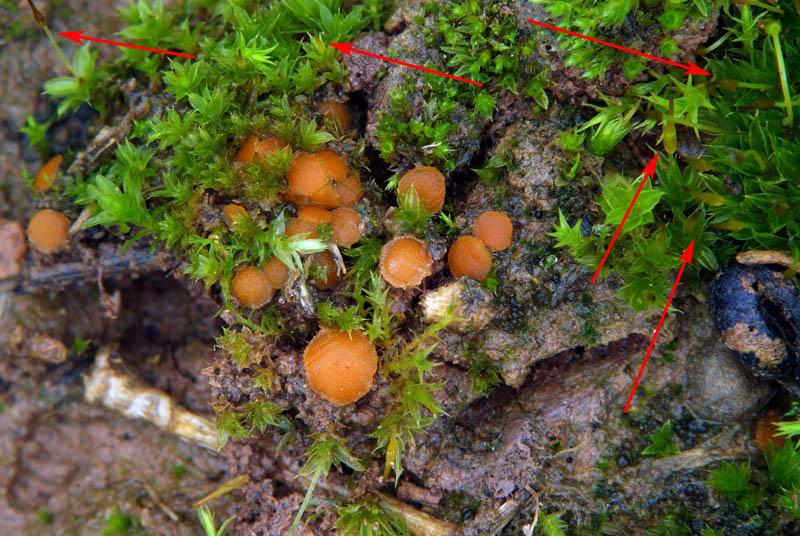
Subo una foto más lejana para que se vean un poco mejor los musgos donde estaban.
¿Podrían ser los musgos Grimmia pulvinata?
Estaba pensando en que la Octospora fuera O. grimmiae.
Gracias por su ayuda.
Rubén
no es O. grimmiae y no es Grimmia pulvinata.
Puede ser O. gyalectoides pero no soy seguro, tu otra Octospora es O. gemmicola.
Saludos,
Marcel
in my opinion, you found Octospora gyalectoides (=crosslandii). The spores are typical for that species. The apothecia margin is variable in O. gyalectoides and Benkert (2007) pointed out, that O. gyalectoides probably represents a complex of several species without sufficient morphological differentiation for recognition.
Your arrows show a Pottia, but Didymodon and Pseudocrossidium are also present on your photo. However Pottia is the most common host for O. gyalectoides.
with best wishes
Jan
Muchas gracias por su ayuda, Marcel y Jan.
Un saludo
Rubén

here once more two pictures of O. gyalectoides.
Greetings
Peter.