

30-05-2026 21:12
Philippe PELLICIERSur branche de mélèze (Larix) près de la neige,
31-05-2026 10:35
Hulda Caroline HolteHello,I collected this species growing on a rather
25-05-2026 16:35
 Bernard CLESSE
Bonjour à toutes et tous,J'ai trouvé récemment,
29-05-2026 15:35
daniel FERREBonjour à tous,Je voudrais votre aide pour cette
28-05-2026 16:15
James MitchellHello,Does anyone have the original publication of
28-05-2026 11:06
Thomas Læssøehttps://svampe.databasen.org/observations/10596750
23-05-2026 11:44
 Charles Grapinet
Hello, I am having trouble identifying this copro
25-05-2026 16:44
François BartholomeeusenHi forum members,During an excursion organised by
26-05-2026 21:25
Dirk GerstnerHello everyone, I'm completely stumped by this li

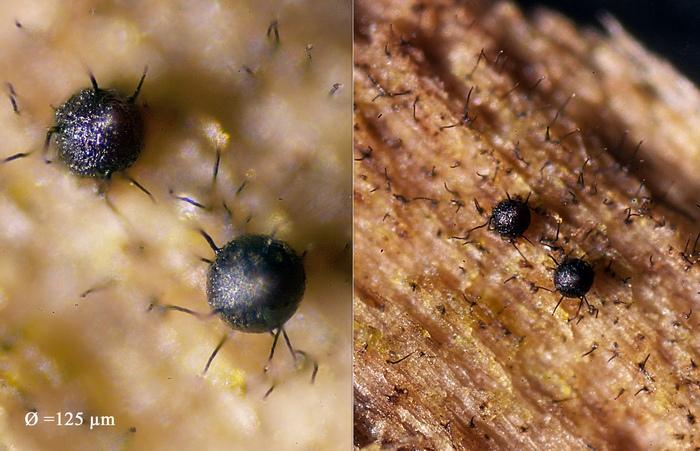
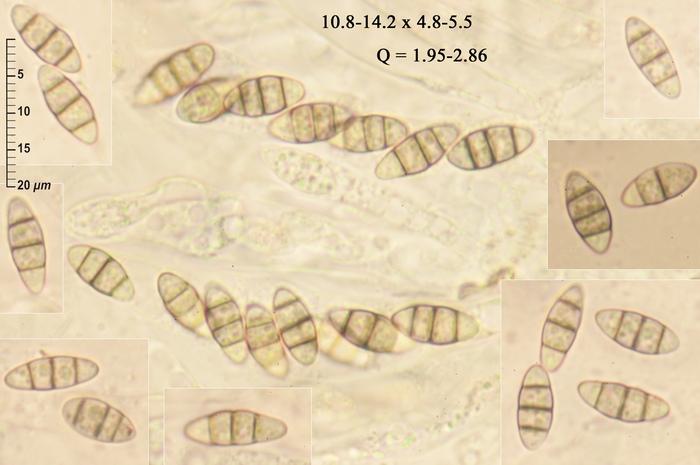
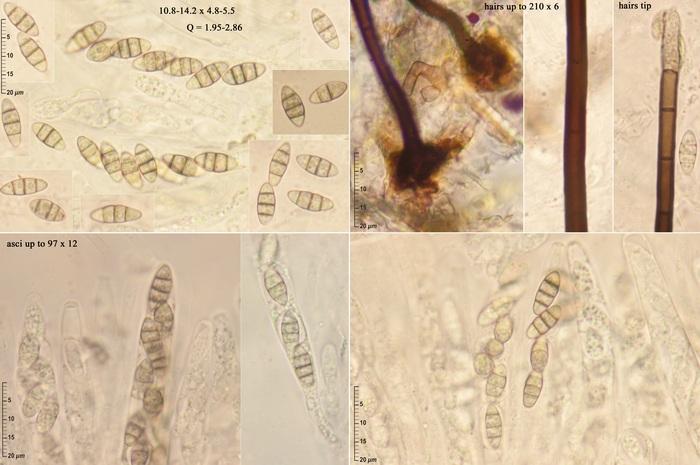
These very small (up 70 125 microns), superficial, blackish, roundish and pilose ascomata grew on decorticated wood of Quercus ilex. Could be Capronia pilosella/Herpotrichiella moravica with so long hairs up to 210 mic. long? Are these names synonims?
Thanks again
Hopefully this helps,
Regards, Eduard

hairs/setae are not Capronia-like, but typical for Chaetosphaeria species. Are they realy belong to the fruitbodies or are they just surrounding them? I had C. pilosella many times, always with very small spores and distinct black acute setae of ~60-80µm length.
regards,
björn
Hi Björn
Yes. the hairs undoubtedly belong to the ascomata. And yes, my older collections of Capronia pilosella have blackish, short acute setae as you say.
Thanks again