
24-03-2026 19:59
 William Slosse
Hello everyone,On 23/03/26, I found the following
21-03-2026 15:13
Lepista ZacariasHello everyone, Does any one know of any literatu
24-03-2026 21:37
Elisabeth StöckliBonsoir,Sur bois (tronc) très pourri de conifère
24-03-2026 21:07
Ethan CrensonHello all, A friend collected this asco in a wood
23-03-2026 20:16
 Miguel Ángel Ribes
Good eveningI'm unable to identify this Coprotus o
24-03-2026 15:44
Åge OterhalsI hope someone can confirm the name of this collec

20-10-2017 09:23
Garcia SusanaEste otro crecía en el mismo trocito de madera qu
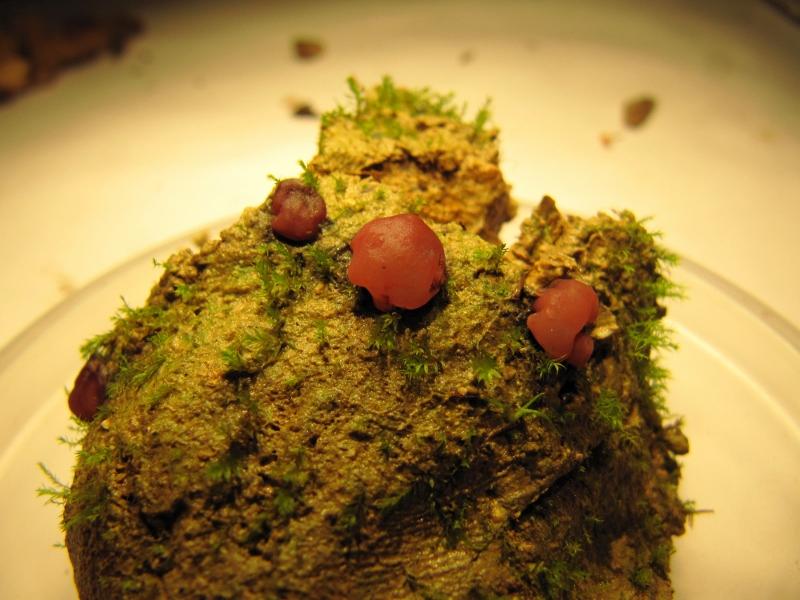
Neobulgaria on mud?
Malcolm Greaves,
12-11-2013 16:56
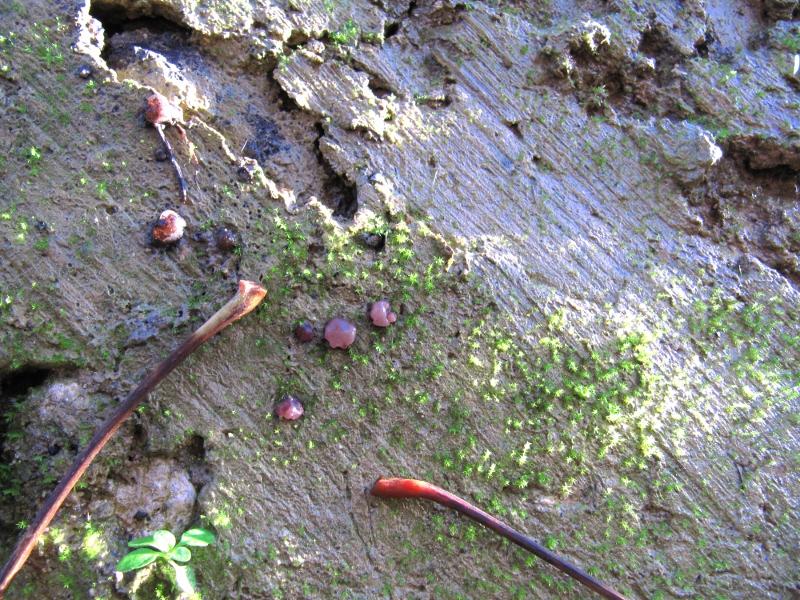
 This group of Neobulgaria look alikes were growing on the mud of the side of a reacently excavated ditch.
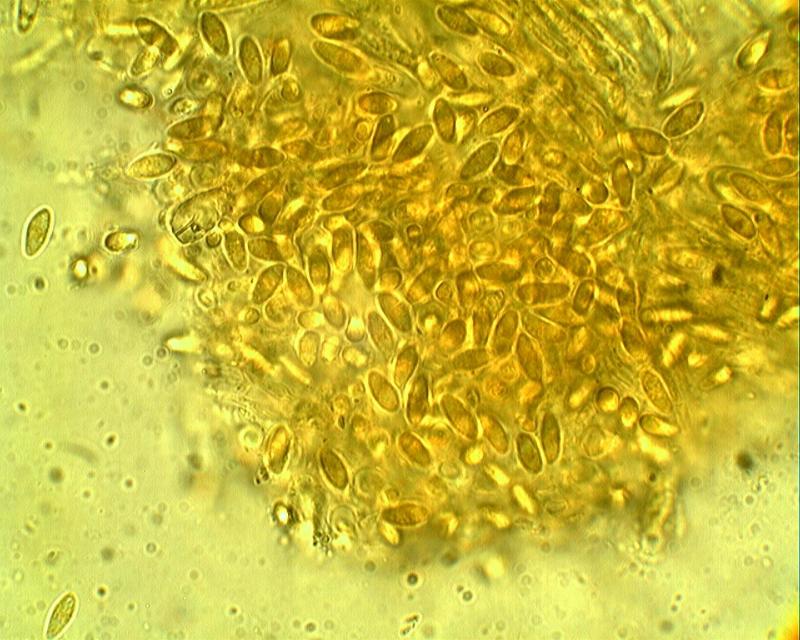
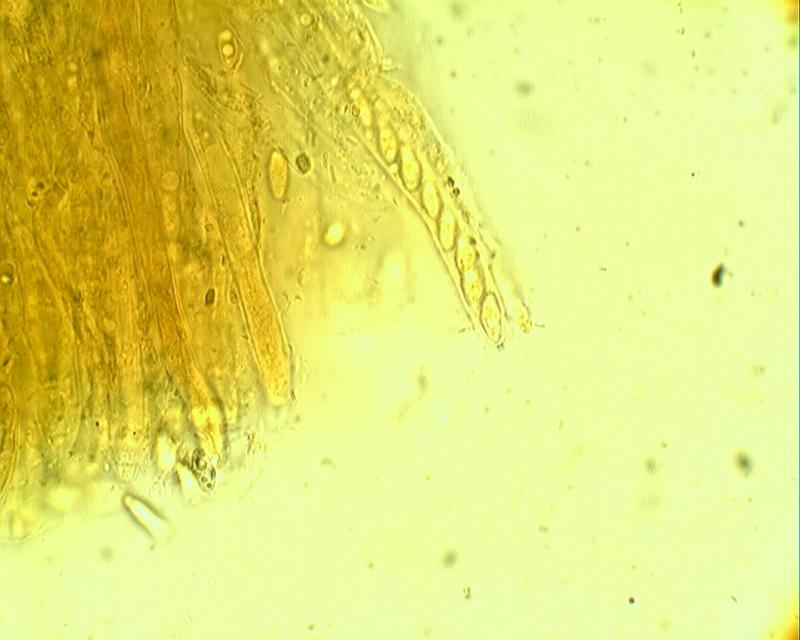
 The asci are blued by Meltzers and the spores are c 7.5 x 3.
Can anyone help with the id.
Thanks
Mal
Hans-Otto Baral,
12-11-2013 17:22

Re : Neobulgaria on mud?
t is not easy with mounts in Melzer. The apical ring is different from that of Neobulgaria pura. You might have Ombrophila limosella which grows on clayey ground. I should see the spores in water and whether the oil drops are small or if there are large ones. But the spores of that species are longer than 10 µm (11-16).
Zotto
Zotto
Malcolm Greaves,
12-11-2013 21:58
Re : Neobulgaria on mud?
Zotto
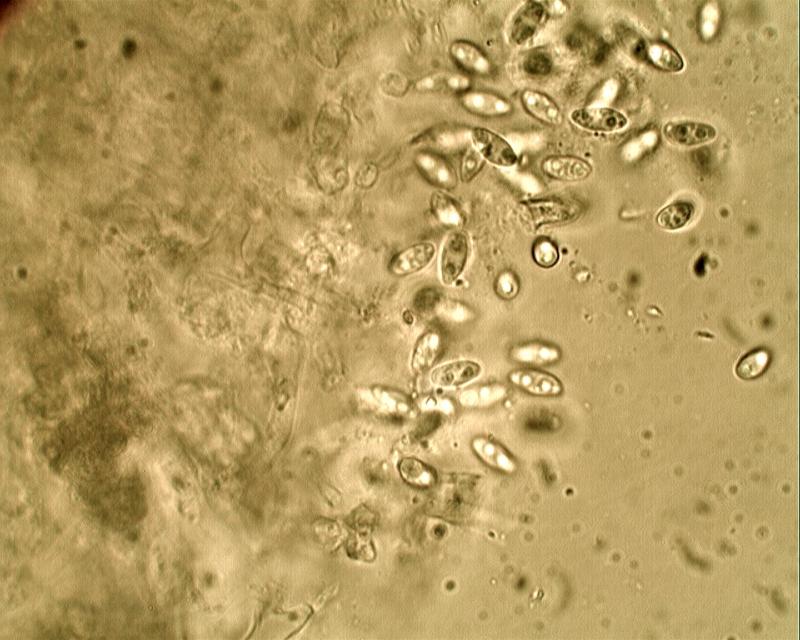
The spores in water mostly show two large oil drops and average 8 x 3.8
Hope this helps
Mal
The spores in water mostly show two large oil drops and average 8 x 3.8
Hope this helps
Mal
Hans-Otto Baral,
12-11-2013 22:01
Re : Neobulgaria on mud?
Ah, this was not clear in Melzer. Then Ombrophila limosella is excluded and it could be O. lilacina. That species I saw always on wood. Maybe there are some wood remains in the mud?
Malcolm Greaves,
13-11-2013 00:44
Re : Neobulgaria on mud?
I dug around in the mud and there was no sign of wood of any significan size.
Looking at the key to Ombrophila Spores less than 20µm long
3 Spore width minimum 3.5 ...(3.8)
10 Sp 7-9 µm long (8)
11 Medulla very gelatinous Ap violet (yes and yes)
14 Ap 0.7-7mm broad (5mm largest)
leads to O violacea.
Although the microscopic details fit this is another that should be on wood.
Mal
Looking at the key to Ombrophila Spores less than 20µm long
3 Spore width minimum 3.5 ...(3.8)
10 Sp 7-9 µm long (8)
11 Medulla very gelatinous Ap violet (yes and yes)
14 Ap 0.7-7mm broad (5mm largest)
leads to O violacea.
Although the microscopic details fit this is another that should be on wood.
Mal
Hans-Otto Baral,
13-11-2013 09:35
Re : Neobulgaria on mud?
If the medulla is strongly gelatinized and crystals are present then it could be O. violacea, yes. Both is not the case in O. lilacina.
But as you say, the habitat is strange.
But as you say, the habitat is strange.