

11-12-2013 21:49
Marcus YeoThis discomycete was growing on fallen twigs (of Q
02-07-2015 19:54
 Enrique Rubio
Hi to everybody These very small (up to 0.5 mm),
26-06-2015 18:47
 Blasco Rafael
Hola tengo este Lophodermium recogido en las acicu
01-07-2015 11:33
 Vasileios Kaounas
Have someone the following literature ????Mattirol
29-06-2015 14:29
Marja PennanenHi,once again I'm missing even the genus for my co
30-06-2015 16:38
Blasco Rafael
Hola tengo esta muestra sobre estiercol de vaca, y
28-06-2015 19:25
Enrique Rubio
Hi again Chris Perhaps you have this other ? Tra
30-06-2015 19:07
Salvador TelloEstoy intentando identificar un hongo de este gén
Hi to all:
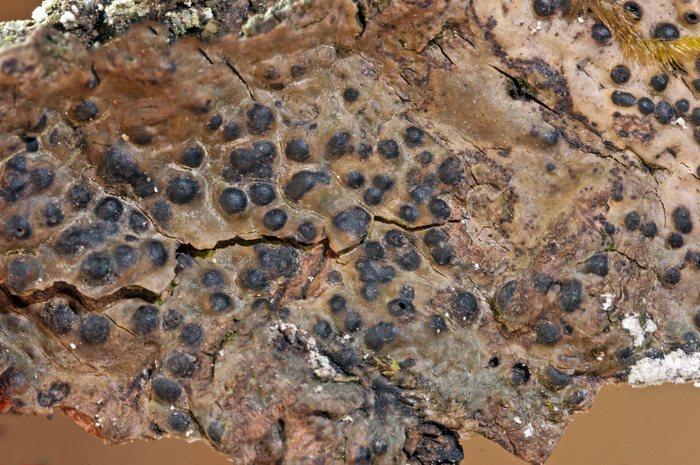
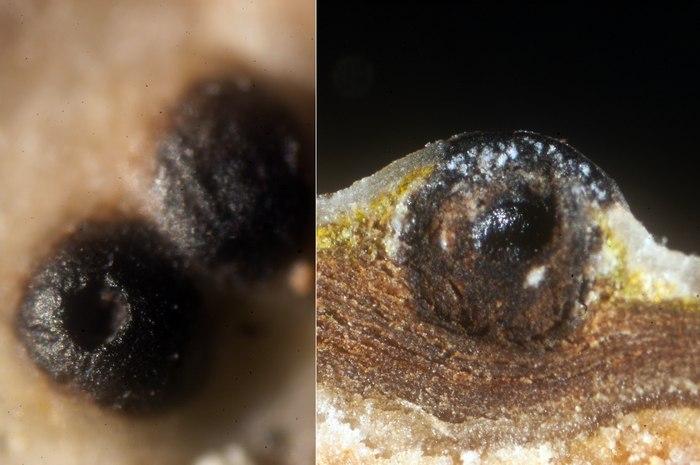
These blackish, small (up to 700 microns), gregarious, solitary, globose and semiinmersed pseudothecia were at 2-3 m high on bark of a leaving Fagus sylvatica. They seem to be ostiolate but I'm not sure.
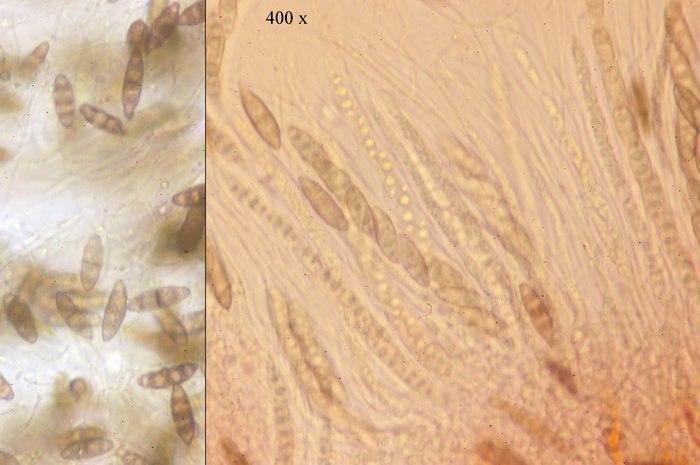
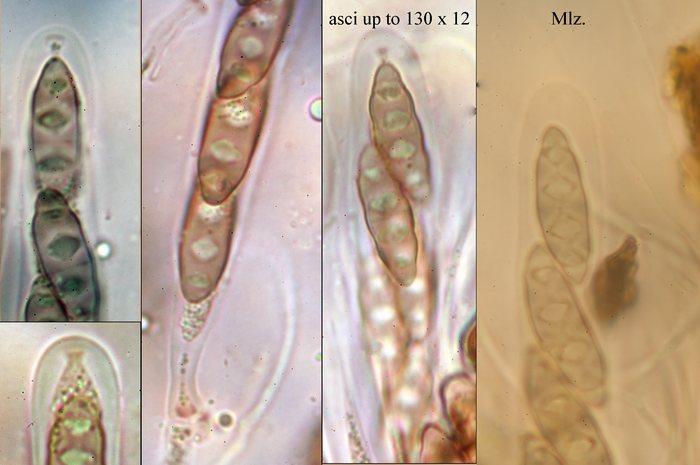
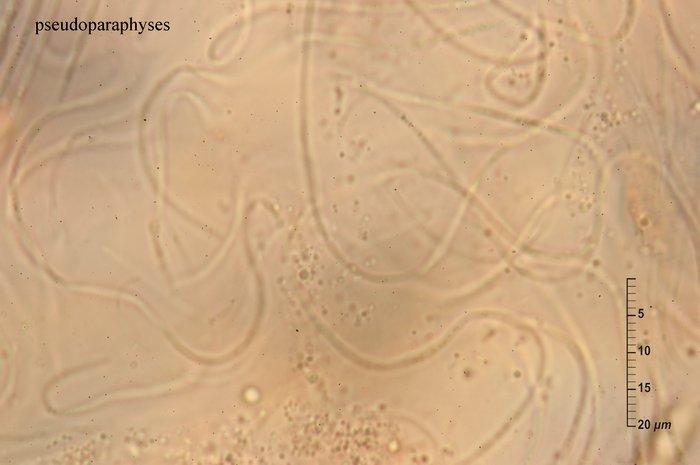
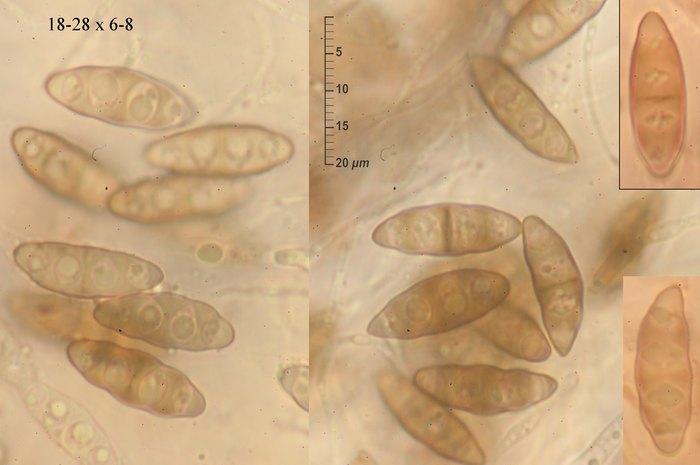
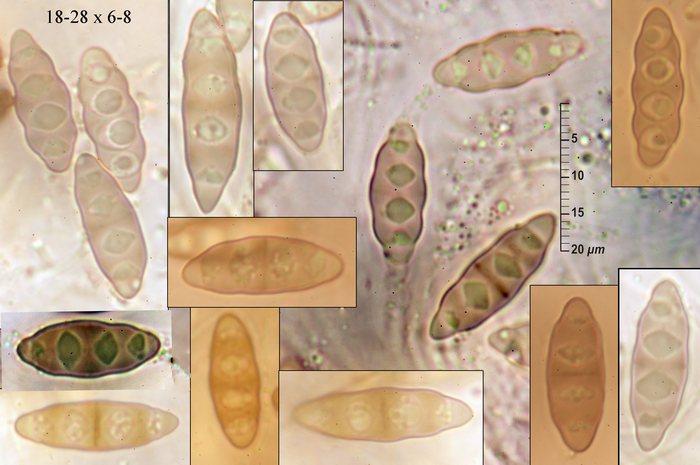
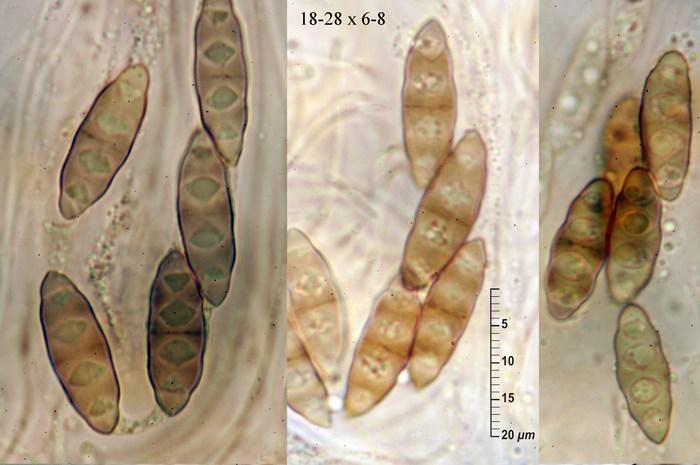
The spores are finally brownish or gloden brown and inconspicually 1-septate. Asci not unitunicate. Pseudoparaphyses are present.
Have you some idea ?
Many thanks again
Enrique
cheers
Thomas
Enrique

Navicella is placed in Pyrenulales. Now, what about the difference to Pyrenula? A thallus only?
But now I see the spores of Enrique's fungus are much smaller than in Navicella. What is nice to see on your images is the difference of living and dead cells: roundish and with a globose drop when alive, angular and with indistnct contents when dead.
Zotto
Enrique
Pyrenula is said to have Trentepohlia algae (with orange LBs in the cells) in their thallus. Can you find any thallus?
Zotto