20-07-2021 08:37
 Zuzana Sochorová (Egertová)
Hello,I´m hesitating here between H. spiralis and
20-07-2021 13:34
Unai FernandesHello.I found these specimens of black perithecia
19-07-2021 17:49
Marja PennanenHello forum, it has been the hottest summer in my
15-07-2021 23:41
 Josep Torres
Hola.Unas pequeñas fructificaciones brotando sobr
17-07-2021 23:55
 Rubén Martínez-Gil
Hola a todos.Subo unas fotos de un asco que encont
17-07-2021 11:44
Valencia Lopez Francisco JavierHola amigos/asTengo esta colección del invierno p
17-07-2021 15:19
 Maria Plekkenpol
Hello,On horse dung I saw these small whitish asco
14-07-2021 09:14
Zuidland PeterI have been surveying my region for Octosporas and
13-07-2021 01:00
Valencia Lopez Francisco JavierHola amig @ s Tengo estos hongos recolectados en e
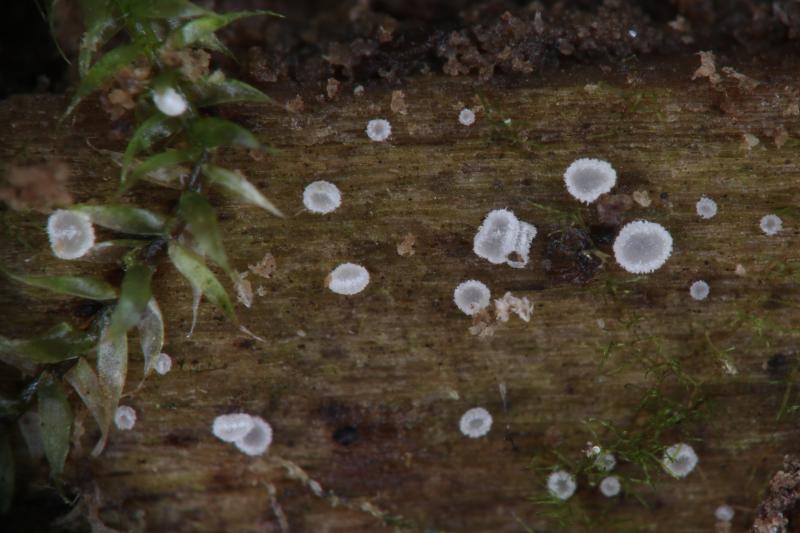
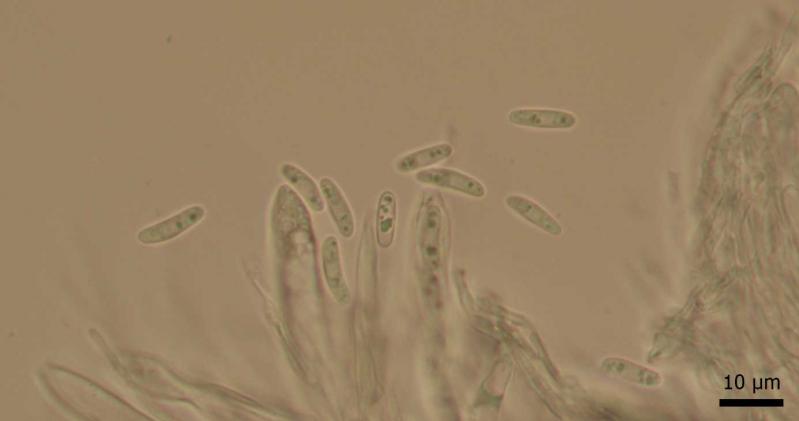
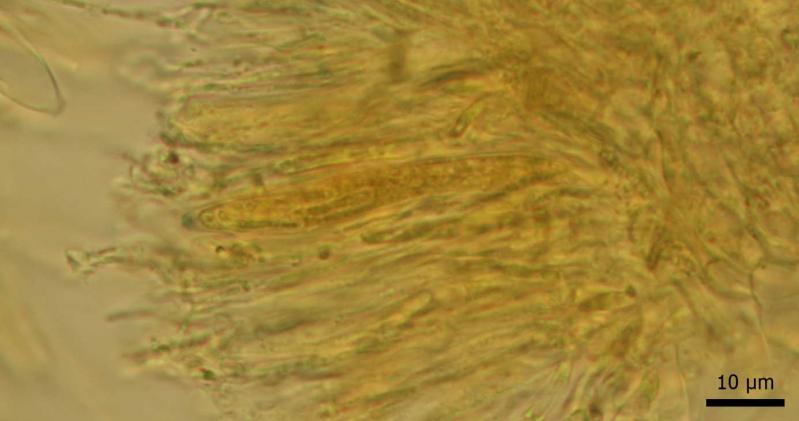
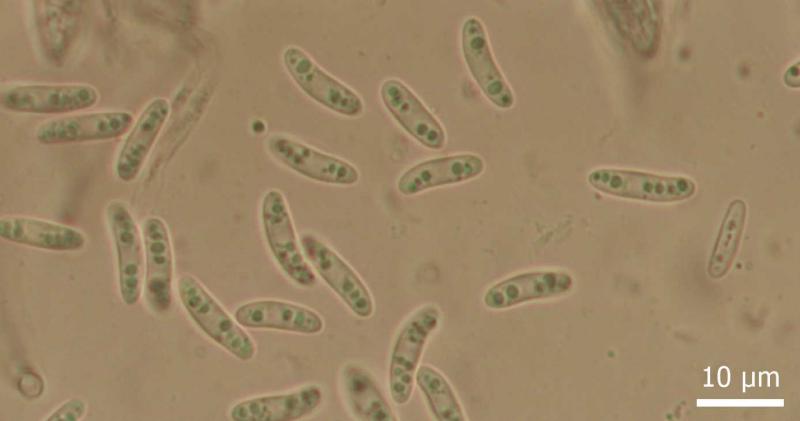
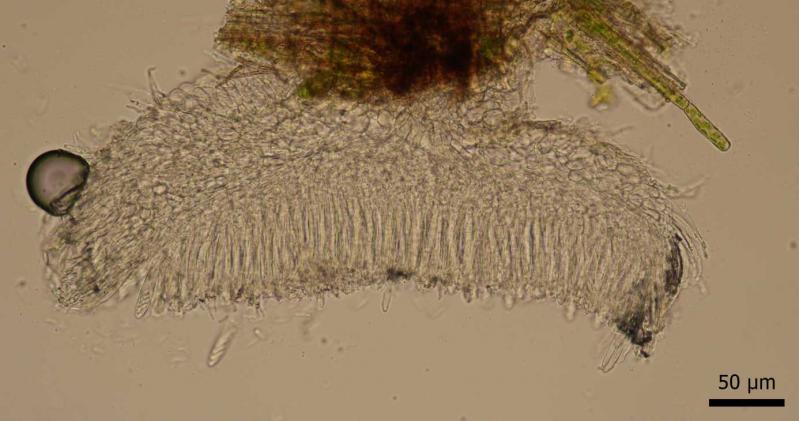
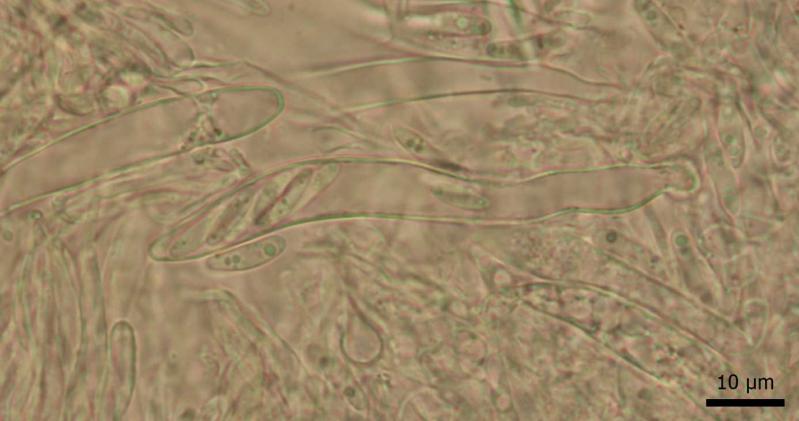
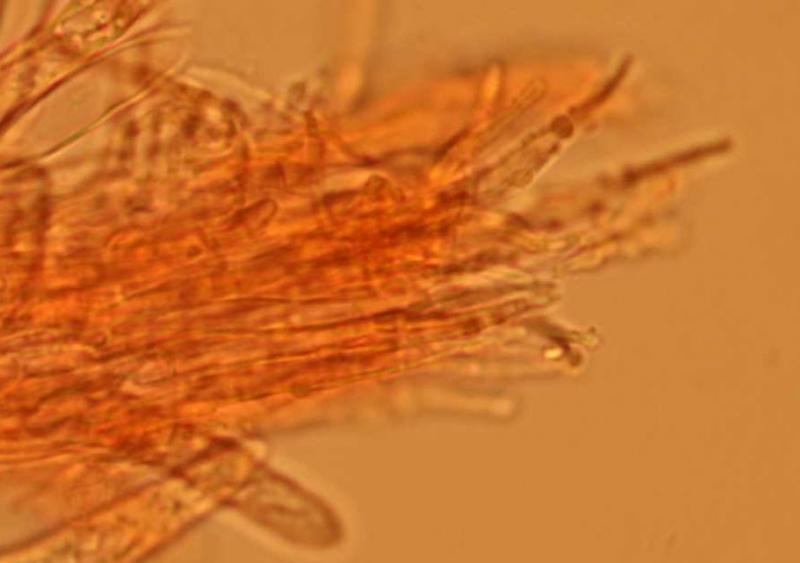
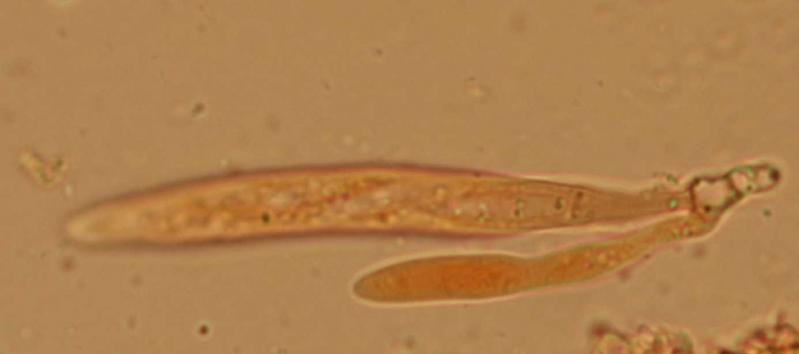
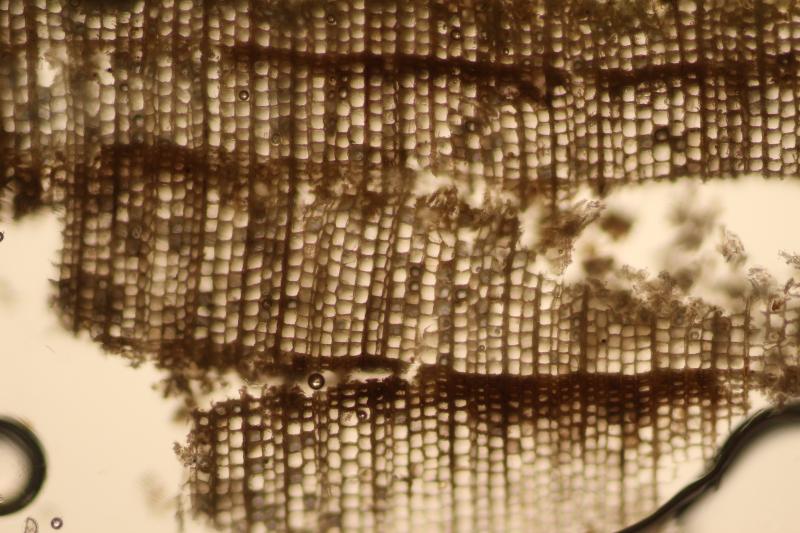
Hello,I´m hesitating here between H. spiralis and H. tigillaris. The fungus was collected in a wet and cold place in Moravia, on decaying stem of Picea (which is also inhabited by e.g. Henningsomyces candidus and the moss Buxbaumia viridis).
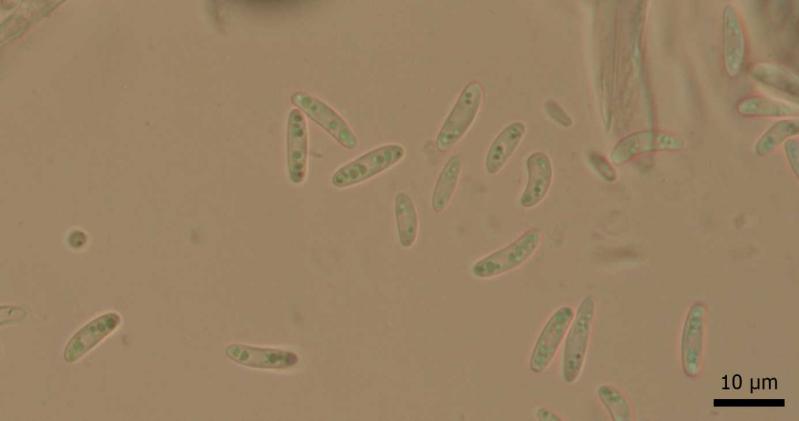
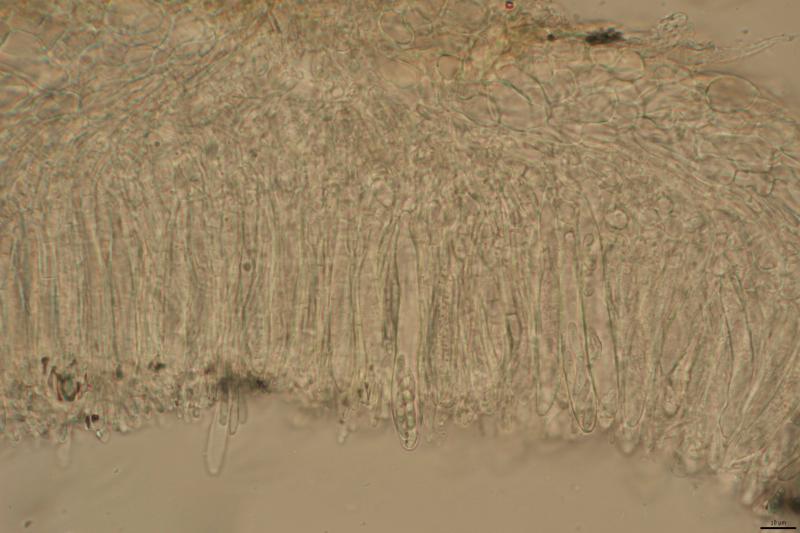
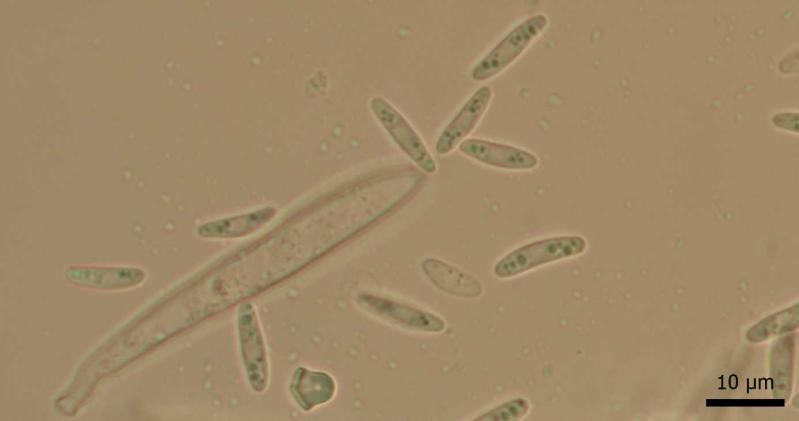
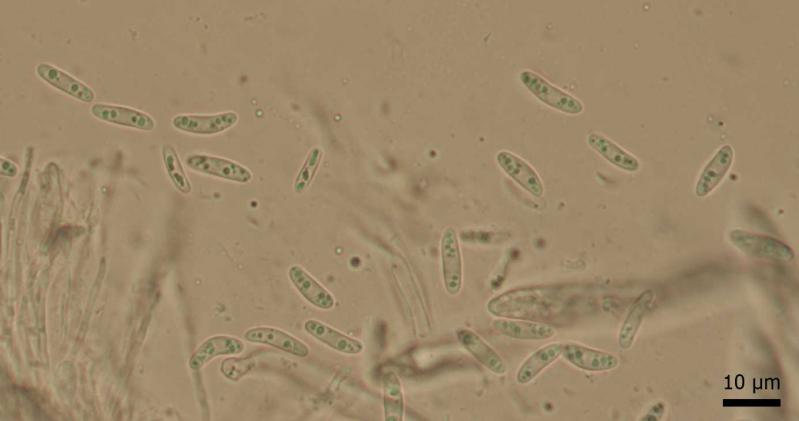
Ascospores (8) 10 - 12 (12.3) × (2.5) 2.6 - 3.2 (3.4) µm, Q=(3)3.2-4.3(4.7), Me = 10.9 × 2.9 µm; Qe = 3.8, usually one-celled, but occasionally 1-septate.
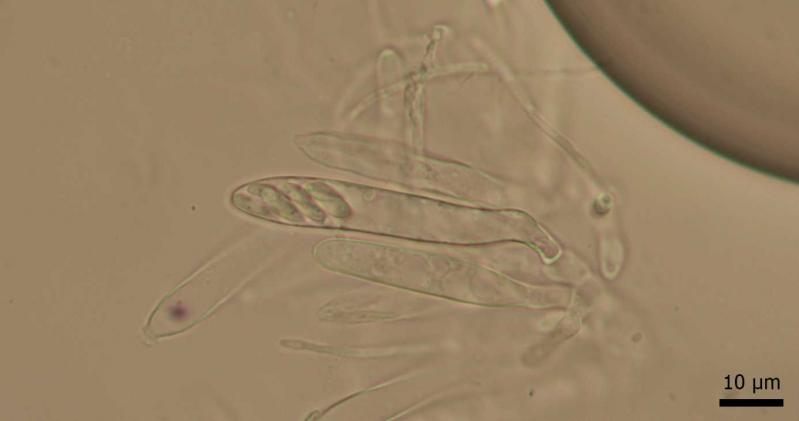
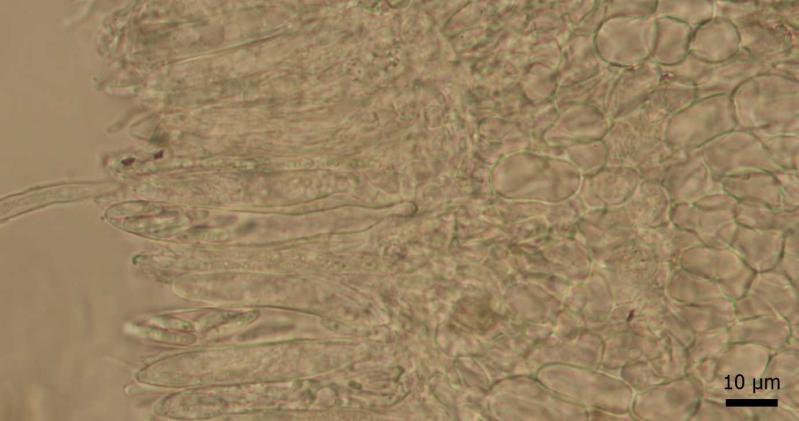
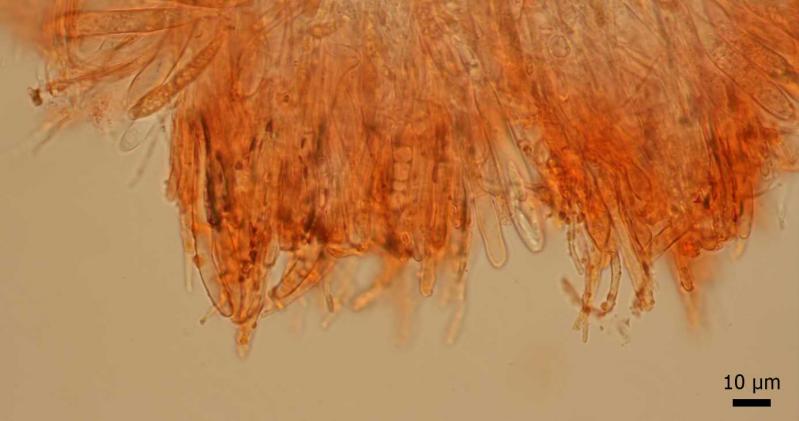
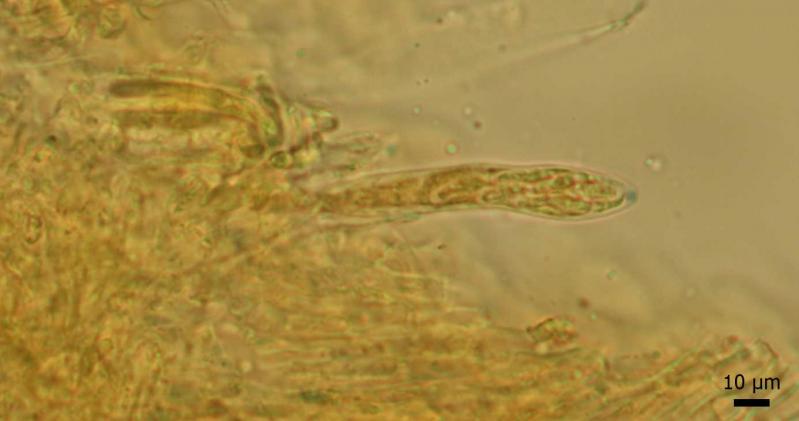
Asci without croziers, 52.9 - 72 × (7.5) 7.53 - 8.9 (24.9) µm, IKI+.
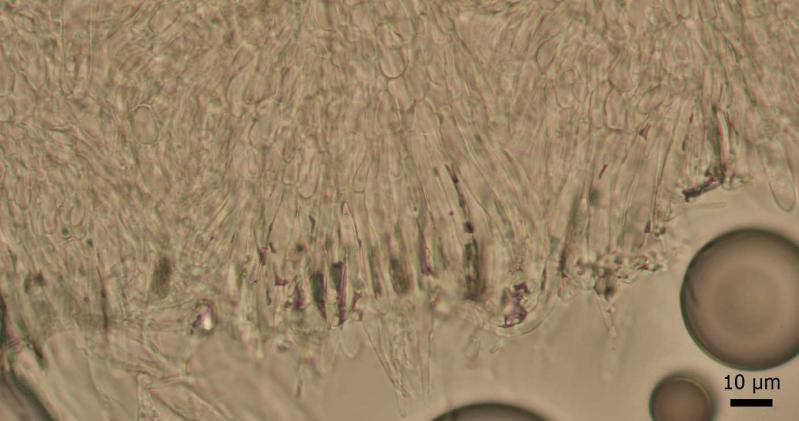
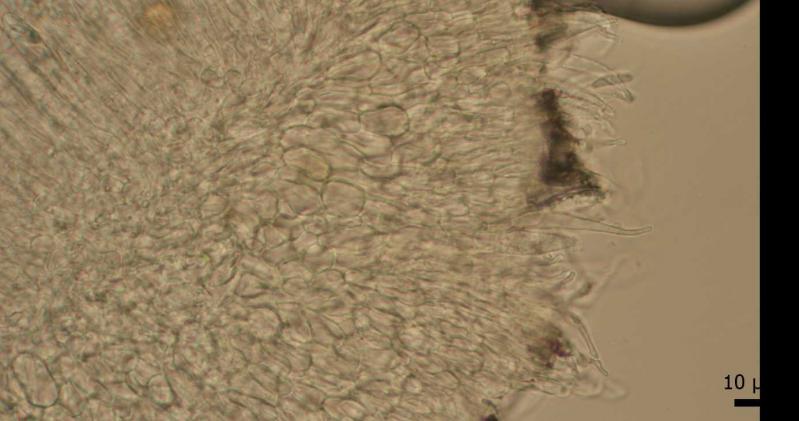
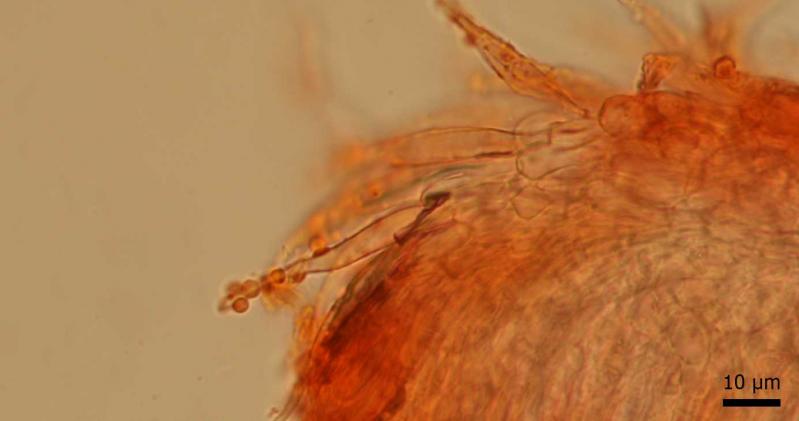
Hairs up to 62 µm long, smooth or bearing large "bubbles", often bent.
The spore size and guttulation (judging from a few available sources showing living elements) fit H. spiralis. Size of asci fits better H. tigillaris (according to the data in the monograph). Also the not-dextrinoid hairs would fit H. tigillaris. The substrate is more typical for H. tigillaris, although H. spiralis can occur on conifers too.
Thank you for your advice, Zuzana