12-06-2026 14:50
 François Freléchoux
Bonjour, Voici la brève description d'une Mollis
10-06-2026 21:16
François Freléchoux
Bonsoir,Le dernier du jour, en attendant votre avi
11-06-2026 19:01
 William Slosse
Hello all,In an attempt to make a culture of a sus
11-06-2026 19:03
 Nicolas VAN VOOREN
Chers membres d'Ascofrance,Le site sera placé en

09-06-2026 18:32
Camille MertensSur morceau de roseau immergé 0,5 - 0,7 mm de dia
10-06-2026 12:54
Steve ClementsBonjour encore, Pouvez-vous m'aider, s'il vous pl
10-06-2026 21:07
François Freléchoux
Toutes les tiges de gentianes jaunes de l'an passÃ
10-06-2026 13:41
François Freléchoux
Bonjour à nouveau, Voici une trouvaille d'hier.
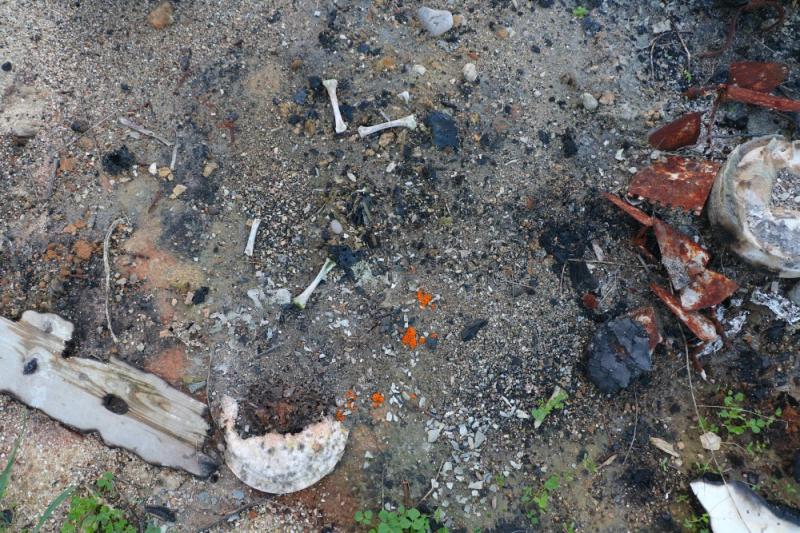
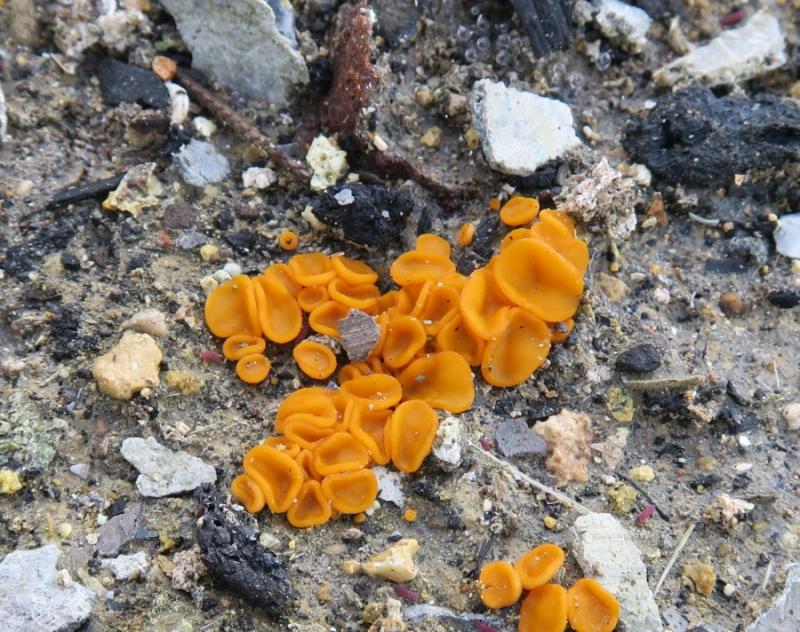
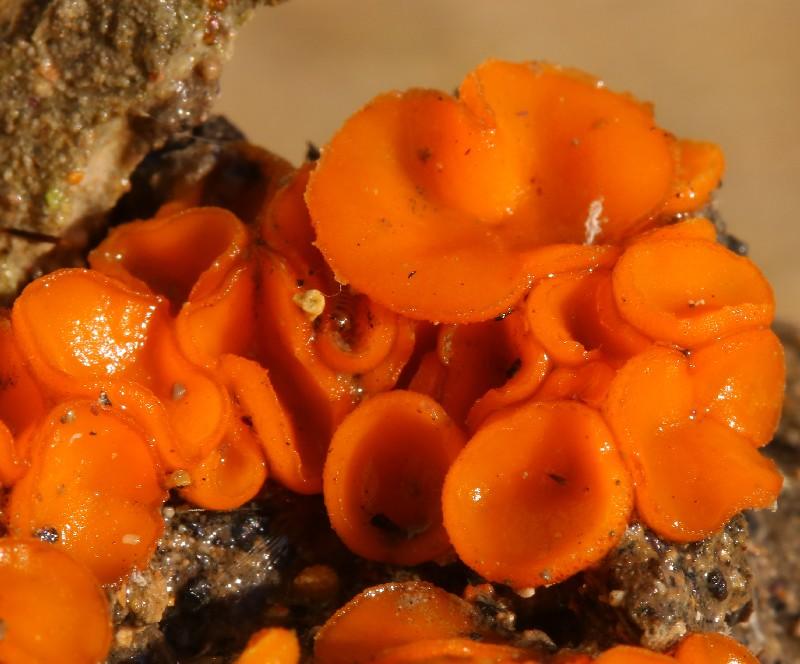
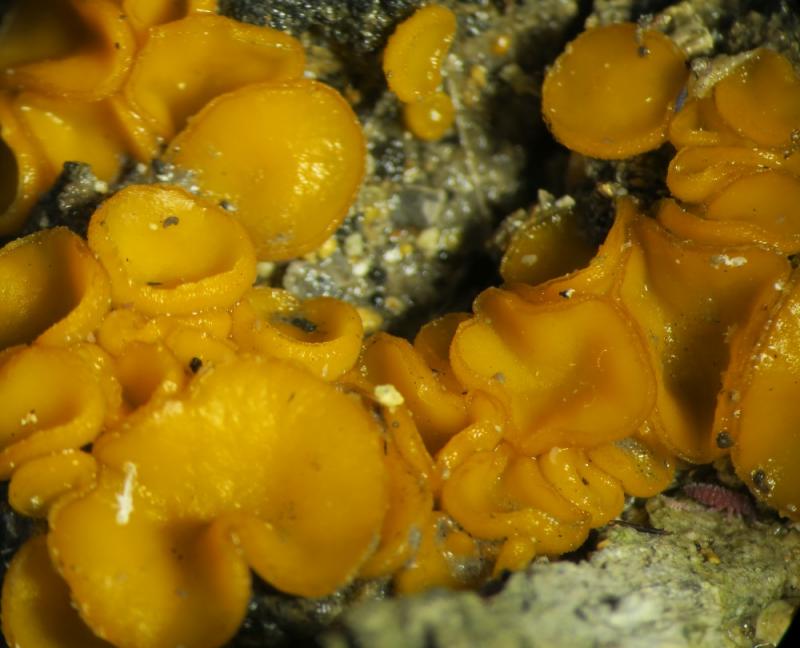
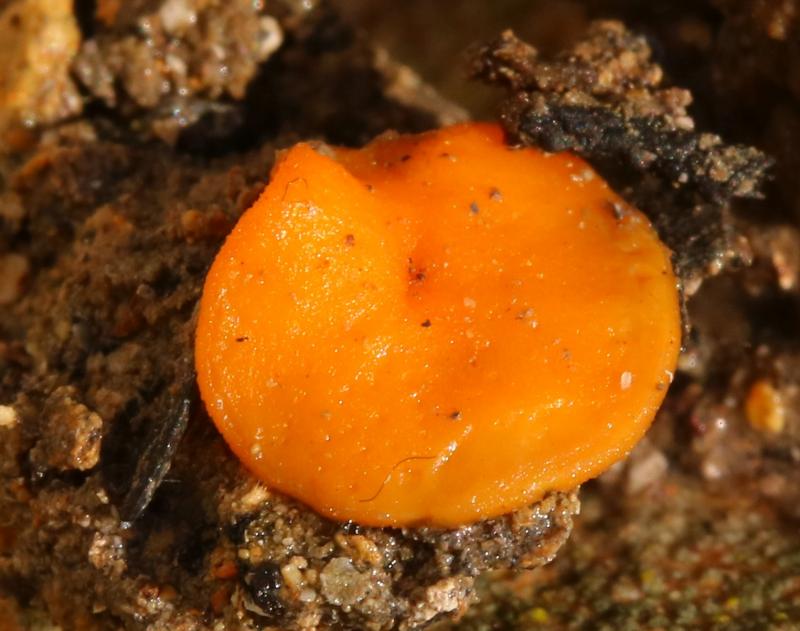
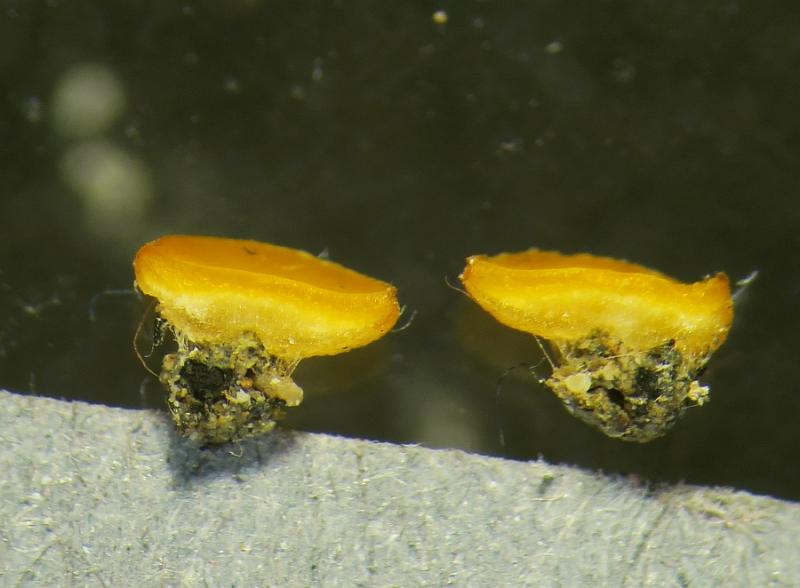
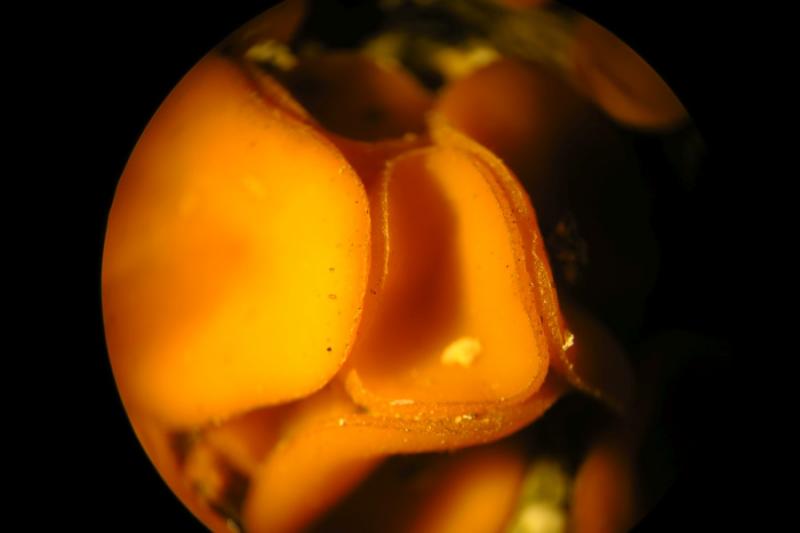
 I am trying to identify a Cheilymenia sp. using keys by J. Moravec (1984) found on burnt ground and plant debris (and there was also some dead reamians of fowl)
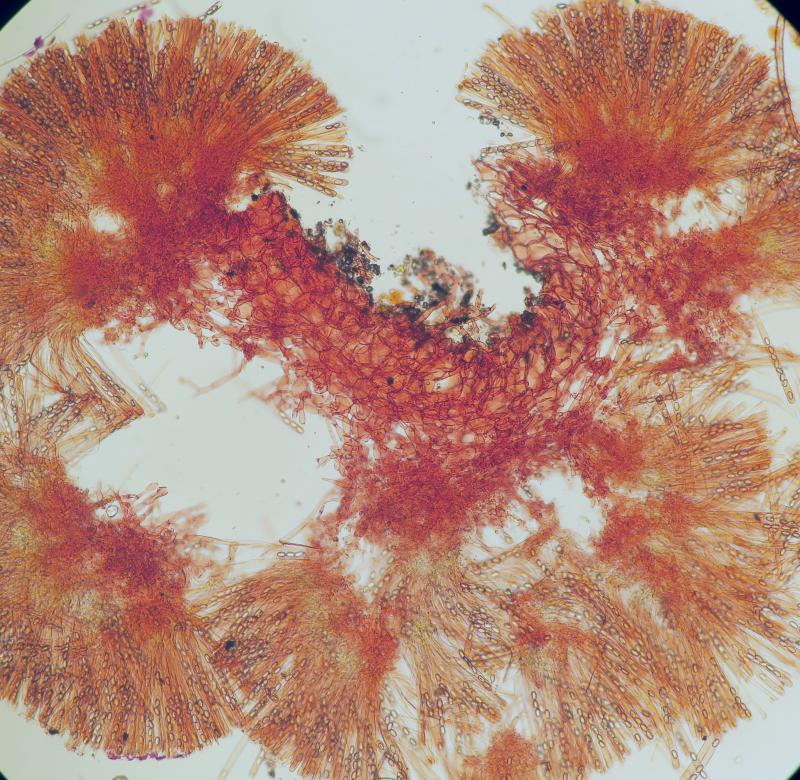
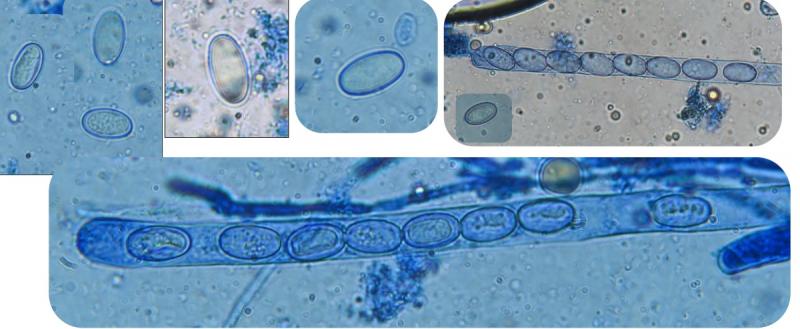
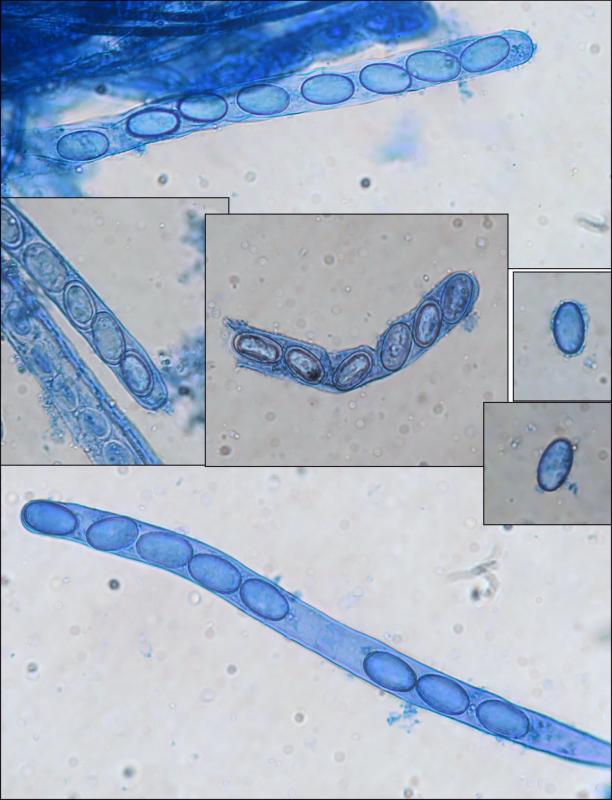
My first problem is if the spores are striated or not, and in some images stained in cotton blue, I can make vague striations but they can be shadows not striations. I am assuming that they are fine striations and hence attribute the species to Sect. Striatisporae (which include some species that grow on plant debris). The hairless apothecia would lead to be Sect. Coproba and easily keyed to C. granulata, but this is a dung species and excluded for that reason.
Further info:
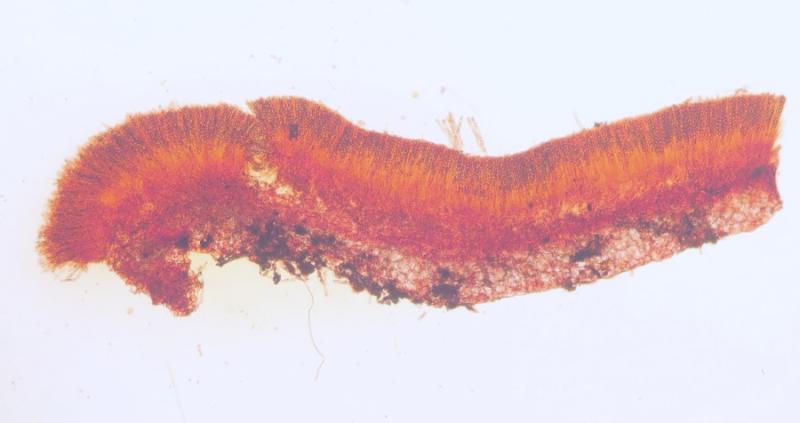
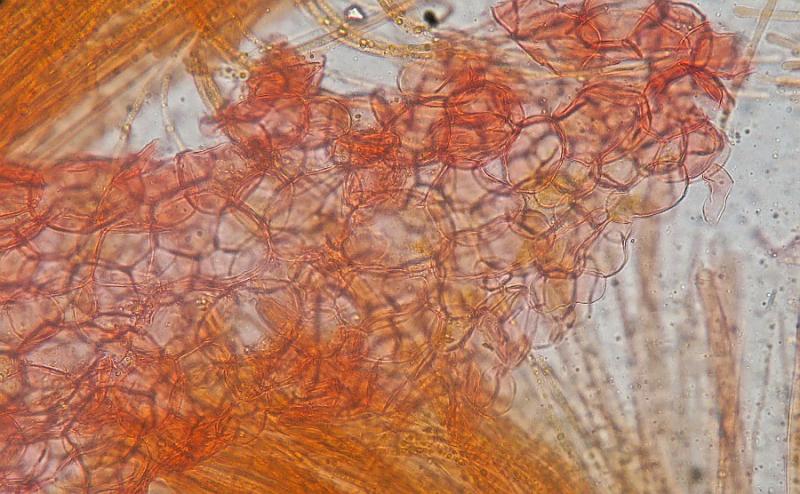
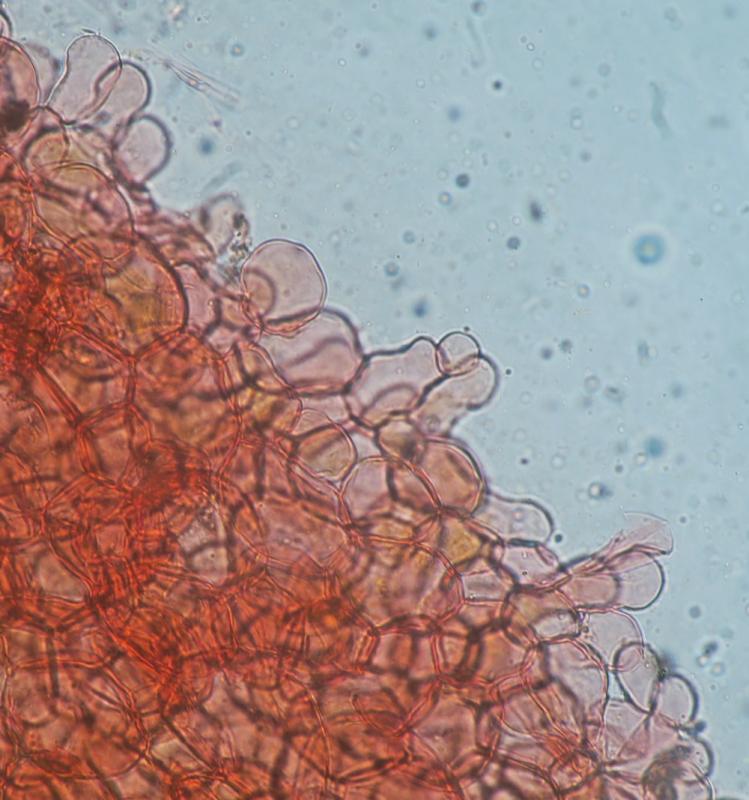
Excipulum (medullary): Spherical to broadly elliptical usually with obtuse angles forming an isohedral, 30-48 µm wide
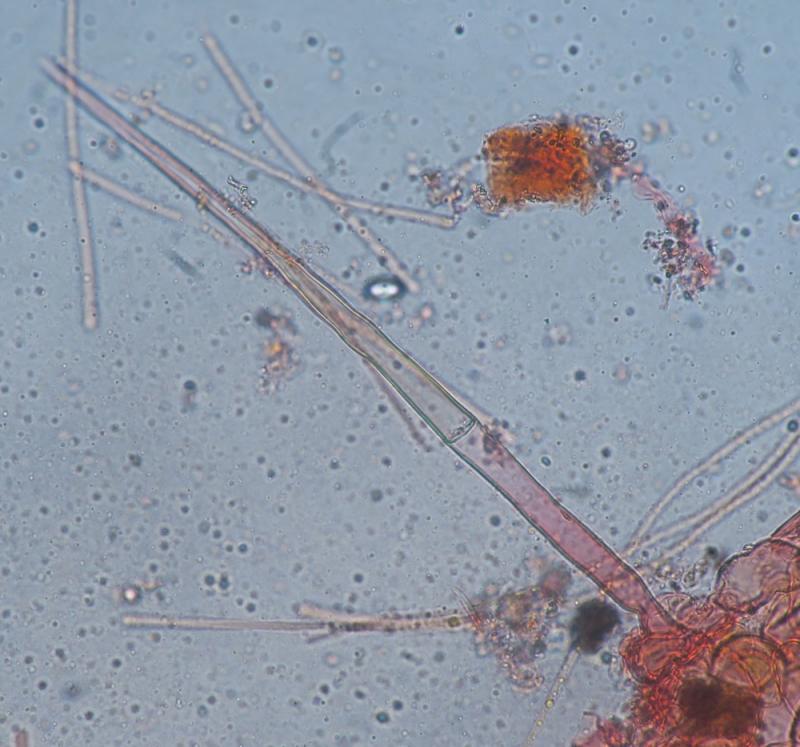
Hairs on rim: A few present, scattered, quite inconspicuous and hyaline
Hairs length: (150–)200–400(–450)µm
Hairs morphology Hyaline, straight, sometimes with a swollen tip (or swollen just below the apex) 1- or 2- septate (depending length of hair) with a bulbous basal hypha, ovoid and asymmetric and with a septum just above the base and sometimes a second septum located about the proximal third of the hair length.
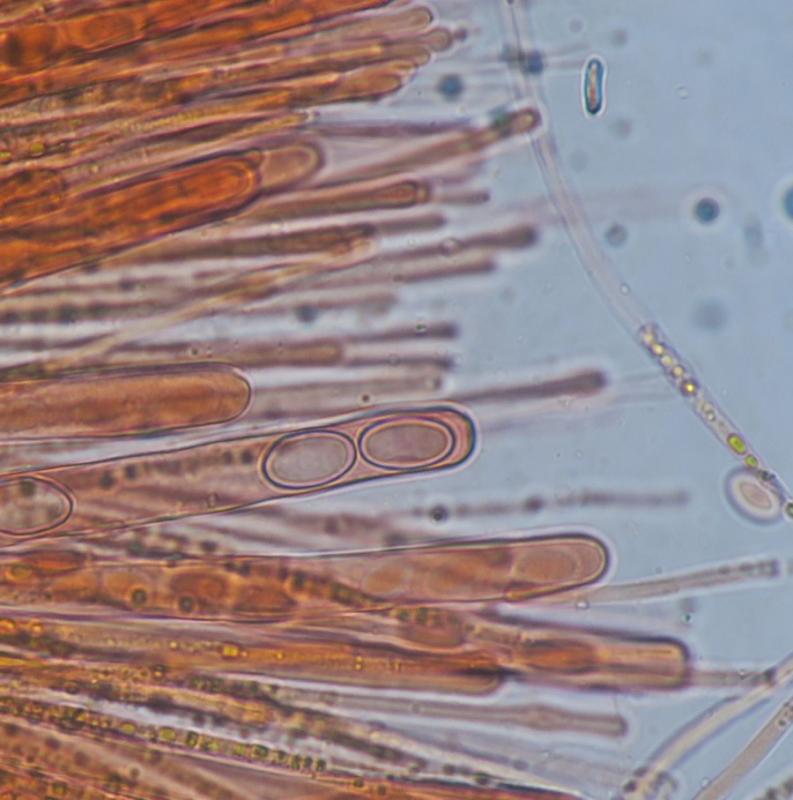
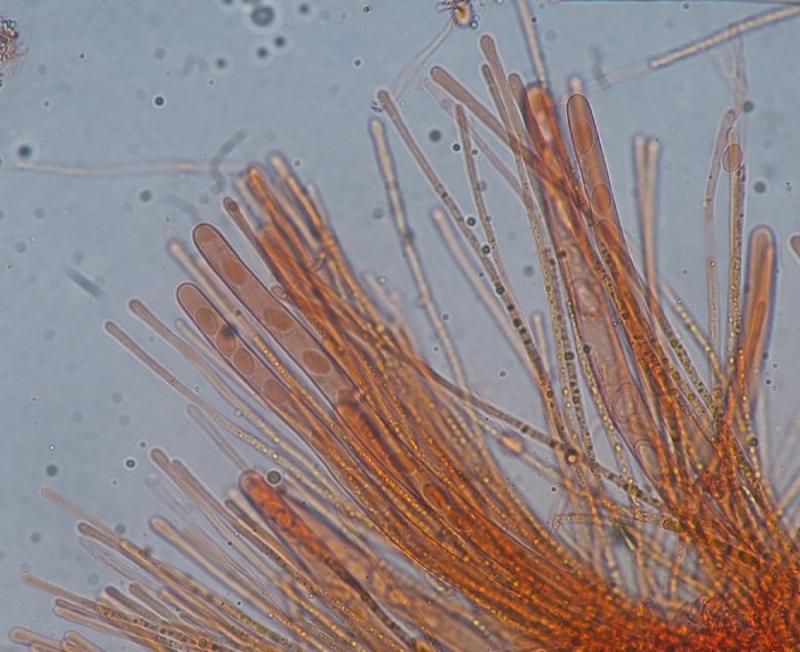
Ascum average size 215.3 µm x 12.3 µm
Iodine reaction J -ve
Spore average size 15.2 µm x 8.7 µm
Spore Q factor 1.71
I am inclined over C. theleboloides s.l. likely f. glabra for being almost hairless and which grows on wide range of habitats (and the text says easily confuses with granulata mentioned above !)