
12-06-2026 14:50
 François Freléchoux
Bonjour, Voici la brève description d'une Mollis
10-06-2026 21:16
François Freléchoux
Bonsoir,Le dernier du jour, en attendant votre avi
11-06-2026 19:01
 William Slosse
Hello all,In an attempt to make a culture of a sus
11-06-2026 19:03
 Nicolas VAN VOOREN
Chers membres d'Ascofrance,Le site sera placé en

09-06-2026 18:32
Camille MertensSur morceau de roseau immergé 0,5 - 0,7 mm de dia
10-06-2026 12:54
Steve ClementsBonjour encore, Pouvez-vous m'aider, s'il vous pl
10-06-2026 21:07
François Freléchoux
Toutes les tiges de gentianes jaunes de l'an passÃ
10-06-2026 13:41
François Freléchoux
Bonjour à nouveau, Voici une trouvaille d'hier.
Sawadaea bicornis on Acer campestre
B Shelbourne,
02-11-2024 16:34
 • Host suggests Sawadaea bicornis or Phyllactinia marissalii.
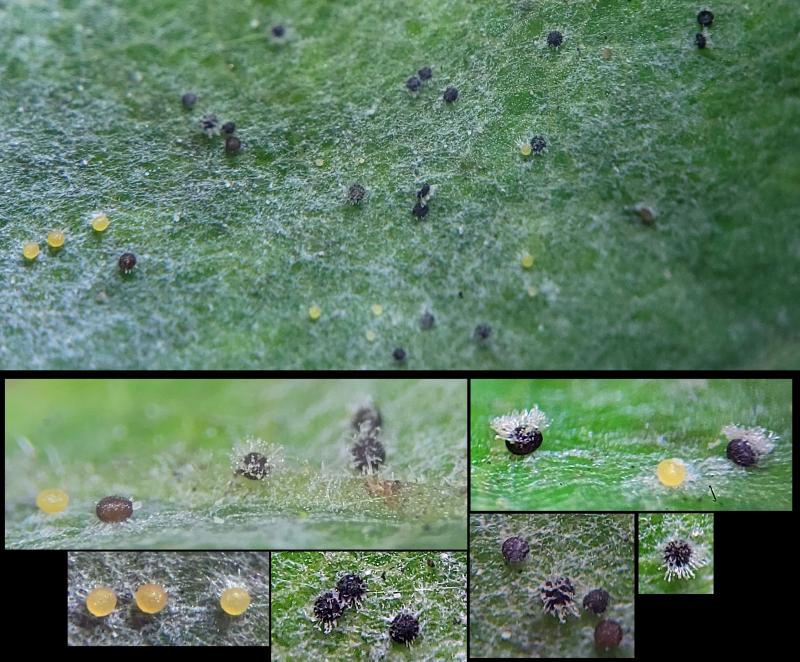
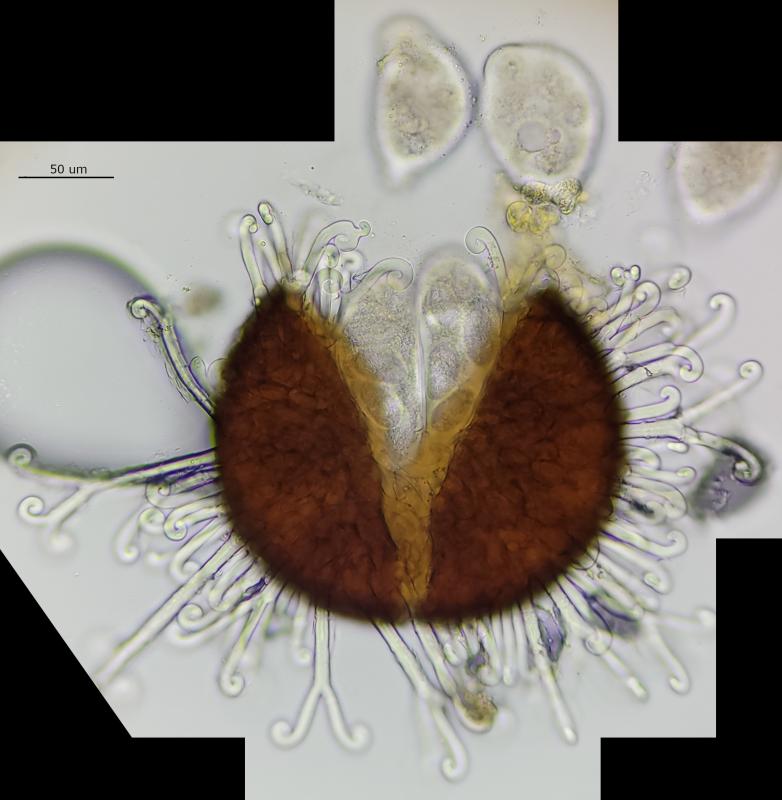
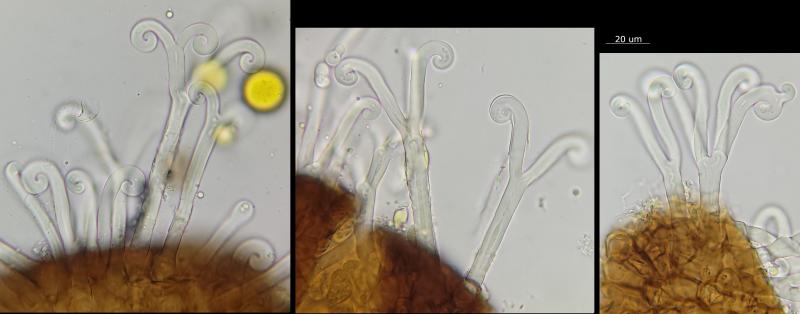
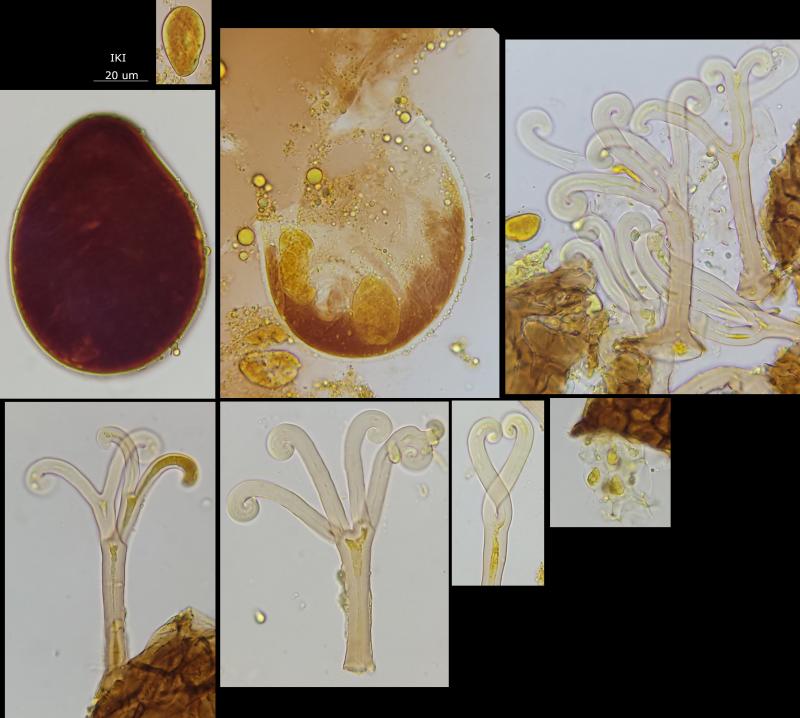
• Sawadaea bicornis suggested by macro: Epiphyllous, many chasmothecial appendages, projecting all over, uninflated bases, convoluted apices.
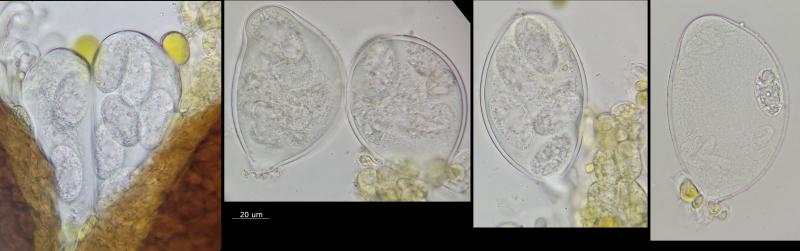
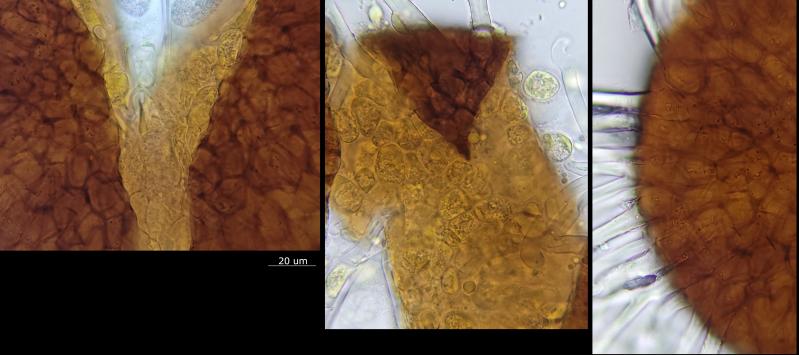
• Confirmed by appendages in micro.
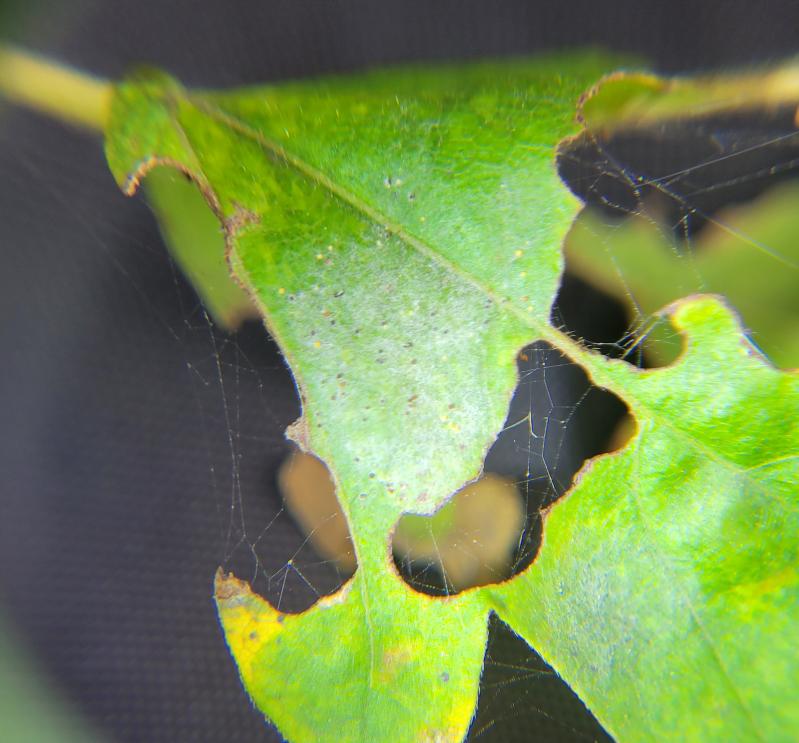
Habitat: On some leaves of Acer campestre, in a small grove of mature trees, with Quercus robur and Crataegus cf. monogyna, around a hedge between a field and road, part of a large area of agricultural land being 'rewilded' (Knepp Estate), Low Weald, southern England, early November.
Chasmothecia: Black and yellowish specks seen on most downy patches, gregarious, only seen on the top sides of the leaves.
Low magnification (20-40x): Patches formed of +/- sparse mycelium on the surface of the leaf, chasmothecia with more or less anchoring hyphae (detaching with age?), sub-globose to globose, initially yellowish, then blackish, when mature with many hyphae-like appendages protruding all over or from the top, bases uninflated, apices of appendages noticeably convoluted (branching), short conidiophores, hyaline, conidia appear to be growing in chains at the apices, but greater magnification required.
David Malloch,
02-11-2024 16:55

Re : Sawadaea bicornis on Acer campestre
Beautiful photos!
B Shelbourne,
03-11-2024 00:03
Re : Sawadaea bicornis on Acer campestre
Thank you. The credit must go to the fungus for producing such beautiful morphology.