
10-06-2026 21:16
 François Freléchoux
Bonsoir,Le dernier du jour, en attendant votre avi
11-06-2026 19:01
 William Slosse
Hello all,In an attempt to make a culture of a sus
11-06-2026 19:03
 Nicolas VAN VOOREN
Chers membres d'Ascofrance,Le site sera placé en

09-06-2026 18:32
Camille MertensSur morceau de roseau immergé 0,5 - 0,7 mm de dia
10-06-2026 12:54
Steve ClementsBonjour encore, Pouvez-vous m'aider, s'il vous pl
10-06-2026 21:07
François Freléchoux
Toutes les tiges de gentianes jaunes de l'an passÃ
10-06-2026 13:41
François Freléchoux
Bonjour à nouveau, Voici une trouvaille d'hier.
10-06-2026 11:53
Steve ClementsBonjour, This disco is abundant on dead stems of
Little black Peziza (apiculate)
Zuzana Sochorová (Egertová),
27-08-2024 17:12
 Hello,
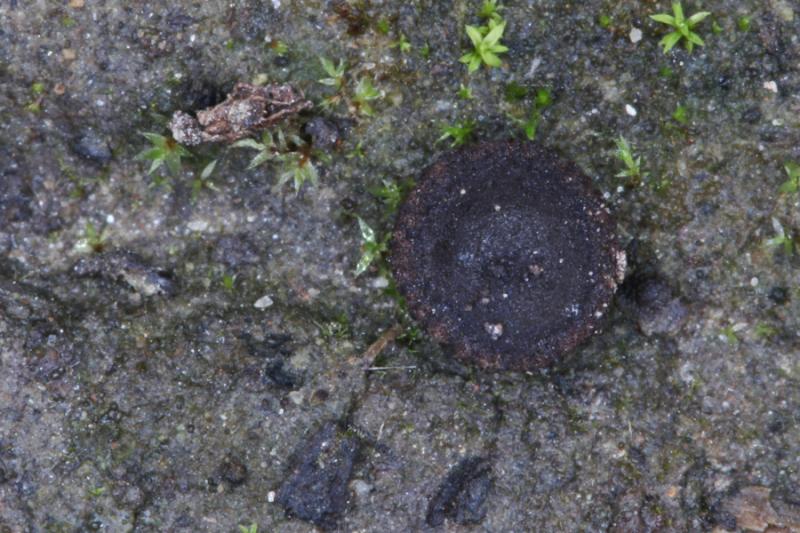
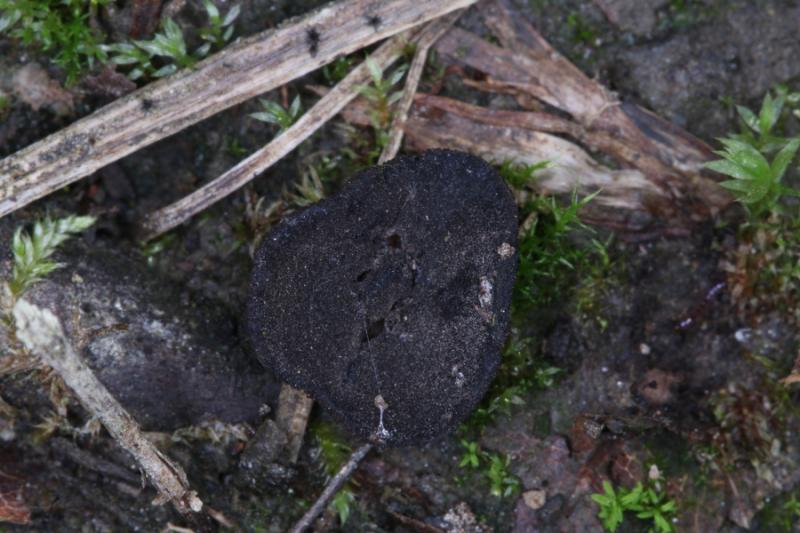
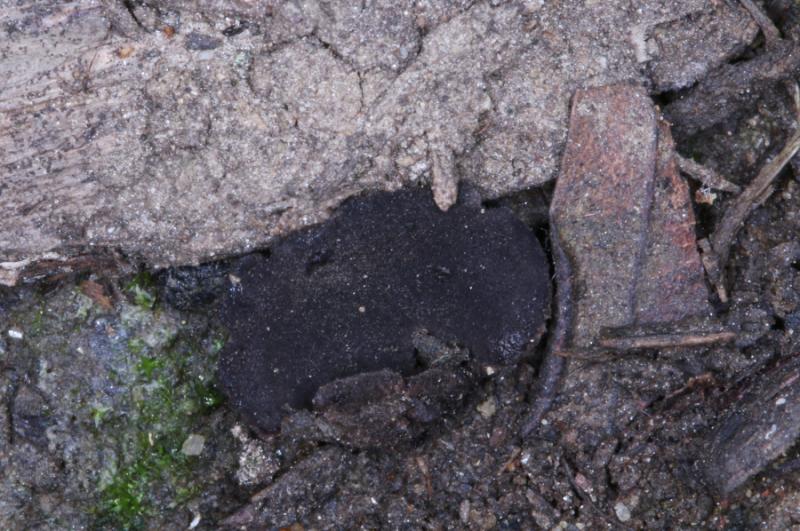
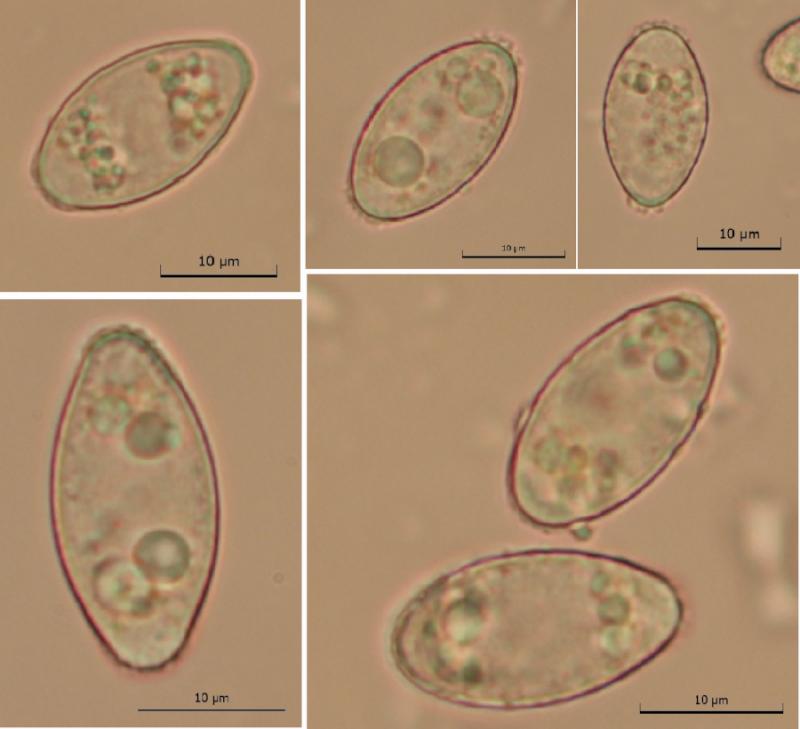
I would like to consult this little Peziza, which macroscopically resembles Plicariella scabrosa (especially when young).
There were 3 apothecia, 3.5-8.5 mm in diam., black, with a rough outer surface.
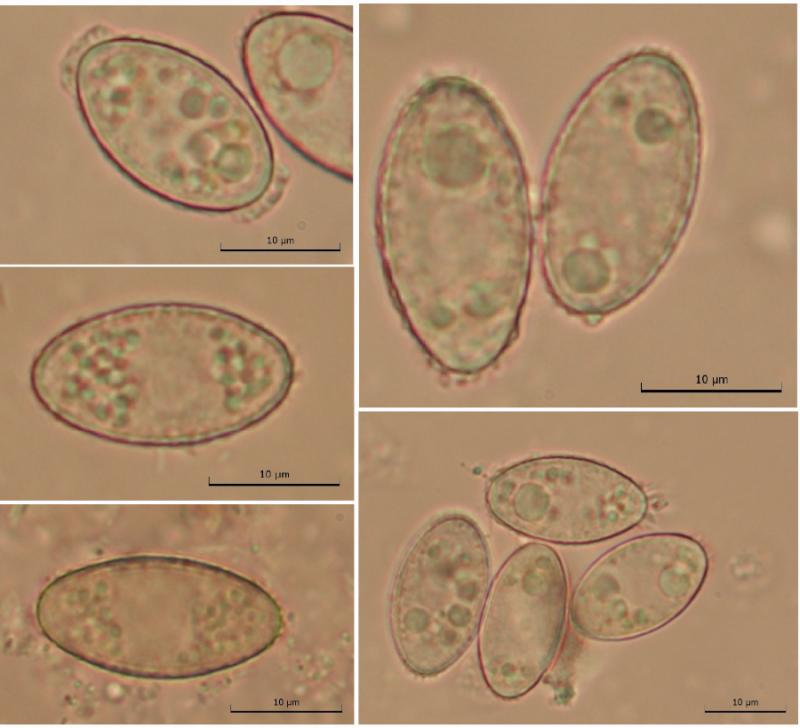
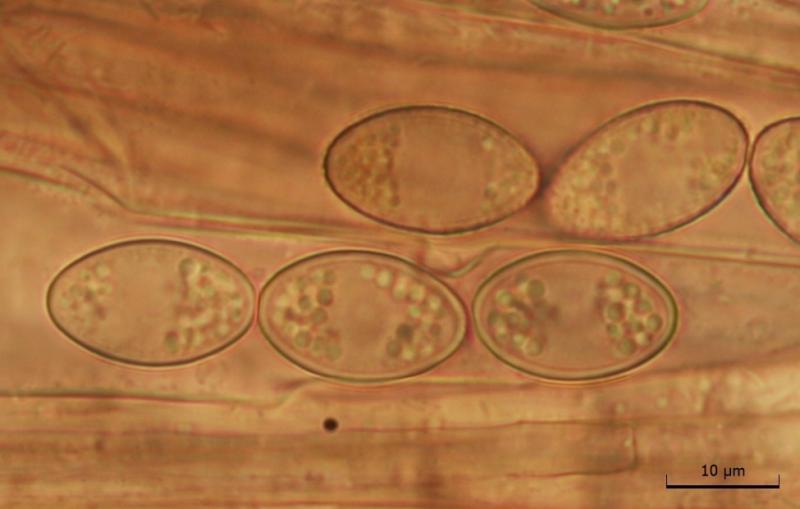
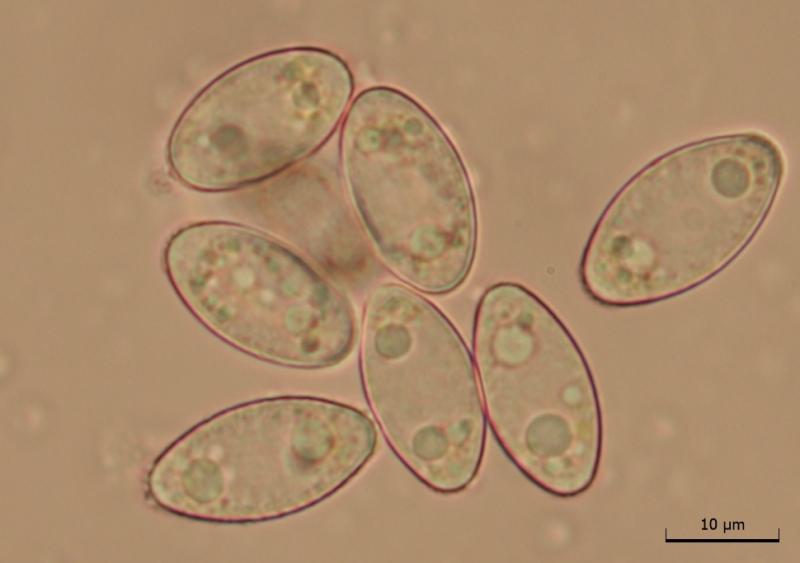
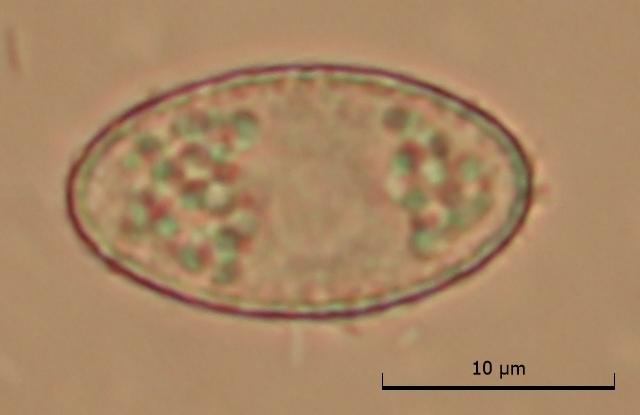
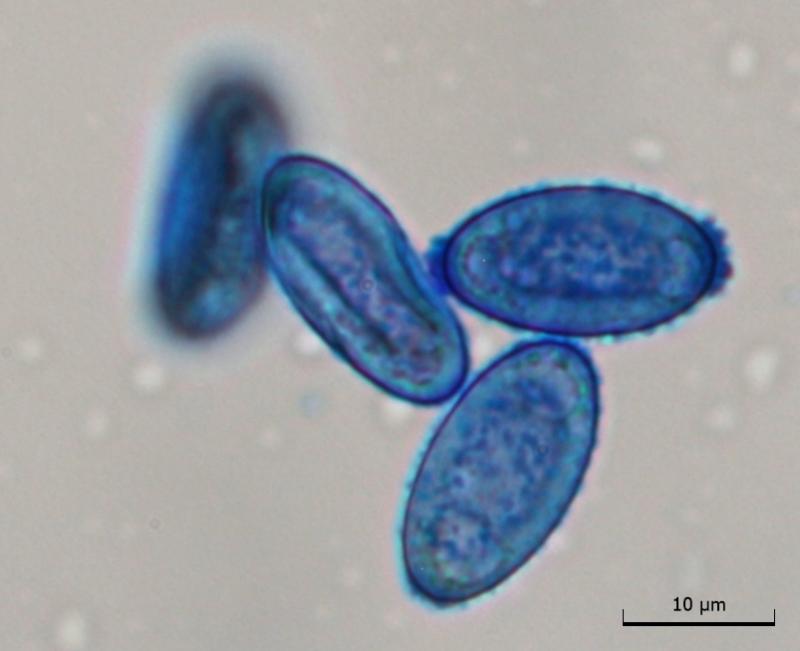
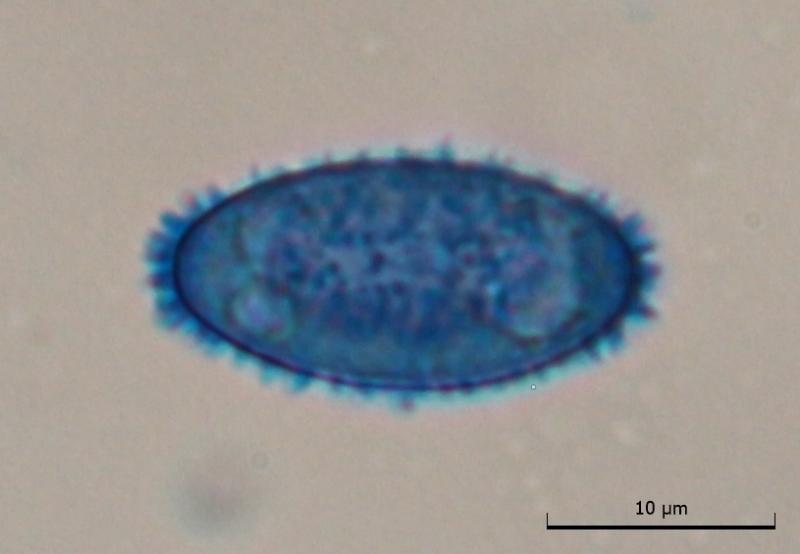
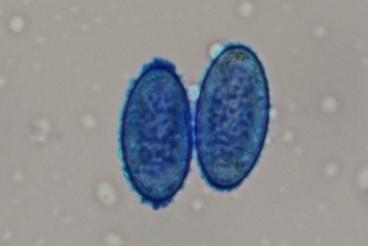
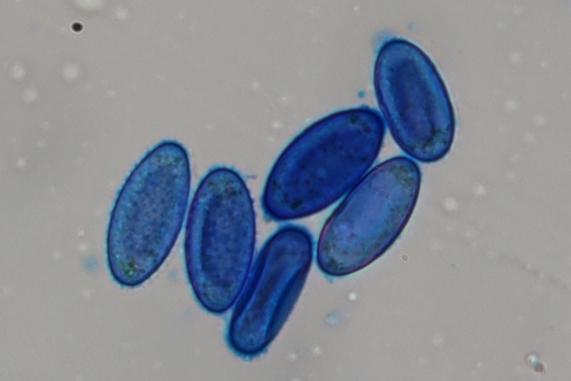
Ascospores (17) 18.6-21.2 (22.9) × (10.1) 10.3-11.6 (12.6) µm, Q = (1.6) 1.7-2; n = 32, Me = 19.8 × 10.8 µm; Qe = 1.8 (without orn.), ellipsoid to subfusoid, uninucleate. Ornamentation very variable, consisting of warts which partly anastomose; the poles are sometimes multiapiculate, spiny, or with ornamentation resembling a fish fin, while sometimes the warts are not higher than elsewhere on the spore surface. The height of polar ornamentation is mostly 0.5-1.5 µm, rarely up to 2.7 µm. I have never observed a spore with a single large apiculus, typical for Peziza apiculata.
Czech Republic - Moravia, 25 August 2024, on soil near a brook, on calcareous background (together with Melastiza flavorubens).
The best option I have found is Phaeopezia vagneri, but the spore size given in literature is somewhat larger. What do you think?
Zuzana
Zuzana Sochorová (Egertová),
27-08-2024 17:14
Re : Little black Peziza (apiculate)
Part 2
Nicolas VAN VOOREN,
27-08-2024 17:50
Re : Little black Peziza (apiculate)
I think Phaeopezia vagneri is the best hypothesis.
Zuzana Sochorová (Egertová),
27-08-2024 18:19
Re : Little black Peziza (apiculate)
Great, thank you very much for confirmation!