
10-06-2026 21:16
 François Freléchoux
Bonsoir,Le dernier du jour, en attendant votre avi
11-06-2026 19:01
 William Slosse
Hello all,In an attempt to make a culture of a sus
11-06-2026 19:03
 Nicolas VAN VOOREN
Chers membres d'Ascofrance,Le site sera placé en

09-06-2026 18:32
Camille MertensSur morceau de roseau immergé 0,5 - 0,7 mm de dia
10-06-2026 12:54
Steve ClementsBonjour encore, Pouvez-vous m'aider, s'il vous pl
10-06-2026 21:07
François Freléchoux
Toutes les tiges de gentianes jaunes de l'an passÃ
10-06-2026 13:41
François Freléchoux
Bonjour à nouveau, Voici une trouvaille d'hier.
10-06-2026 11:53
Steve ClementsBonjour, This disco is abundant on dead stems of
Mollisia fusca ?
Thierry Blondelle,
21-07-2024 10:13
 Bonjour,
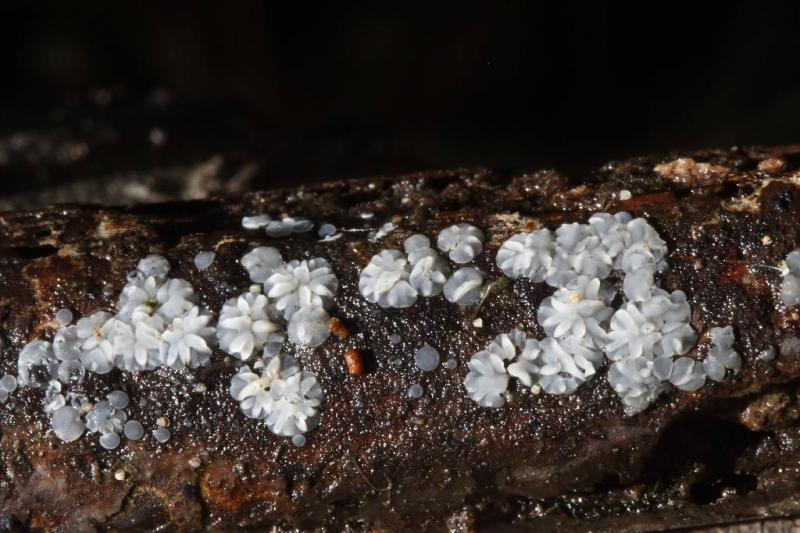
Récolte sur branchette de Castanea dans un ruisseau.
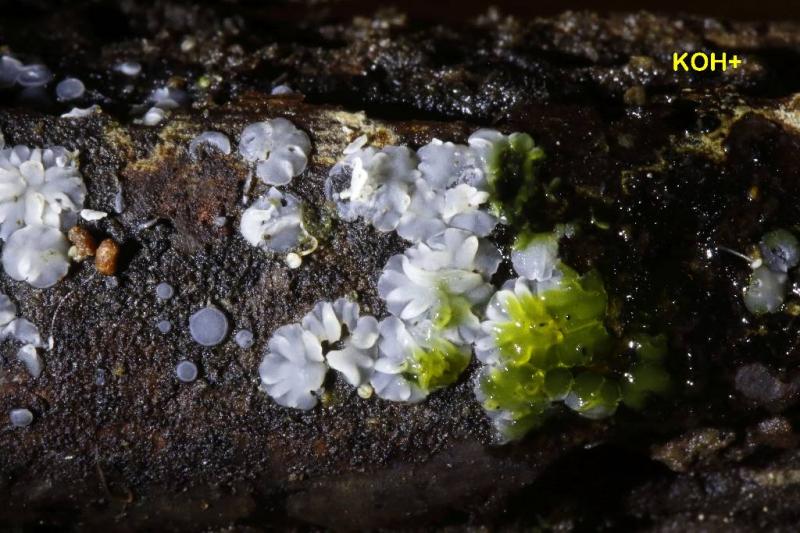
Apothécies : Structure patelliforme nettement plissée à marge plus claire
Couleur dominante des apothécies gris-blanc.
La clé de Andreas Gwinder me conduit directement à Mollisia fusca si l'on considère que le subhyménium est constitué d'hyphes hyalines.
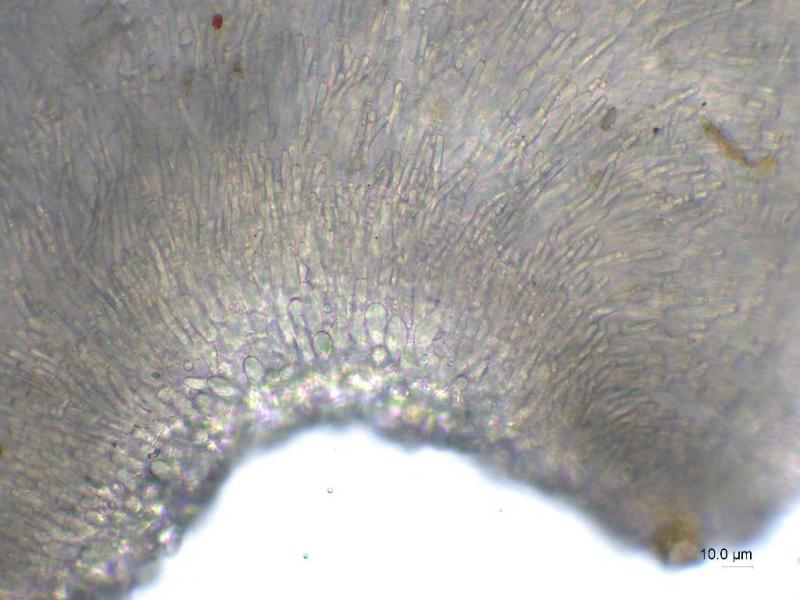
Poils marginaux très courts et peu marqués
KOH+ très nettement
IKI b+
Spores : 9.6-12 x 2.3-2.9 Q=4.2
Oil spores content : 2-3-(4)
Peut-on confirmer cette détermination ?
Salutations
Thierry
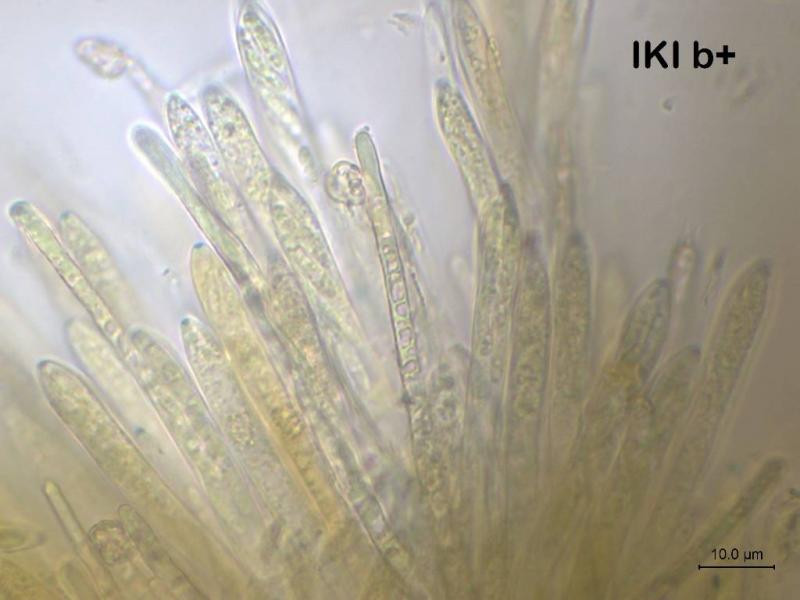
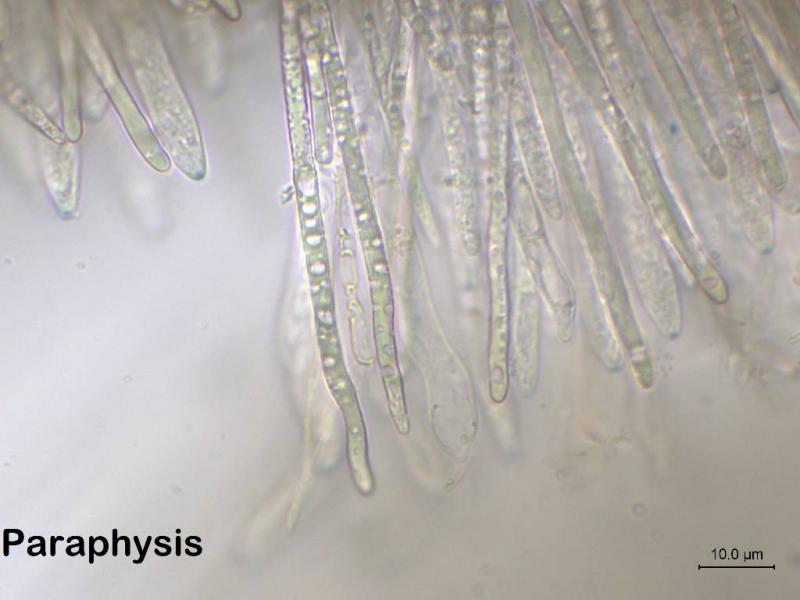
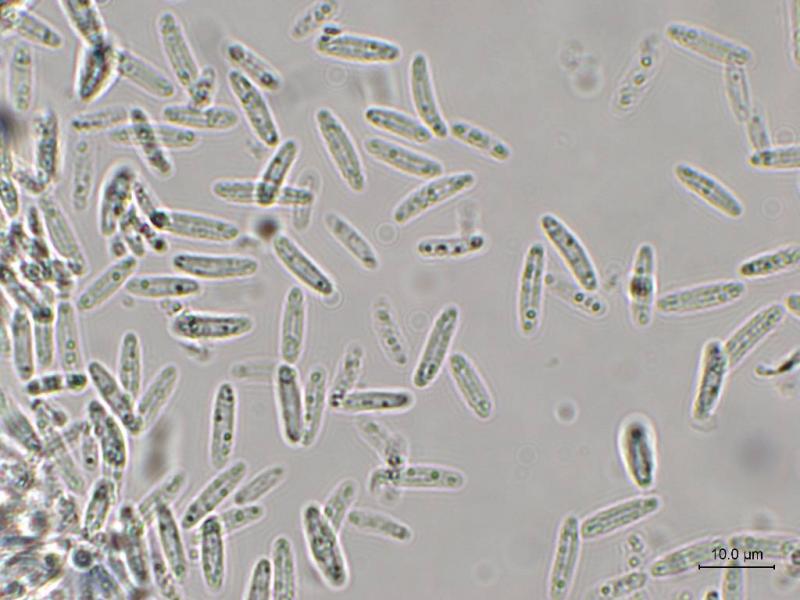
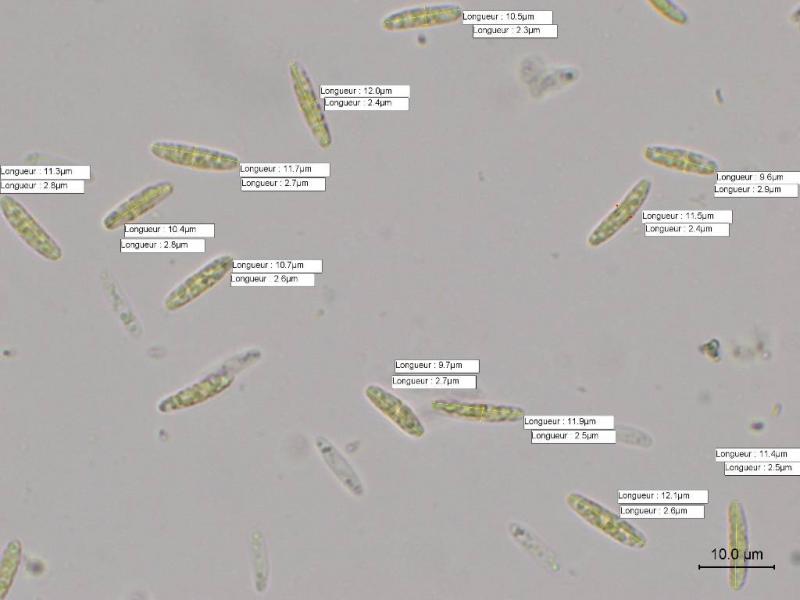
Ingo Wagner,
21-07-2024 11:06

Re : Mollisia fusca ?
Hello Thierry!
"La clé de Andreas Gwinder me conduit directement à Mollisia fusca si l'on considère que le subhyménium est constitué d'hyphes hyalines."
Except for 2 or 3 species of Mollisia, the subhymenium is always hyaline.
"Poils marginaux très courts et peu marqués."
The marginal cells of Mollisia fusca are very distinctive.
Look here the measurment:
https://asco-sonneberg.de/pages/gallery/mollisia-fusca-120728-mcol-0330811.php?group_id=30721&position=111
What about with the subiculum?
In the following picture is it black when wet:
https://asco-sonneberg.de/pages/gallery/mollisia-fusca-120728-06xs30771.php?group_id=30721&position=111
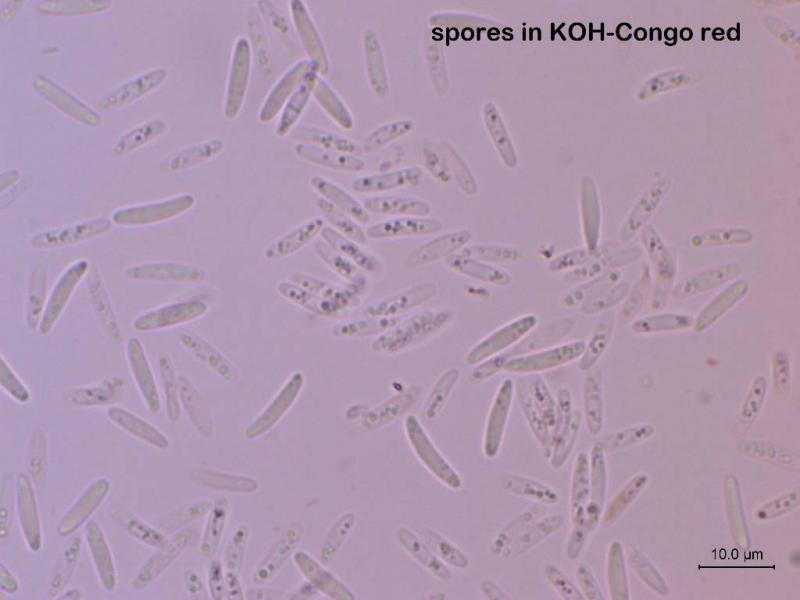
How look the spores after KOH in Congo-Red? Are there septa? Is the OCI in spores realy so high?
Greetings
Ingo
"La clé de Andreas Gwinder me conduit directement à Mollisia fusca si l'on considère que le subhyménium est constitué d'hyphes hyalines."
Except for 2 or 3 species of Mollisia, the subhymenium is always hyaline.
"Poils marginaux très courts et peu marqués."
The marginal cells of Mollisia fusca are very distinctive.
Look here the measurment:
https://asco-sonneberg.de/pages/gallery/mollisia-fusca-120728-mcol-0330811.php?group_id=30721&position=111
What about with the subiculum?
In the following picture is it black when wet:
https://asco-sonneberg.de/pages/gallery/mollisia-fusca-120728-06xs30771.php?group_id=30721&position=111
How look the spores after KOH in Congo-Red? Are there septa? Is the OCI in spores realy so high?
Greetings
Ingo
Thierry Blondelle,
21-07-2024 15:32
Re : Mollisia fusca ?
Hello Ingo,
After more observations, results are following :
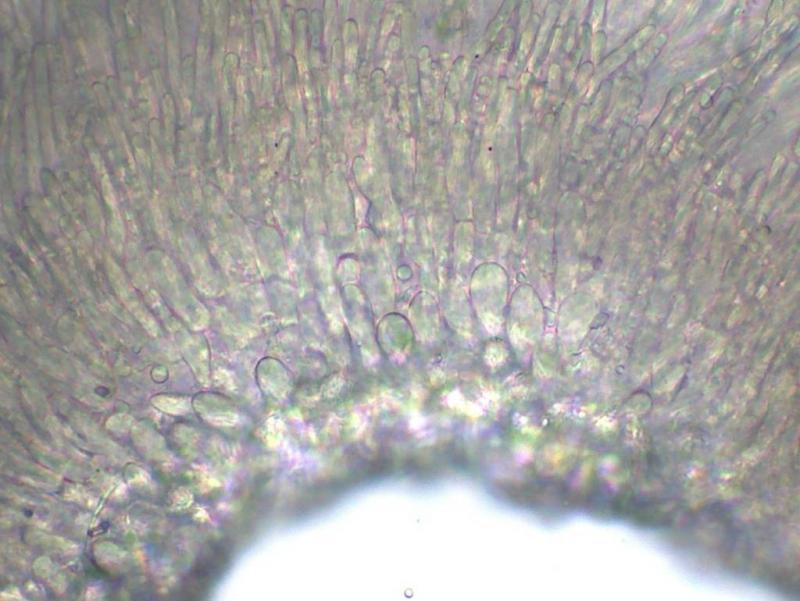
- Marginal cells measurment betwween 14 et 17µm
- Non-septated spores with OCI in the same value I have previousdly announced ( 2-3)
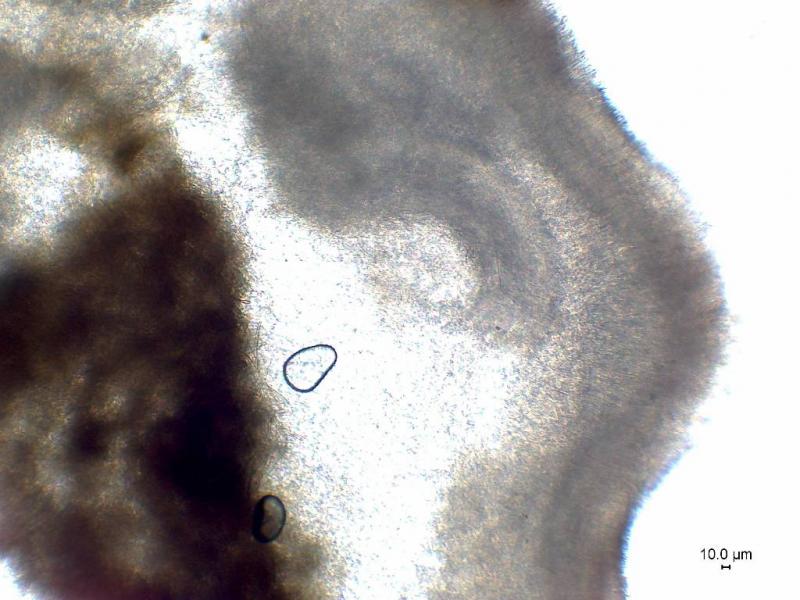
- Decayed bark don't allowed to appreciate the colour of subiculum, rather dark.
Mollisia fusca always fits ?
Regards
After more observations, results are following :
- Marginal cells measurment betwween 14 et 17µm
- Non-septated spores with OCI in the same value I have previousdly announced ( 2-3)
- Decayed bark don't allowed to appreciate the colour of subiculum, rather dark.
Mollisia fusca always fits ?
Regards
Ingo Wagner,
21-07-2024 16:20
Re : Mollisia fusca ?
Hello Thierry!
"- Marginal cells measurment betwween 14 et 17µm"
I would imagine you would find even larger cells if you looked again, also on the flank.
"- Non-septated spores with OCI in the same value I have previousdly announced ( 2-3)"
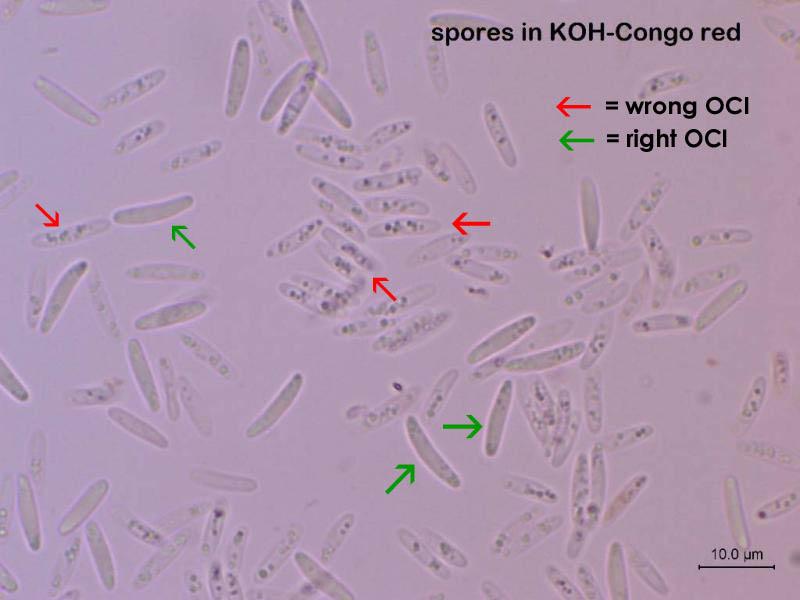
OCI is 1,5-2, look the picture with arrows below.
"- Decayed bark don't allowed to appreciate the colour of subiculum, rather dark."
The color is not important.
The subiculum of Mollisia fusca is strongly developed as a "carpet", the subiculum hyphae are largely thick-walled.
You can easily see this in the microscope on the attachment of the apos, but even between the apos it looks like a carpet of hyphae.
"Mollisia fusca always fits ?"
I think, Mollisia fusca is the best idea in the moment.
Slightly longer spores would be nice.
There are also very similar collections (without a valid name) with weak KOH reaction or OCI 05-1.5 or shorter spores (like in your collection).
Greetings
Ingo
"- Marginal cells measurment betwween 14 et 17µm"
I would imagine you would find even larger cells if you looked again, also on the flank.
"- Non-septated spores with OCI in the same value I have previousdly announced ( 2-3)"
OCI is 1,5-2, look the picture with arrows below.
"- Decayed bark don't allowed to appreciate the colour of subiculum, rather dark."
The color is not important.
The subiculum of Mollisia fusca is strongly developed as a "carpet", the subiculum hyphae are largely thick-walled.
You can easily see this in the microscope on the attachment of the apos, but even between the apos it looks like a carpet of hyphae.
"Mollisia fusca always fits ?"
I think, Mollisia fusca is the best idea in the moment.
Slightly longer spores would be nice.
There are also very similar collections (without a valid name) with weak KOH reaction or OCI 05-1.5 or shorter spores (like in your collection).
Greetings
Ingo
Thierry Blondelle,
21-07-2024 17:58
Re : Mollisia fusca ?
Thanks Ingo. It's now clearier for me to read an OCI.