
10-06-2026 21:16
 François Freléchoux
Bonsoir,Le dernier du jour, en attendant votre avi
11-06-2026 19:01
 William Slosse
Hello all,In an attempt to make a culture of a sus
11-06-2026 19:03
 Nicolas VAN VOOREN
Chers membres d'Ascofrance,Le site sera placé en

09-06-2026 18:32
Camille MertensSur morceau de roseau immergé 0,5 - 0,7 mm de dia
10-06-2026 12:54
Steve ClementsBonjour encore, Pouvez-vous m'aider, s'il vous pl
10-06-2026 21:07
François Freléchoux
Toutes les tiges de gentianes jaunes de l'an passÃ
10-06-2026 13:41
François Freléchoux
Bonjour à nouveau, Voici une trouvaille d'hier.
10-06-2026 11:53
Steve ClementsBonjour, This disco is abundant on dead stems of
Hamatocanthoscypha conincola
Zuzana Sochorová (Egertová),
13-07-2024 19:50
 Hello,
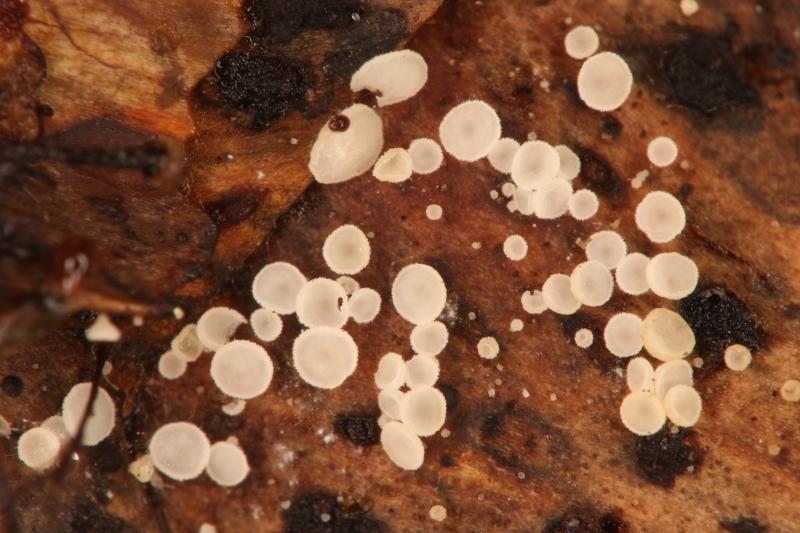
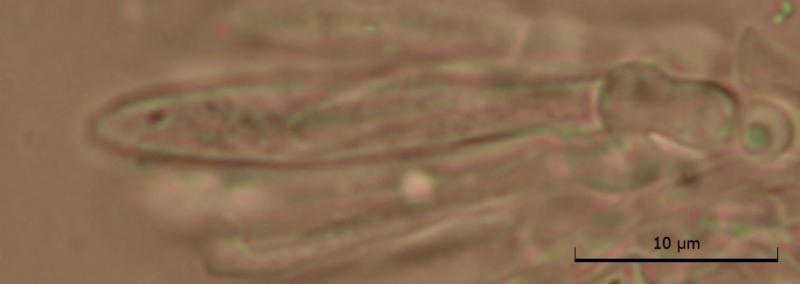
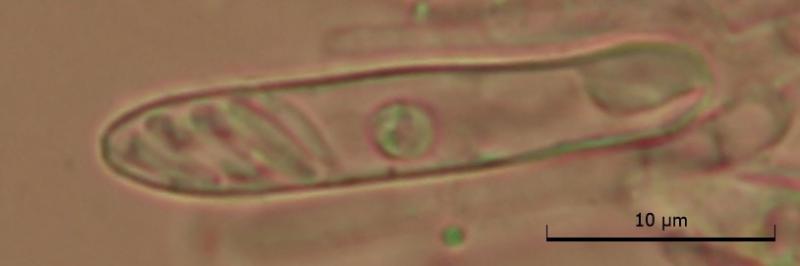
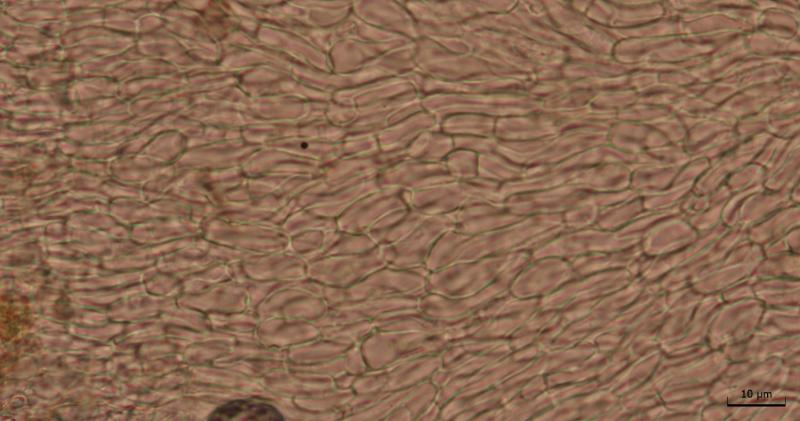
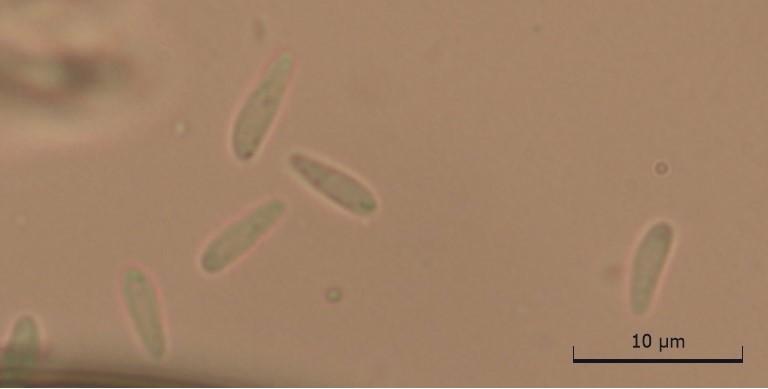
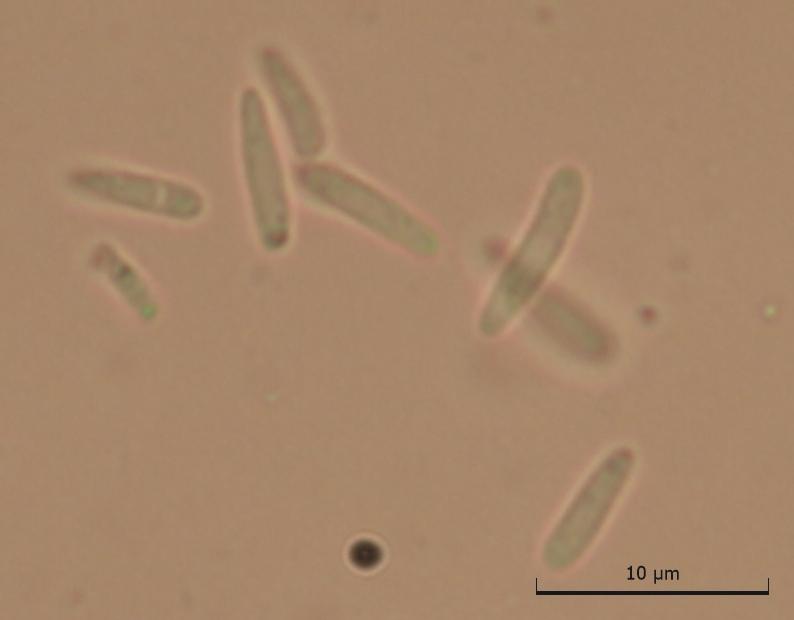
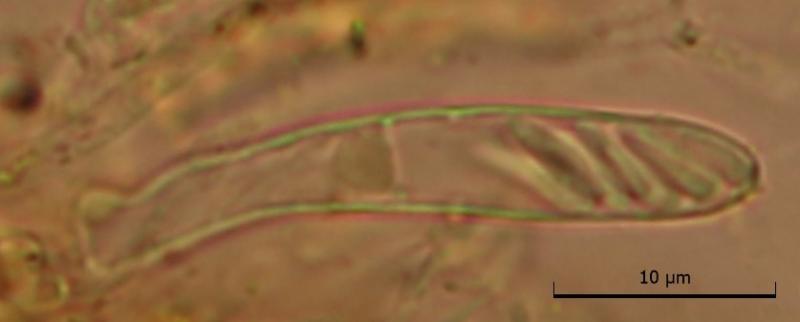
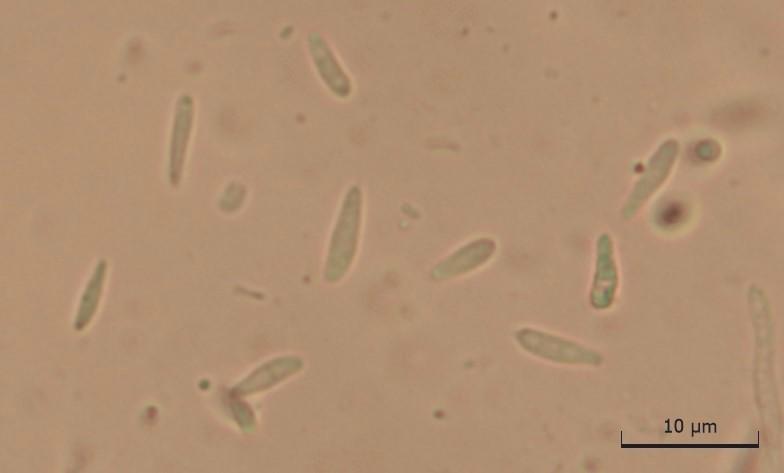
I have identified this fungus as Hamatocanthoscypha conincola, although the ascospores are slightly longer than usually - (5.3)5.4-7.1(8.1) × (1.5)1.6-2 µm, Q = (2.8)3.1-4.5 (4.9), n = 25.
Me = 6.3 × 1.7 µm; Qe = 3.6
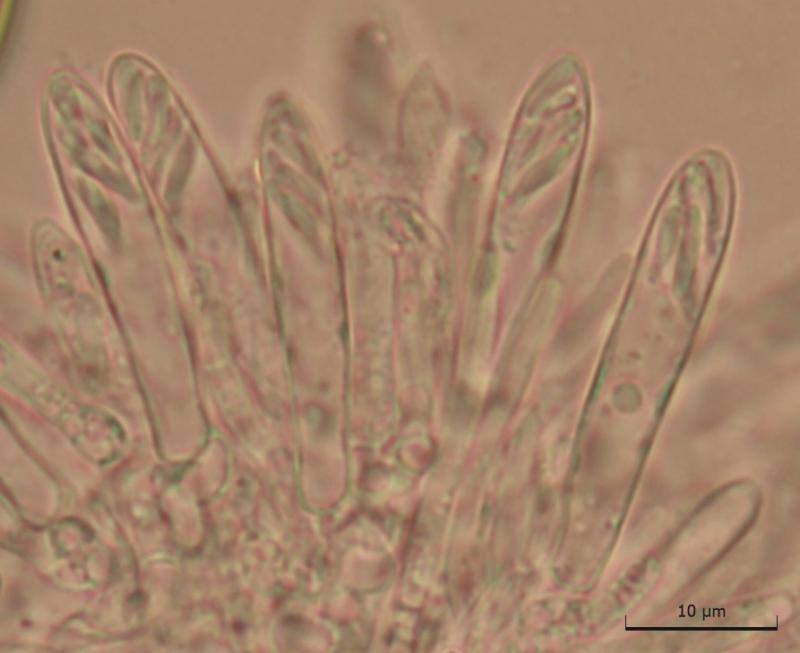
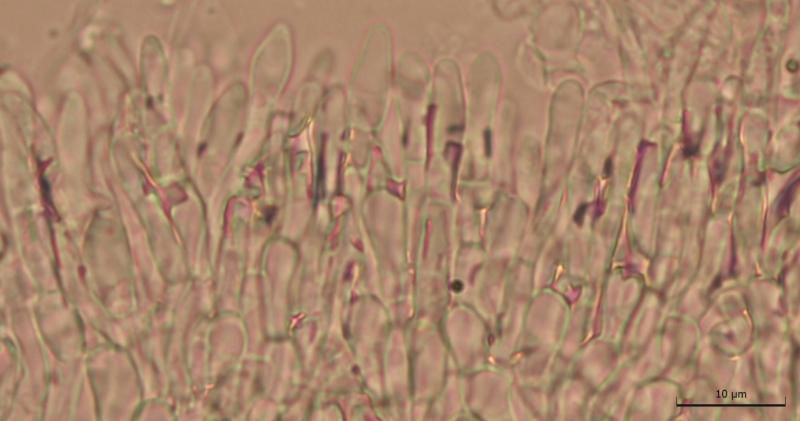
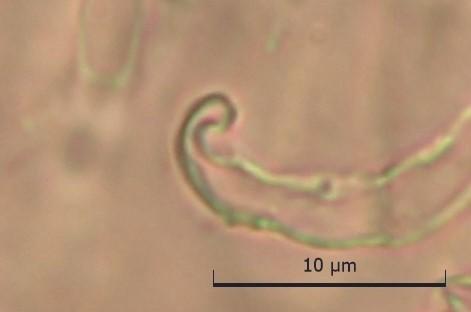
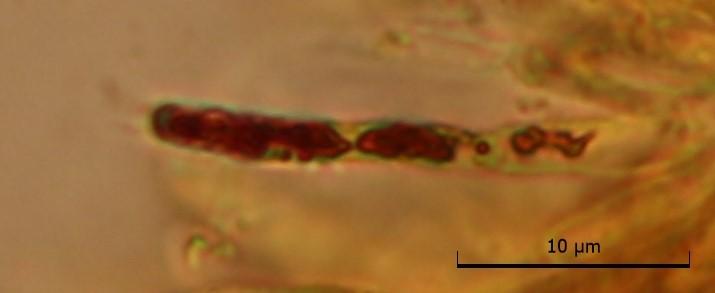
Asci 25.8-31.1 × 4.4-5.1 µm, IKI bb, H+.
Would you agree with the identification?
I can see that Svr?ek gives "porus not amyloid" for the neotype collection. However, collections presented here or in other reliable webs have amyloid pore. Why it is? Did anyone revise the neotype?
Zuzana
Zuzana Sochorová (Egertová),
13-07-2024 19:54
Re : Hamatocanthoscypha conincola
part 2
Zuzana Sochorová (Egertová),
13-07-2024 19:56
Re : Hamatocanthoscypha conincola
part 3
Ingo Wagner,
13-07-2024 20:25

Re : Hamatocanthoscypha conincola
Hello Zuzana?
What is the date of the find and what is the substrate?
Greetings
Ingo
What is the date of the find and what is the substrate?
Greetings
Ingo
Zuzana Sochorová (Egertová),
13-07-2024 20:31
Re : Hamatocanthoscypha conincola
Hi Ingo,
substrate is a cone of Picea abies and it was collected two days ago (11th July 2024).
Zuzana
substrate is a cone of Picea abies and it was collected two days ago (11th July 2024).
Zuzana
Ingo Wagner,
13-07-2024 20:54
Re : Hamatocanthoscypha conincola
Hello Zuzana!
I would believe your determination.
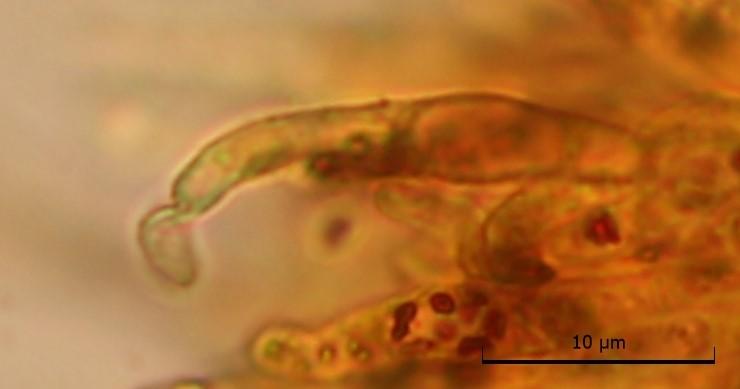
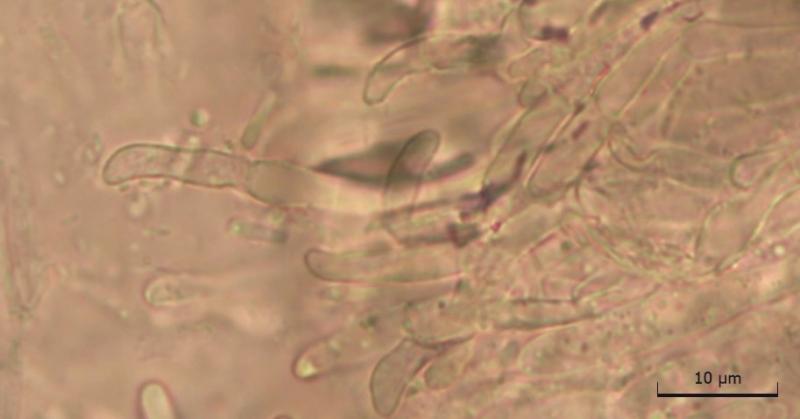
Quite typical for this species are the blunt, curved hairs mainly on the flank, less directly on the margin.
The spores that are too long are probably not freshly shot.
Greetings
Ingo
Zuzana Sochorová (Egertová),
14-07-2024 08:30
Re : Hamatocanthoscypha conincola
Thank you, Ingo.
Do you understand how is it possible that Svrcek describes inamyloid asci, while today we identity as Psilocistella/Hamatocanthoscypha conincola species with amyloid asci (both on Picea and Pinus cones)?
Zuzana
Do you understand how is it possible that Svrcek describes inamyloid asci, while today we identity as Psilocistella/Hamatocanthoscypha conincola species with amyloid asci (both on Picea and Pinus cones)?
Zuzana
Ingo Wagner,
14-07-2024 13:18
Re : Hamatocanthoscypha conincola
Hello Zuzana!
I can't say, in my opinion it is a mistake.
Greetings
Ingo
I can't say, in my opinion it is a mistake.
Greetings
Ingo