
11-06-2026 19:01
 William Slosse
Hello all,In an attempt to make a culture of a sus

09-06-2026 18:32
Camille MertensSur morceau de roseau immergé 0,5 - 0,7 mm de dia
10-06-2026 12:54
Steve ClementsBonjour encore, Pouvez-vous m'aider, s'il vous pl
10-06-2026 21:16
 François Freléchoux
Bonsoir,Le dernier du jour, en attendant votre avi
10-06-2026 21:07
François Freléchoux
Toutes les tiges de gentianes jaunes de l'an passÃ
10-06-2026 13:41
François Freléchoux
Bonjour à nouveau, Voici une trouvaille d'hier.
10-06-2026 11:53
Steve ClementsBonjour, This disco is abundant on dead stems of
10-06-2026 10:45
François Freléchoux
Bonjour à nouveau, Encore une détermination qui
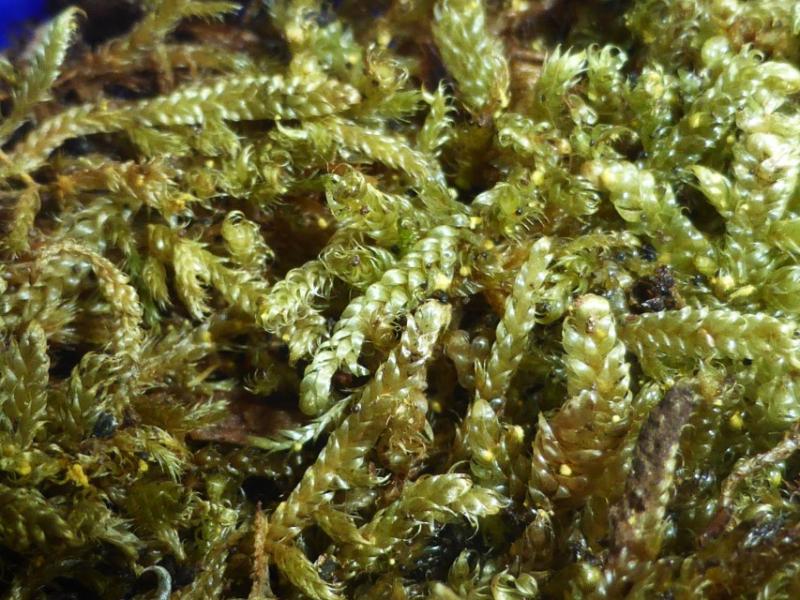
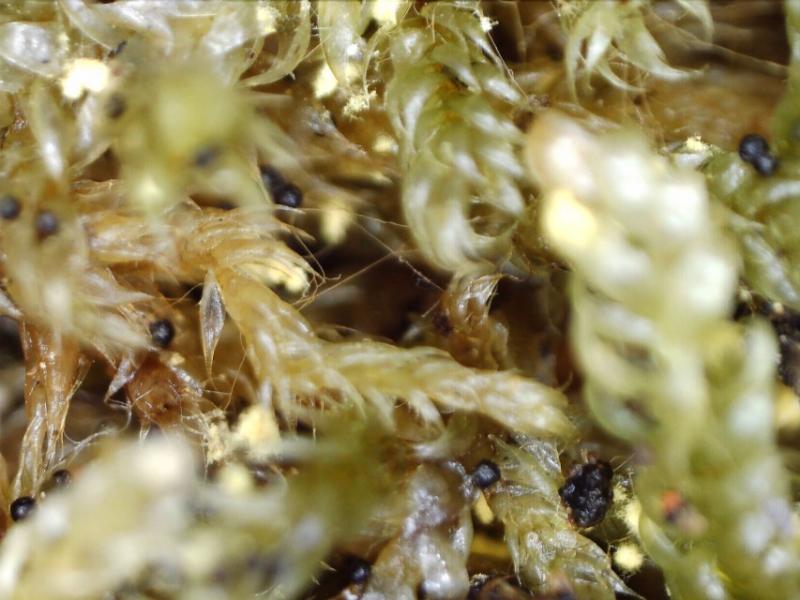
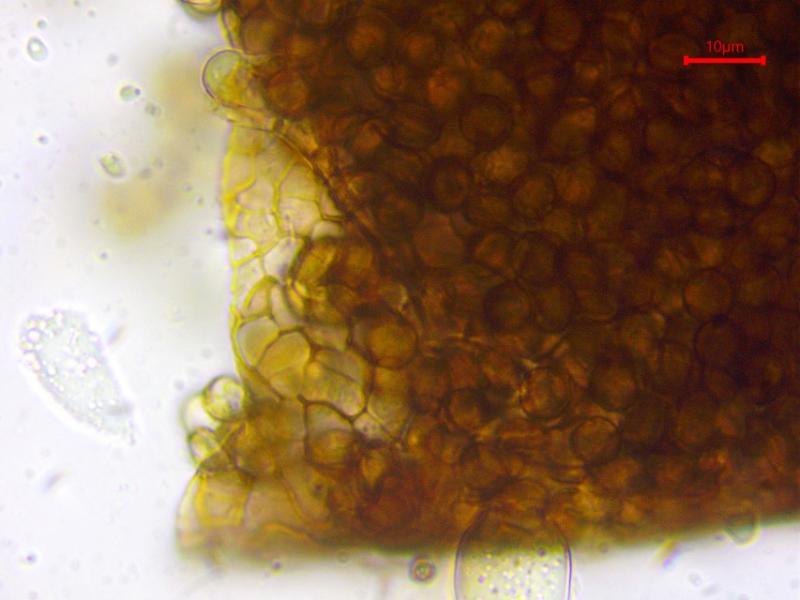
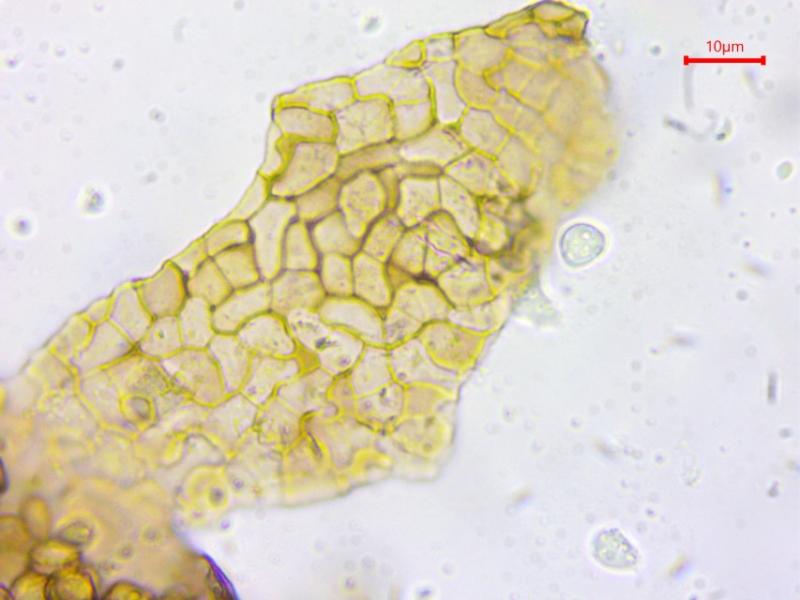
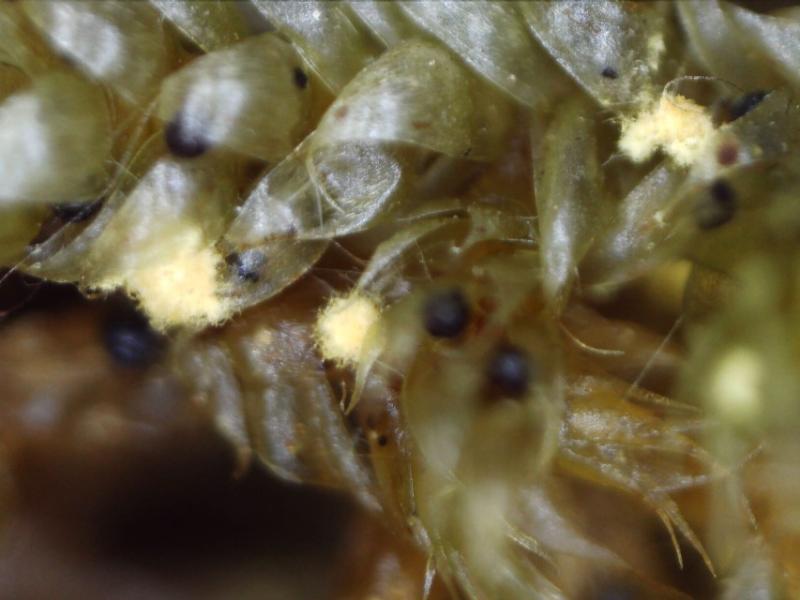
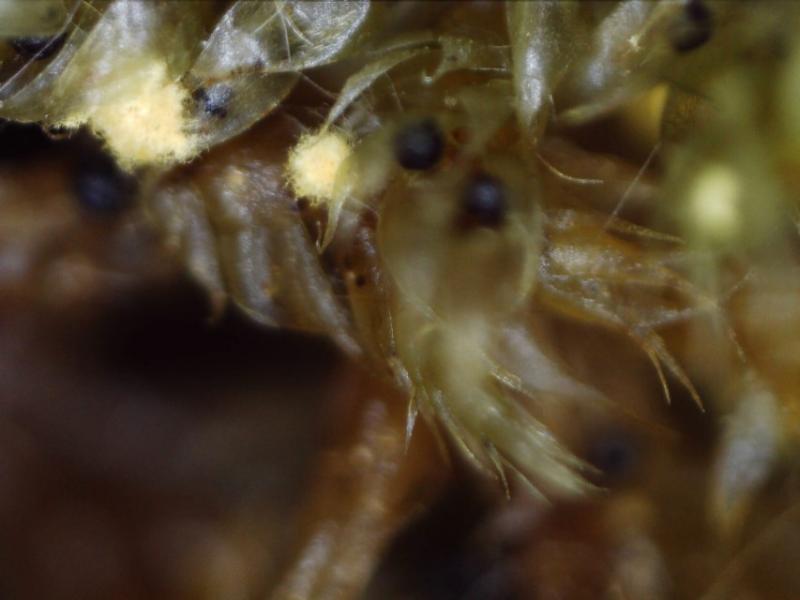
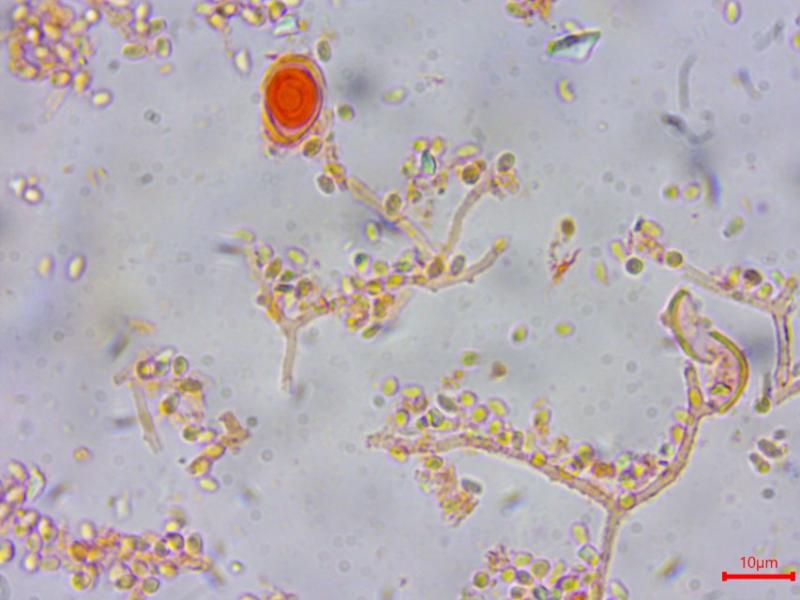
 on 26.10.2023 I found a yellow mould growing on the moss Hypnum cupressiforme in the Bavarian Forest (Germany). I only noticed it because I looked for Luteodiscus and something like this, and because of its nice yellow cushions I decided to take it with me. Only at home, under the bino, I noticed that there were small blackish brown spheres, and so my first preparation was this.
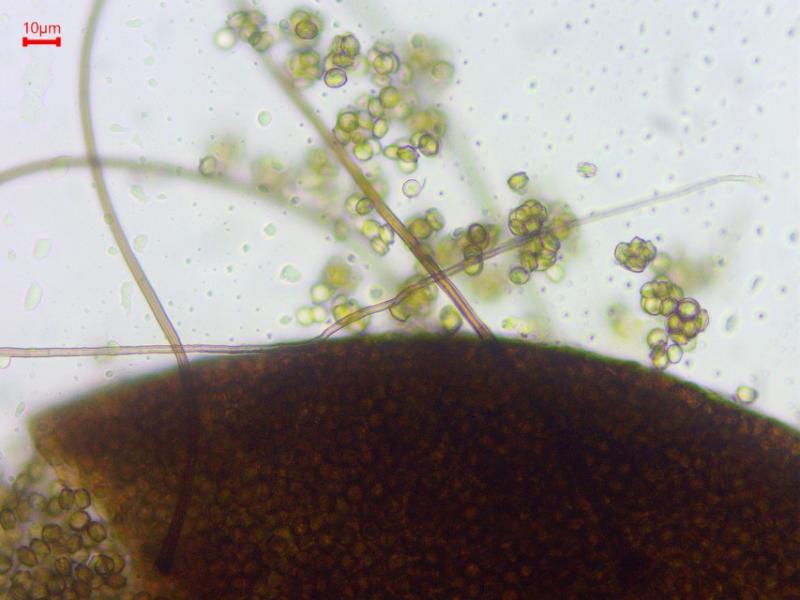
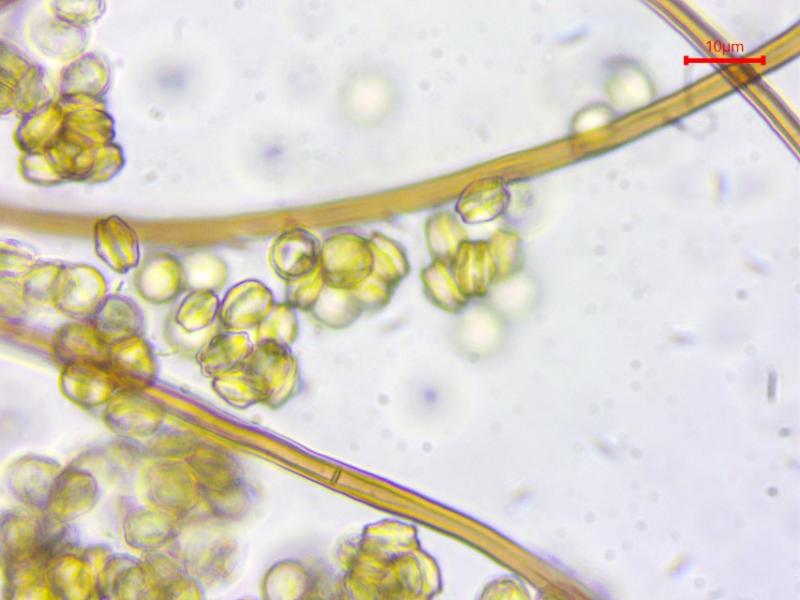
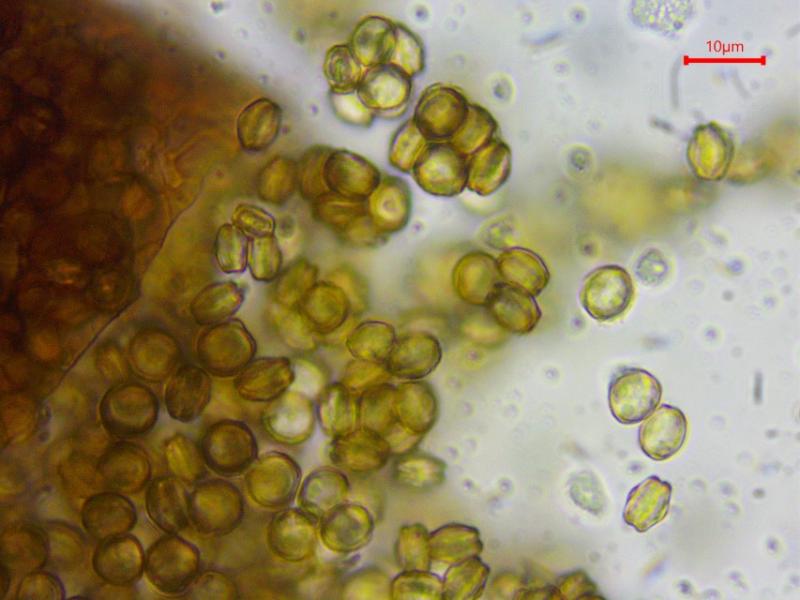
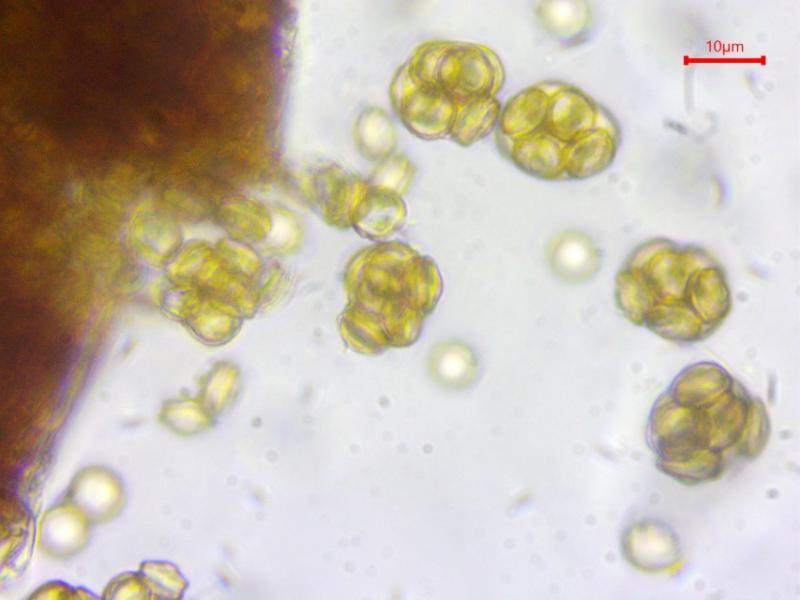
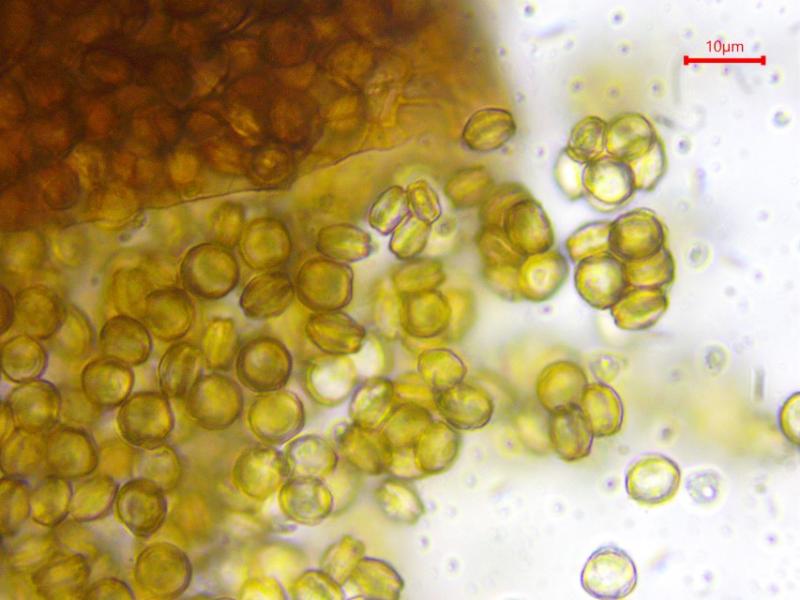
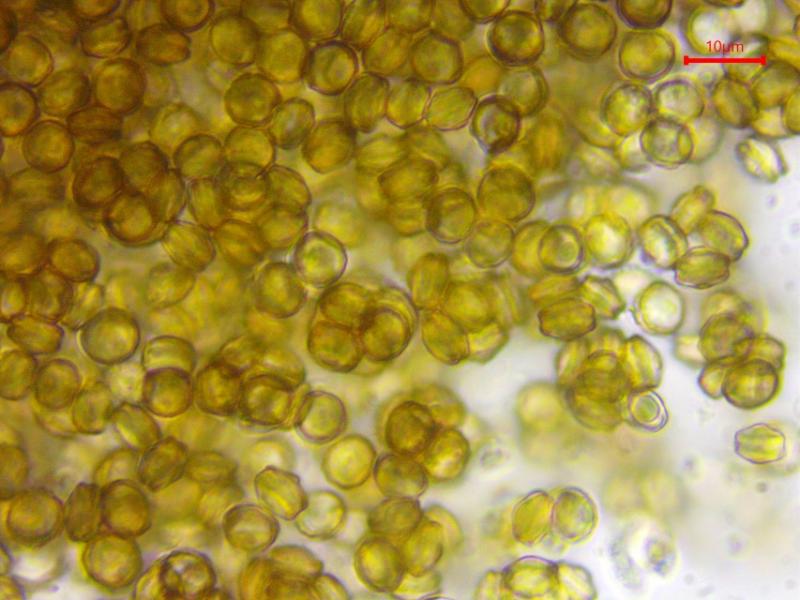
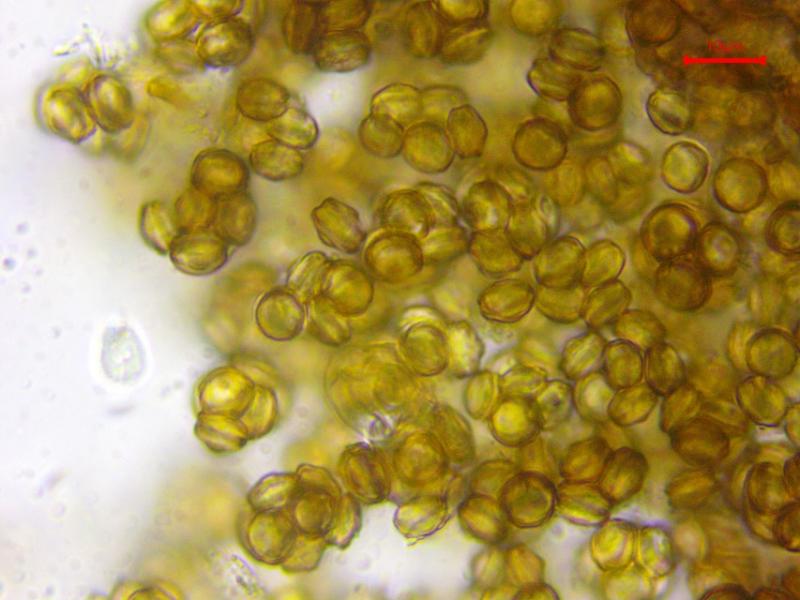
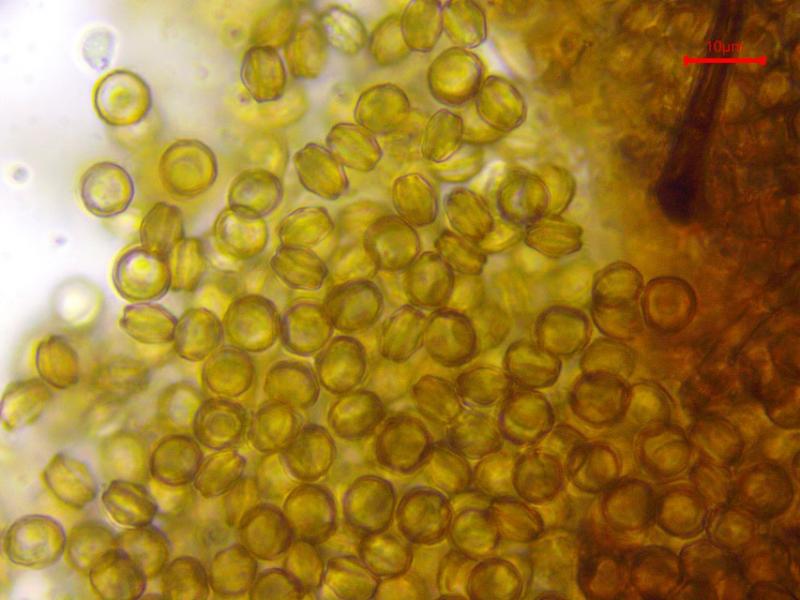
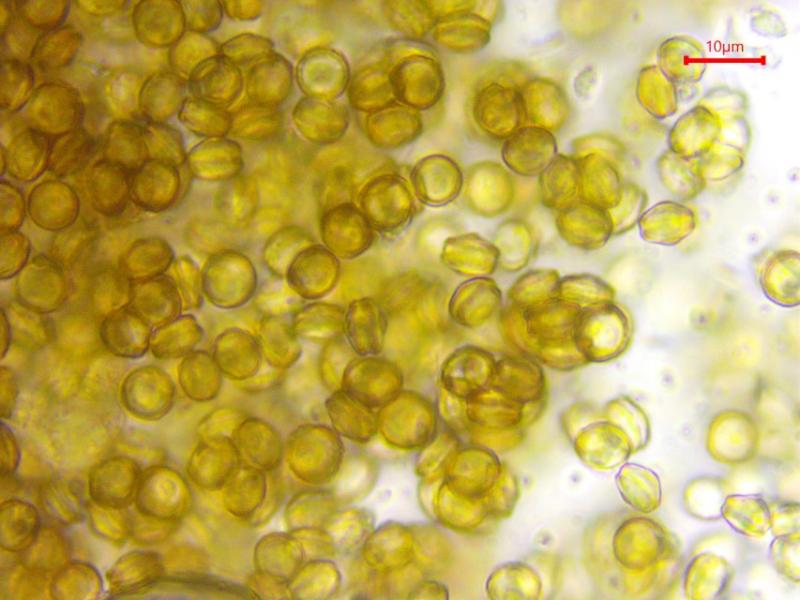
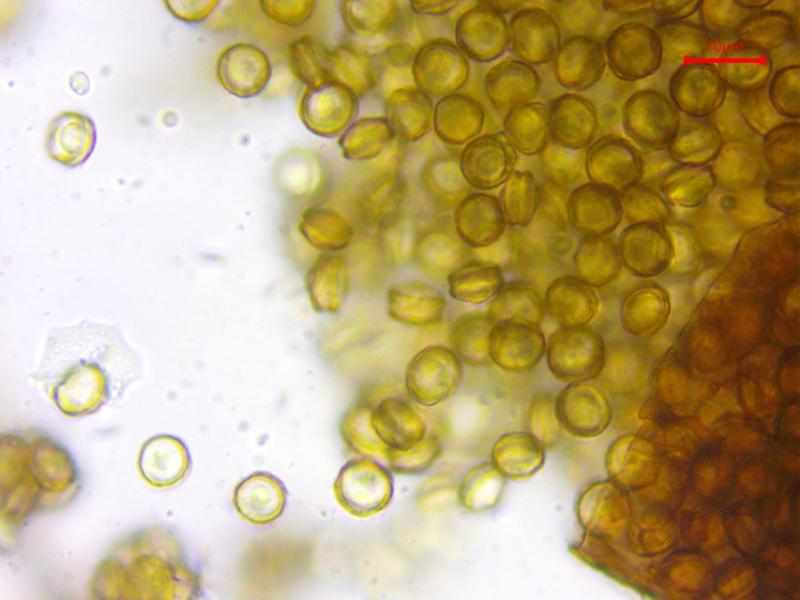
The roundish asci and the peculiar form of the spores (like a burger) guided me to the order Eurotiales.
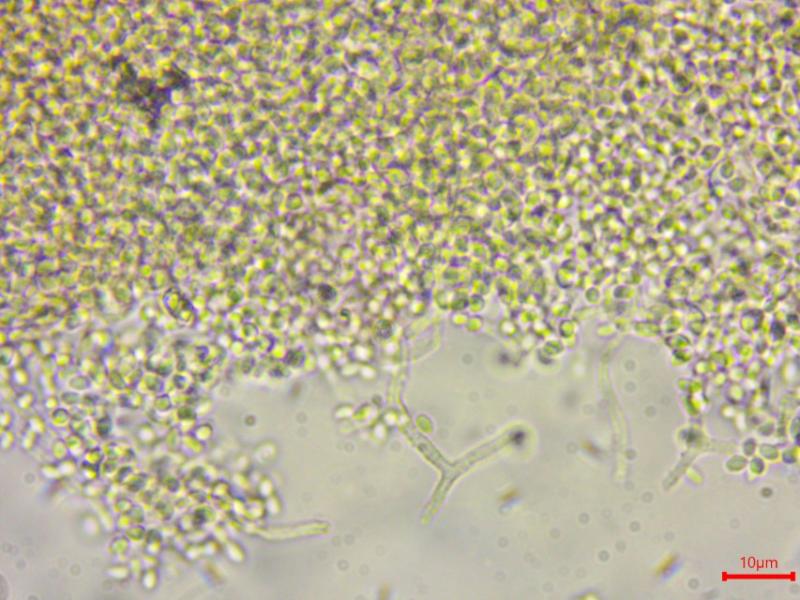
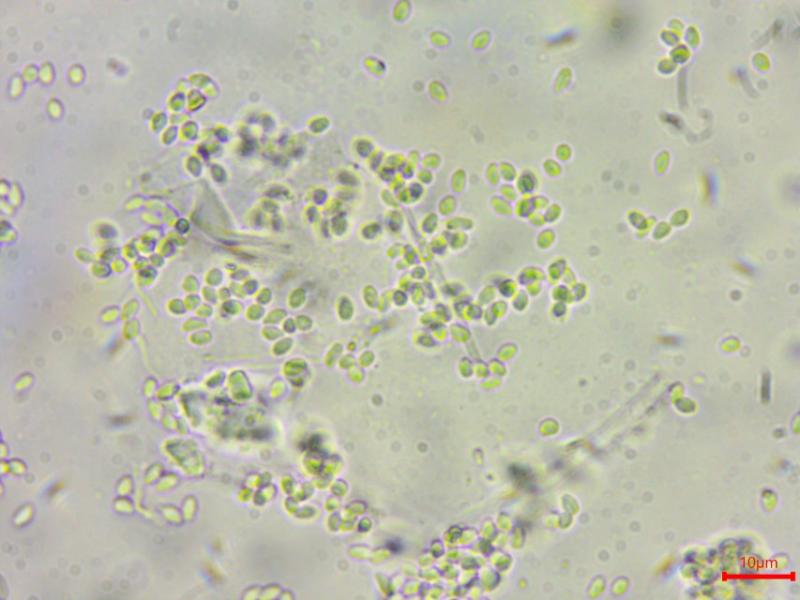
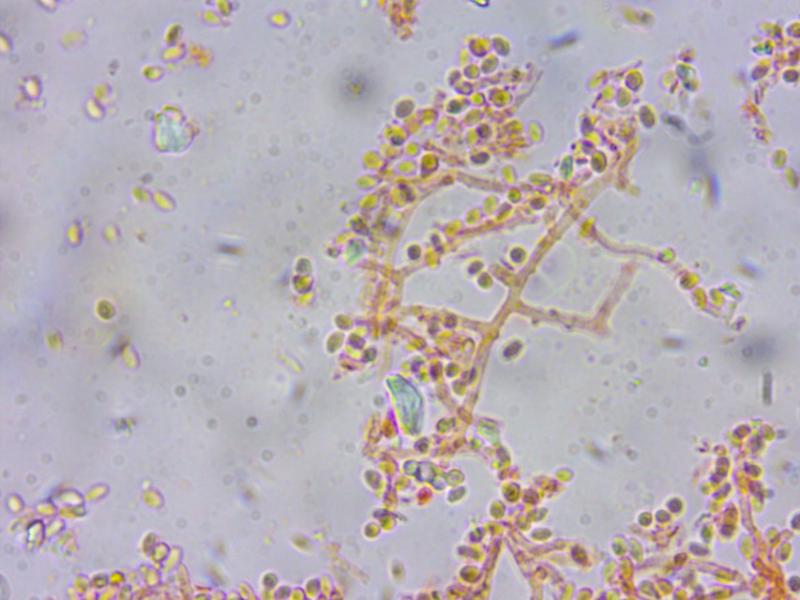
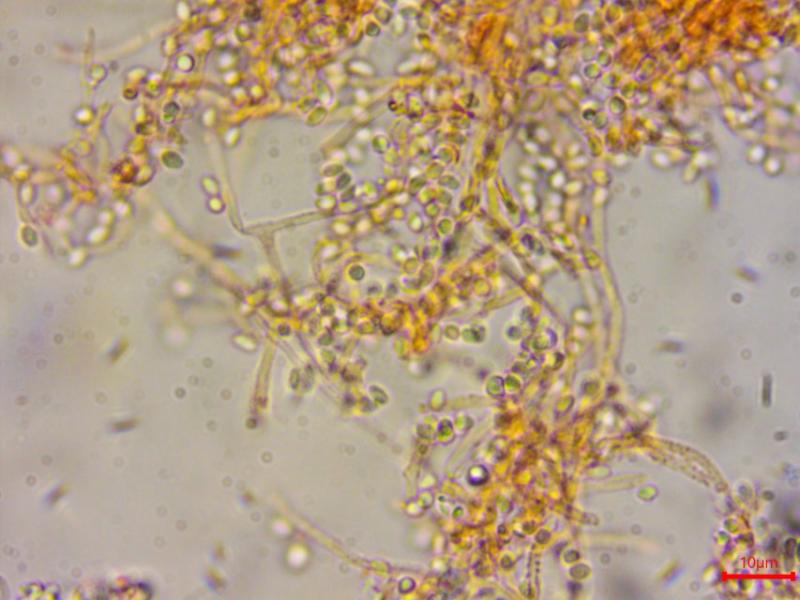
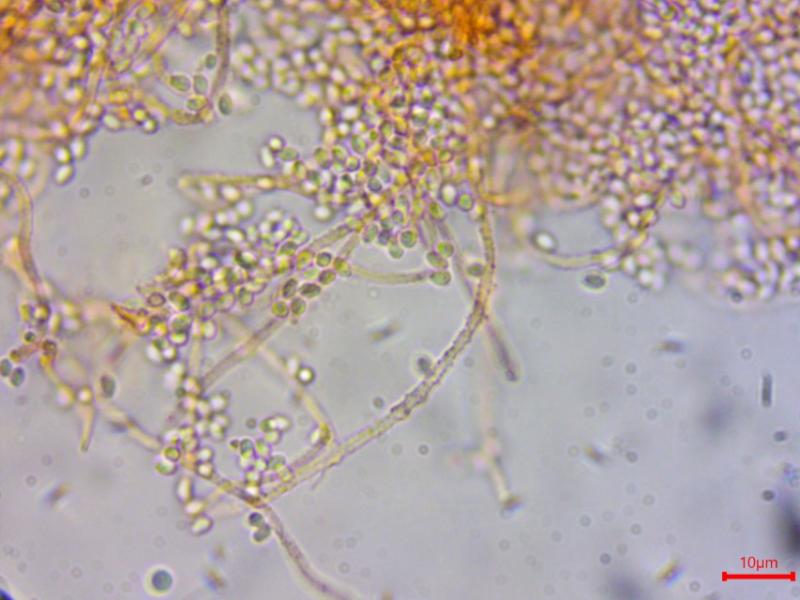
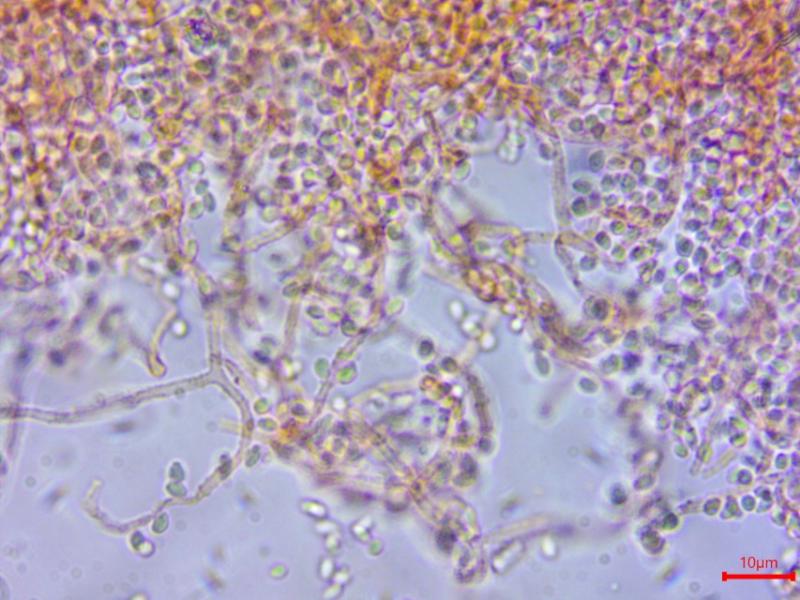
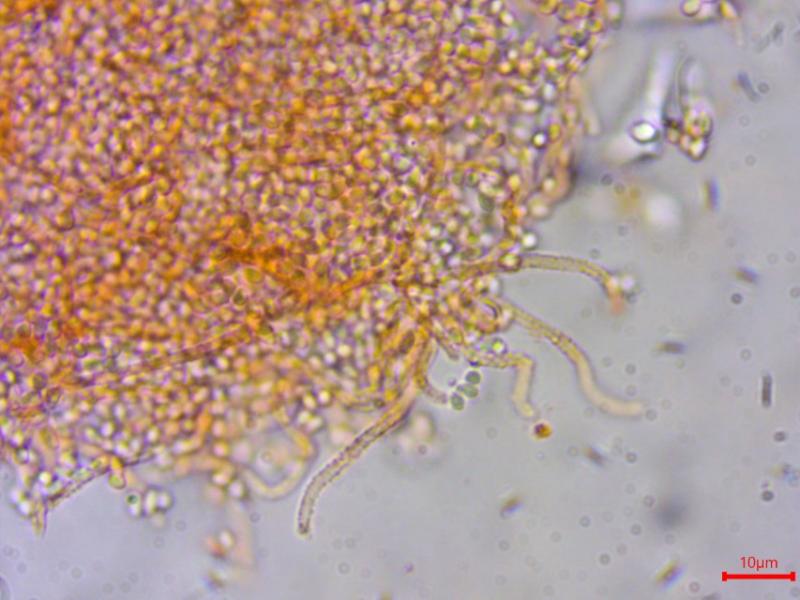
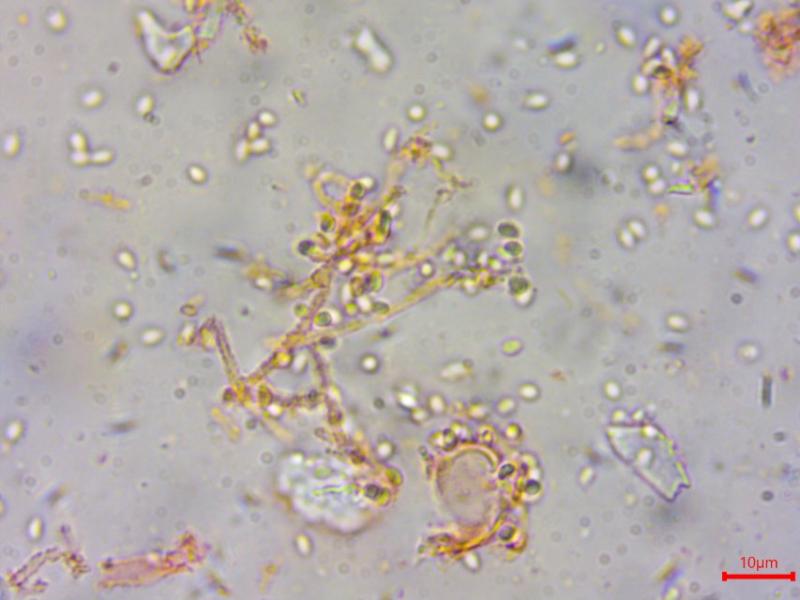
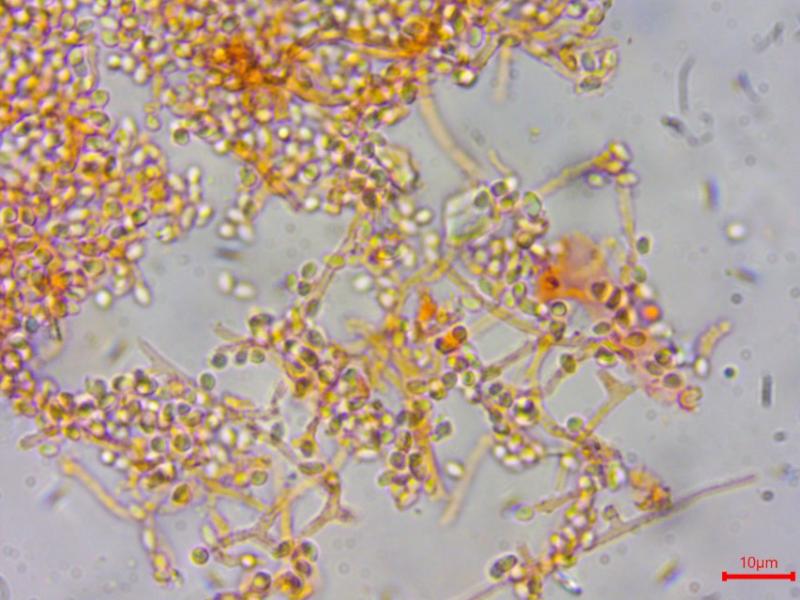
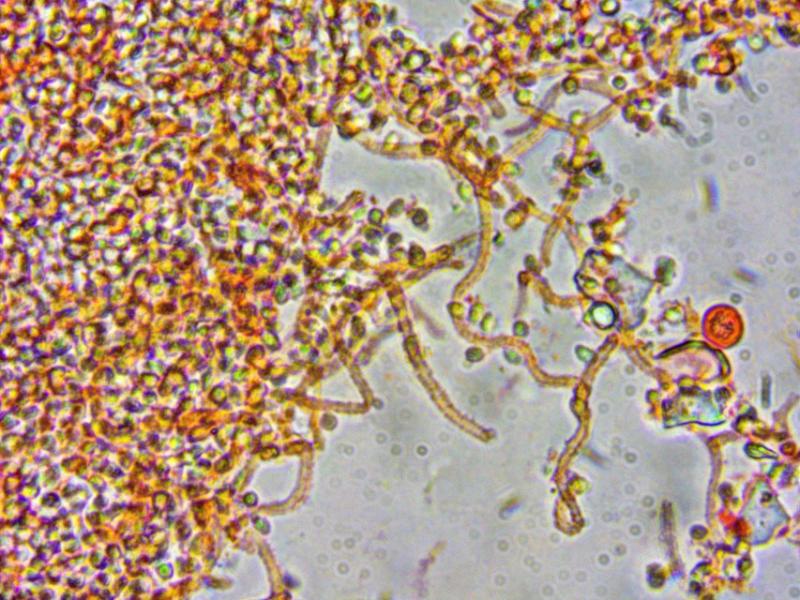
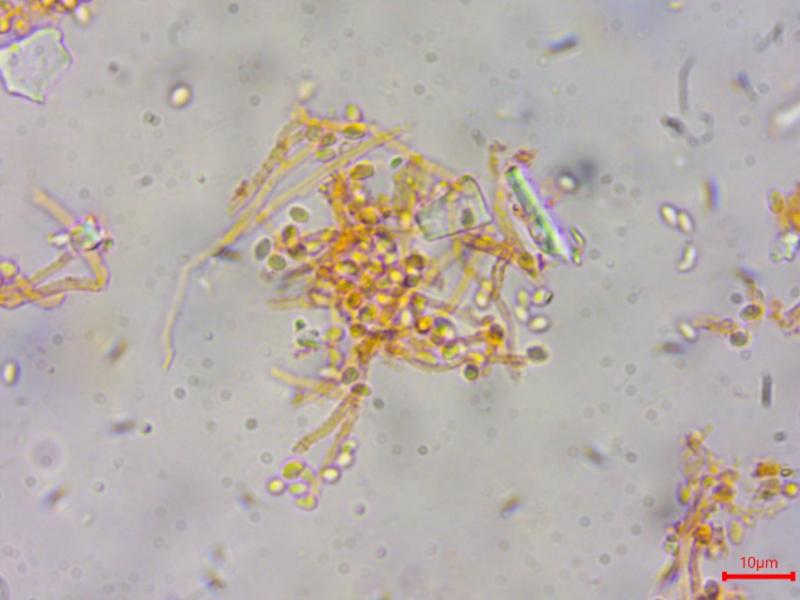
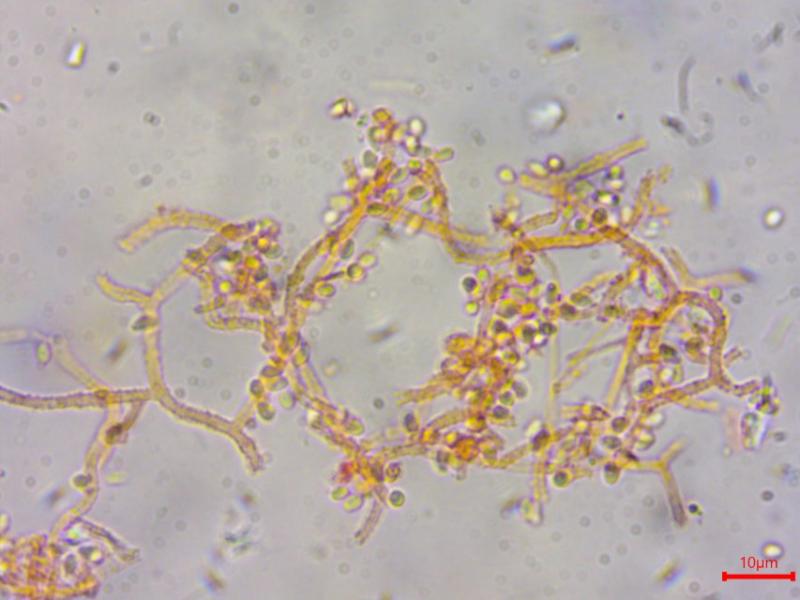
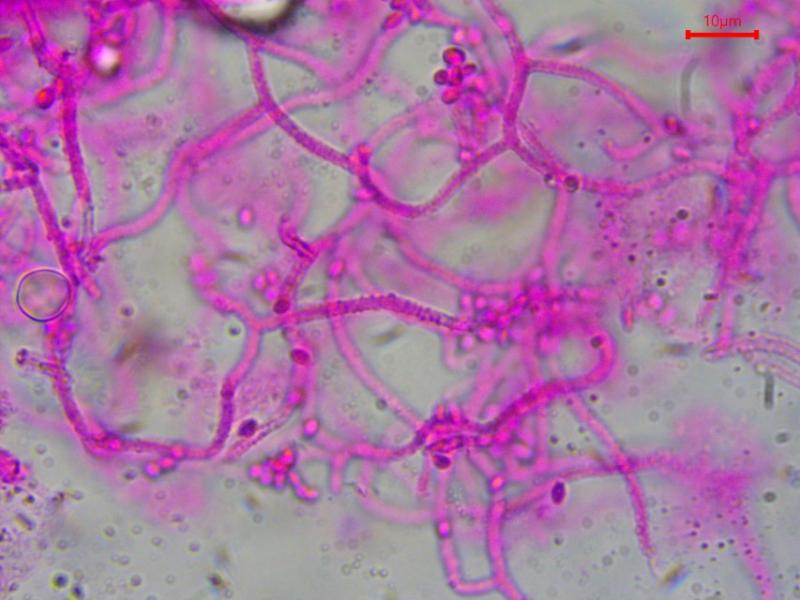
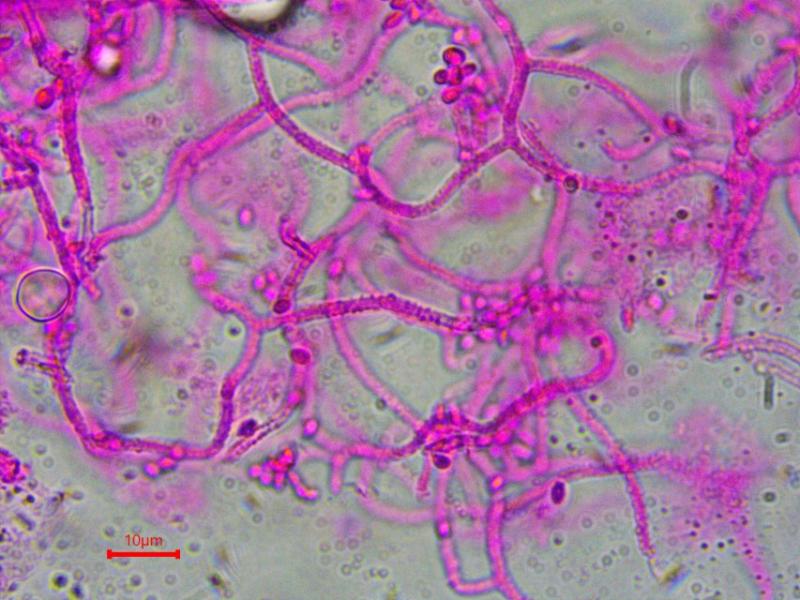
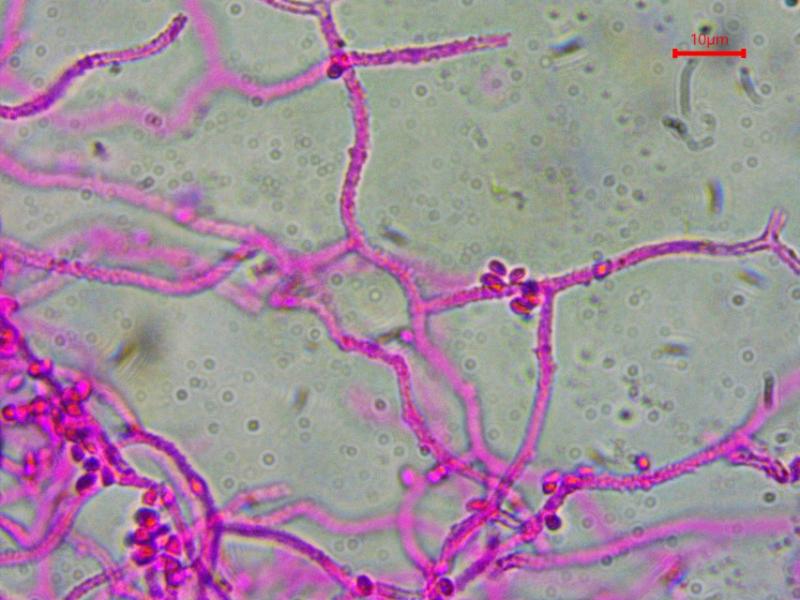
So - I hoped the yellow mould would be a Penicillium or Aspergillus, but it does not at all look this way. The curled hyphae (sporophores) are finely warted, the spores very small.
David Malloch who I contacted in December was so kind to provide me with diverse literature on this topic. But I fear I have no good result - at least not for the premise that teleomorph and yellow anamorph belong together.
Possibly they don't.
Who has thoughts that can bring me further?
Yours, Lothar
(1 collection - 2 detail teleomorph - 3-14 micros teleomorph in KOH j- 15,16 detail of anamorph (and teleomorph) - 17-18 micros anamorph in KOH - 19-29 micros anamorph in Kongo-NH3 - 30-35 micros anamorph in KOH plus Phloxin
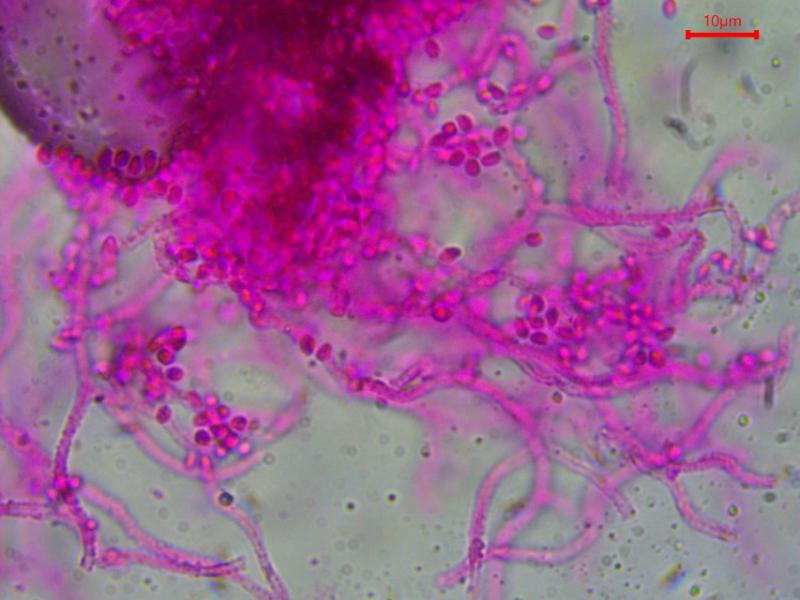
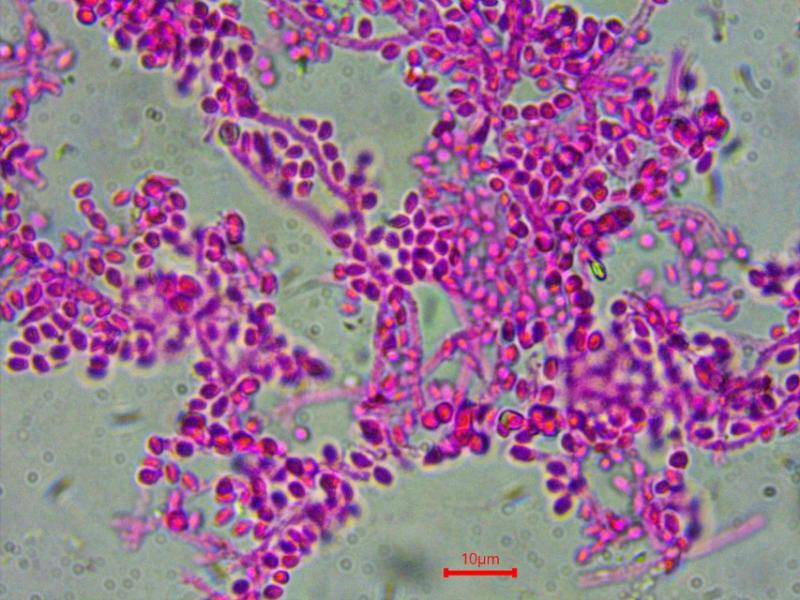
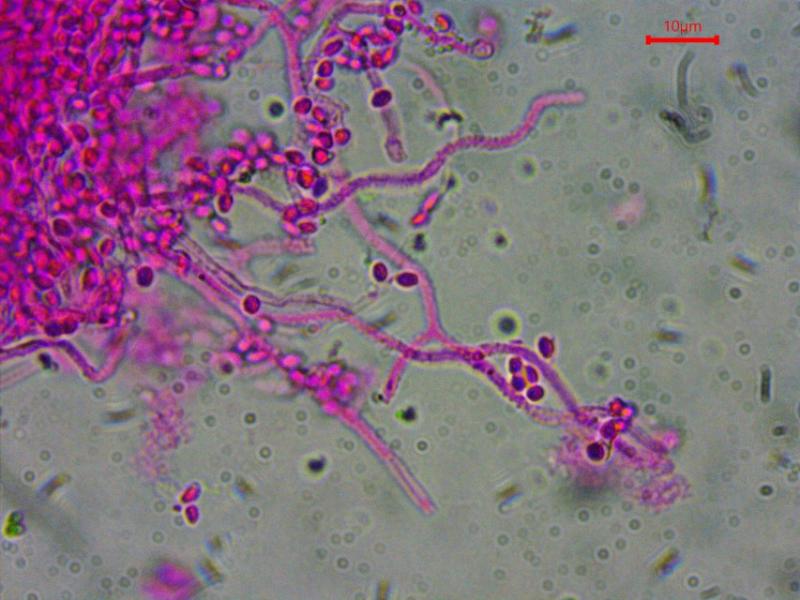

thank you very much for your very quick and detailed response!
I am not able nor have the opportunity to make cultures. So - if you want I can send you the specimen. It is not copious, and I don`t know if it is still alive for culturing. Likely, I heated it for drying (? - I do not remember).
I am quite sure that the spores of the yellow "mould" are conidia, at least no ascospores.
Perhaps again write to me here how we could go on: lkrieglsteiner@t-online.de
Best regards, Lothar