09-06-2026 18:32
Camille MertensSur morceau de roseau immergé 0,5 - 0,7 mm de dia
08-06-2026 10:16
 Spooren Marco
I don`t have a clou about this fungus,it is not in
08-06-2026 17:00
François BartholomeeusenGood day everyone, On June 5 2026, I collected de
07-06-2026 15:10
 William Slosse
Hello everyone,On 05-06-26, I found following asco
05-06-2026 11:02
Thomas Læssøehttps://svampe.databasen.org/observations/10596691
07-06-2026 12:09
 François Freléchoux
Bonjour, Voici une brève description de ce qui m
07-06-2026 12:43
Steve ClementsBojour. This was a strange find on a stick on my
12-07-2015 00:05
 Nedim Jukic
This one from the same locality as the previous on
06-06-2026 17:44
Steve ClementsBonjour, This disco was on planed wood 3 x 1.5 cm
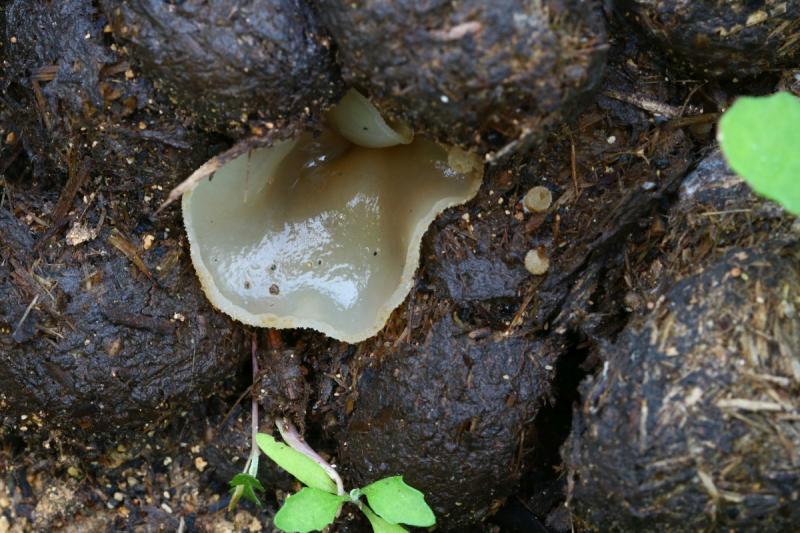
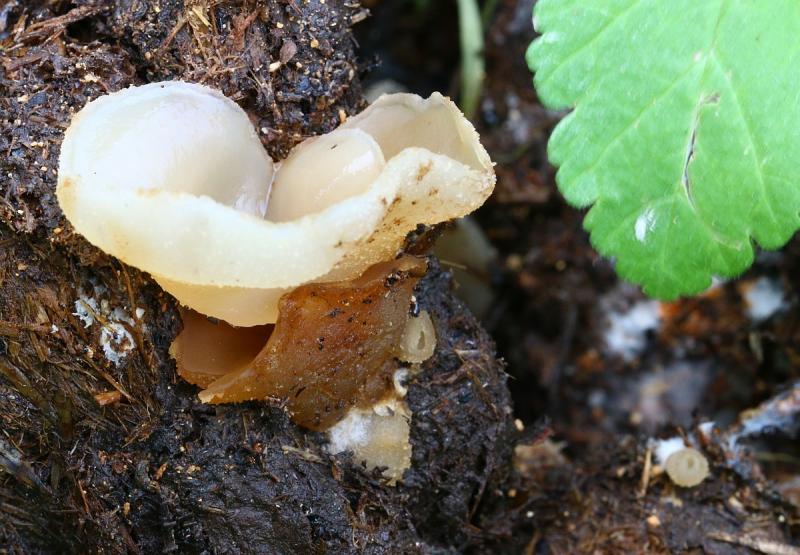
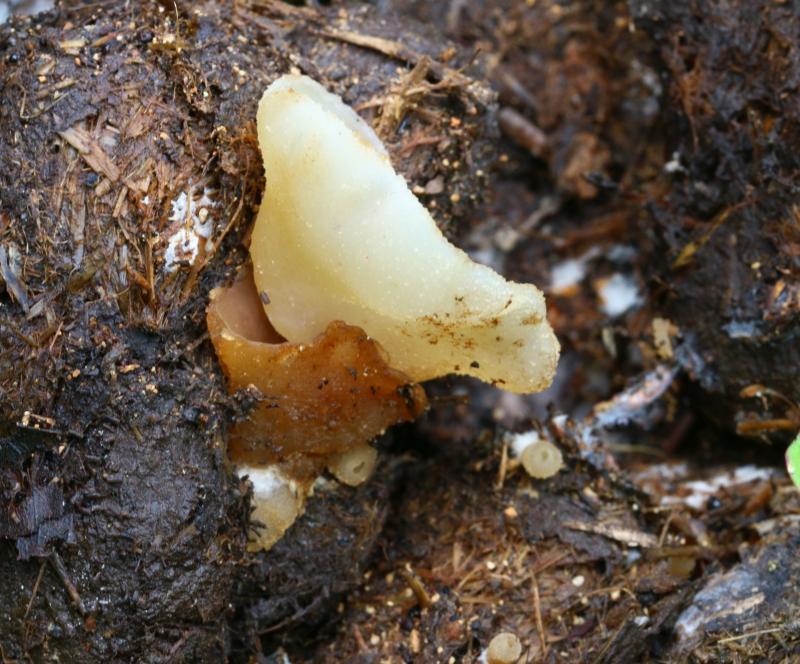
Pezizaceae on horse dung (vesiculosa maybe)
Stephen Martin Mifsud,
09-11-2021 19:30
 I was thinking about Peziza vesiculosa, but I am not so sure. I have a sample and can perform some micro examination if neccessary. I remember that I have seen P. vesiculosa on excreta of animals in the past several times so maybe I am right. Confirmation of the species (or not ) is appraciated ;-)
Nicolas VAN VOOREN,
10-11-2021 07:45

Re : Pezizaceae on horse dung (vesiculosa maybe)
Microcharacters are required
Stephen Martin Mifsud,
10-11-2021 21:29
Re : Pezizaceae on horse dung (vesiculosa maybe)
Yeah correct, I tried to short cut some work ;-).
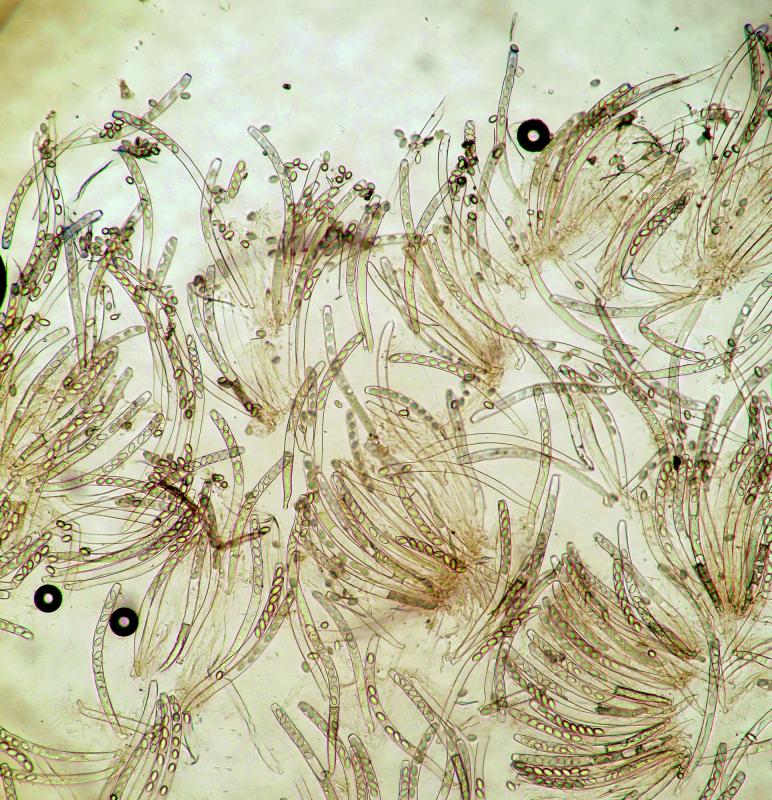
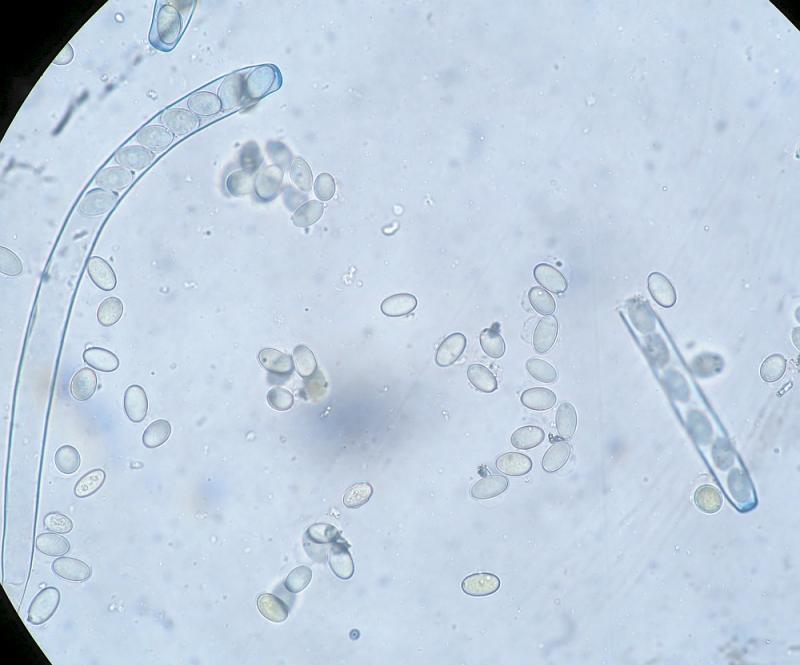
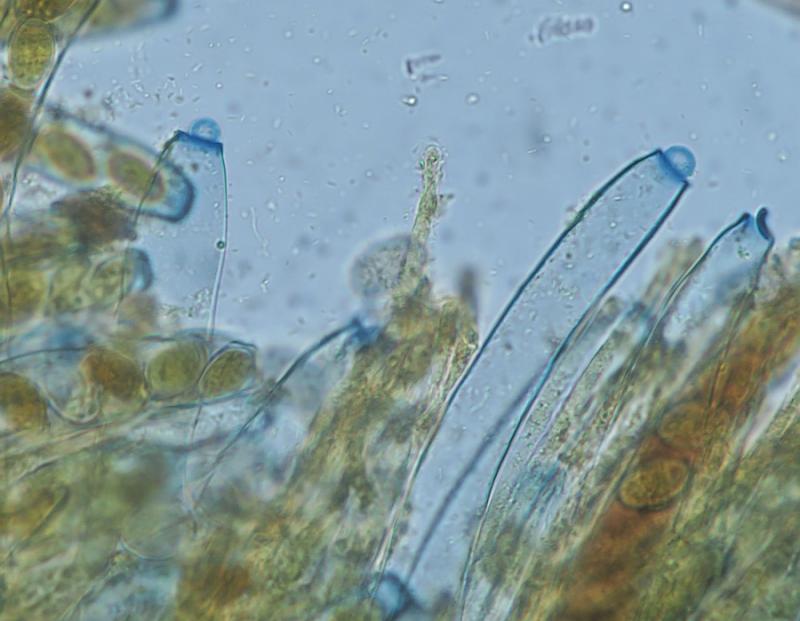
I did the micro and I think you can confirm the species too.
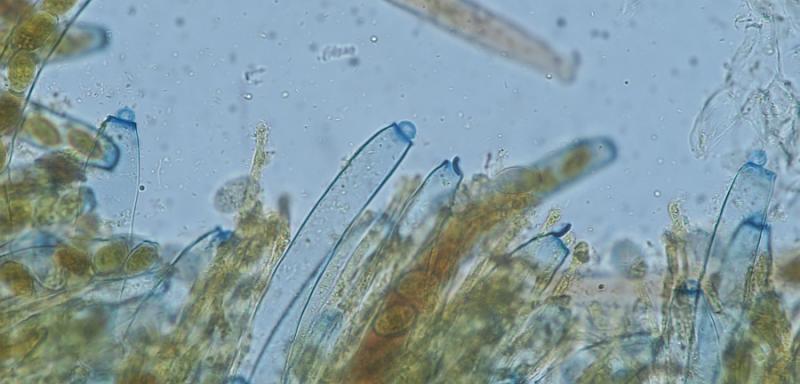
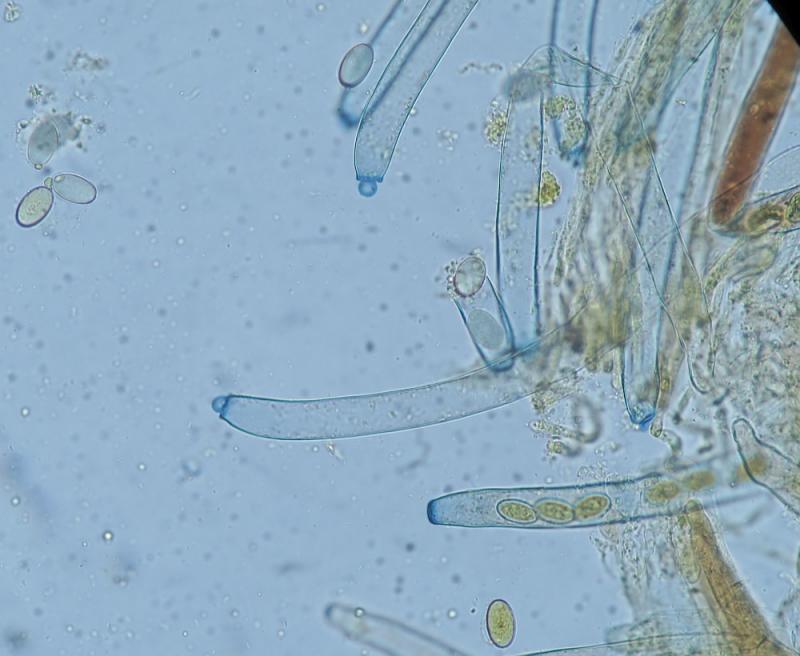
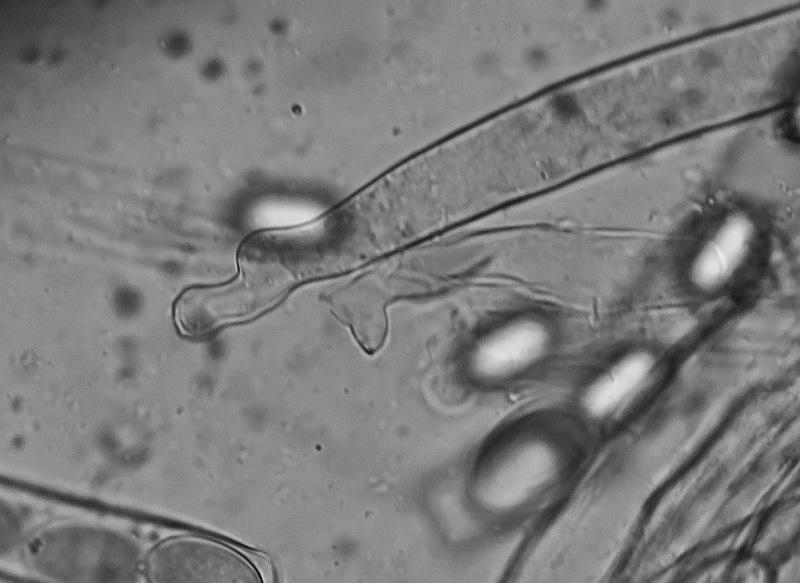
It was also a useful exercise becasue to my biggest delight, I 've managed to see and photograph the lid of the operculate asci - very nice (like a toilet seat) and so happy about it now!
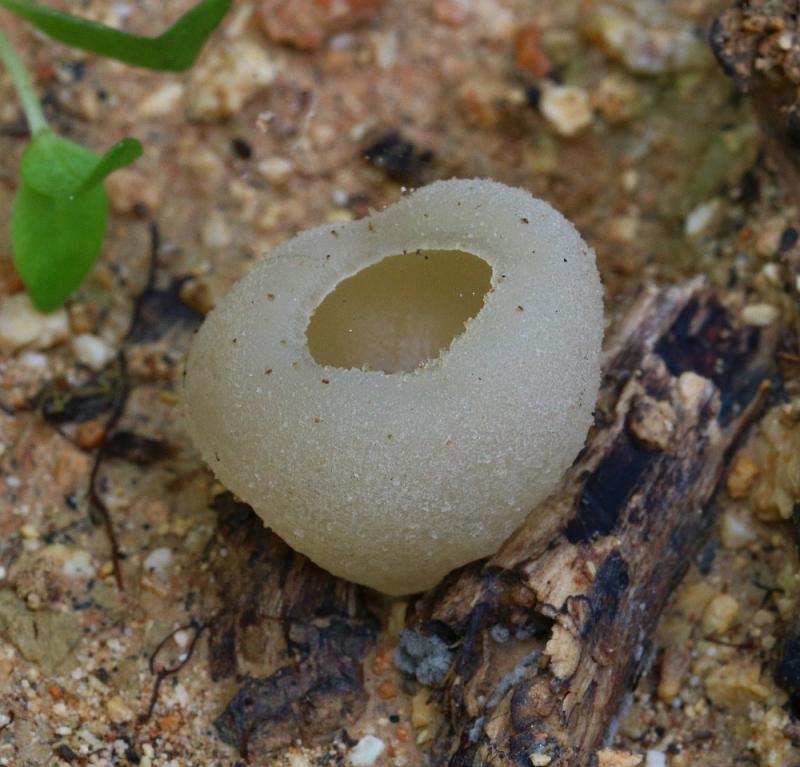
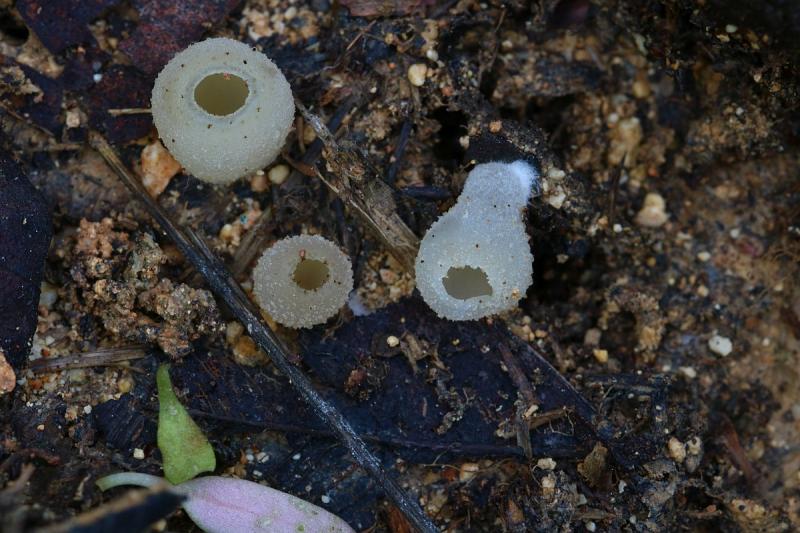
self-note: The shape of the ascocarps of this species vary a lot. Yonger ascocarps looks like a Tarzetta, a closed cup with a small orrifice, while fully mature are are open flat and revolute margins.
I did the micro and I think you can confirm the species too.
It was also a useful exercise becasue to my biggest delight, I 've managed to see and photograph the lid of the operculate asci - very nice (like a toilet seat) and so happy about it now!
self-note: The shape of the ascocarps of this species vary a lot. Yonger ascocarps looks like a Tarzetta, a closed cup with a small orrifice, while fully mature are are open flat and revolute margins.
Stephen Martin Mifsud,
13-11-2021 18:27
Re : Pezizaceae on horse dung (vesiculosa maybe)
There were also these ascocarps about 5-10 cm away but not on dung itself buy on bare soil with burnt ground) but high Nitrogen level . Peziza vesiculosa in my opinion
A confirmation is welcome (because I had a little doubt on P. granulosa)
A confirmation is welcome (because I had a little doubt on P. granulosa)