
08-06-2026 10:16
 Spooren Marco
I don`t have a clou about this fungus,it is not in
08-06-2026 17:00
François BartholomeeusenGood day everyone, On June 5 2026, I collected de
07-06-2026 15:10
 William Slosse
Hello everyone,On 05-06-26, I found following asco
05-06-2026 11:02
Thomas Læssøehttps://svampe.databasen.org/observations/10596691
07-06-2026 12:09
 François Freléchoux
Bonjour, Voici une brève description de ce qui m
07-06-2026 12:43
Steve ClementsBojour. This was a strange find on a stick on my
12-07-2015 00:05
 Nedim Jukic
This one from the same locality as the previous on
06-06-2026 17:44
Steve ClementsBonjour, This disco was on planed wood 3 x 1.5 cm
14-08-2016 23:15
 Alex Akulov
Dear friendsCan you help me to find the descriptio
One more collection sent by a colleague.
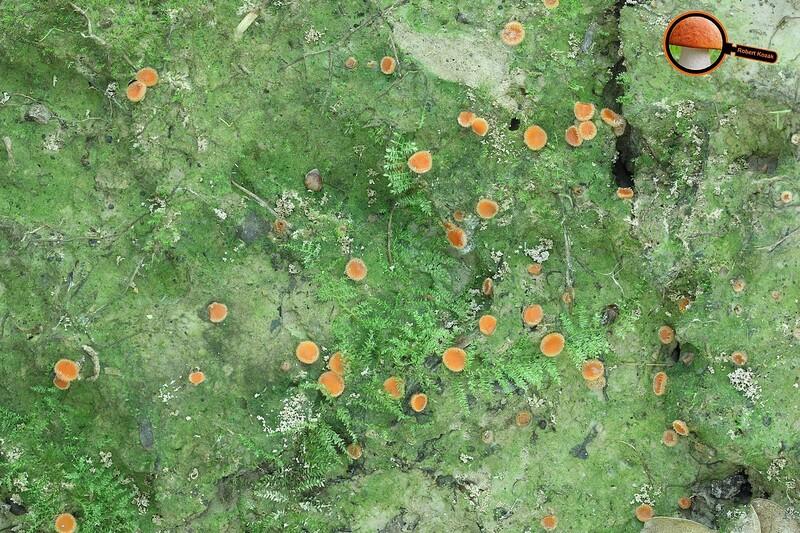
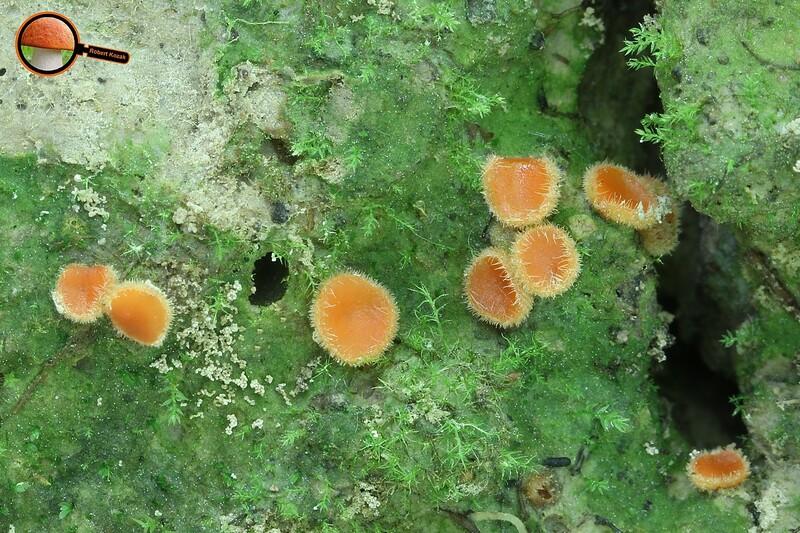
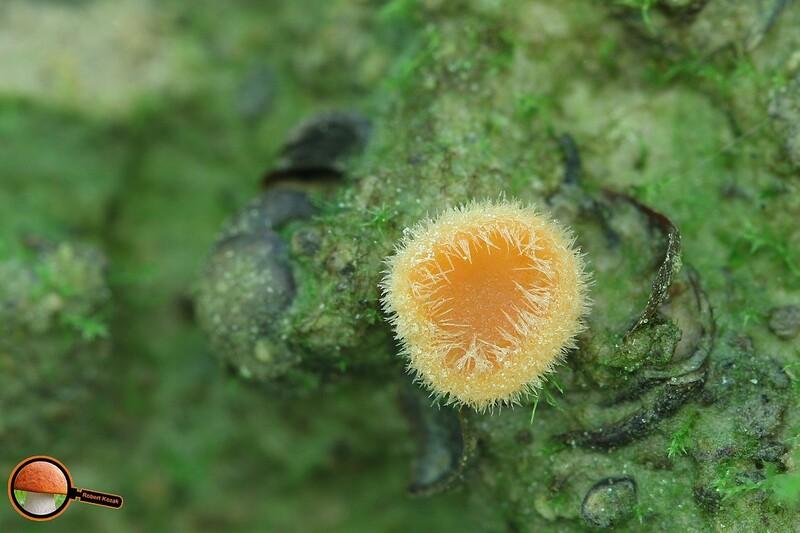
I do not have any idea, looks like Scutellinia? However, I have never seen this genre with such a clear hair.
Maybe some suggestions?
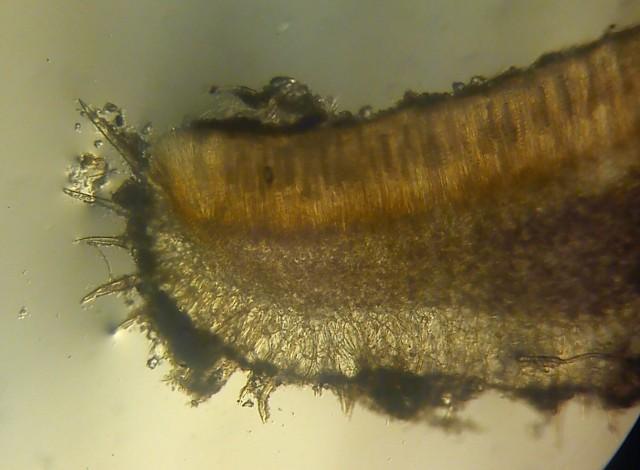
In principle, all the most important features are presented in the pictures.
Spores: Me = 17.6 × 17.1 um; QE = 1 (with ornamentation)
Hair up to 400 um long
Ascomata: 3-5 mm in diameter.
greetings
Mirek
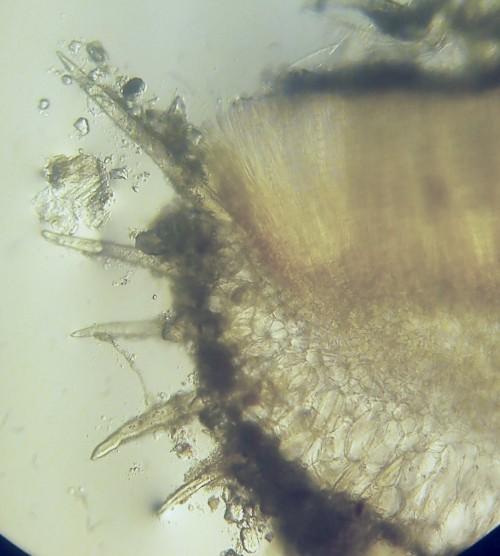
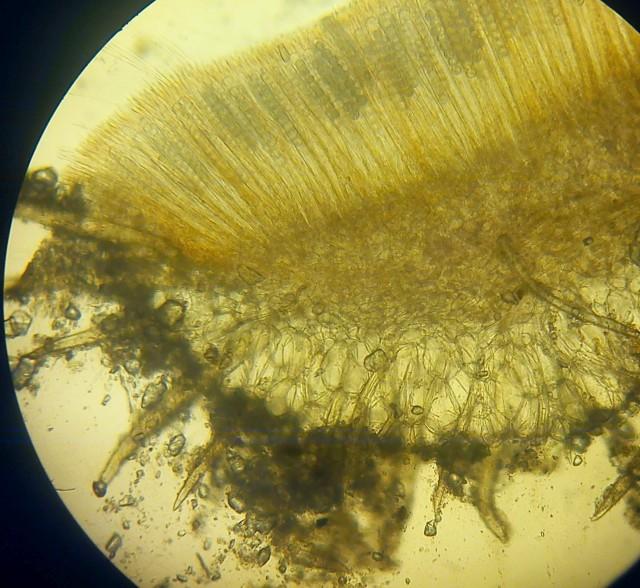
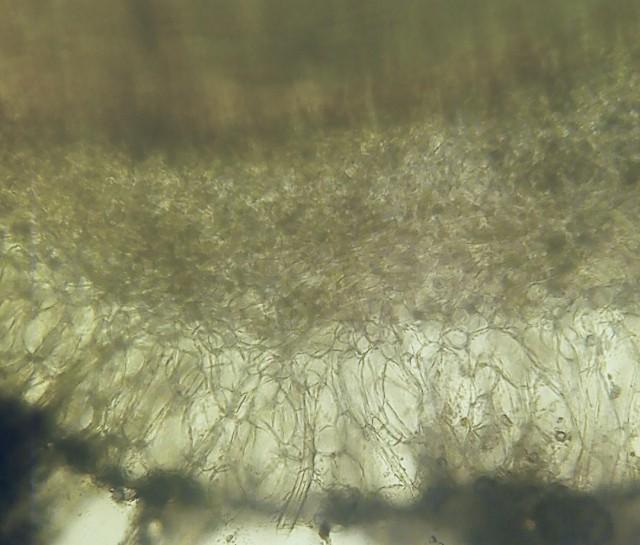
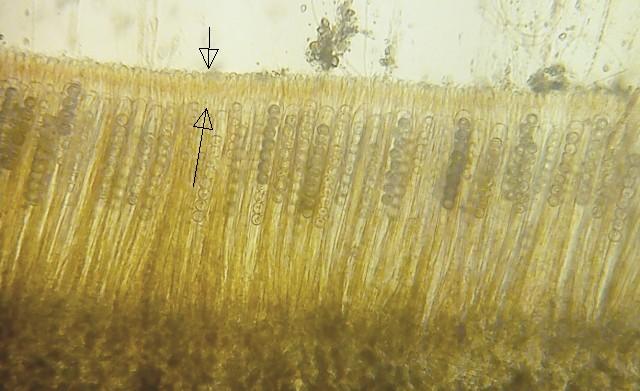
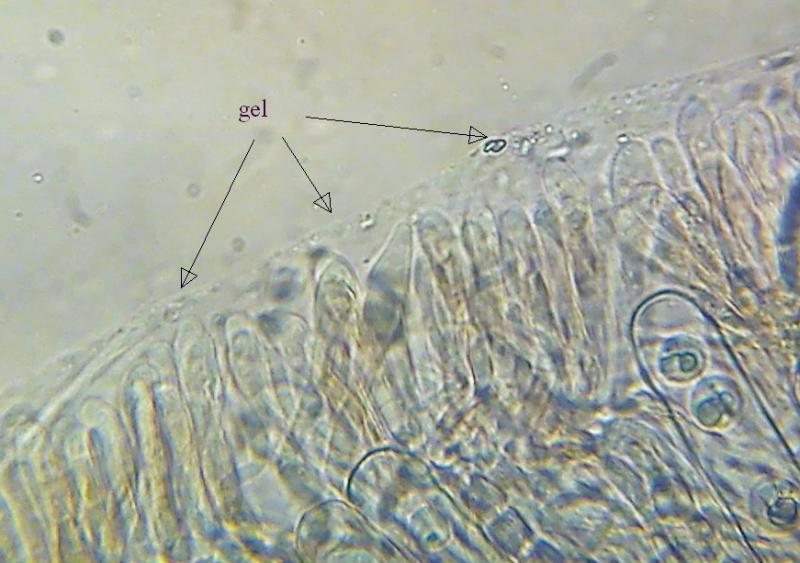
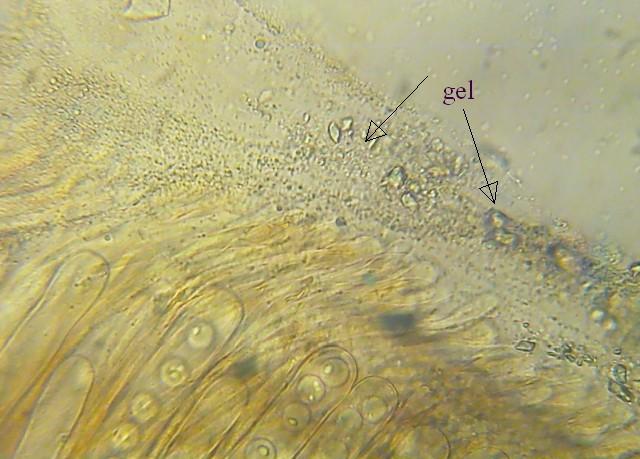
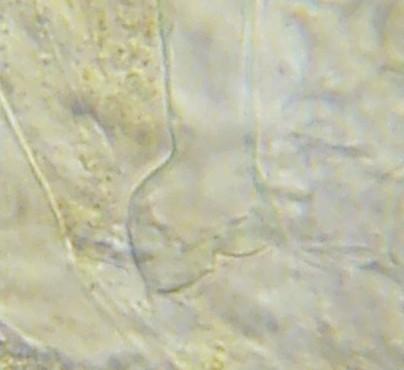
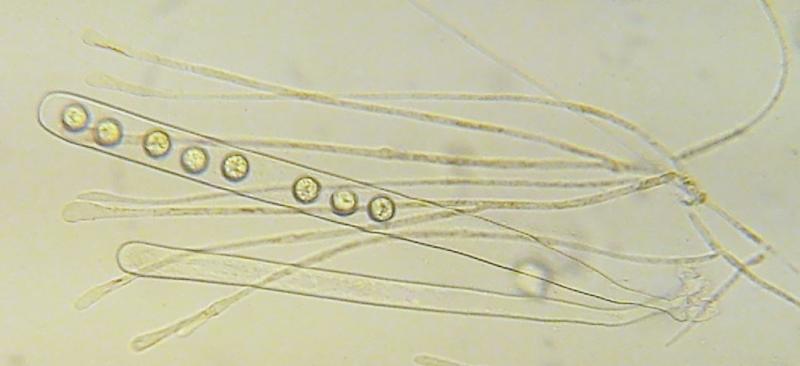
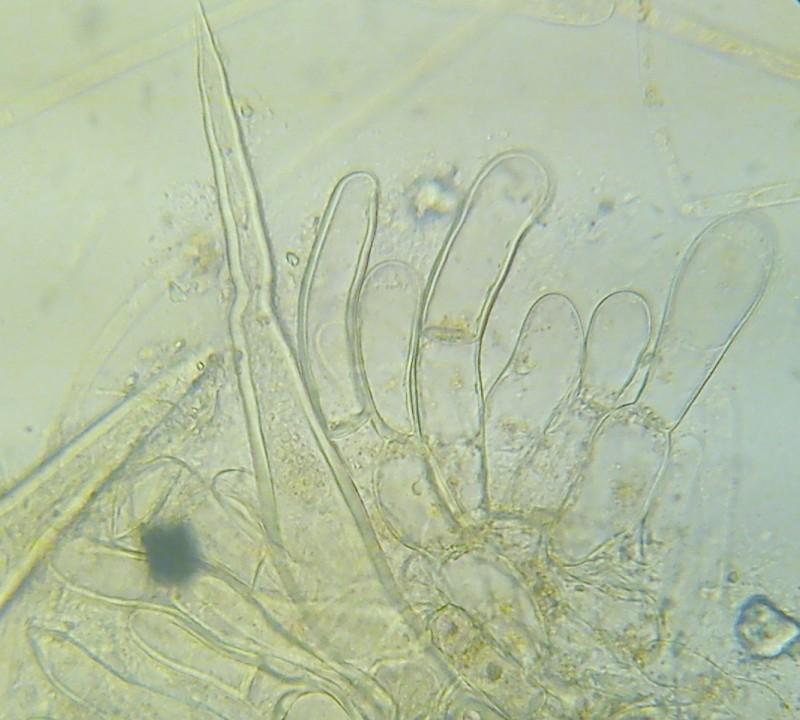
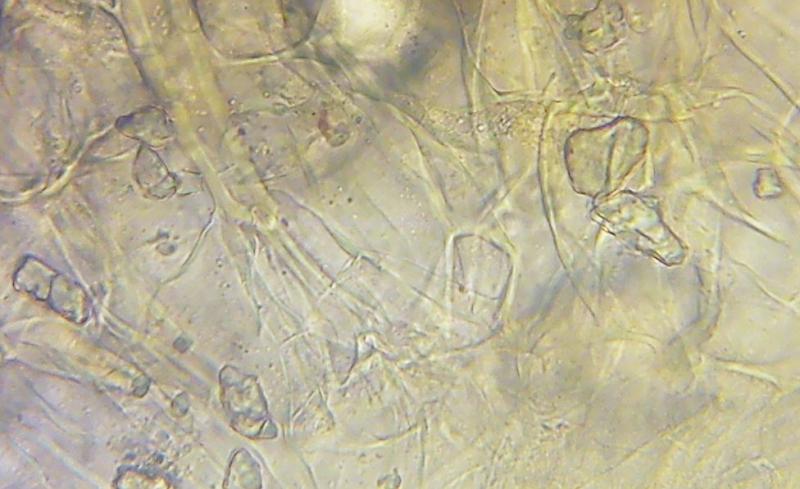
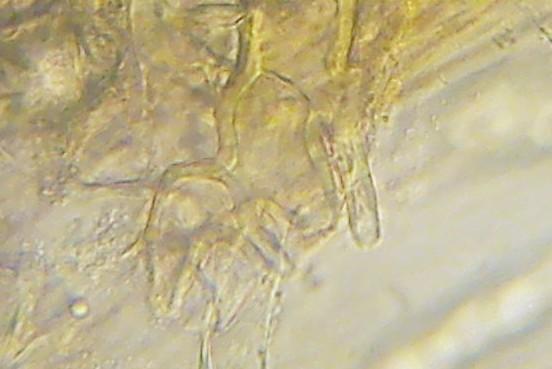
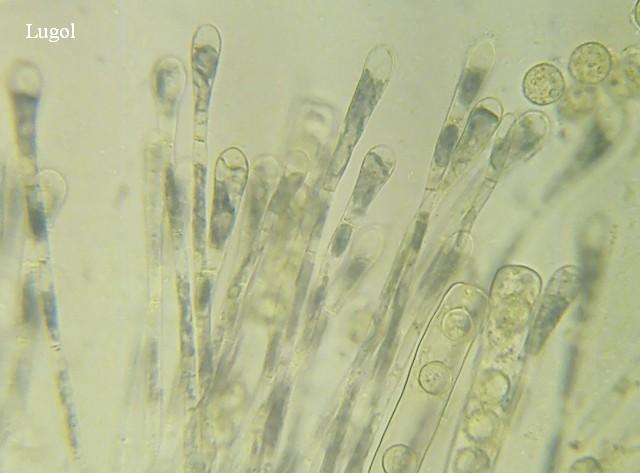
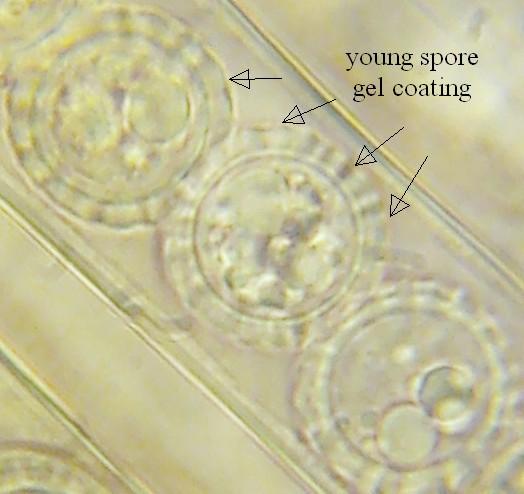
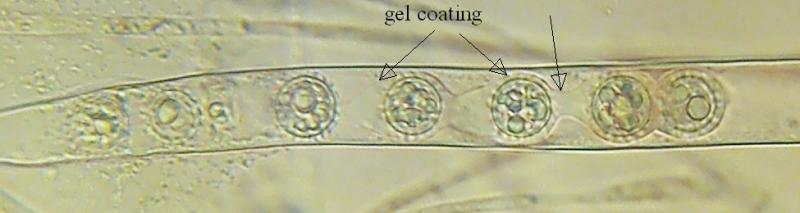
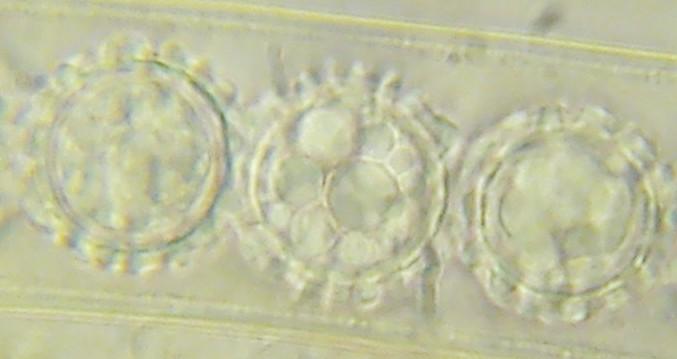
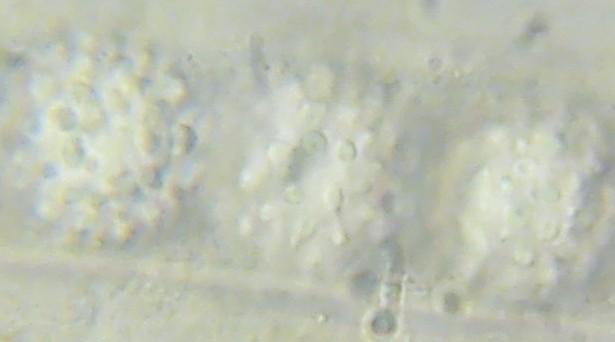
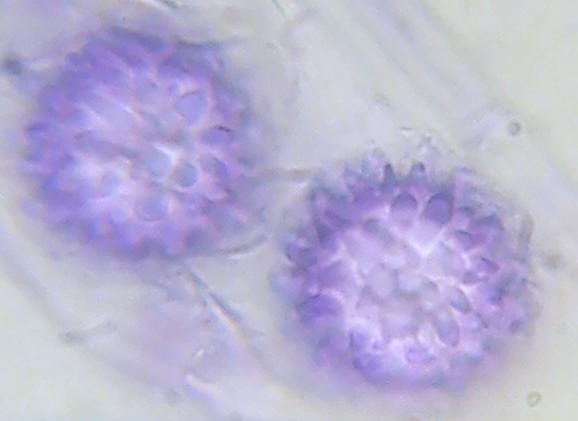
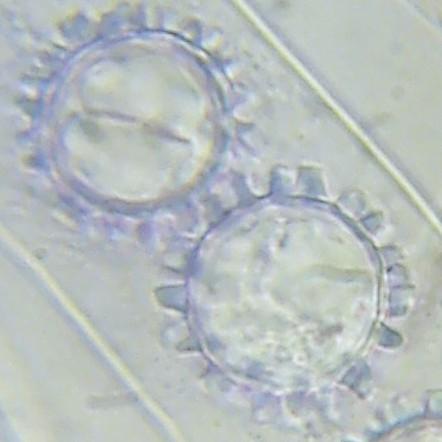
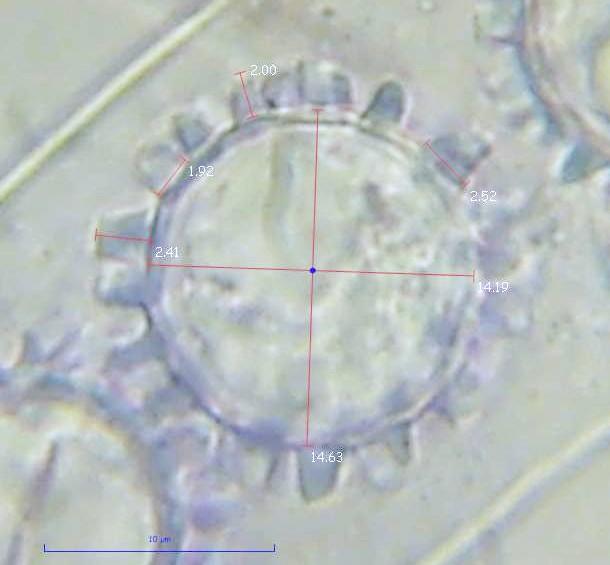

Hi Mirek,
To me, the spores are suggestive of Scutellinia trechispora which I come across quite frequently on damp, calcareous soil. However, the pale hairs are strange and my trechispora specimens are usually larger and with longer hairs.
Best wishes,
Charles.
I support completely the opinion when it comes to spores, typical for S. Trechispora. I had the pleasure of examining this species.
Mirek
Hi again Mirek,
I've come across considerable variability both within Fb size and hair length but I've never seen it with such pale hairs. It looks like there might be an association with moss/algae from your pictures while I mostly find trechispora on bare soil.
Charles.
your colleague should try to get a spore print and then compare it with Ramsbottomia.
Cheers,
Marcel

I look forward to seeing other opinions.
Mal
Mirek
Spores actually slightly smaller but Ascomata was not perfect. Too small percentage of ASCI was mature to recognize Ascomata for mature.
To perform the measurement, I chose spores that were devoid of gel sheath and spikes were clearly visible.
Thank you