
08-06-2026 17:00
François BartholomeeusenGood day everyone, On June 5 2026, I collected de
08-06-2026 10:16
 Spooren Marco
I don`t have a clou about this fungus,it is not in
07-06-2026 15:10
 William Slosse
Hello everyone,On 05-06-26, I found following asco
05-06-2026 11:02
Thomas Læssøehttps://svampe.databasen.org/observations/10596691
07-06-2026 12:09
 François Freléchoux
Bonjour, Voici une brève description de ce qui m
07-06-2026 12:43
Steve ClementsBojour. This was a strange find on a stick on my
12-07-2015 00:05
 Nedim Jukic
This one from the same locality as the previous on
06-06-2026 17:44
Steve ClementsBonjour, This disco was on planed wood 3 x 1.5 cm
14-08-2016 23:15
 Alex Akulov
Dear friendsCan you help me to find the descriptio
Ochraceous Propolis on Picea abies wood
Edvin Johannesen,
24-06-2021 12:15

Hi!
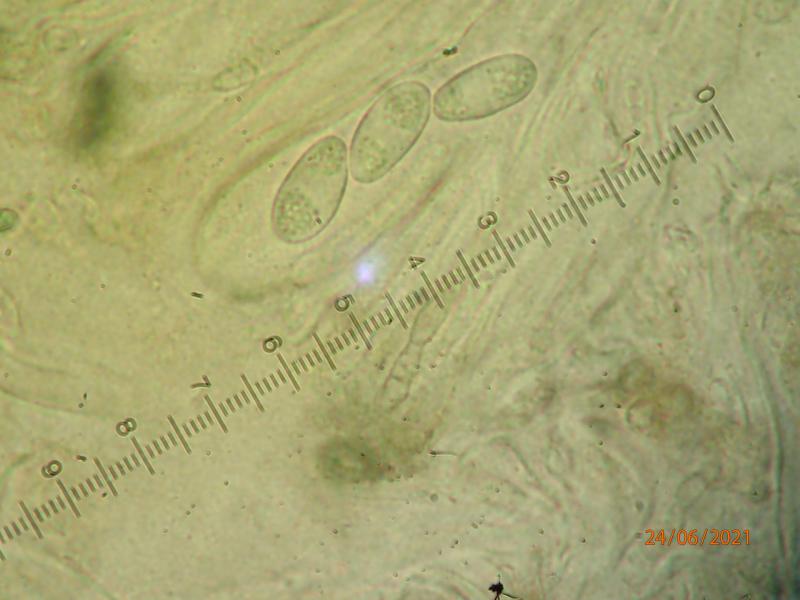
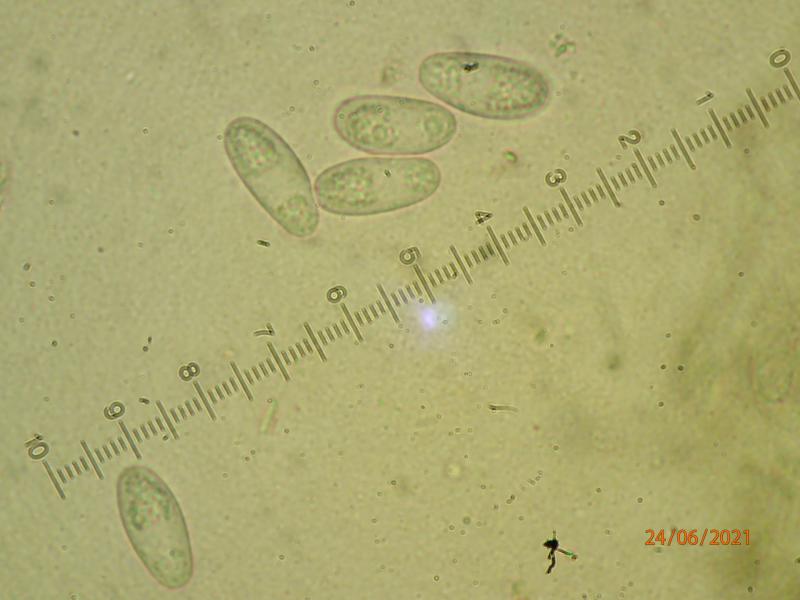
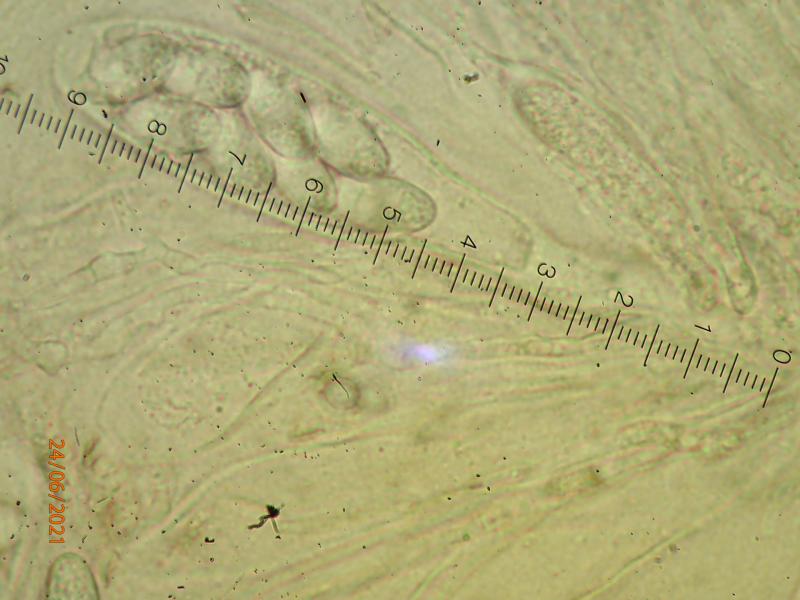
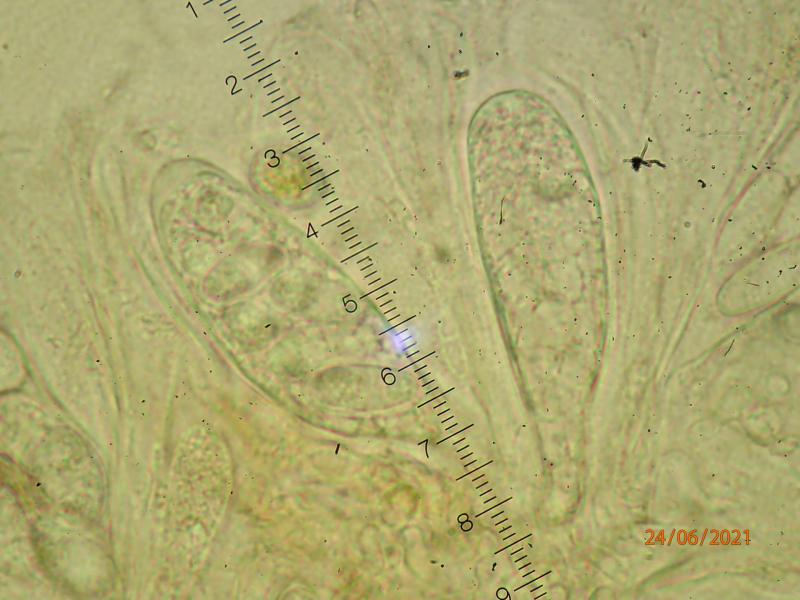
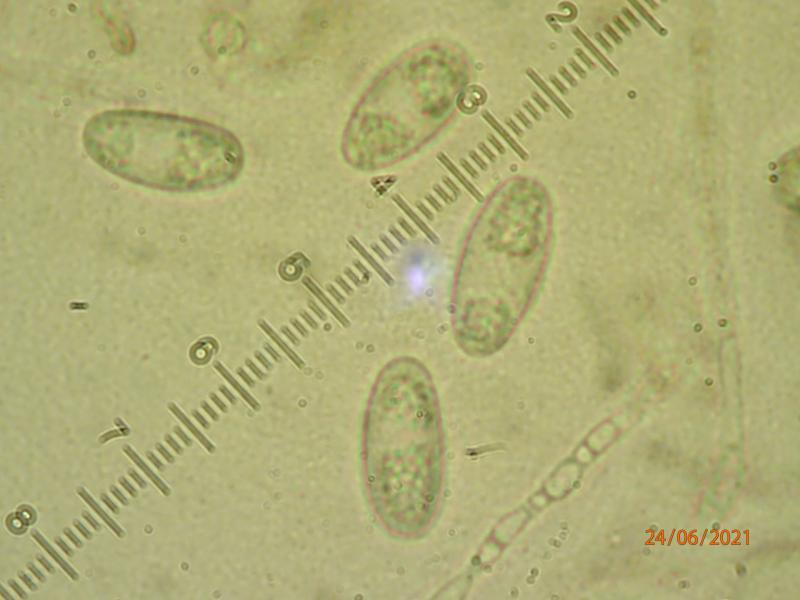
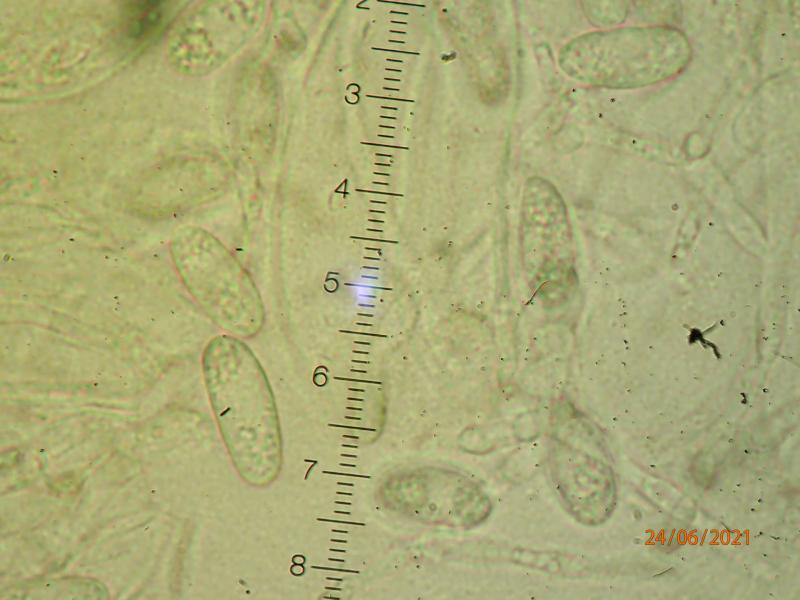
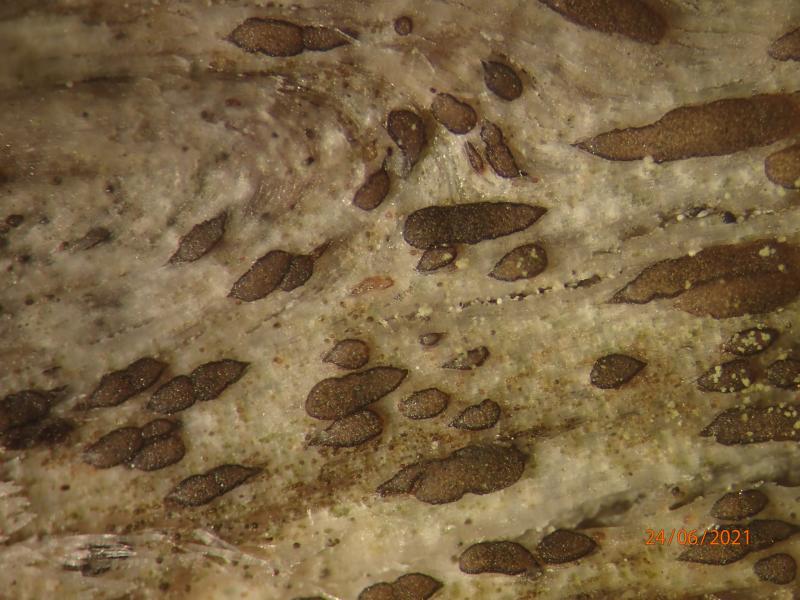
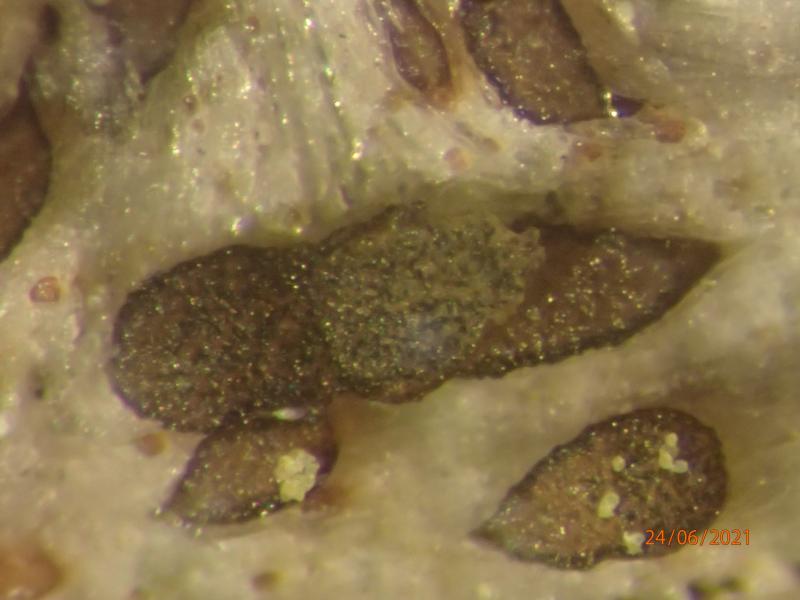
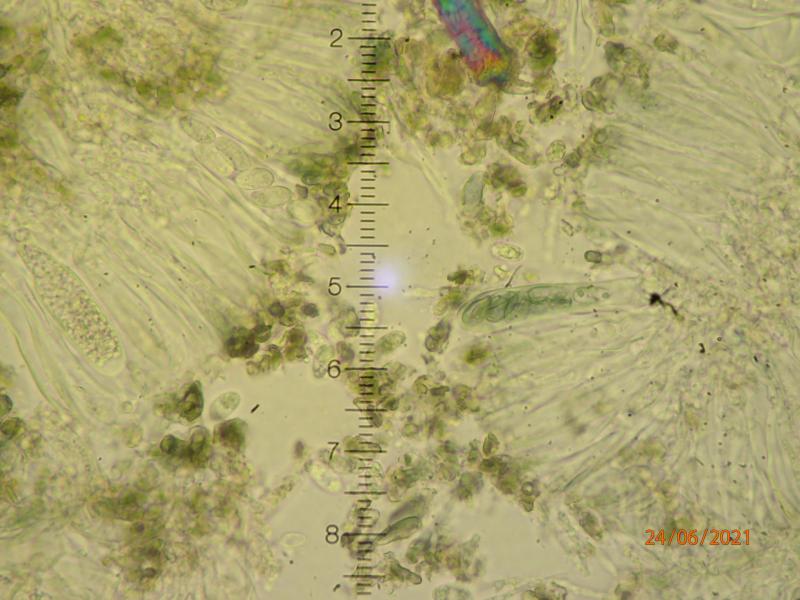
This Propolis was growing on exposed, decorticated wood of a Picea abies log on the ground (Eastern Norway). The hymenium is ochraceous, non-farinaceous, gradually acquiring a darker colour, starting at the ends of the ascomata, it seems. Ascomata of variable length (1-3 mm, mostly), but quite constant in width (0.2 mm). Asci 60-85 x 14-17 microns, spores 12-16 x 6-7 microns (measured from fresh hymenium in water), multiguttulate, guttules grouped around the poles mostly. Large guttules seen only in a few spores.
I no not get a good match in Barals Marthamycetatceae key from 2015. Can P. viridis look like this?
Thanks,
Edvin
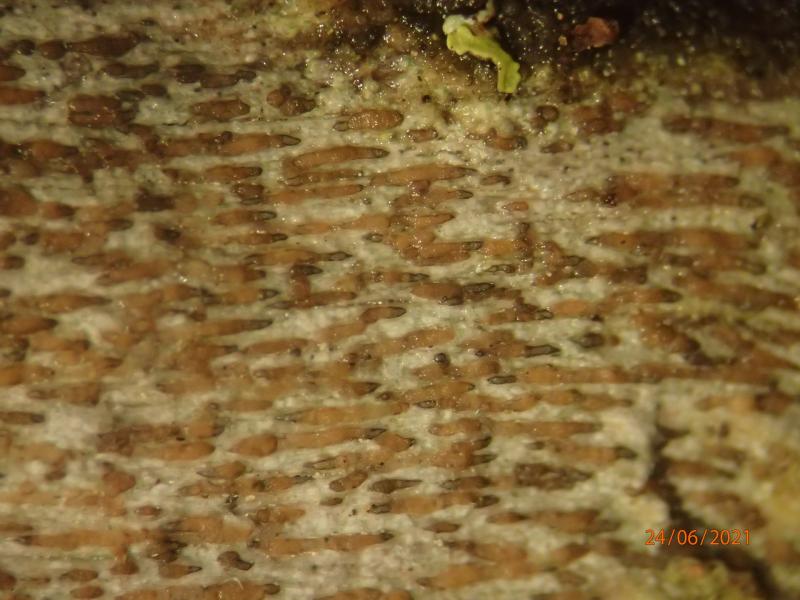
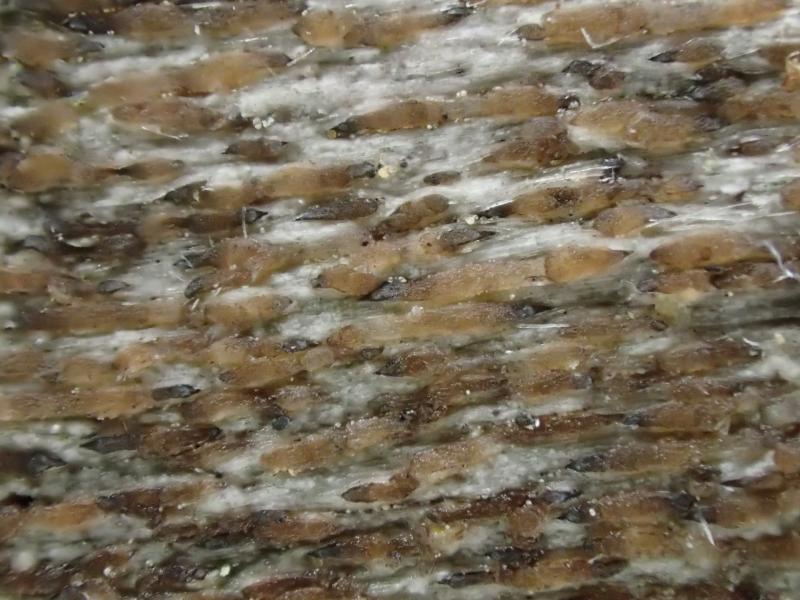
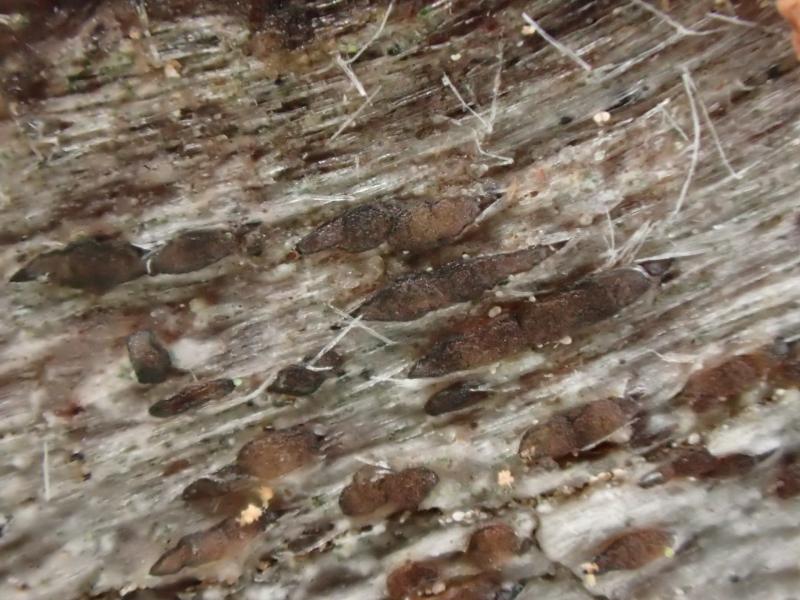
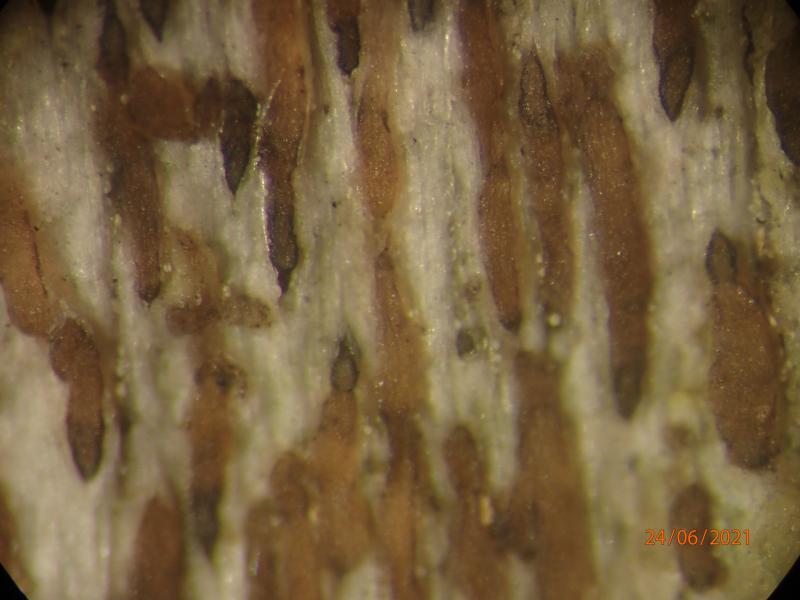
Edvin Johannesen,
24-06-2021 12:17
Re : Ochraceous Propolis on Picea abies wood
Asci and spores in water.
Paul Cannon,
24-06-2021 12:26
Re : Ochraceous Propolis on Picea abies wood
Try Agyrium rufum.
Best wishes
Paul
Edvin Johannesen,
24-06-2021 12:57
Re : Ochraceous Propolis on Picea abies wood
Thanks, Paul. I must admit that A. rufum didn't give me the good vibes. But then again that is a species which I do not know (few photos to be found). It's lichenised, isn't it? This one doesn't appear to have algae associated with it.
I looked at some additional apothecia, presumeably more mature, and there is as continouous dark rim, and also some dark matter in the hymenium. See photos.
Maybe I'm on the wrong track, and it's not a Propolis?
Paul Cannon,
24-06-2021 13:29
Re : Ochraceous Propolis on Picea abies wood
Agyrium is considered to be a non-lichenized genus, but is traditionally studied by lichenologists and ignored by the non-lichenized. Why, I do not know...
Paul
Edvin Johannesen,
24-06-2021 13:39
Re : Ochraceous Propolis on Picea abies wood
Yes, there are a few such examples of genera falling between chairs.
Hans-Otto Baral,
24-06-2021 13:49

Re : Ochraceous Propolis on Picea abies wood
I must object, Agyrium rufum has roundish bright orange apothecia.
It is Xylographa (earlier Xylogramma) parallela, treated in Baeomycetales in my Ostropomycetidae folder.
The genus was investigated by Toby Spribille et al. 2014.
These are neglected probably because they grow on attached twigs like lichens.
Zotto
Edvin Johannesen,
24-06-2021 14:17
Re : Ochraceous Propolis on Picea abies wood
Spot on, Zotto :) Thanks a lot. This was not on a twig, but on a decaying log, more typical way of Propolis, so I got the wrong association.
Paul Cannon,
24-06-2021 16:19
Re : Ochraceous Propolis on Picea abies wood
It looks like Zotto is right, as usual. At least it was a species studied by lichenologists...
Hans-Otto Baral,
24-06-2021 16:52
Re : Ochraceous Propolis on Picea abies wood
I actually remember Xylographa on trunks and logs but Agyrium rufum on twigs.