
09-06-2026 18:32
Camille MertensSur morceau de roseau immergé 0,5 - 0,7 mm de dia
08-06-2026 10:16
 Spooren Marco
I don`t have a clou about this fungus,it is not in
08-06-2026 17:00
François BartholomeeusenGood day everyone, On June 5 2026, I collected de
07-06-2026 15:10
 William Slosse
Hello everyone,On 05-06-26, I found following asco
05-06-2026 11:02
Thomas Læssøehttps://svampe.databasen.org/observations/10596691
07-06-2026 12:09
 François Freléchoux
Bonjour, Voici une brève description de ce qui m
07-06-2026 12:43
Steve ClementsBojour. This was a strange find on a stick on my
12-07-2015 00:05
 Nedim Jukic
This one from the same locality as the previous on
06-06-2026 17:44
Steve ClementsBonjour, This disco was on planed wood 3 x 1.5 cm
Probably anamorph but I have never seen so big conidiophores.
Do you have any ideas?
greetings
Mirek
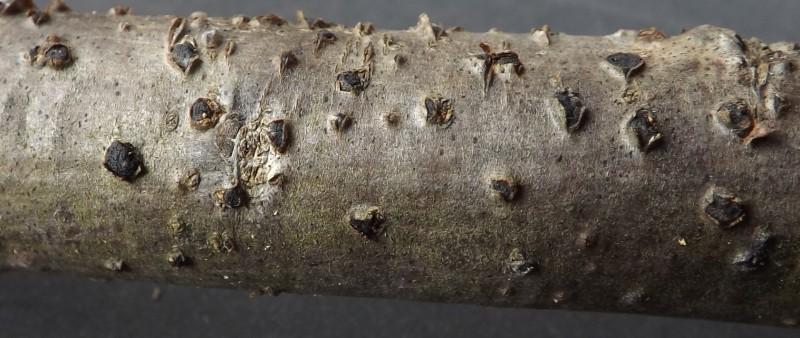
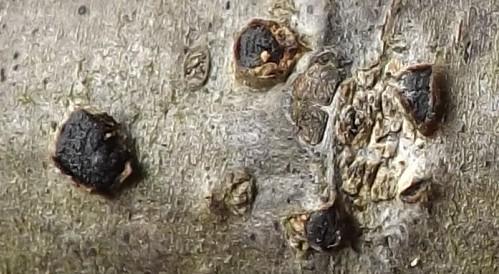
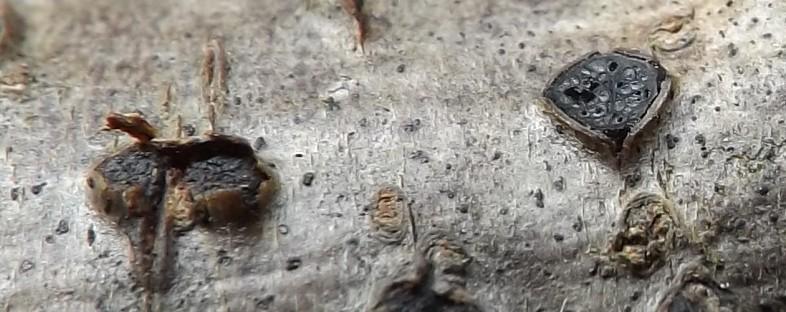
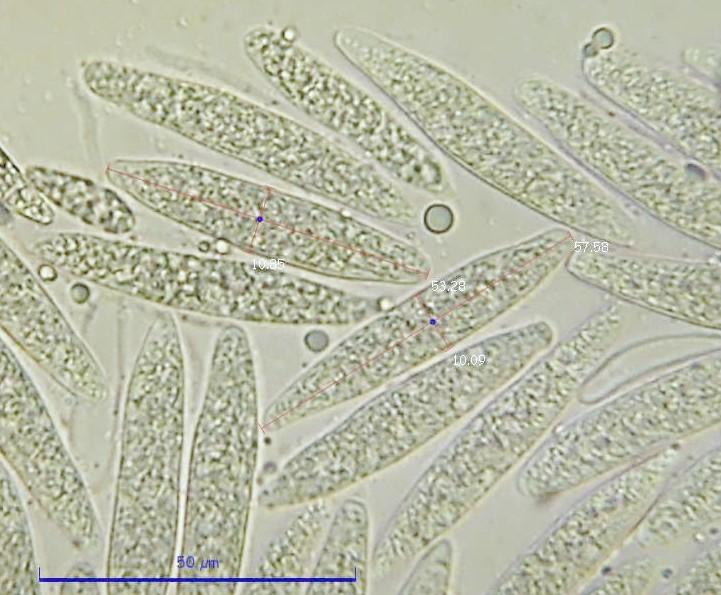

In the last photo, it's not asci.
This looks rather on conidiphores which length is greater than 50µm.
I made a few more photos:
Mirek
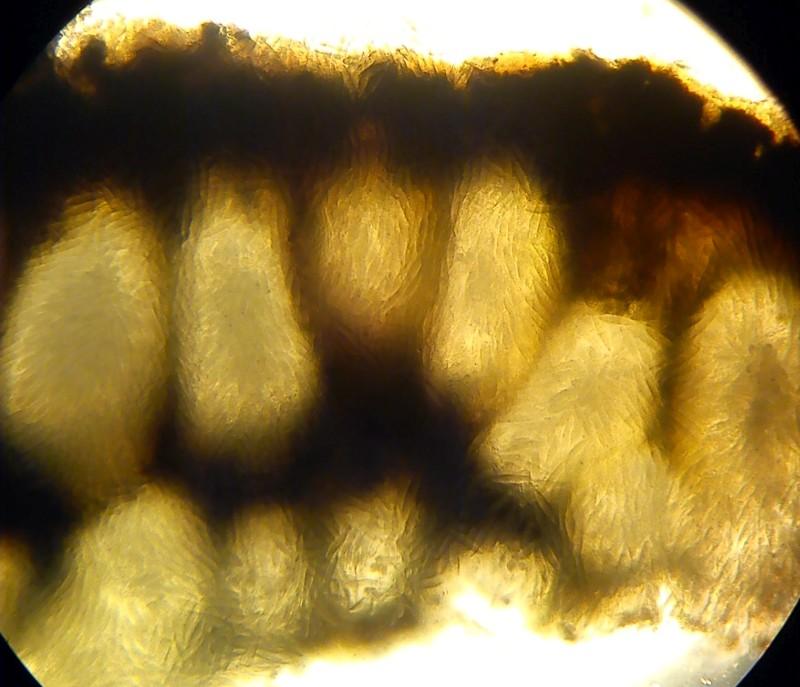
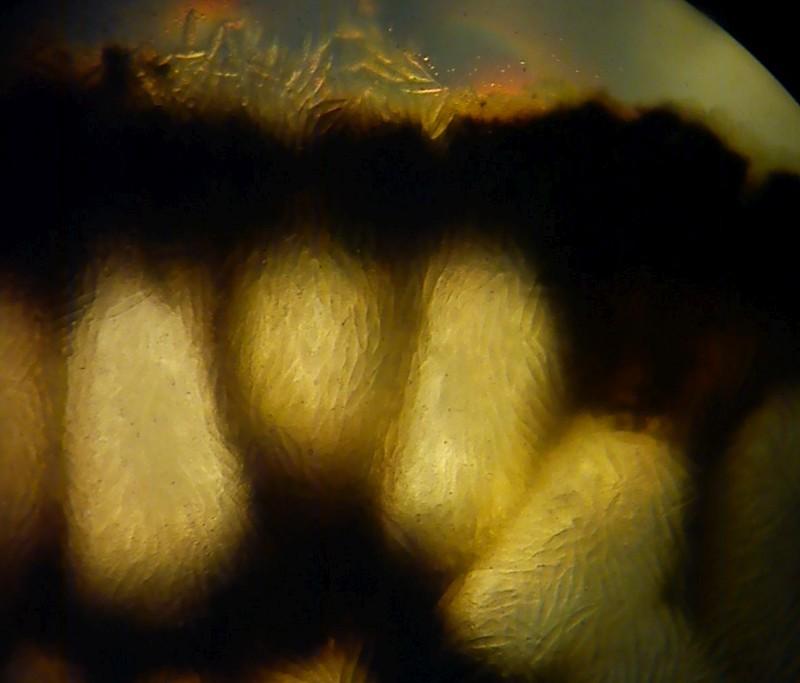
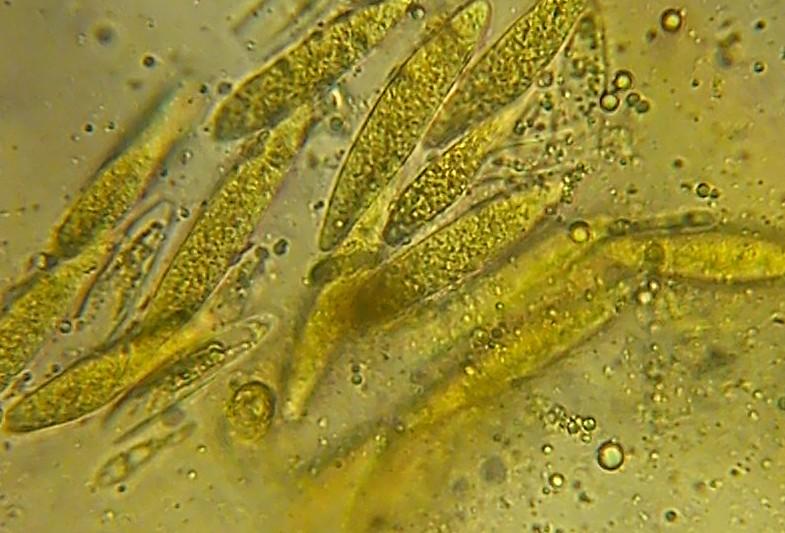
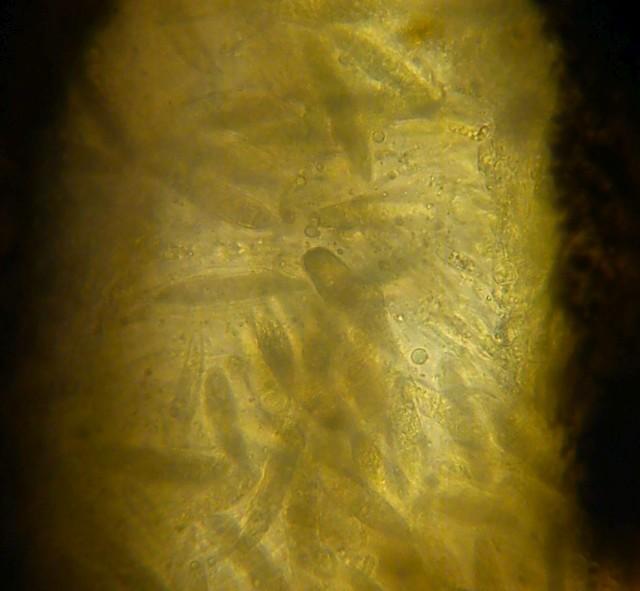
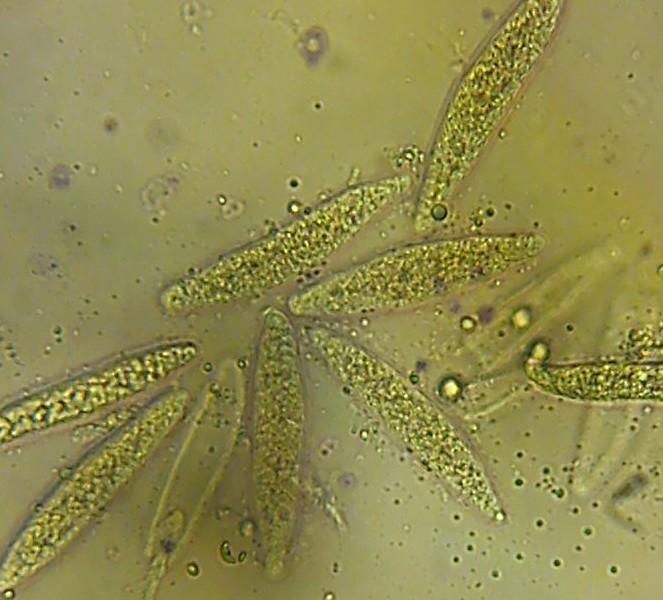
I think these are only inmature asci. I think you should wait
I will stop branches for further observation.
Thank you
Mirek
I have not read yet, I will leave myself for an evening but it seems to me that I found a response :)
Botryosphaeria?
https://www.researchgate.net/publication/259155846_The_Botryosphaeriaceae_Genera_and_species_known_from_culture
greetings
Mirek
He realizes that here, in turn, macroscopic features do not fit.
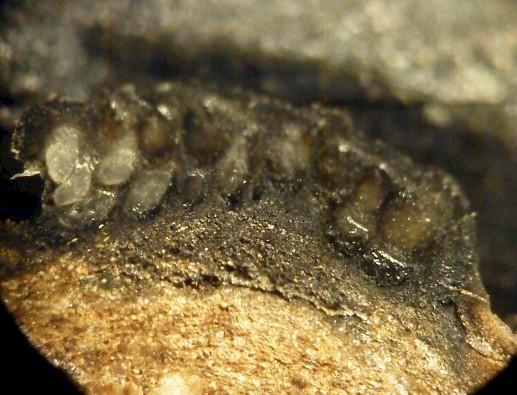
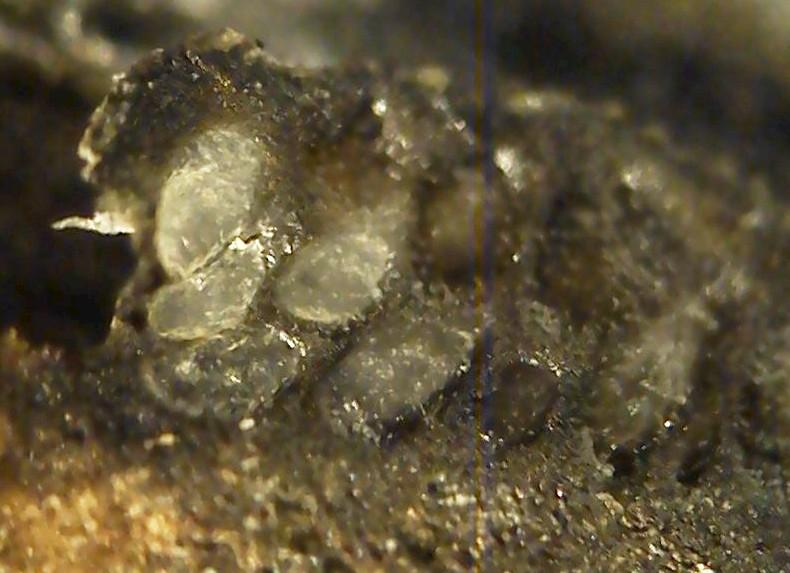
Not everyone has such a huge knowledge and experience as you. When, you also started your adventure with mushrooms and you did not have such knowledge as now, you certainly tried different ways.
If you claim that these are ASCI I will not protest. I do not have such a lot of experience as you, but I think I am on such a level that I can distinguish them from spores.
Have a nice day
Forgive me if I accidentally offended, I did not have this intention.
My English basically does not exist so I use a translator.
The translator is very useful, but still very much missing for excellence :(
Mirek
We never have enough experience to know everything, and in fact I may be wrong, but what I do know is that in order to study something we have to have accurate data and in your case we do not.
Best regards
It lasted a bit but I had to be sure that I study ascomata fully mature. I kept the collection in a damp room.
Yesterday they appeared on the surface of Ascomata free conidiophores.
I made two more conidiophores measurements.
1) Downloaded from ascomata
(48.7) 51.5 - 64.3 (69) × (8.1) 9.2 - 11.1 (11.2) µm
Q = (4.6) 4.8 - 6.6 (8.5); N = 33
Me = 56.1 × 10.2 µm; QE = 5.5
2) Free conidiophores
(58) 58.4 - 68 (70.5) × (11.3) 11.32 - 13.27 (13.3) µm
Q = (4.6) 4.61 - 5.8 (5.9); N = 14
Me = 63.8 × 12.3 µm; Qe = 5.2
As you can see their sizes, they do not match the species mentioned.
The Chinese described two other species with larger conidiophores than Melanops tulasnei. One of Quercus but with even larger conidiophores than in my collection.
I'm sorry, but unfortunately remain as Melanops sp.
Thank you all for valuable comments
greetings
Mirek