

10-06-2026 12:54
Steve ClementsBonjour encore, Pouvez-vous m'aider, s'il vous pl
09-06-2026 18:32
Camille MertensSur morceau de roseau immergé 0,5 - 0,7 mm de dia
10-06-2026 21:16
 François Freléchoux
Bonsoir,Le dernier du jour, en attendant votre avi
10-06-2026 21:07
François Freléchoux
Toutes les tiges de gentianes jaunes de l'an passÃ
10-06-2026 13:41
François Freléchoux
Bonjour à nouveau, Voici une trouvaille d'hier.
10-06-2026 11:53
Steve ClementsBonjour, This disco is abundant on dead stems of
10-06-2026 10:45
François Freléchoux
Bonjour à nouveau, Encore une détermination qui
08-06-2026 10:16
 Spooren Marco
I don`t have a clou about this fungus,it is not in
10-06-2026 09:24
François Freléchoux
Bonjour, J'imagine que cette détermination ne do
Ombrophila?
Juuso Äikäs,
09-12-2020 23:49
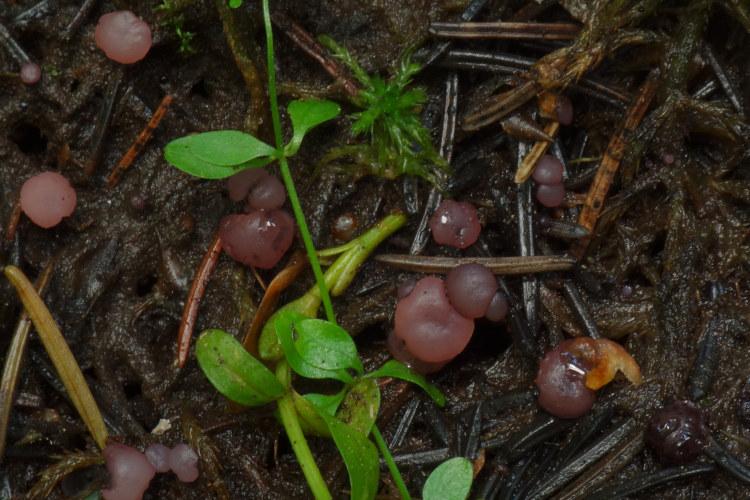
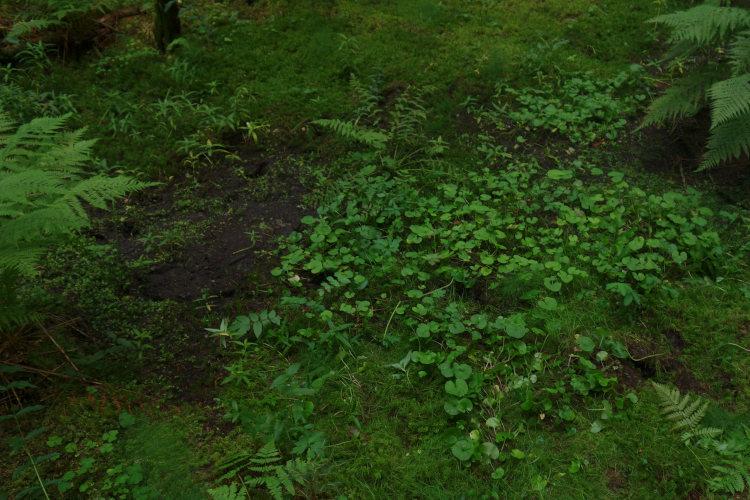
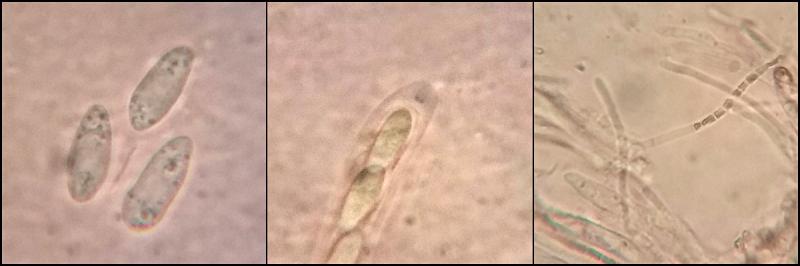
The apos were max. ca. 5 mm wide and I think they had a short stem and were growing from needles and sticks of P. abies. The flesh was gelatinous. I measured some spores in water from a spore print and they were about 11.5 - 13.5 x 4.5 - 5 microns. The ascus pores had a faint amyloid reaction in Melzer's solution.
I'm thinking that this could be Ombrophila or maybe Ascocoryne...
Hans-Otto Baral,
10-12-2020 08:21

Re : Ombrophila?
Yes, Ombrophila is quite clear.
Specimens by Bernard Clesse are similar (folder "Eigenried H+") I see very similar samples on conifers, and in folder "Eigenried H-" are similar ones.
The genus is very difficult, and you see croziers are also important.
Zotto
Juuso Äikäs,
10-12-2020 08:48
Re : Ombrophila?
Thanks! There is indeed similarity compared to those folders. I didn't have the habit of checking croziers back then, but hopefully I'll find some new apos in the future, and then could take a closer look.