
04-06-2026 13:34
Gernot FriebesHi,I am interested to hear your opinion on this Le
04-06-2026 11:36
Gernot FriebesHi,found on Vaccinium myrtillus.Asci: IKI –, 8-s
04-06-2026 07:02
 François Freléchoux
Bonjour, Voici la description d'une espèce qui p
04-06-2026 10:50
François Freléchoux
Bonjour, J'ai trouvé hier un petit asco observé
22-05-2026 13:29
Gernot FriebesHi,I am curious to hear your opinion on this mater
18-10-2022 00:12
Valencia Lopez Francisco JavierHola amigos/asRecientemente encontré esta colecci
03-06-2026 19:45
 Miguel Ángel Ribes
Good afternoonI'm completely baffled by this suppo
03-06-2026 14:39
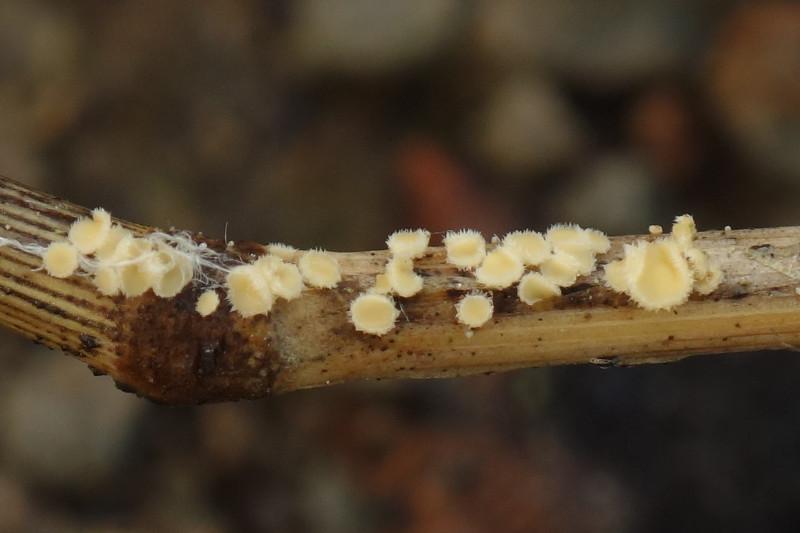
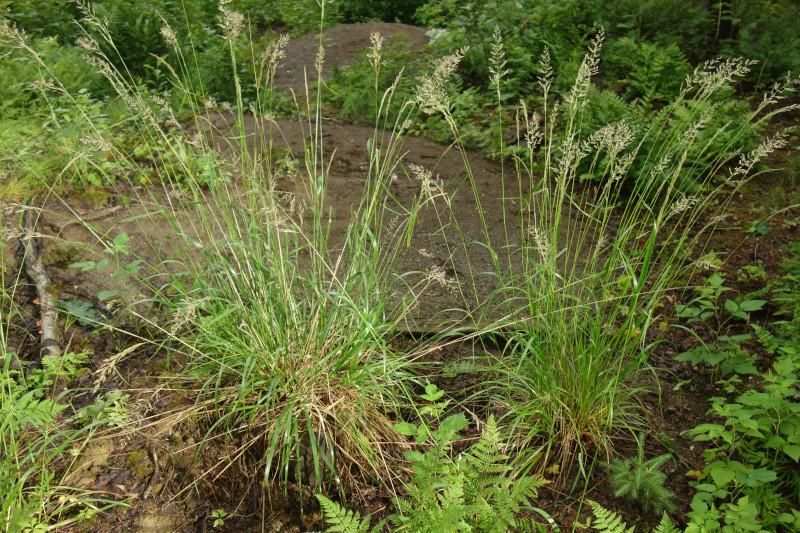
Thomas FlammerApothecia yellow, glassy-transparent, 80 - 120 ymS
Albotricha/Dasyscyphella?
Juuso Äikäs,
08-07-2020 20:29
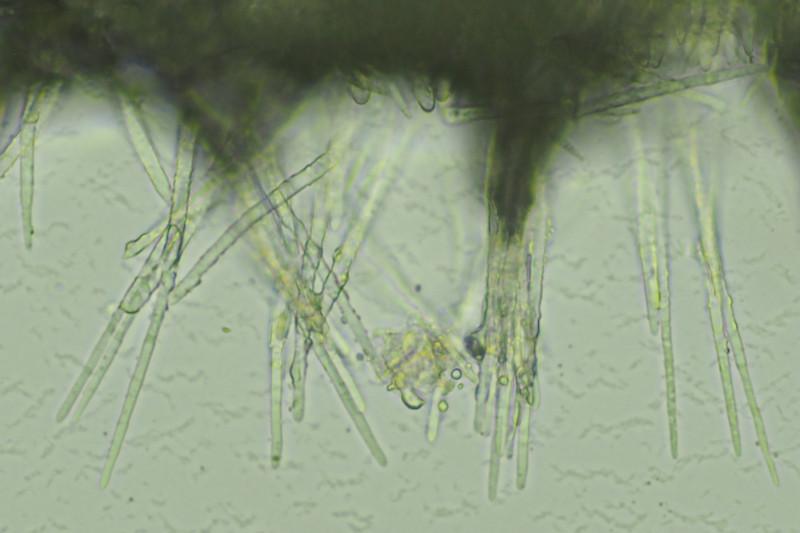
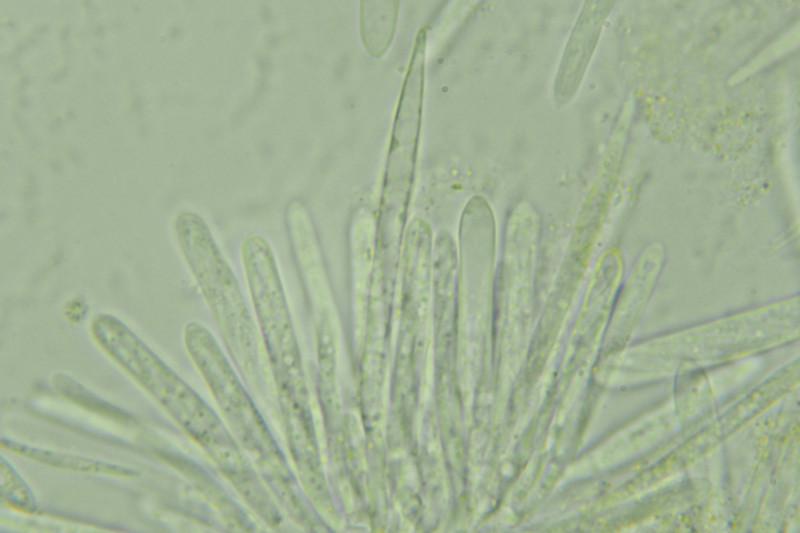
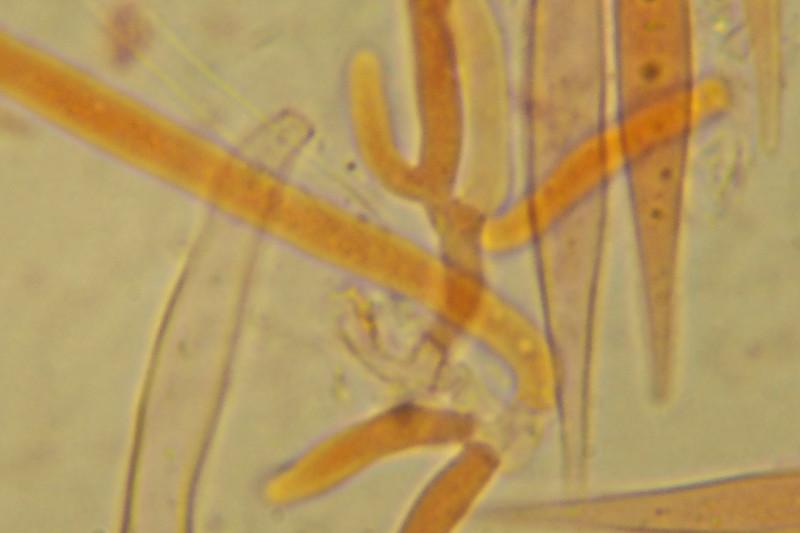
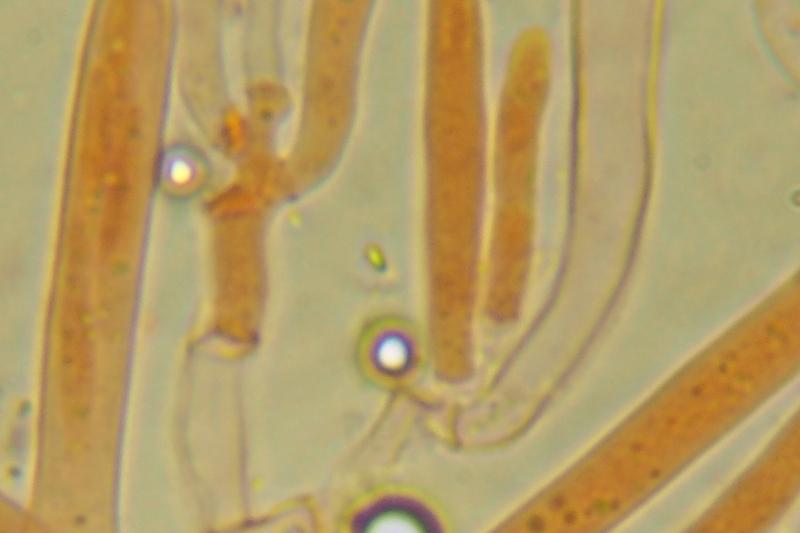
The outer hairs are long, smooth and tapering towards the end, with some exudate. The asci didn't appear to have croziers, ascus pore blue in Lugol's solution. Paraphyses lanceolate.
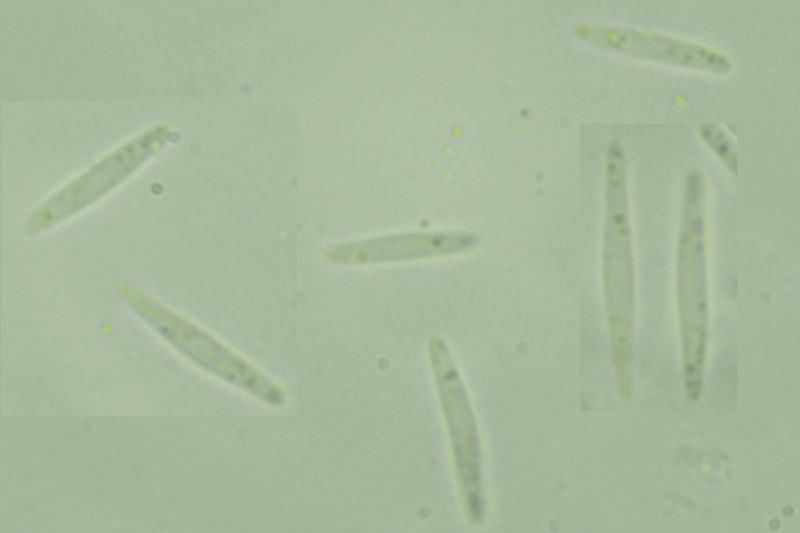
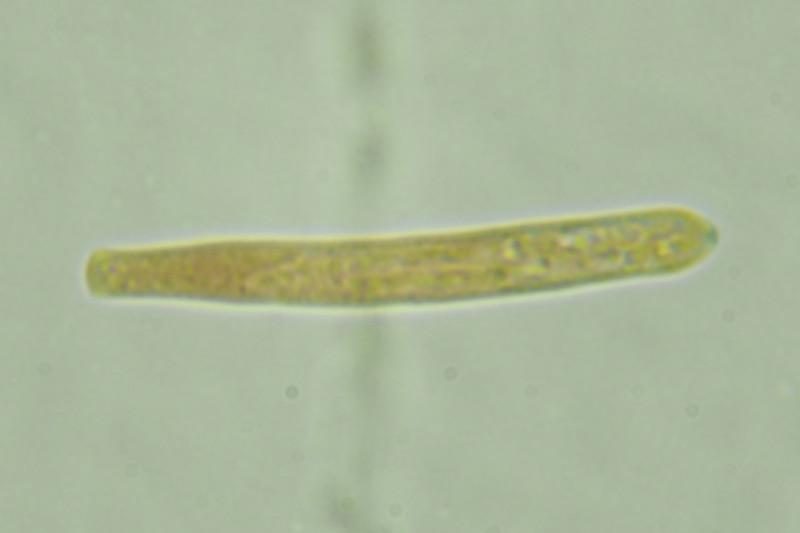
Spore measurements:
(9.5) 10.8 - 16.4 (17.8) × (1.7) 1.8 - 2.2 (2.3) µm
Q = (5.3) 6 - 7.8 (8.7) ; N = 15
Me = 13.7 × 2 µm ; Qe = 6.8
I'm pretty sure that this is either Albotricha or Dasyscyphella. Maybe A. acutipila or D. caduca?
Hans-Otto Baral,
08-07-2020 20:48

Re : Albotricha/Dasyscyphella?
If the croziers are absent it seems acutipila, though I would have suggested caduca which has croziers.
A difficult case, both species are genetically in Albotricha.
Juuso Äikäs,
08-07-2020 21:00
Re : Albotricha/Dasyscyphella?
Ok, I think I'll re-examine the sample in congo red and see if I missed something.
Juuso Äikäs,
08-07-2020 21:57
Re : Albotricha/Dasyscyphella?
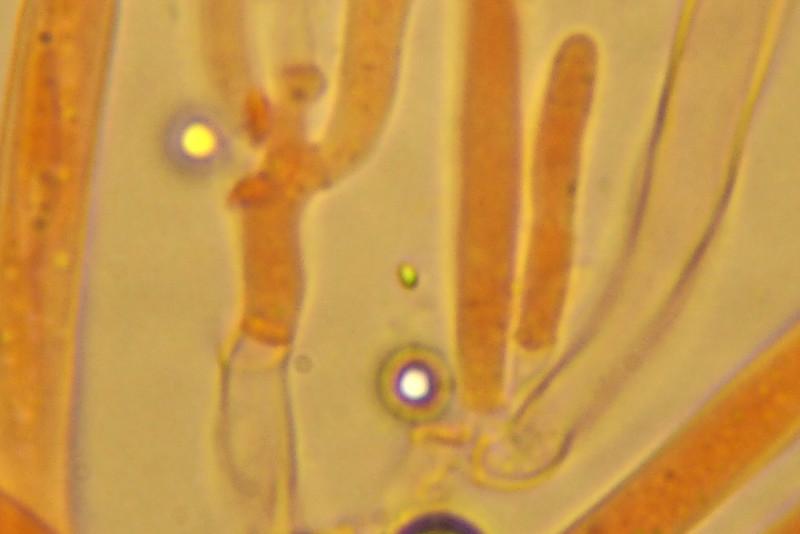
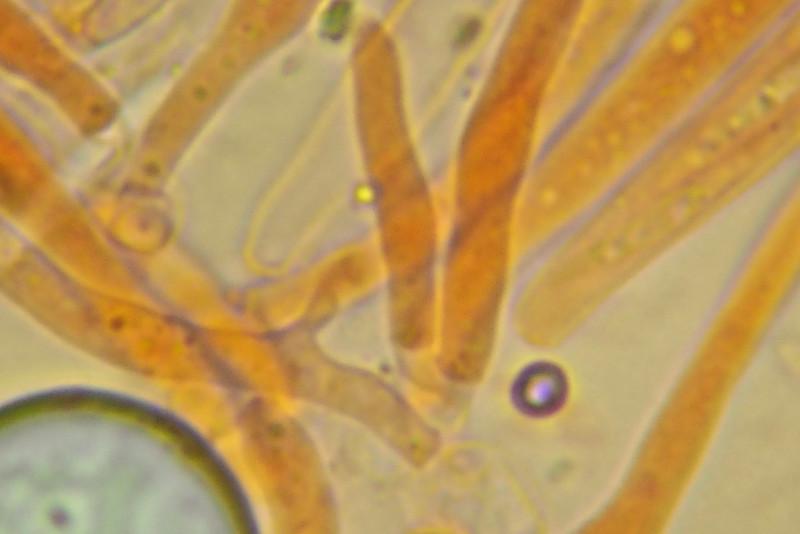
I checked the sample again and it seemed to be quite clearly without croziers.
Hans-Otto Baral,
08-07-2020 22:43
Re : Albotricha/Dasyscyphella?
Very clear! I am not sure if the croziers are also verified in the type specimens of these species, but in the concept I know it seems an important difference.