
11-05-2026 12:32
 Bernard CLESSE
Pourriez-vous m'aider à identifier cette héloti
13-05-2026 15:26
 François Freléchoux
Bonjour,Voici une récolte faite il y a quelques j
12-05-2026 15:41
 Nicolas VAN VOOREN
Dear Ascolovers, especially interested in Pezizale
13-05-2026 12:05
 Thierry Blondelle
Bonjour à tous,J'aimerais avoir confirmation de c
10-05-2026 23:17
 Andreas Gminder
Hello,today we found in a moist steep decidous for
28-04-2026 20:07
 Lothar Krieglsteiner
... on twig in the air at standing Ceratonia siliq
27-04-2026 20:52
Lothar Krieglsteiner
Found on hanging tiwg of Olea europaea in dried-ou
11-05-2026 20:22
Lothar Krieglsteiner
on attached twig of standing Ficus caricaquite uns
29-04-2026 10:44
Lothar Krieglsteiner
growing at moist, drying-out soil at the side of a
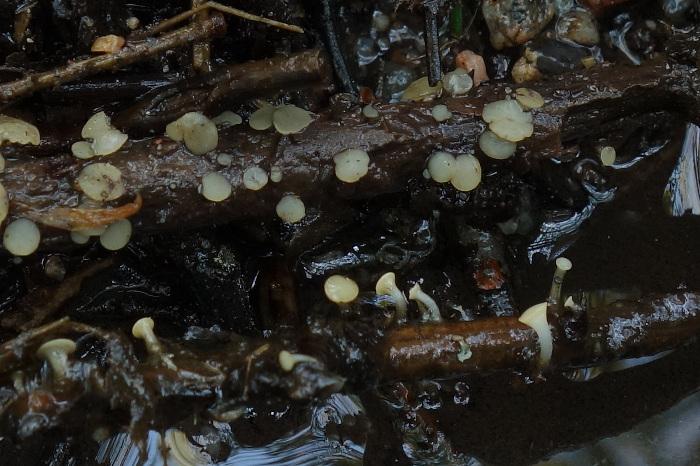
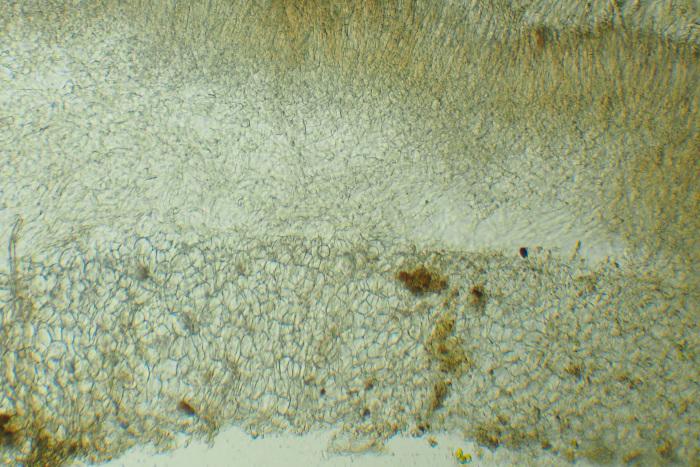
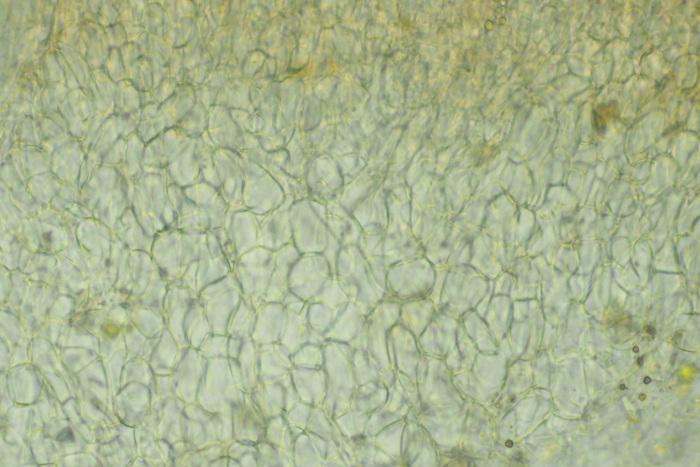
Hymenoscyphus vernus?
Juuso Äikäs,
22-05-2020 17:45
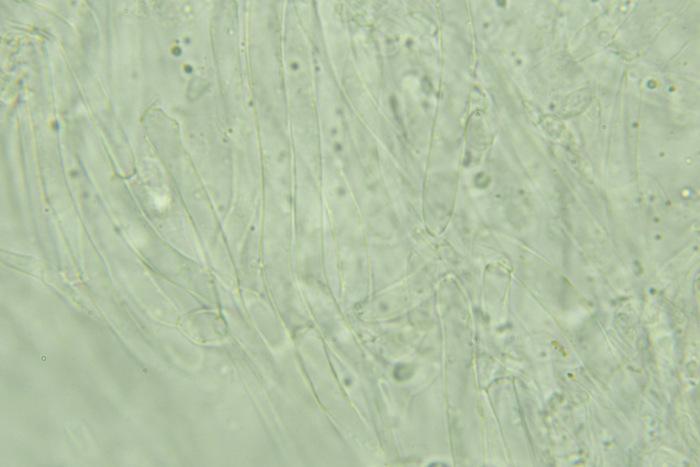
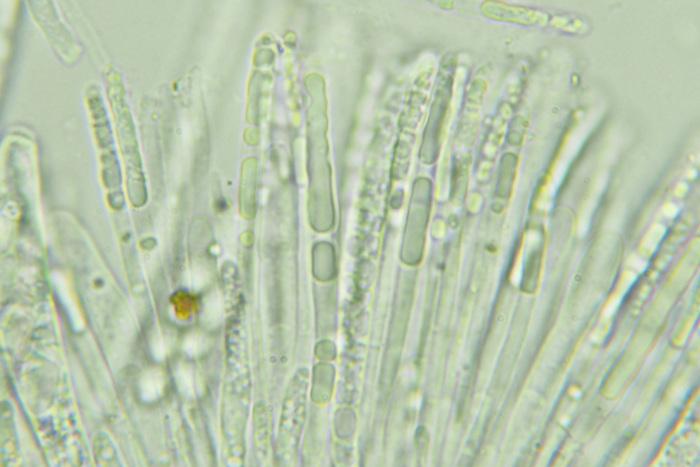
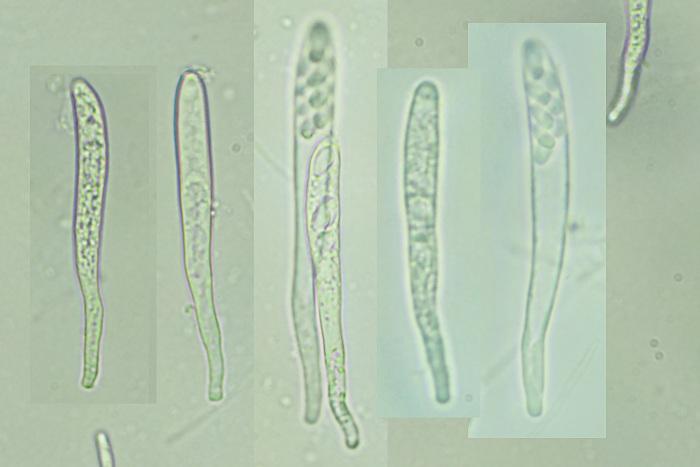
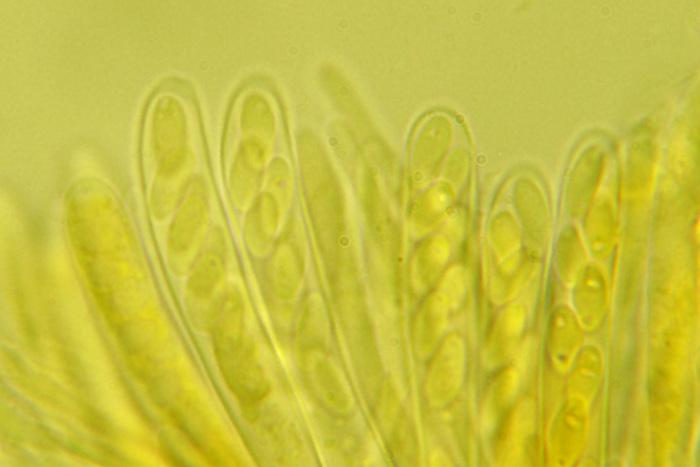
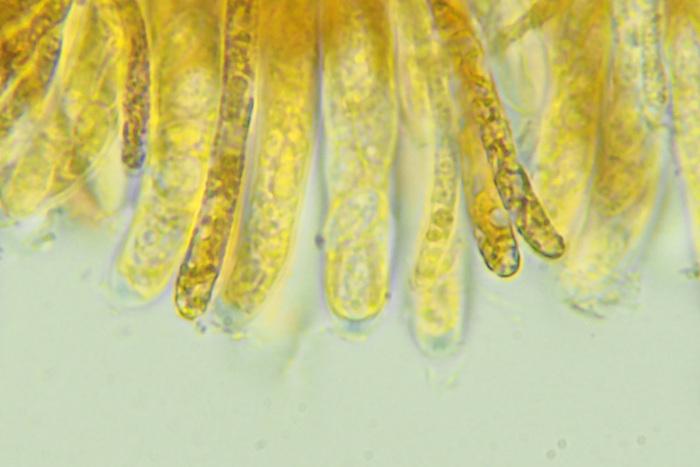
The asci seemed to be without croziers. I got almost no reaction with Melzer's but with Lugol's there was a fairly clear blue reaction with the apical pore.
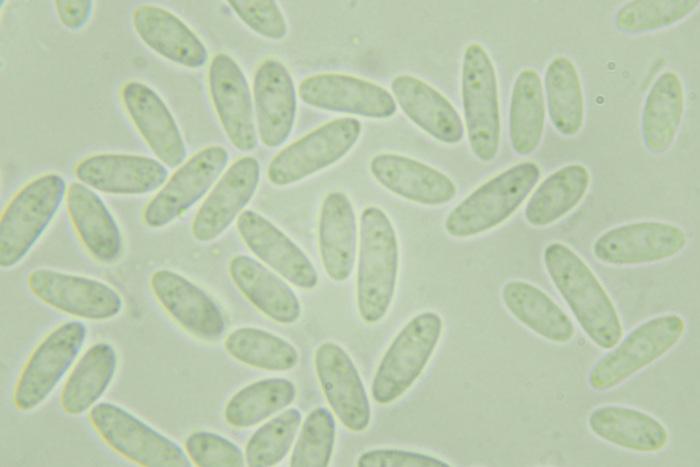
Spore measurements: (7.6) 8.3 - 12.2 (13.3) × (3.4) 3.5 - 4.3 (4.4) µm
Q = (2) 2.3 - 3.1 (3.5) ; N = 16
Me = 10.3 × 3.8 µm ; Qe = 2.7
So does this fit H. vernus or might this be something else? I've found Cudoniella clavus before in the same stream last summer but I think this is something different. That finding had croziers and the stems were brown towards the base.
Hans-Otto Baral,
22-05-2020 20:37

Re : Hymenoscyphus vernus?
Yes, this is a good fit. A dark base is typical for H. vernus, not sure if it occurs also in C. clavus. Genetically the two species are surely congeneric, but the absence of croziers and the narrower, more cylindrical spores are typical of H. vernus.
Juuso Äikäs,
22-05-2020 20:50
Re : Hymenoscyphus vernus?
Ok, many thanks! I looked at a couple ascocarps with 20X magnification and the base of the stem was blackish. The C. clavus that I've found had more a medium brown than a blackish base.
Hans-Otto Baral,
22-05-2020 21:16
Re : Hymenoscyphus vernus?
This is exactly the current case.