11-05-2026 12:32
 Bernard CLESSE
Pourriez-vous m'aider à identifier cette héloti
13-05-2026 15:26
 François Freléchoux
Bonjour,Voici une récolte faite il y a quelques j
12-05-2026 15:41
 Nicolas VAN VOOREN
Dear Ascolovers, especially interested in Pezizale
13-05-2026 12:05
 Thierry Blondelle
Bonjour à tous,J'aimerais avoir confirmation de c
10-05-2026 23:17
 Andreas Gminder
Hello,today we found in a moist steep decidous for
28-04-2026 20:07
 Lothar Krieglsteiner
... on twig in the air at standing Ceratonia siliq
27-04-2026 20:52
Lothar Krieglsteiner
Found on hanging tiwg of Olea europaea in dried-ou
11-05-2026 20:22
Lothar Krieglsteiner
on attached twig of standing Ficus caricaquite uns
29-04-2026 10:44
Lothar Krieglsteiner
growing at moist, drying-out soil at the side of a
I do not have the key for this type but I also do not know the species to which the characteristics of my collection would correspond.
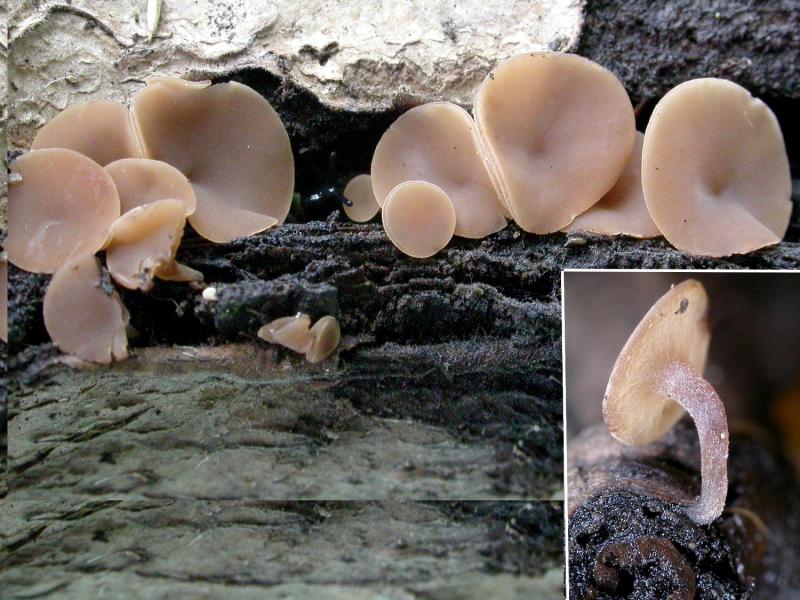
On the Zotto disk I also found the Ciboria collection on Salix. The microscopic features of my collection exactly match the collection presented on the Zotto disk, with one minor exception: in mine, the spores are slightly larger.
In addition, the sporocarps presented on the Zotto disk have long stems and grow on leaves.
I think they can be the same species even despite slight macroscopic differences.
I would like to know your opinion.
Mirek
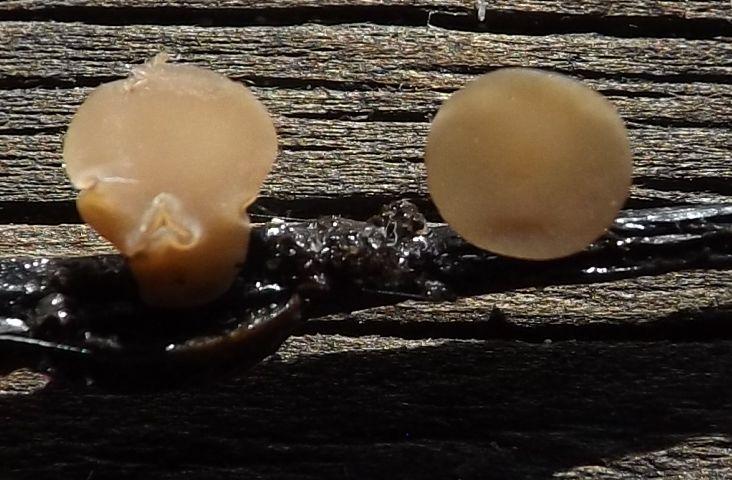
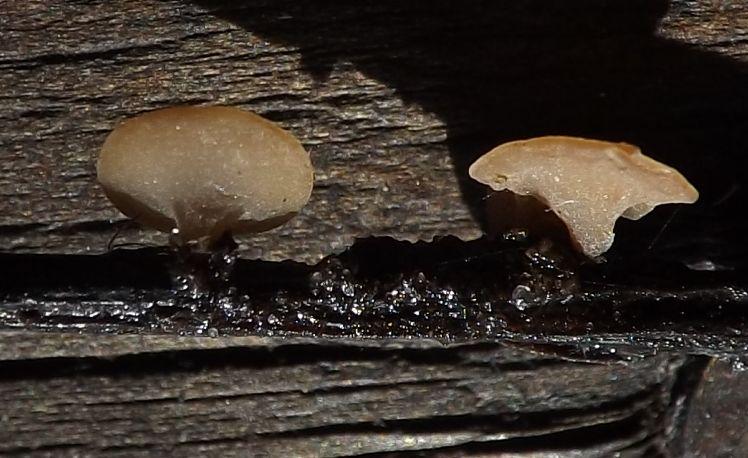
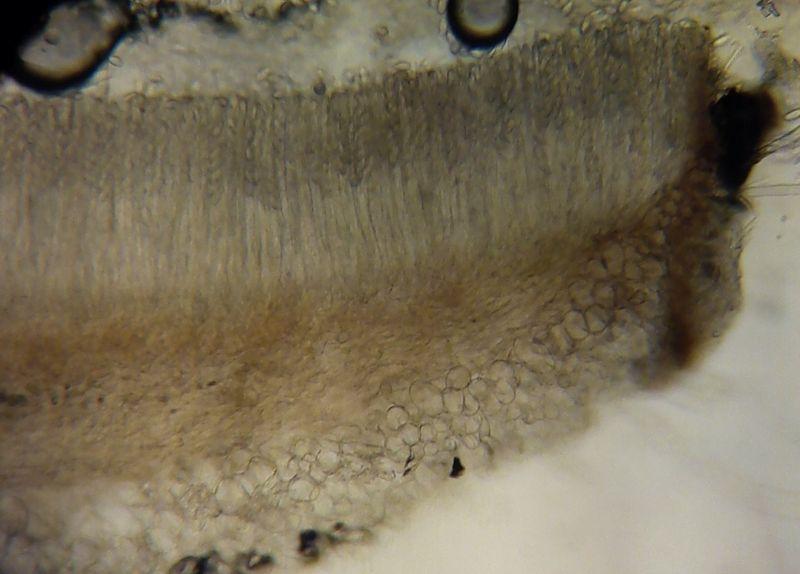
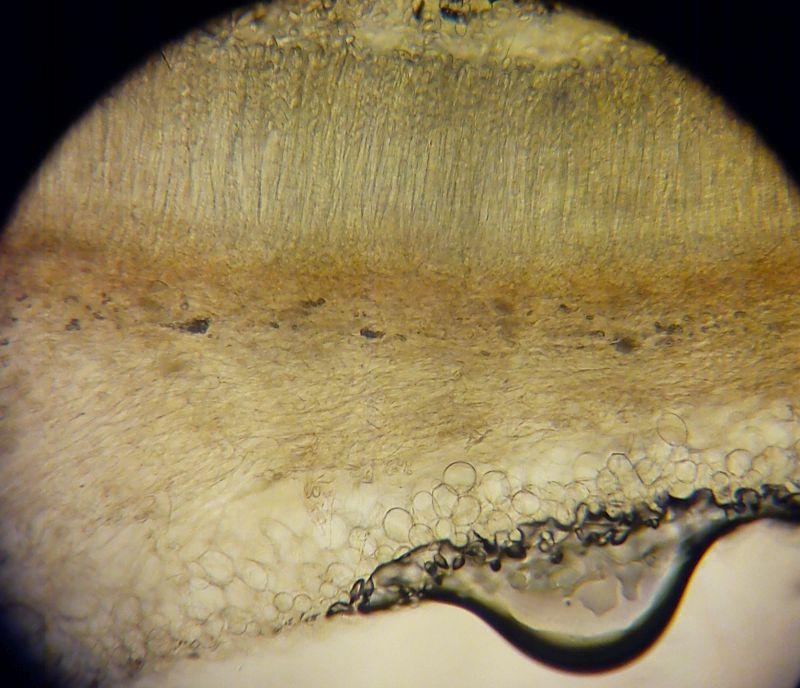
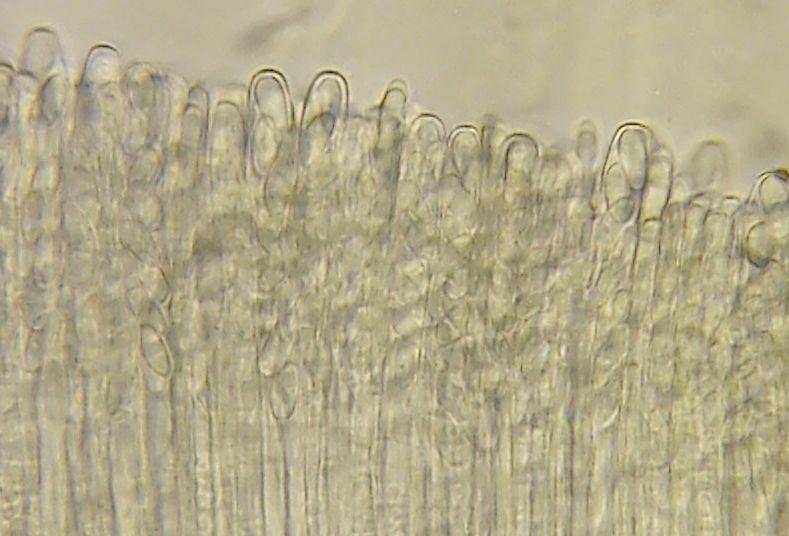
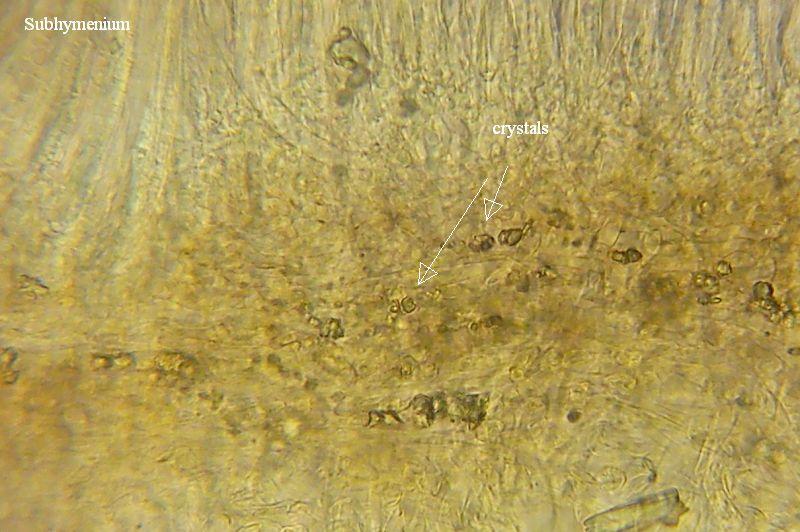
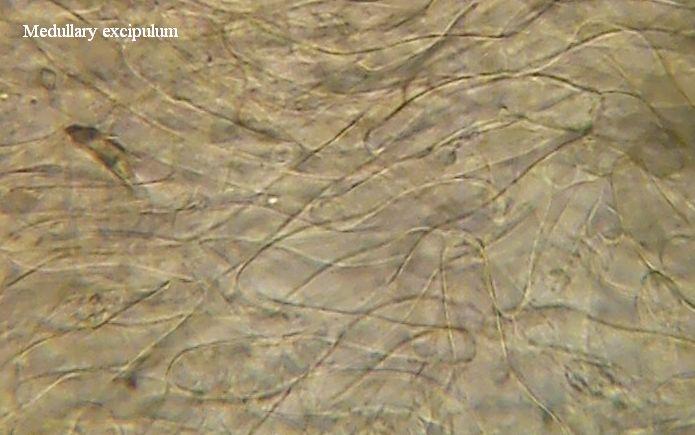
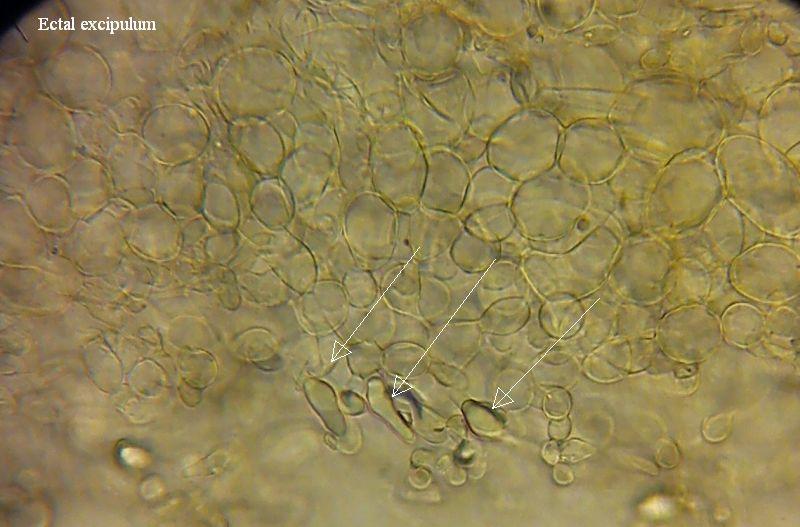
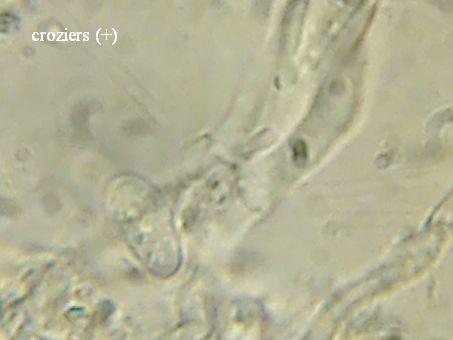
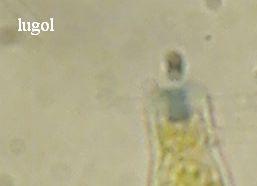
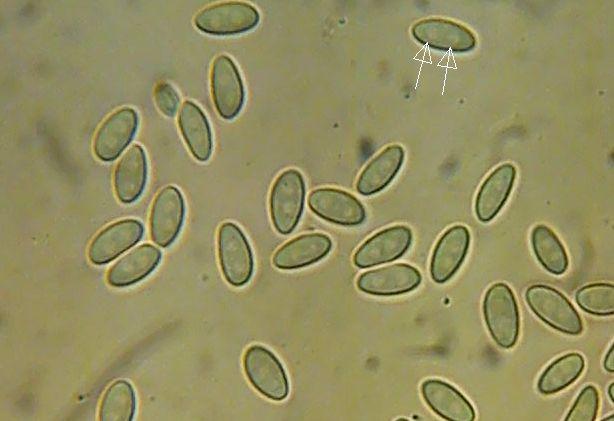
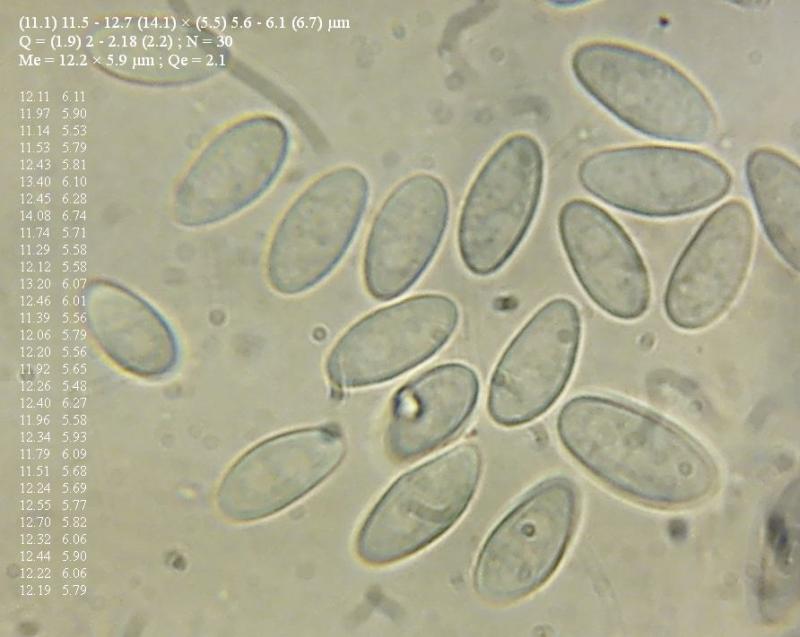

I completely agree with your opinion.
I did not find the presence of sclerota, so I did not look in Sclerotiniaceae.
Features of some collections differ in small details from mine but in general, my collection definitely belongs to this group.
Thank you very much and I wish you health!
Mirek

Hi Zotto, Myrek, and everyone,
There must be a late paper I overlooked as I did not know such a combination as Scleromitrula pseudobifrons.
If so , would you please share this publication ?
Amitiés. Michel
OK, thanks,
Among my collections of that species , this is a good opportunity to remember our gorgeous Mellasco meetings and the outings at Le Vanneau where this one was found . THis nowadays sounds as a golden age !
Michel