04-05-2026 18:13
 Stephen Martin Mifsud
ID request for what seems to be a true aquatic fun
04-05-2026 16:39
Stephen Martin Mifsud
ID request: This specimen was collected in Malta o
04-05-2026 09:50
 Castillo Joseba
Me mandan el material seco de Galicia,(España) re
28-04-2026 20:07
 Lothar Krieglsteiner
... on twig in the air at standing Ceratonia siliq
02-05-2026 12:42
Alain BRISSARDBonjour à tousJeuidi 30 avril dernier on m'a remi
02-05-2026 13:06
Pauline. PennaBonjour Please can someone help me with this id
01-05-2026 22:45
 Thierry Blondelle
Bonjour à tous, Une récolte sur bouse séchée d
14-04-2026 05:32
Ethan CrensonHi all, A few weeks back a friend pointed out som
28-04-2026 20:33
Vitus SchäfftleinHello, I found Trochila ilicina on Ilex aquifoliu
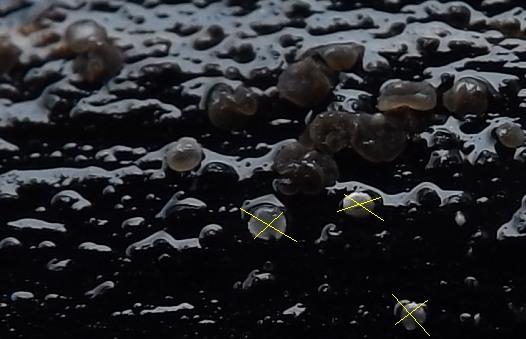
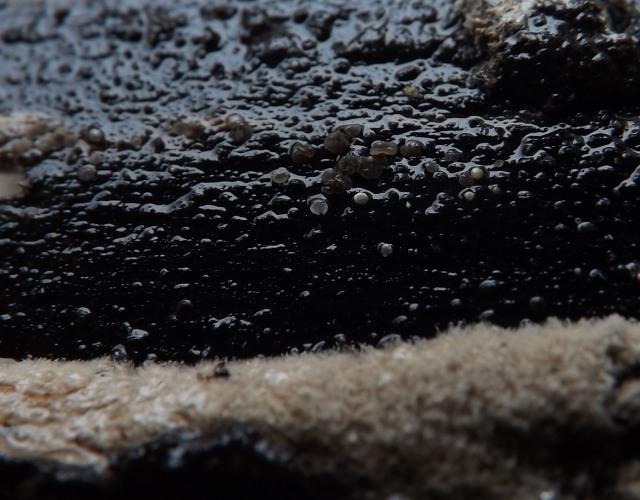
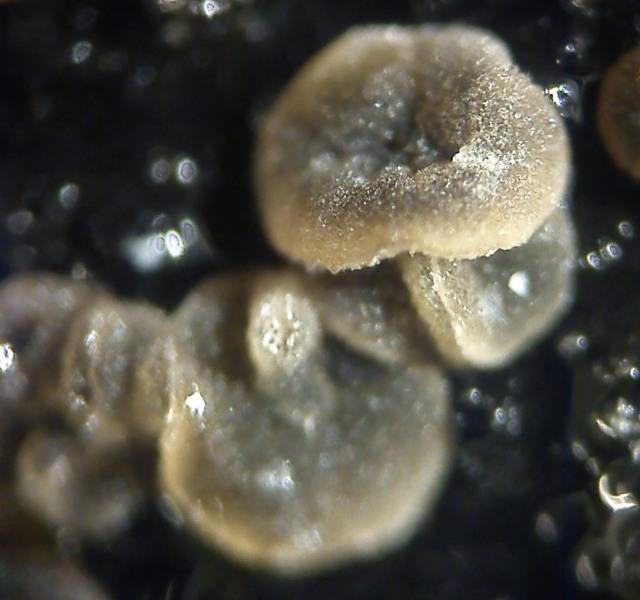
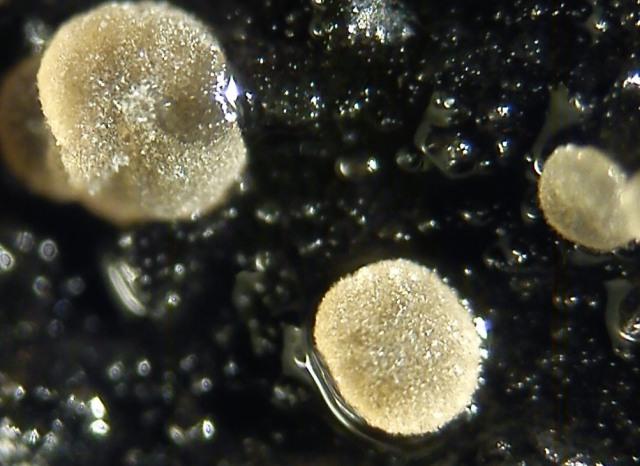
Several creamy sporocarps quite small. Maximum diameter up to 0.7mm.
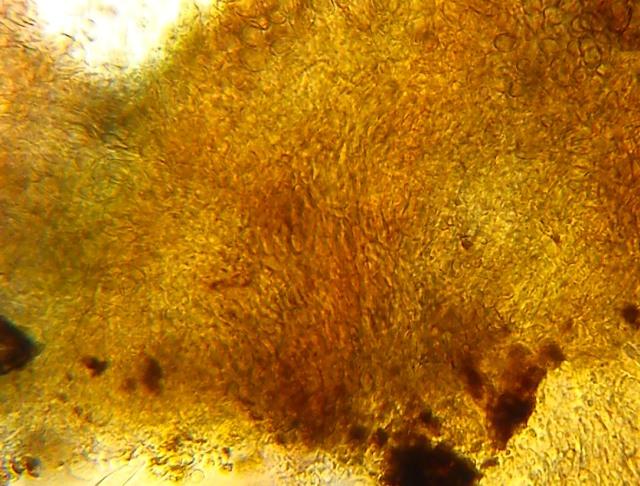
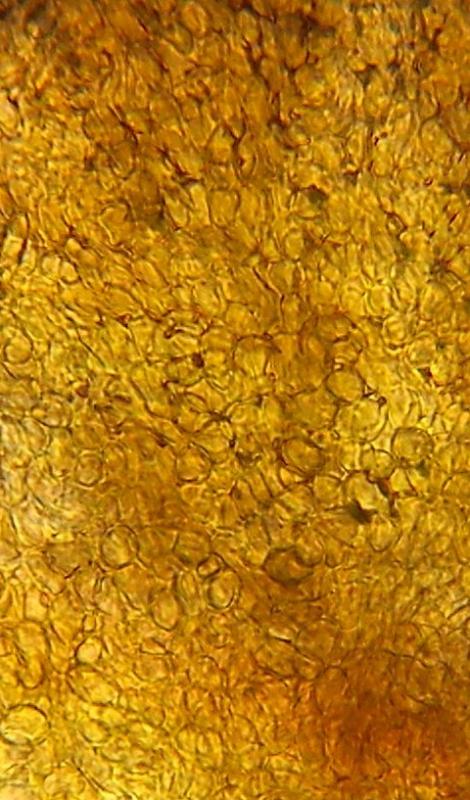
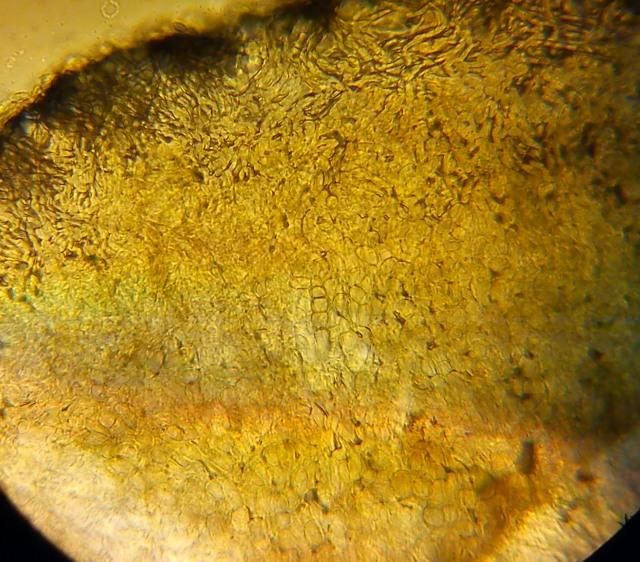
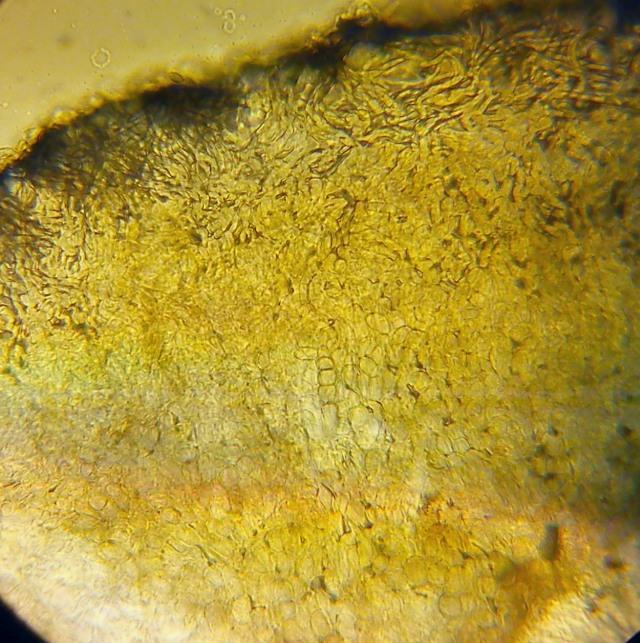
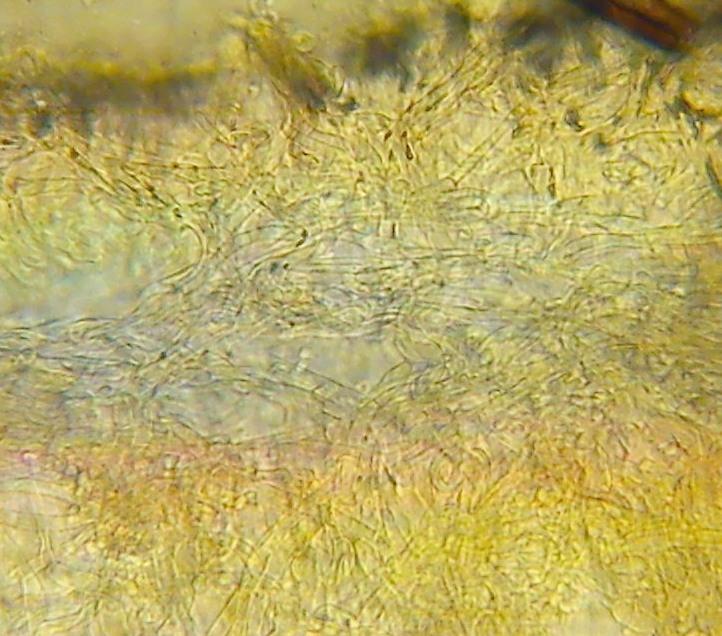
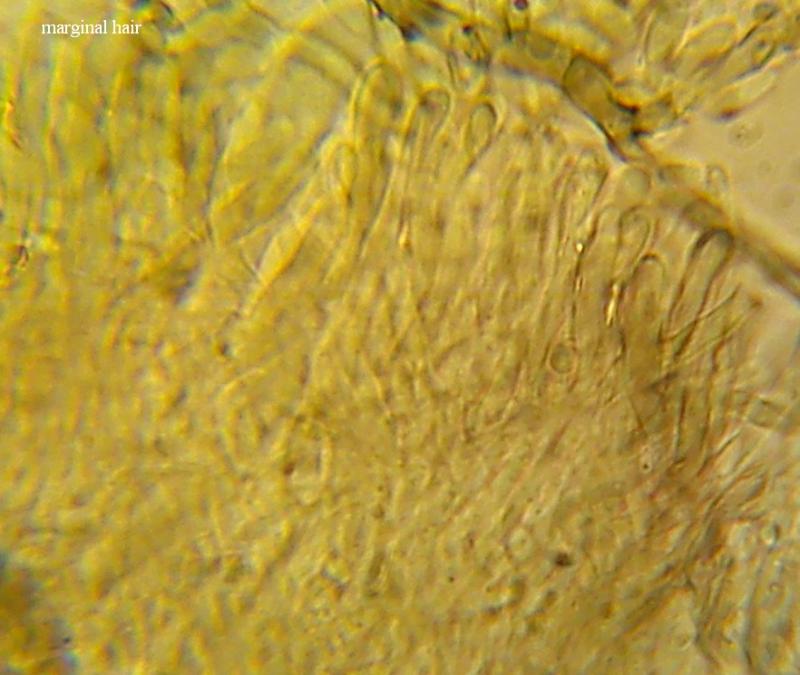
The outer surface of the fruiting body is composed of brown cells. At the base of the sporocarp, more oval, gradually lengthen up to the margin where they form fairly long cylindrical hair.
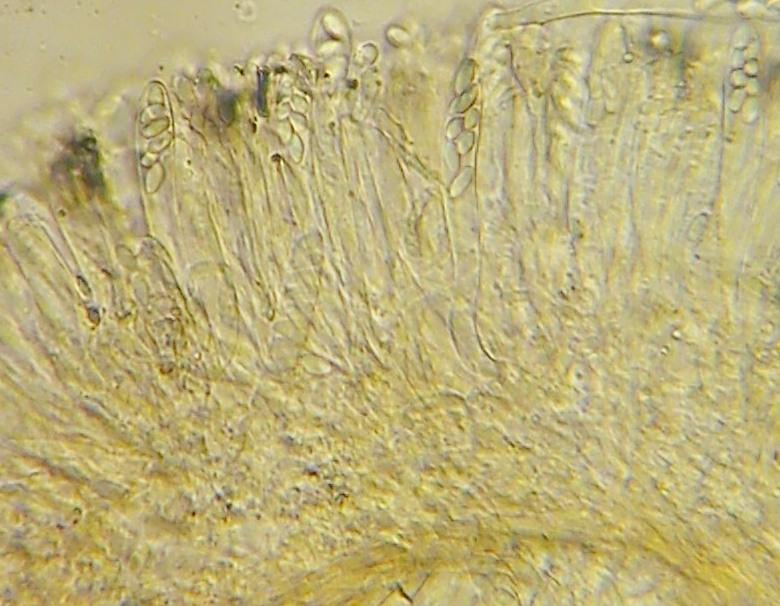
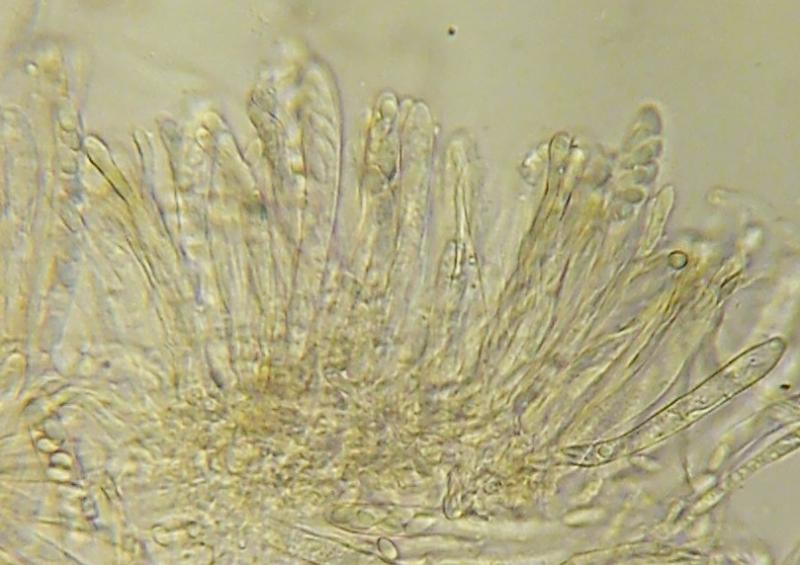
6.94 3.60
7.11 3.61
7.12 3.34
6.84 3.39
6.93 3.65
6.33 3.06
7.07 3.34
5.96 3.65
6.14 3.34
6.66 3.19
7.30 3.27
6.88 3.44
No idea!
Mirek
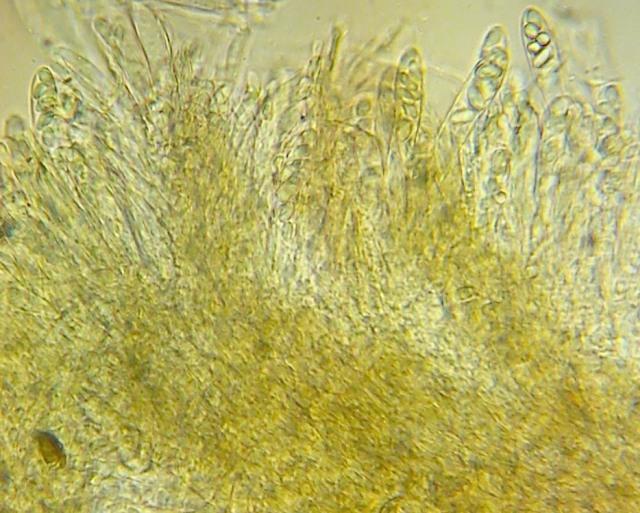
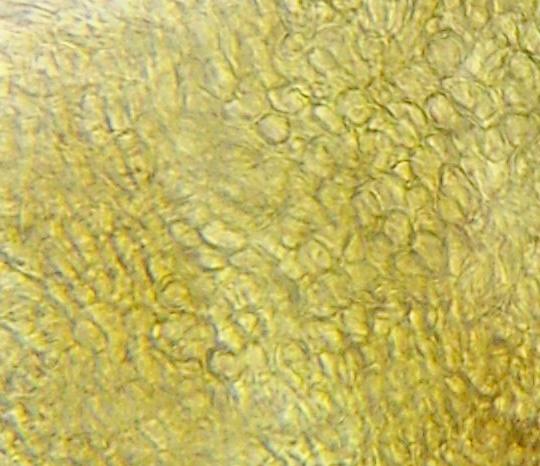
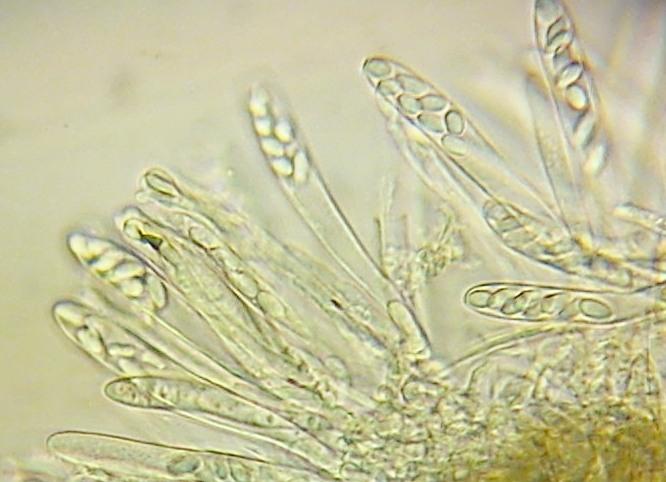
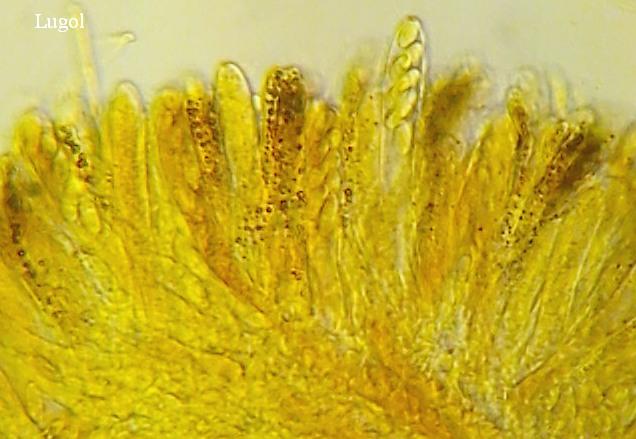
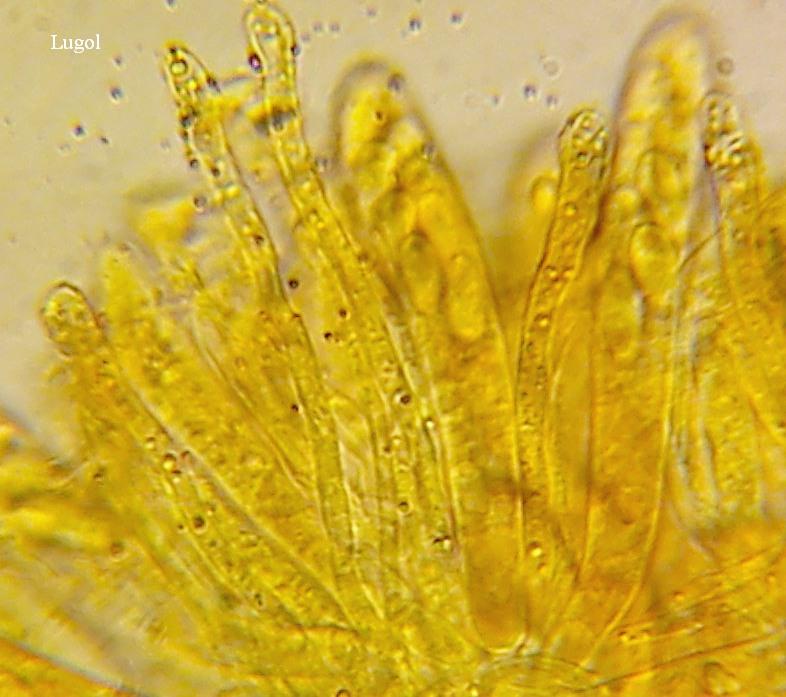
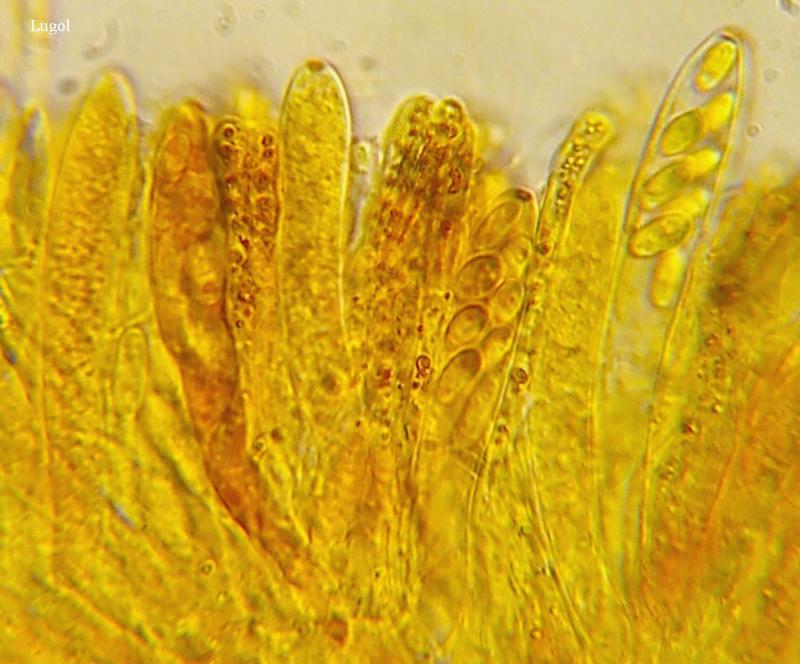
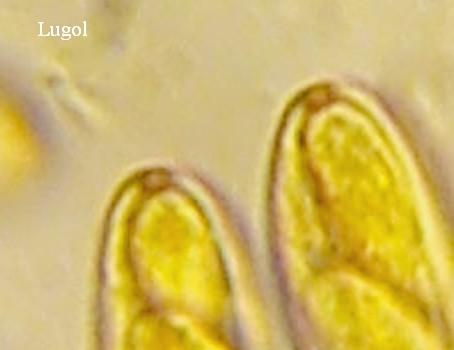
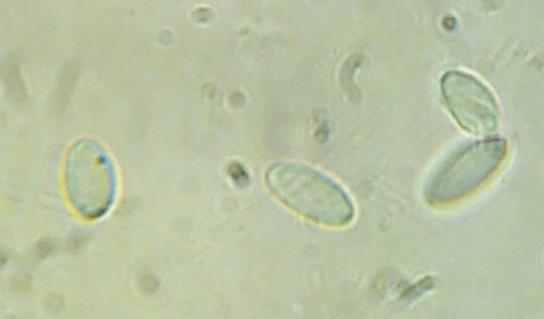
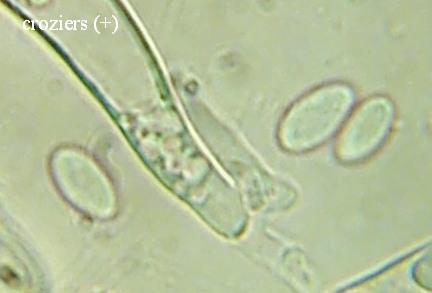

If I understood correctly, even the genus is unclear?
Mirek

It still surprises me with its richness :)
Of course, I will keep the sporocarps. If they are interested in someone, they will be happy to share. Personally, I have no possibility of more accurate research (sequencing).
Thank you!
Mirek

I doubt they have anything to do with Polydesmia. I know this species and the microscopic structure does not resemble them at all?
The sporocarps are very thin so internal textures are difficult to observe. In principle, what could be shown is visible in the pictures.
I put some more photos showing the external surface and one more macro photo. The marked, white fruitbodies are something completely different, but I didn't have time to examine them.
Mirek.