
22-04-2026 20:17
 Marian Jagers
Is anyone familiar with the Hyphomycetes genus Pse
22-04-2026 20:54
 Enrique Rubio
Hi to everybody.This Pyrenopeziza grew in moist le
22-04-2026 01:06
 Richard VALERI
Bonjour à tous.Je vous présente cette Nectria s.
21-04-2026 13:36
Gernot FriebesHi,I am out of ideas for this one. I collected Sal
21-04-2026 13:19
Gernot FriebesHi,this Lophodermium on Typha has ascospores measu
21-04-2026 13:05
Gernot FriebesHi,this hyphomycete feels familiar but I was not a
20-04-2026 22:00
 Malcolm Greaves
These pale yellow, hairy ascos were growing on cul
Moellerodiscus sp?? Rubus ulmifolius
Valencia Lopez Francisco Javier,
17-02-2020 00:10
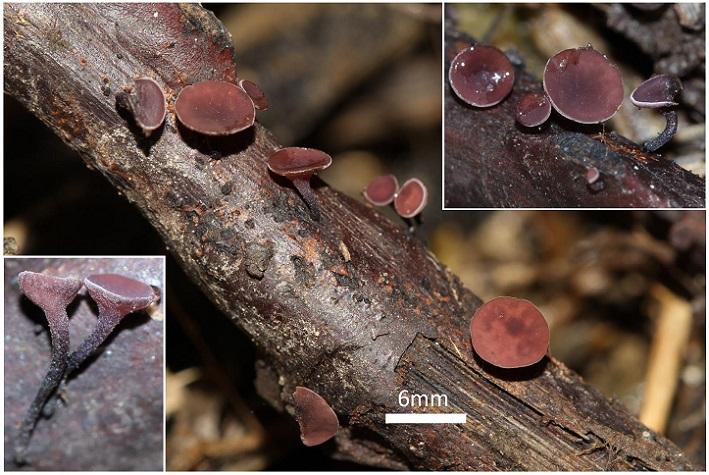
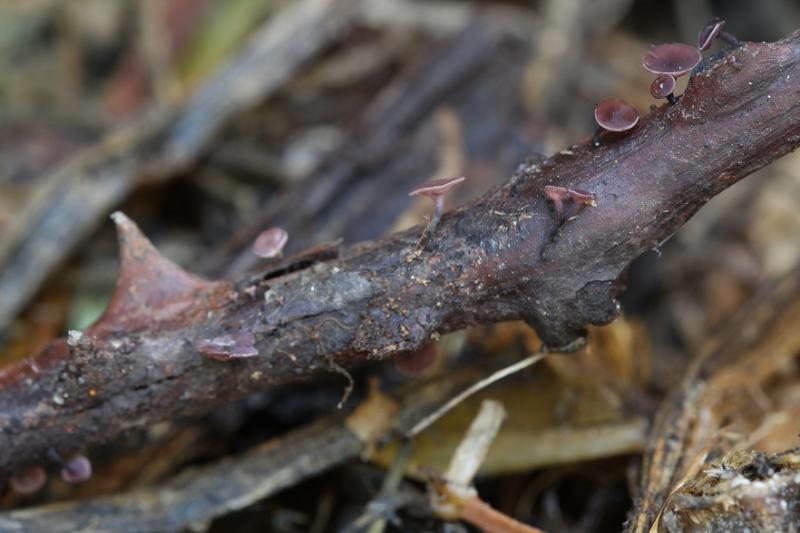
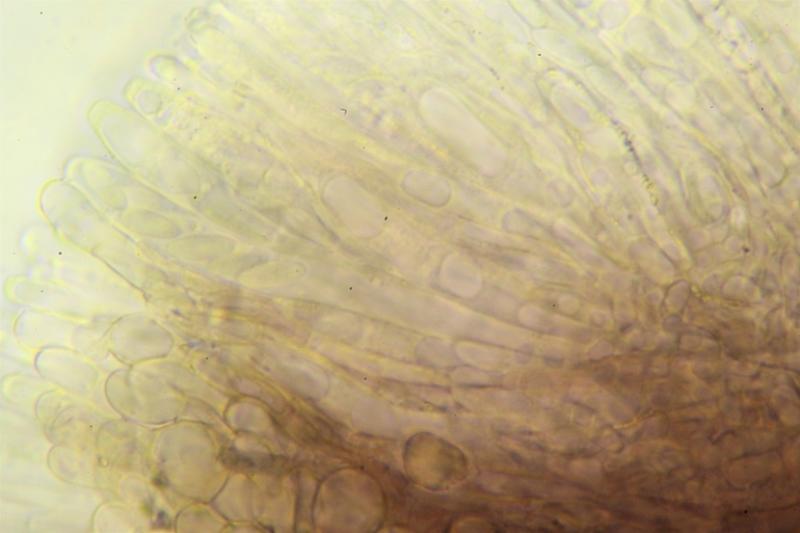
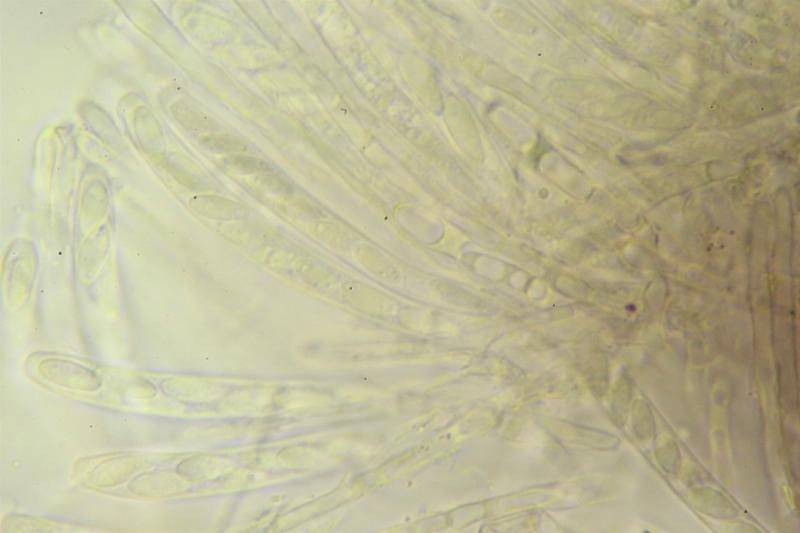
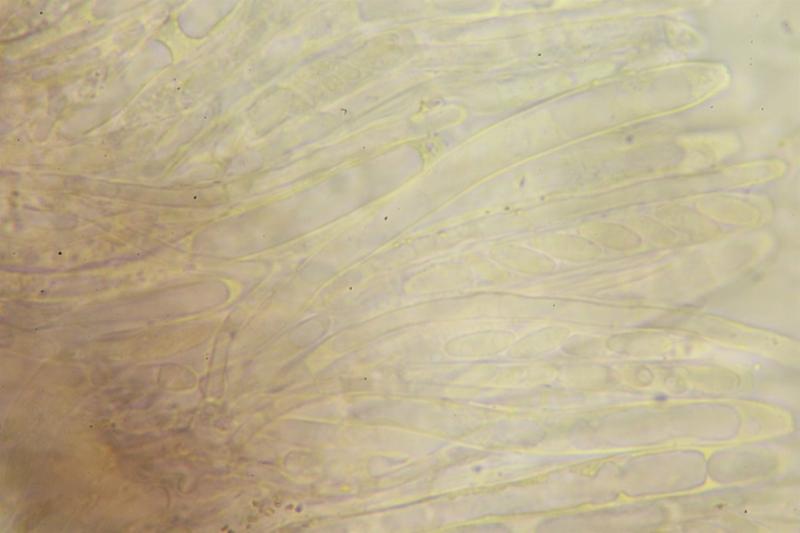
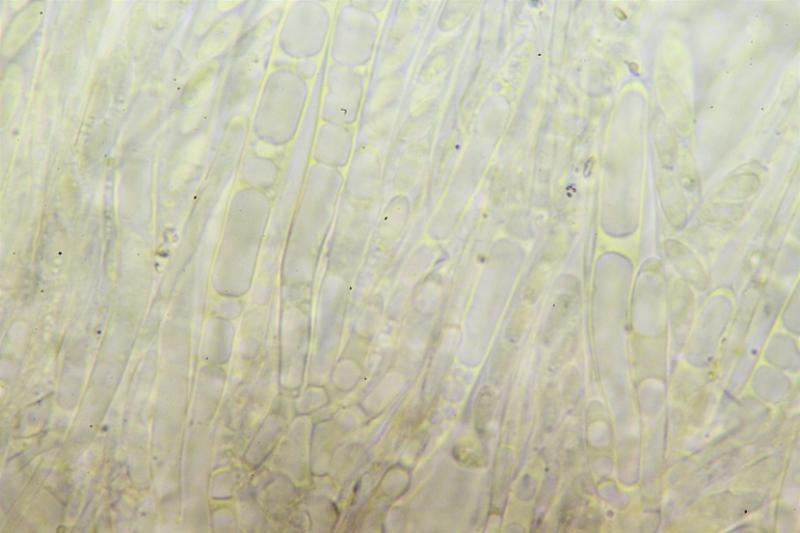
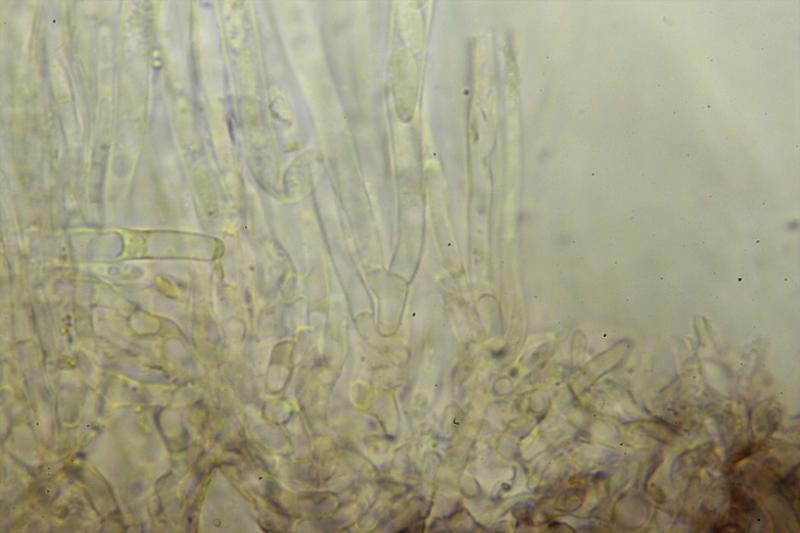
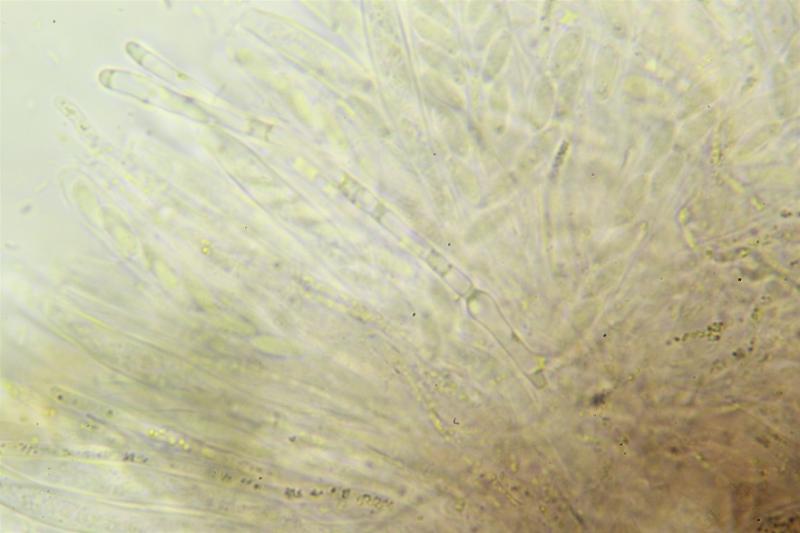
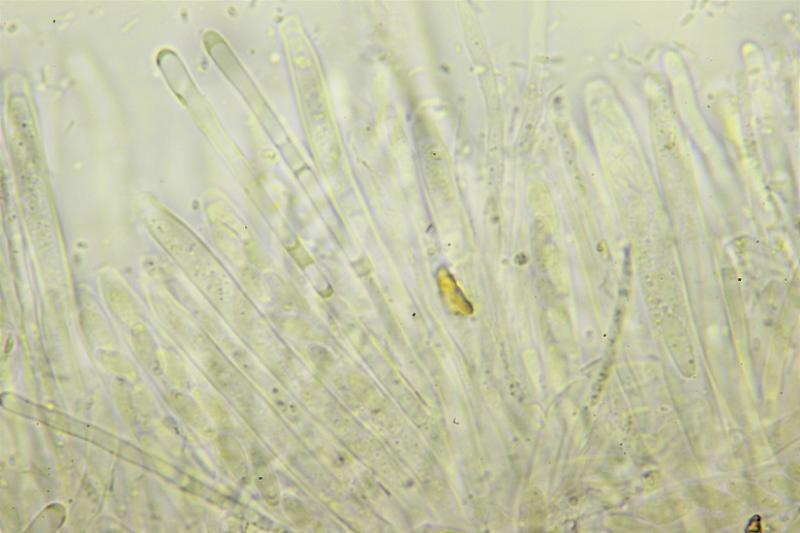
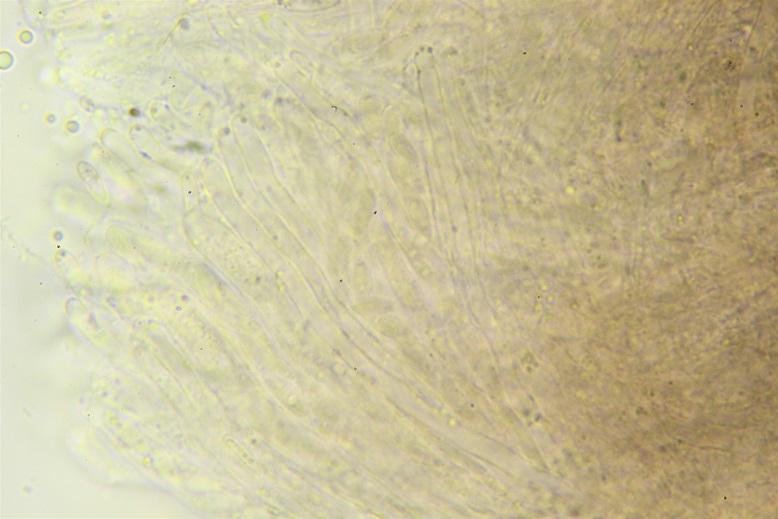
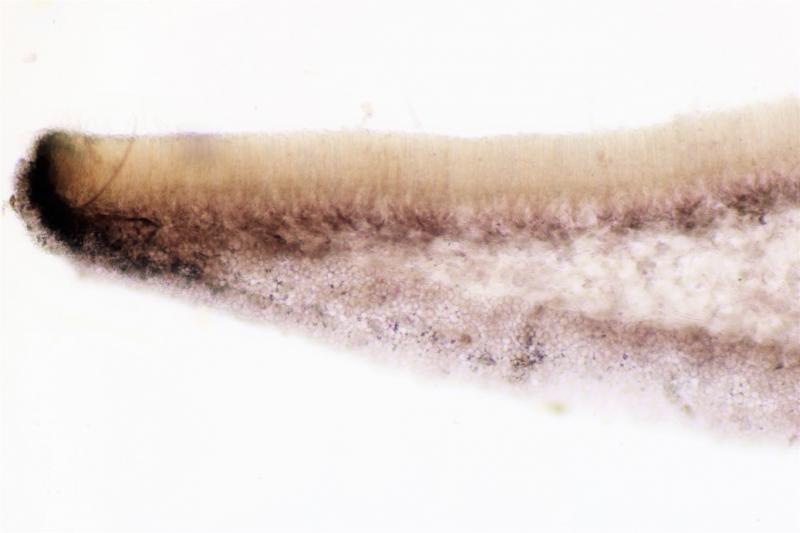
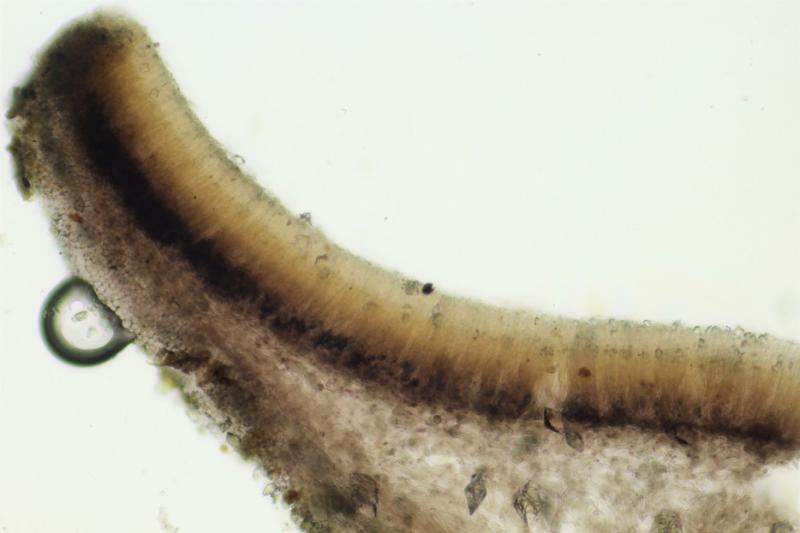
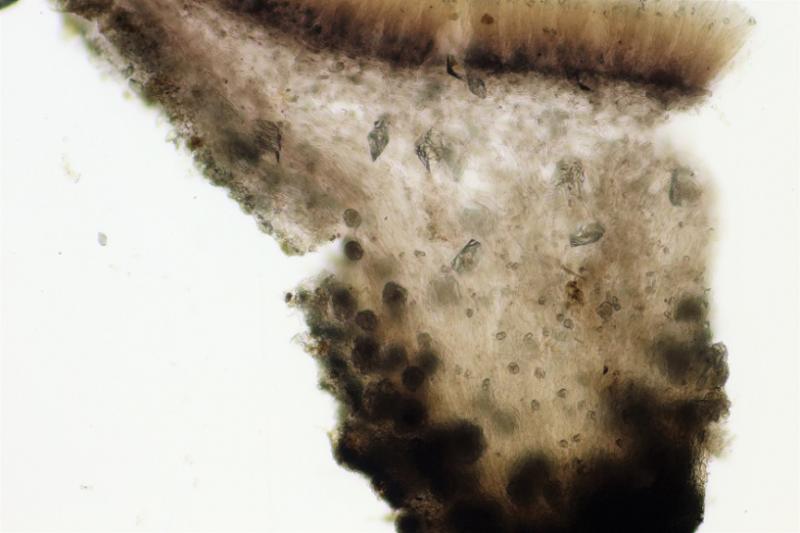
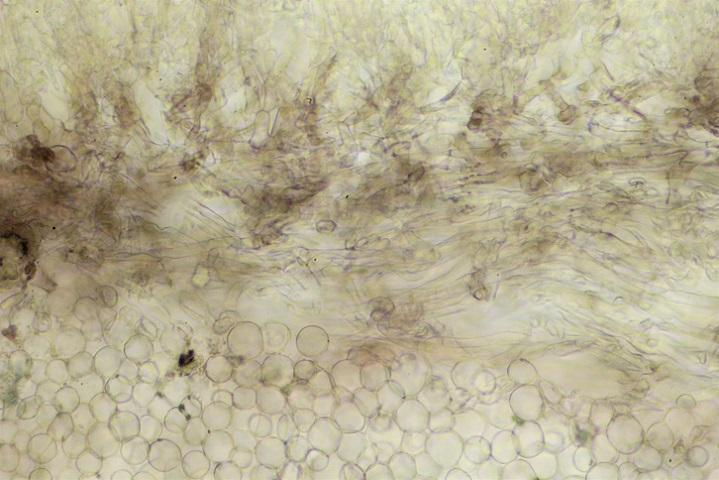
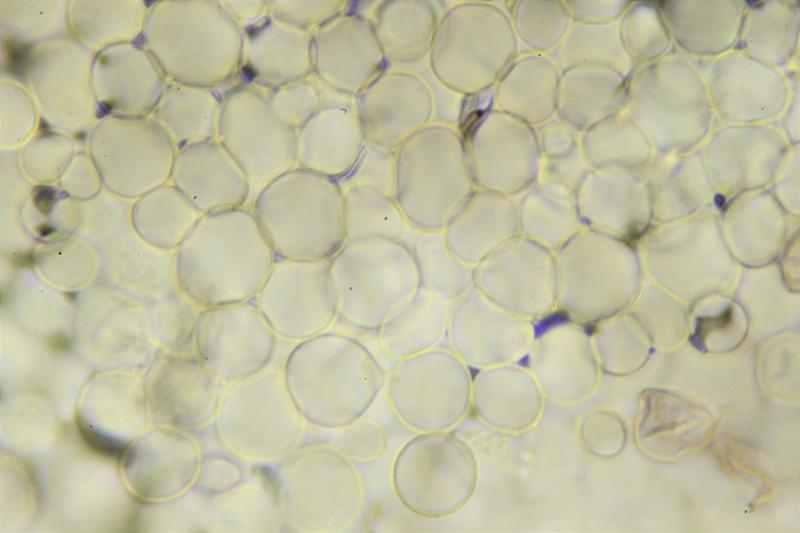
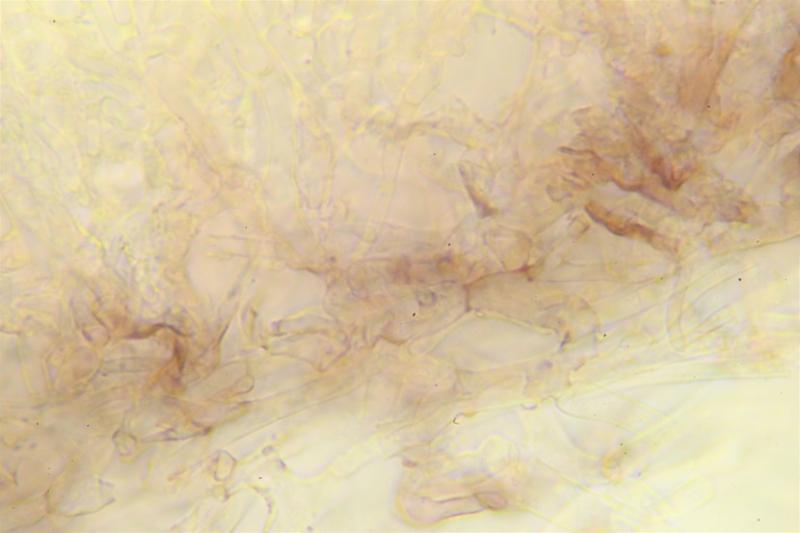
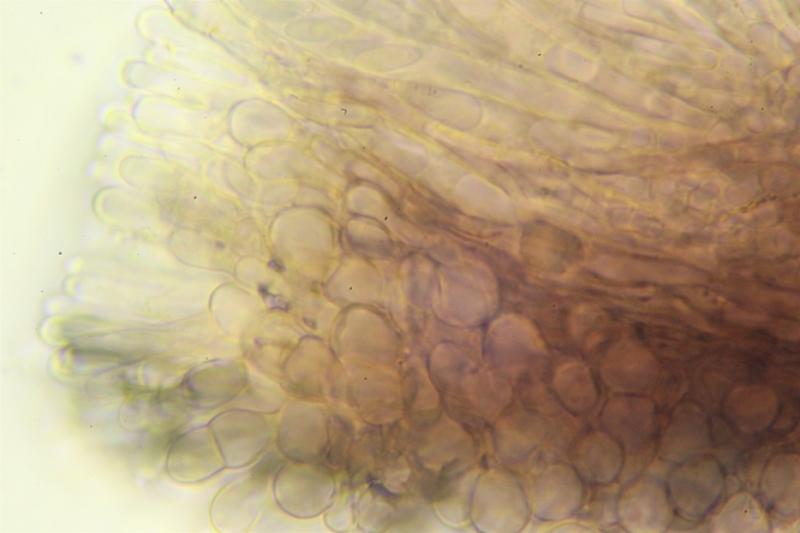
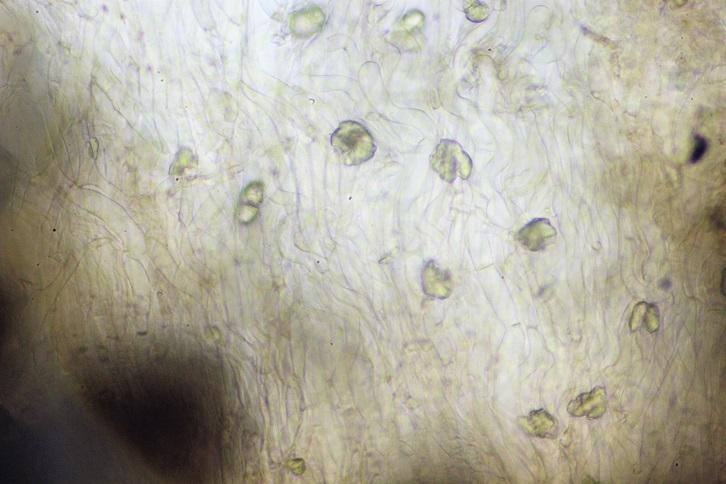
Adjunto algunas fotos de unos supuestos Moellerodiscus sp, recolectados en ramitas muertas de Rubus ulmifolius, en un lugar húmedo dentro de una plantación de aguacates (Persea amaricana) en Nerja (Málaga)
Apotecios de hasta 6mm aproximadamente, de color violeta oscuro, con el margen y el estípite furfuráceo.
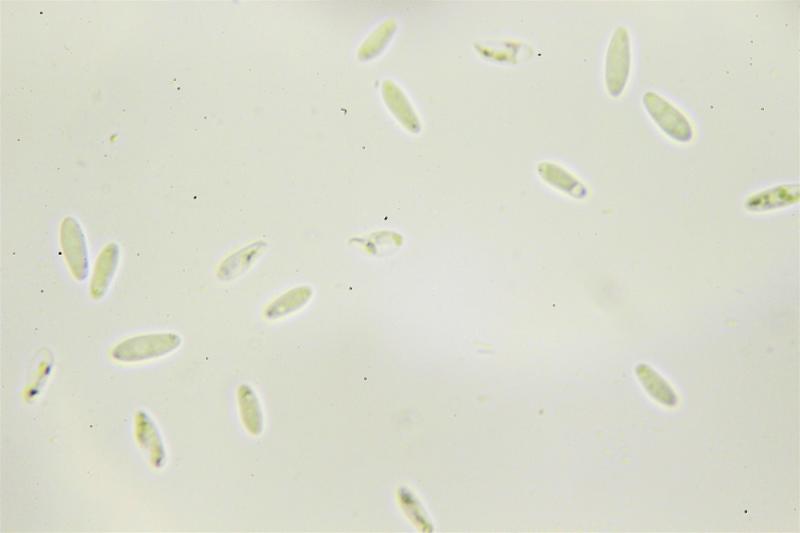
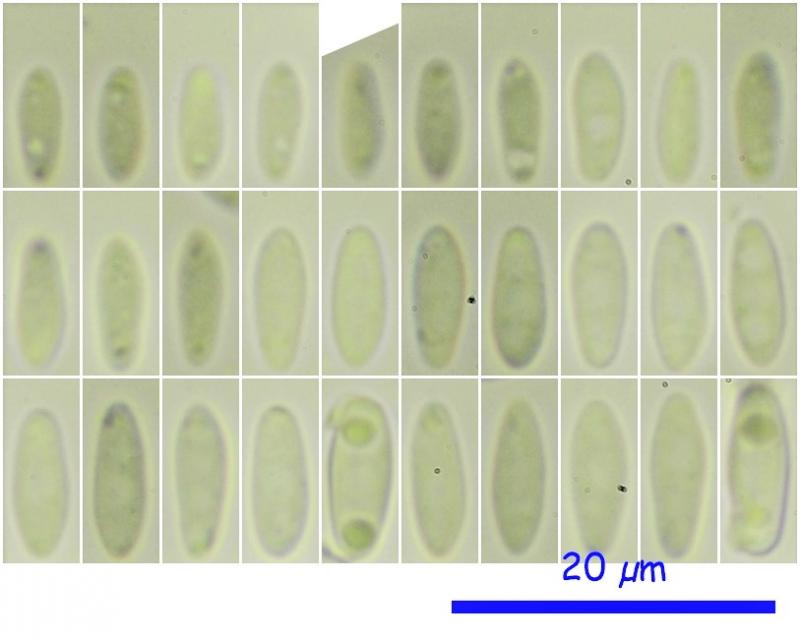
Esporas de: (6,9) 7,4 - 9,7 (10,6) × (2,5) 2,8 - 3,6 (3,9) µm
Q = (2,3) 2,5 - 2,9 (3,0) ; N = 30
Me = 8,6 × 3,2 µm ; Qe = 2,7
Paráfisis (ápice) de: (2,0) 2,3 - 3,1 (3,3) µm
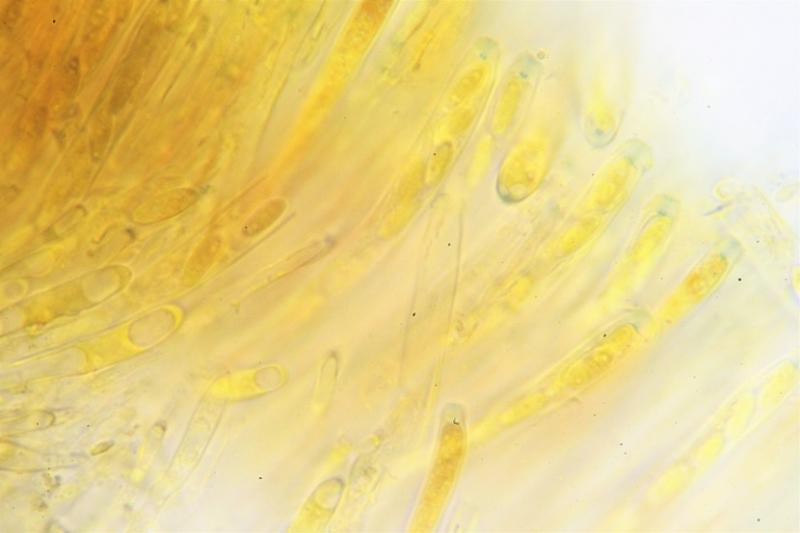
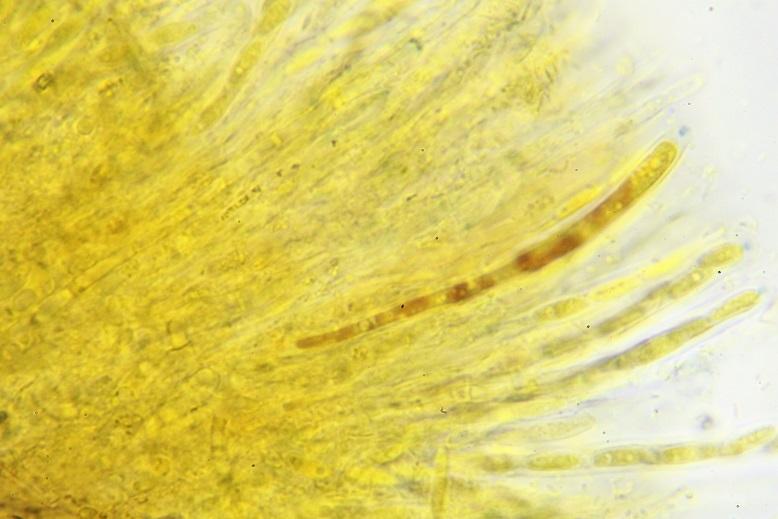
Los demás caracteres macro/micro quedan reflejados en las fotografías adjuntas.
Moellerodiscus sp, parece una buena opción, he consultado en las carpetas de Google drive esta colección de Zotto (Moellerodiscus Rubus H+ NO VBs ) y tiene cierta similitud, difiere en que esta parece que presenta croziers en la base de las ascas y el color de los apotecios son diferentes, no violetas.
Me gustaría contar con vuestra opinión.
Gracias anticipadas y saludos a todos.
Curro Valencia.
Raúl Tena Lahoz,
17-02-2020 08:04

Re : Moellerodiscus sp?? Rubus ulmifolius
Hola Curro
It looks as the widespread Ciboria ("Moellerodiscus") aestivalis... But the species type still has to be checked to confirm the absence of croziers and other features... It would be good if you could check the hemiamyloidity of the rounded excipular cells and also marginal cells... I recommend to pre-treat with KOH first, then wash gently with water and finally add Lugol... I think you will obtain a blue reacción... I see a couple of spores with LBs... Strange and interesting!
Un saludo,
Raúl
It looks as the widespread Ciboria ("Moellerodiscus") aestivalis... But the species type still has to be checked to confirm the absence of croziers and other features... It would be good if you could check the hemiamyloidity of the rounded excipular cells and also marginal cells... I recommend to pre-treat with KOH first, then wash gently with water and finally add Lugol... I think you will obtain a blue reacción... I see a couple of spores with LBs... Strange and interesting!
Un saludo,
Raúl
Valencia Lopez Francisco Javier,
17-02-2020 23:57
Re : Moellerodiscus sp?? Rubus ulmifolius
Hola Raul
Me alegro de escucharte de nuevo por aquí!!
Muchas gracias por tus observaciones, desgraciadamente no puedo testar la hemiamiloide de las células excipulares redondas y las células marginales, al menos con apotecios frescos, estos estuvieron algunos días en la nevera y las ramitas empezaron a degradarse, los tuve que secar rápidamente, mañana intentaré hidratar un apotecio a ver qué tal sale, imagino que si la reacción hemiamiloide es evidente, tendrá que funcionar también con material de herbario.
Esta reacción hemiamiloide es una característica de Moellerodiscus?? Conozco Ciboria americana y recuerdo que también reaccionan las células excipulares con IKI.
Saludos
Curro Valencia
Me alegro de escucharte de nuevo por aquí!!
Muchas gracias por tus observaciones, desgraciadamente no puedo testar la hemiamiloide de las células excipulares redondas y las células marginales, al menos con apotecios frescos, estos estuvieron algunos días en la nevera y las ramitas empezaron a degradarse, los tuve que secar rápidamente, mañana intentaré hidratar un apotecio a ver qué tal sale, imagino que si la reacción hemiamiloide es evidente, tendrá que funcionar también con material de herbario.
Esta reacción hemiamiloide es una característica de Moellerodiscus?? Conozco Ciboria americana y recuerdo que también reaccionan las células excipulares con IKI.
Saludos
Curro Valencia