28-04-2026 20:07
 Lothar Krieglsteiner
... on twig in the air at standing Ceratonia siliq
04-05-2026 18:13
 Stephen Martin Mifsud
ID request for what seems to be a true aquatic fun
04-05-2026 16:39
Stephen Martin Mifsud
ID request: This specimen was collected in Malta o
04-05-2026 09:50
 Castillo Joseba
Me mandan el material seco de Galicia,(España) re
02-05-2026 12:42
Alain BRISSARDBonjour à tousJeuidi 30 avril dernier on m'a remi
02-05-2026 13:06
Pauline. PennaBonjour Please can someone help me with this id
01-05-2026 22:45
 Thierry Blondelle
Bonjour à tous, Une récolte sur bouse séchée d
14-04-2026 05:32
Ethan CrensonHi all, A few weeks back a friend pointed out som
28-04-2026 20:33
Vitus SchäfftleinHello, I found Trochila ilicina on Ilex aquifoliu
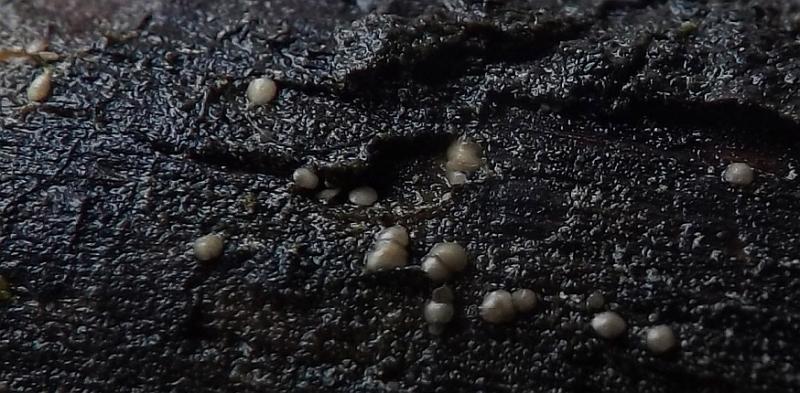
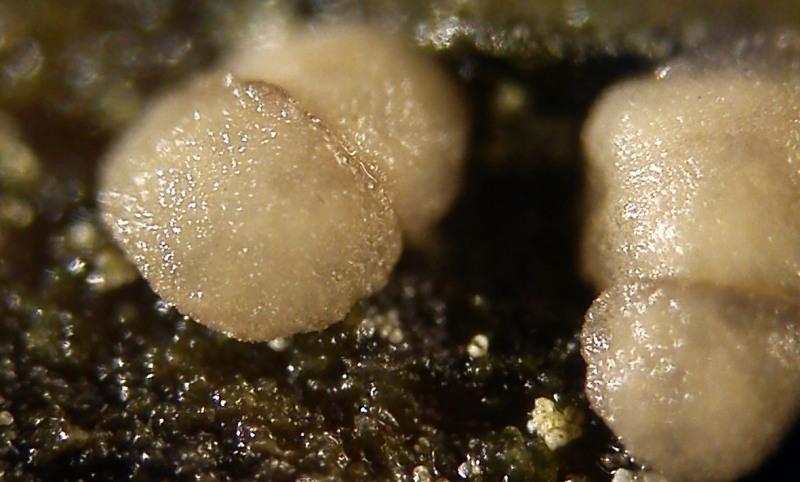
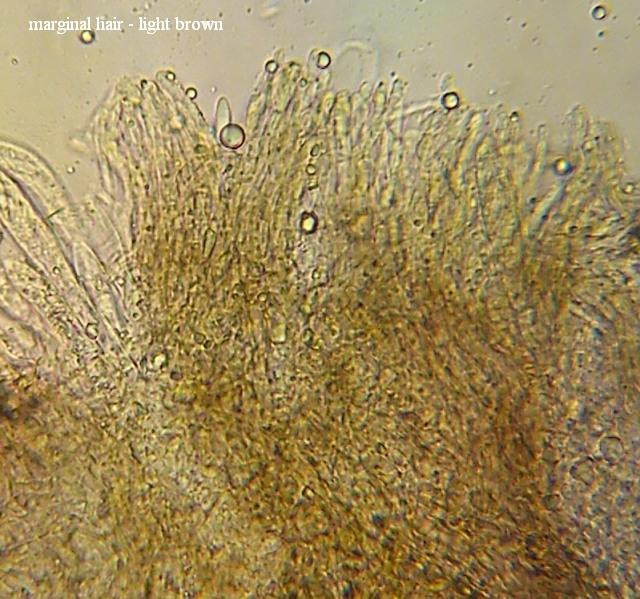
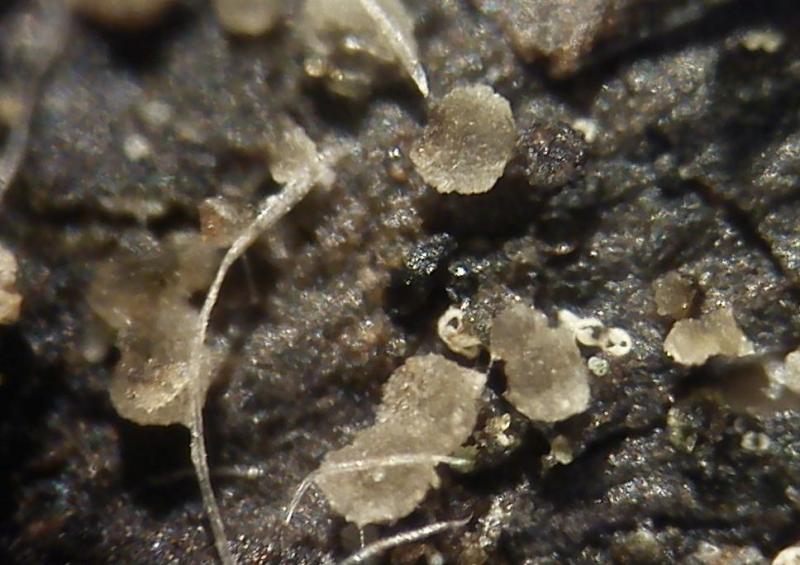
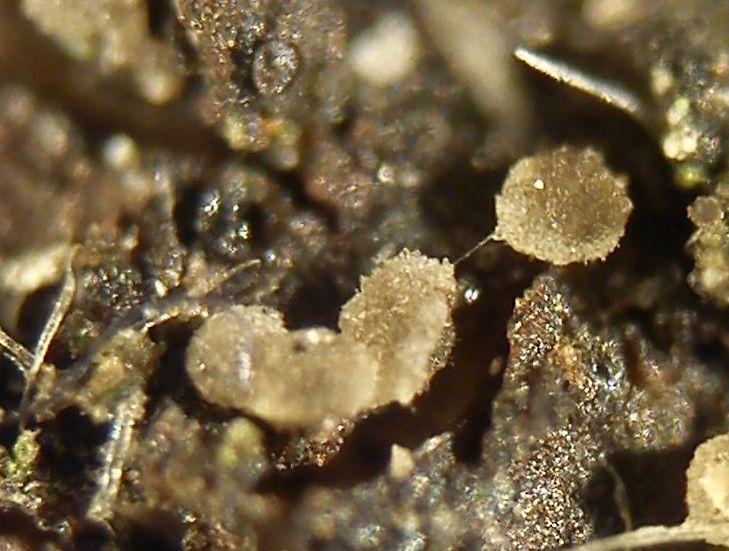
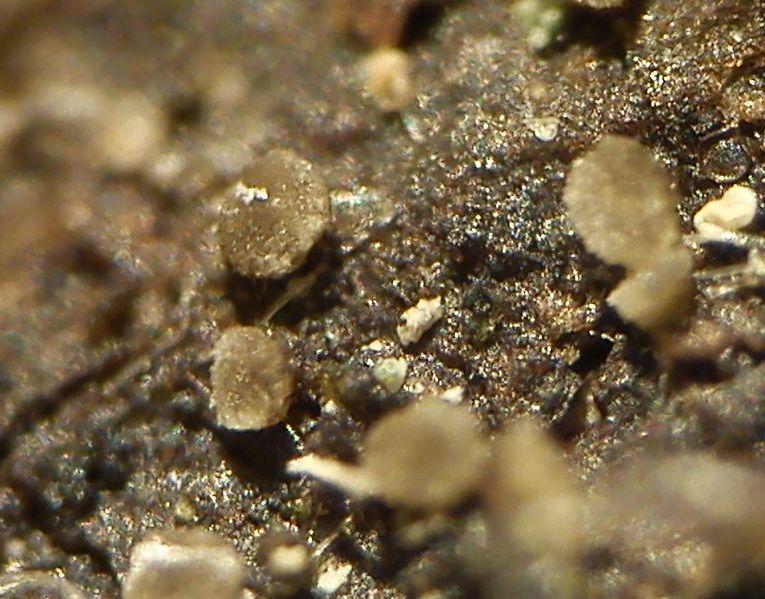
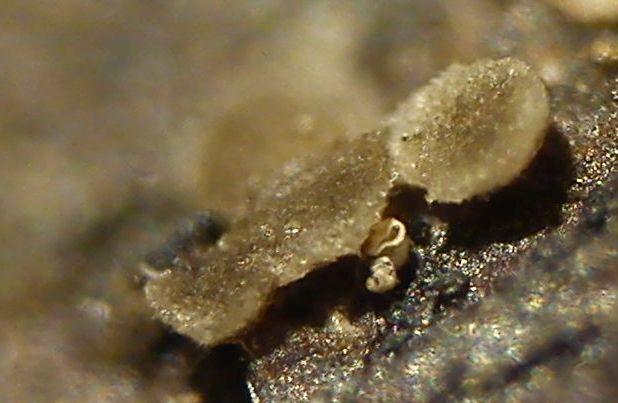
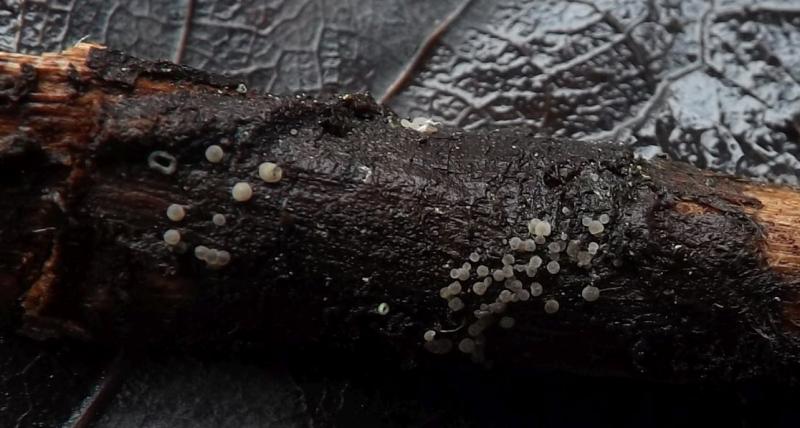
Fruiting bodies growing on a branch of dead Populus, almost completely devoid of bark. Up to 1 mm.
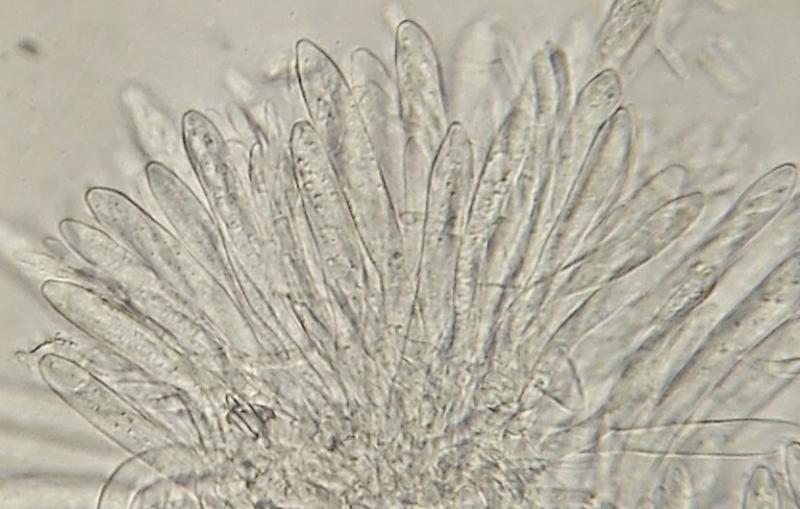
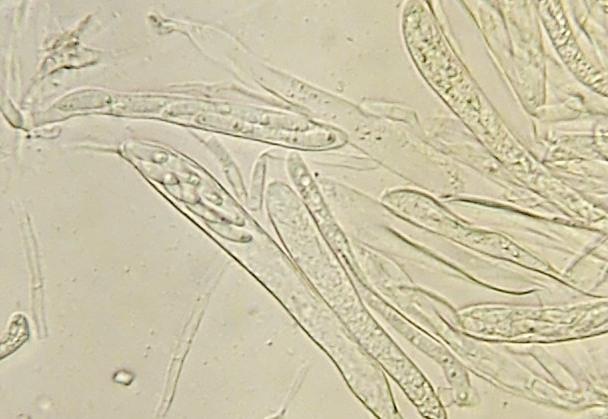
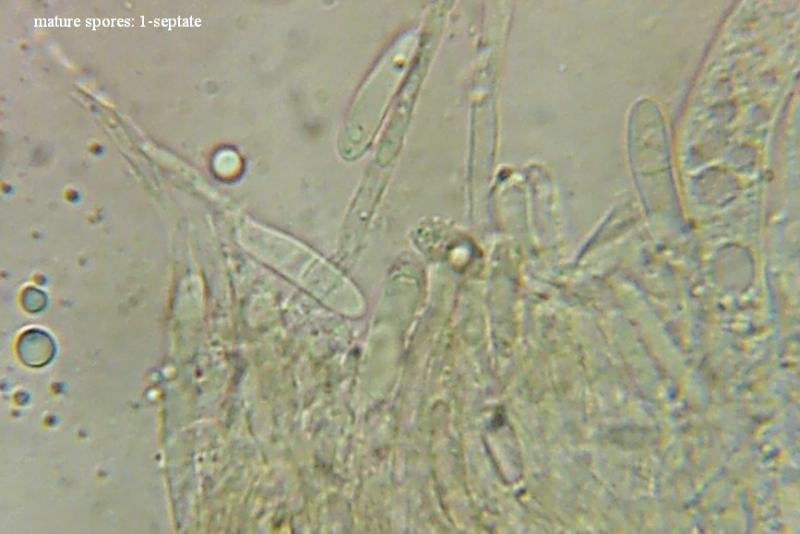
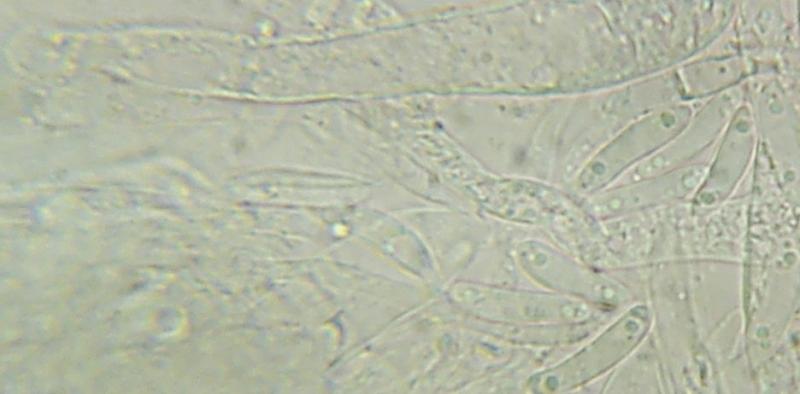
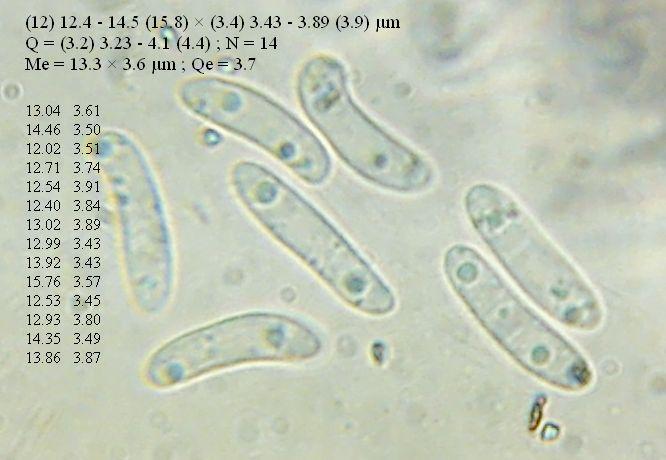
Spores in ascus no septate.
Zotto: some time ago I sent you photos of a very similar collection, also from Populus.
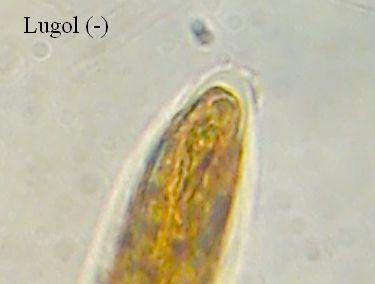
In this case, the sporocarps were very mature. It was difficult to make good documentation. I could not observe any reaction to Lugol.
Now it seems to me that it is the same species but fruiting bodies younger and in better condition.
Thank you in advance for your help!
Mirek
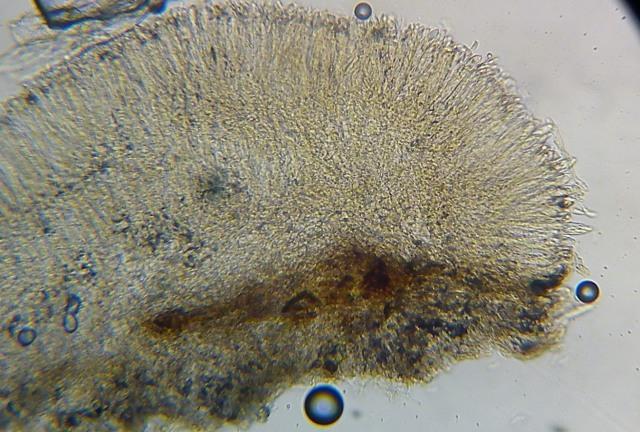
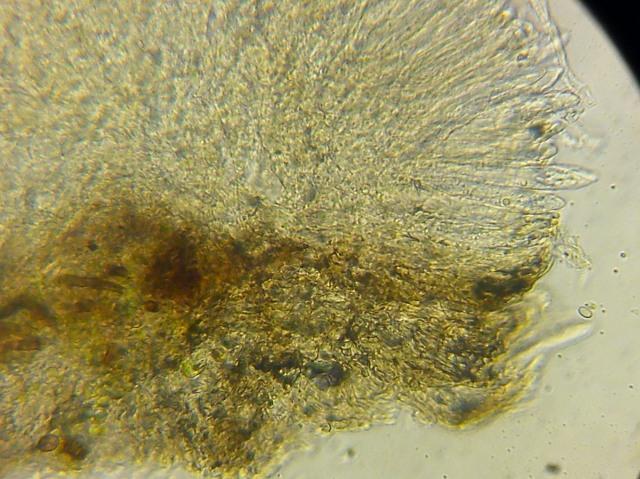
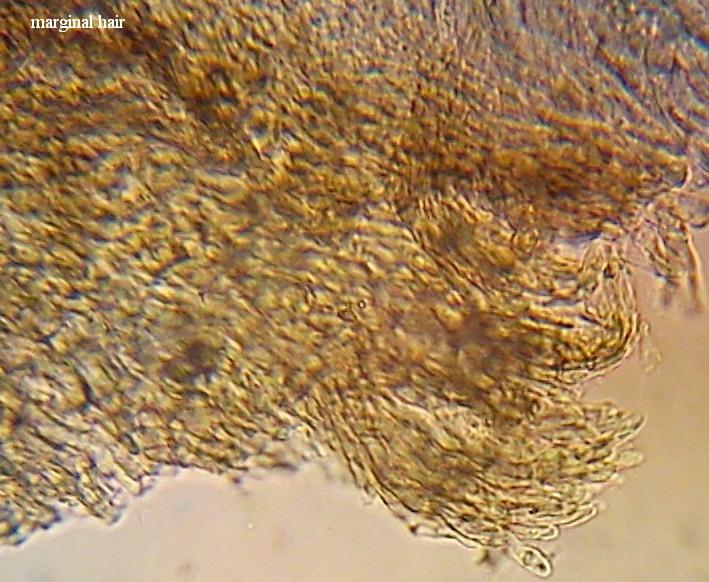
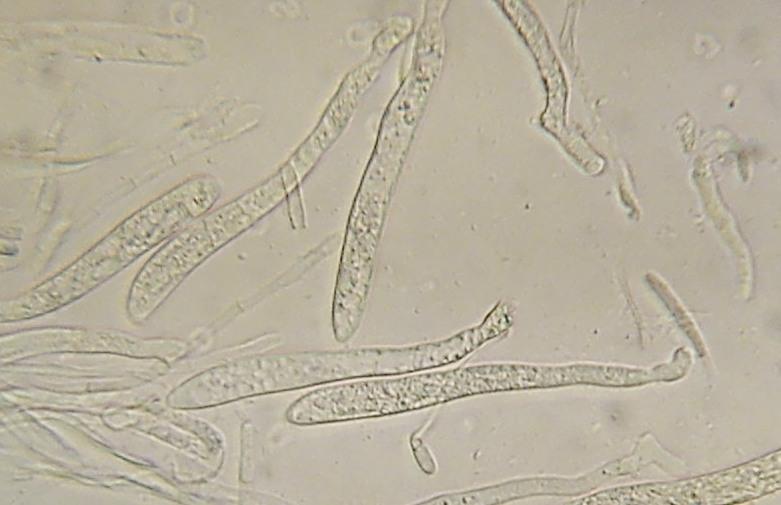
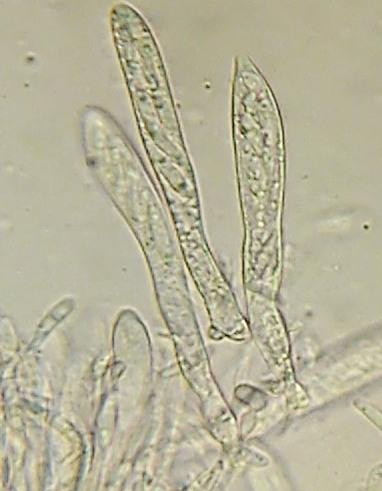
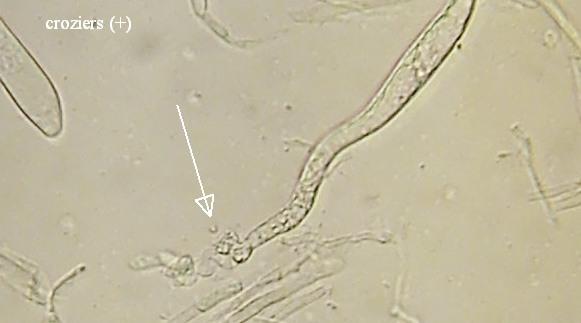
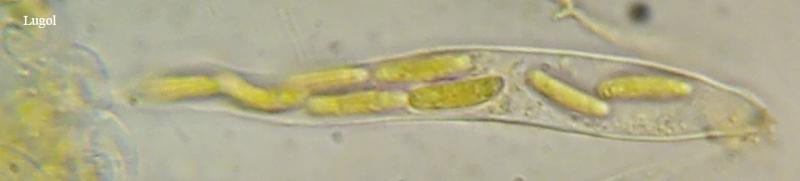
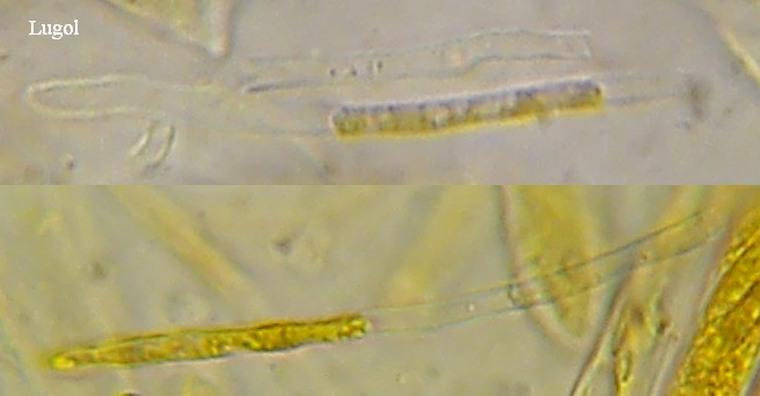
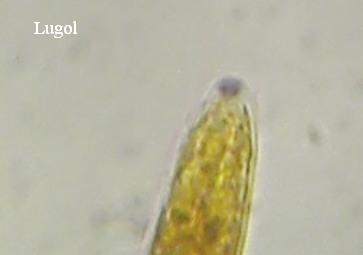
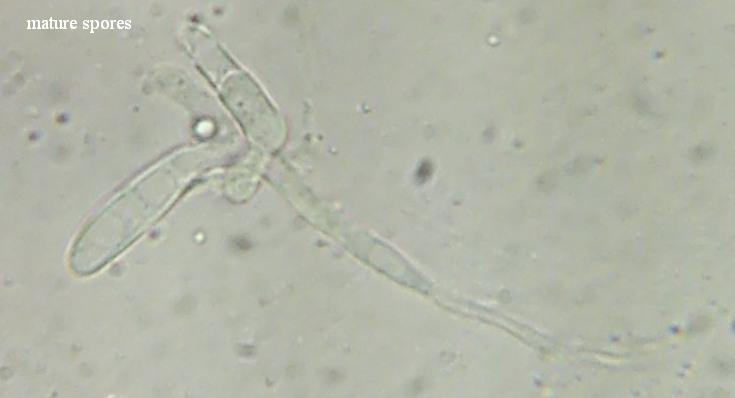

I have no idea, but the foto of the ascus pore in Lugol shows a dirty red reaction in my opinion.
all the best,
Andreas
Therefore, without comment, I posted a photo counting on your opinion.
The second photo shows the same, but after sharpening the maximum colors.
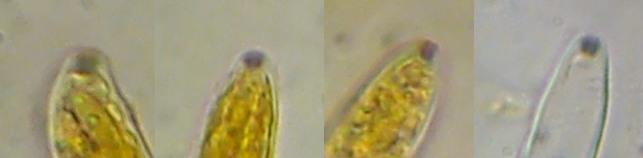
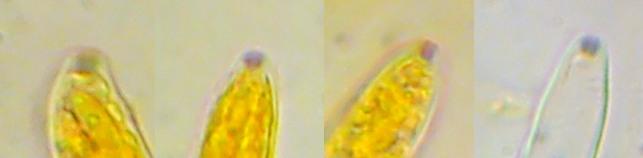
definitely a positive porus reaction, and according to the terminology that Zotto uses I would name that "IKI rb"
best,
Andreas
Last December, I found microscopically very similar, as I also wrote on Populus. The sporocarps were heavily ripe and frozen. I wanted to make some extra documentation, but after two at home, their structures were completely destroyed :(
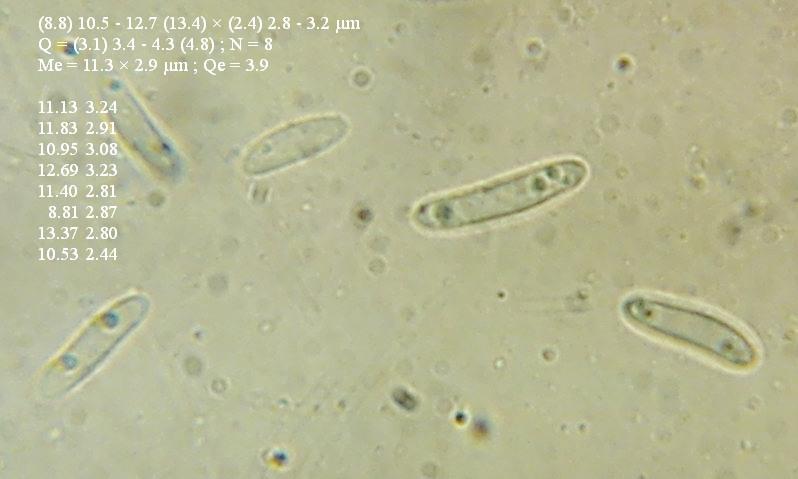
Compared to those presented now, a few differences can be easily seen, although the overall structure was very similar.
- the spores were slightly wider.
- negative porus reaction
- 1-septate spores in ascus
Upload their photos below!
Regards
Mirek
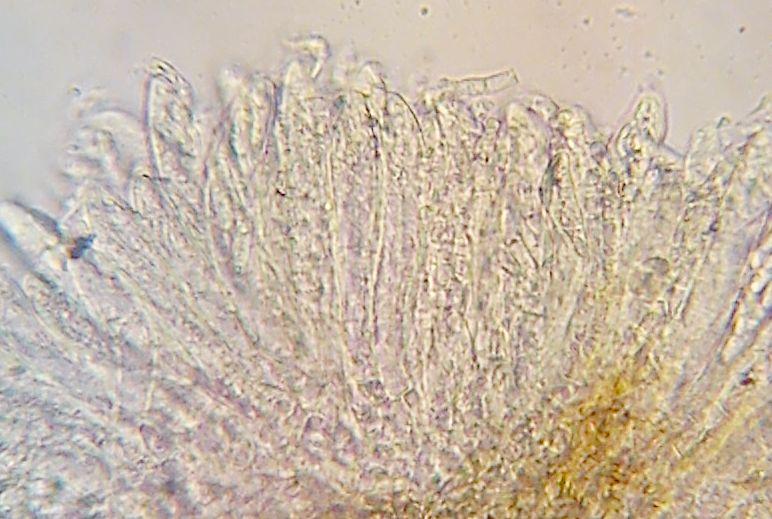
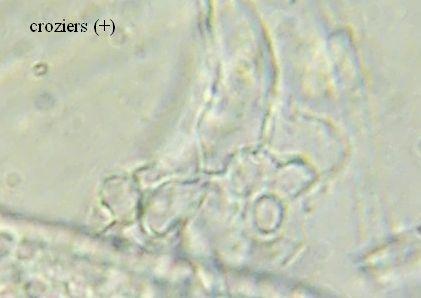
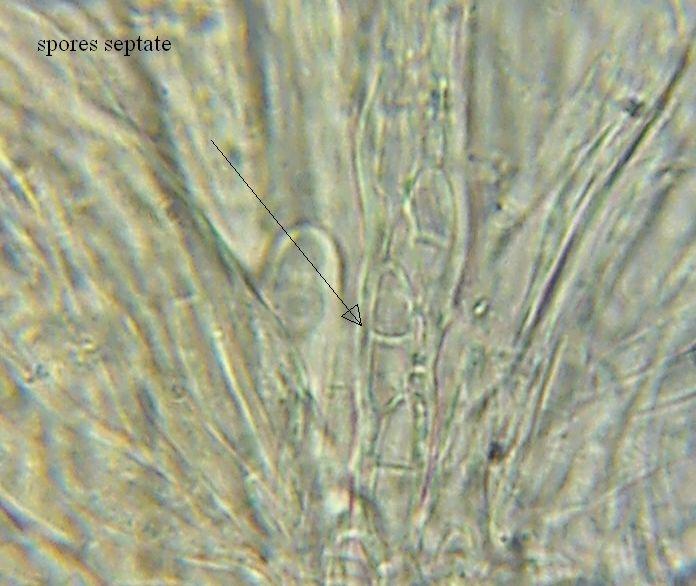
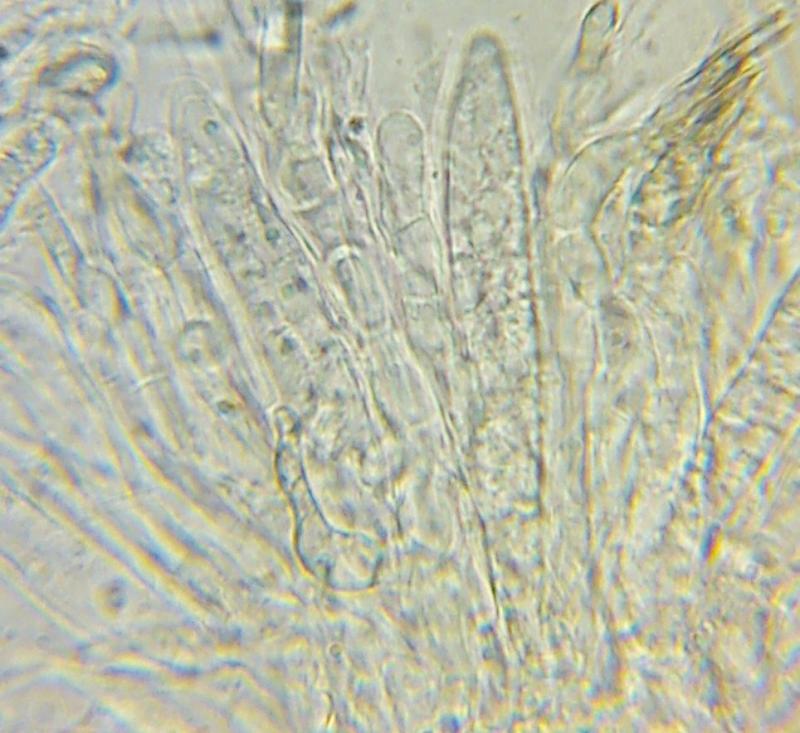
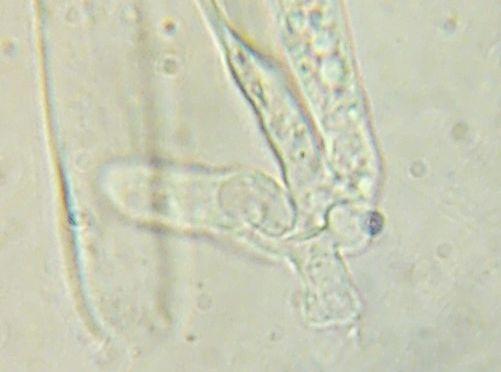
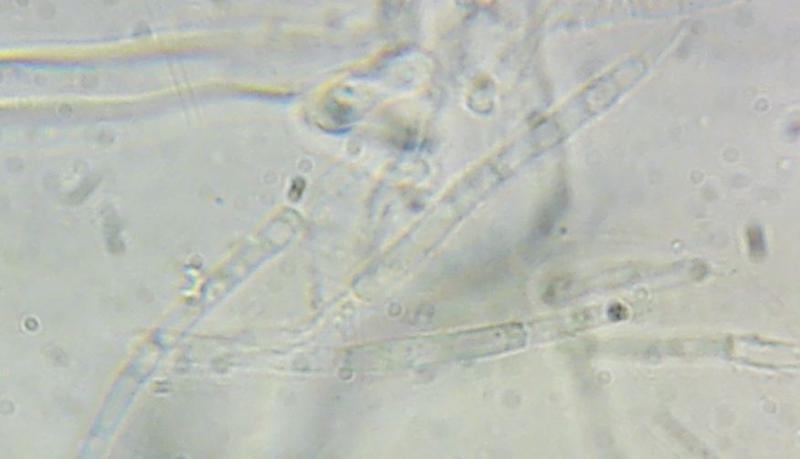

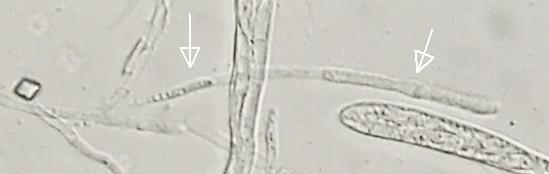
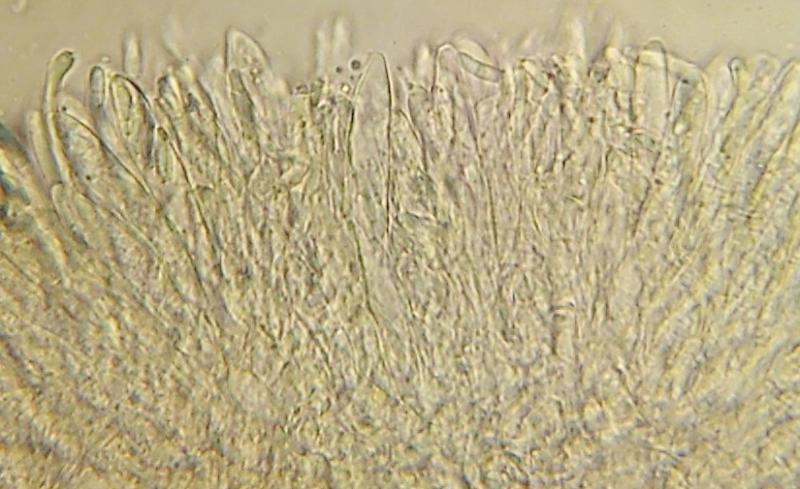
I think you are right as always. Paraphyses contain elongated VBs, with contents weakly refracting light.
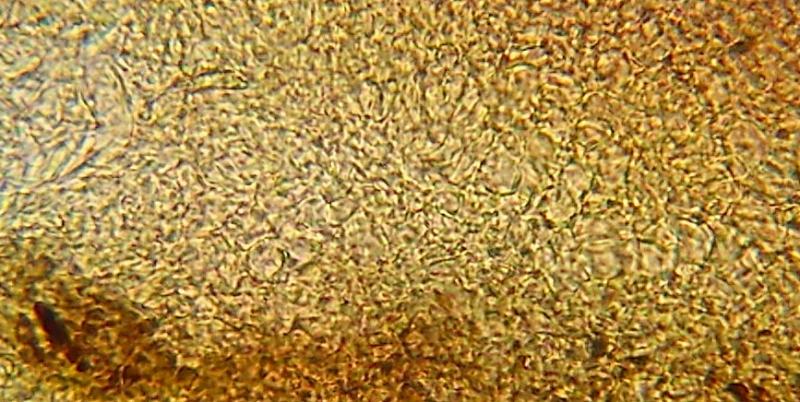
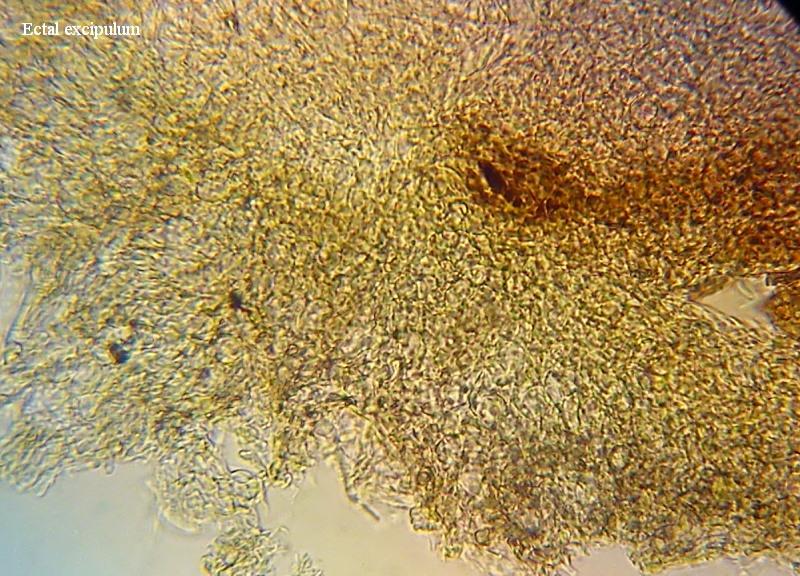
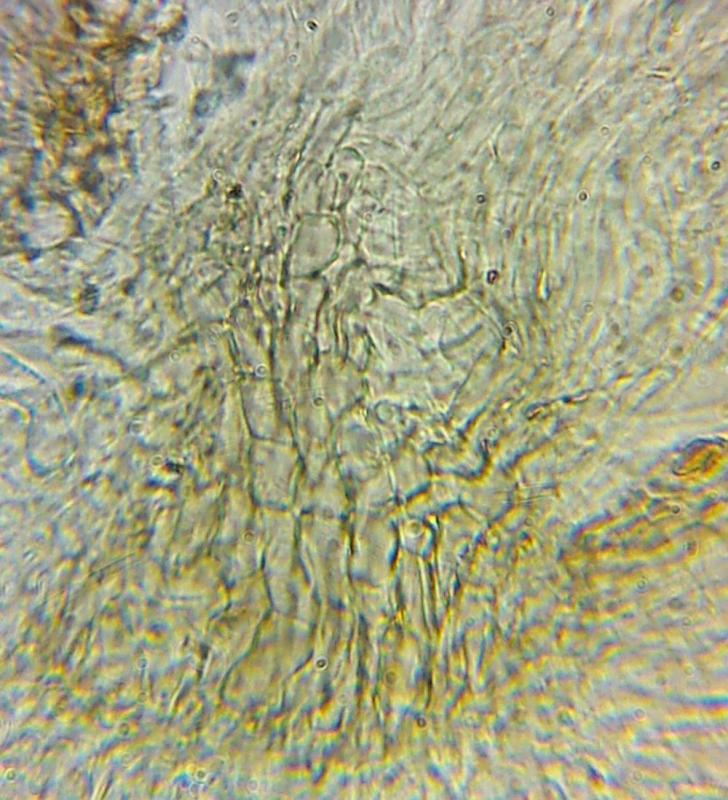
Excipulum is very illegible but it has oval cells (angularis).
Mirek