
28-04-2026 20:07
 Lothar Krieglsteiner
... on twig in the air at standing Ceratonia siliq
04-05-2026 18:13
 Stephen Martin Mifsud
ID request for what seems to be a true aquatic fun
04-05-2026 16:39
Stephen Martin Mifsud
ID request: This specimen was collected in Malta o
04-05-2026 09:50
 Castillo Joseba
Me mandan el material seco de Galicia,(España) re
02-05-2026 12:42
Alain BRISSARDBonjour à tousJeuidi 30 avril dernier on m'a remi
02-05-2026 13:06
Pauline. PennaBonjour Please can someone help me with this id
01-05-2026 22:45
 Thierry Blondelle
Bonjour à tous, Une récolte sur bouse séchée d
14-04-2026 05:32
Ethan CrensonHi all, A few weeks back a friend pointed out som
28-04-2026 20:33
Vitus SchäfftleinHello, I found Trochila ilicina on Ilex aquifoliu
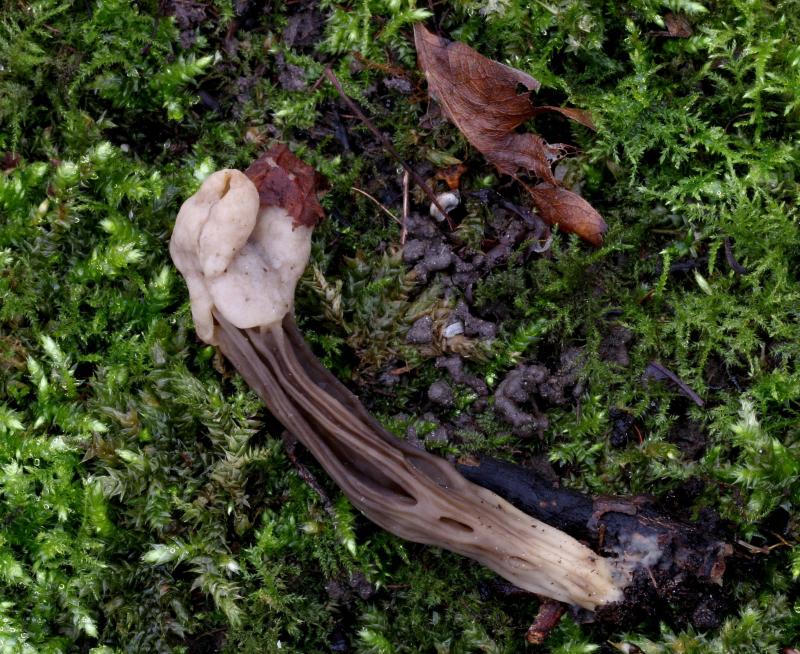
 Recently I found this one specimen between about fifty Helvella crispa.
Can this be a different form of crispa or yet another species?
The site is a well-evolved plantation of Hazel on supplied clayground.
Greets,
William
Hello William,
for me this looks like a (pale) form of H. lacunosa. The main macroscopic difference between crispa and lacunosa is not the colour, but the matter how the "cap" is placed in relation to the stipe. The "cap" of crispa is totally free, whereas that of H. lacunosa is laterally adherent to the stipe.
Best regards, Lothar
P.S. lacunosa is now a complex of species - ...
thanks for your interesting feedback.
I have re-examined the specimen and found that the "cap" has grown in two points with the stem. Is this sufficient to name this specimen as lacunosa?
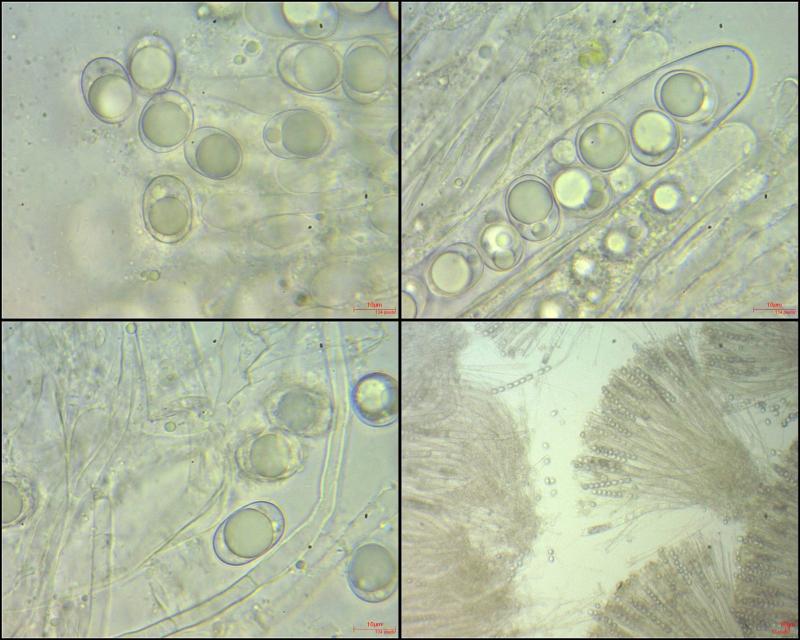
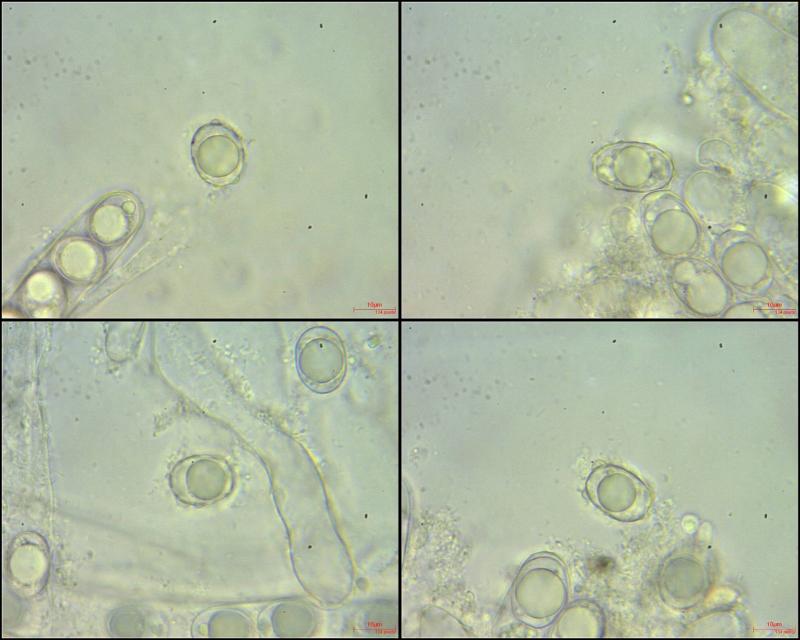
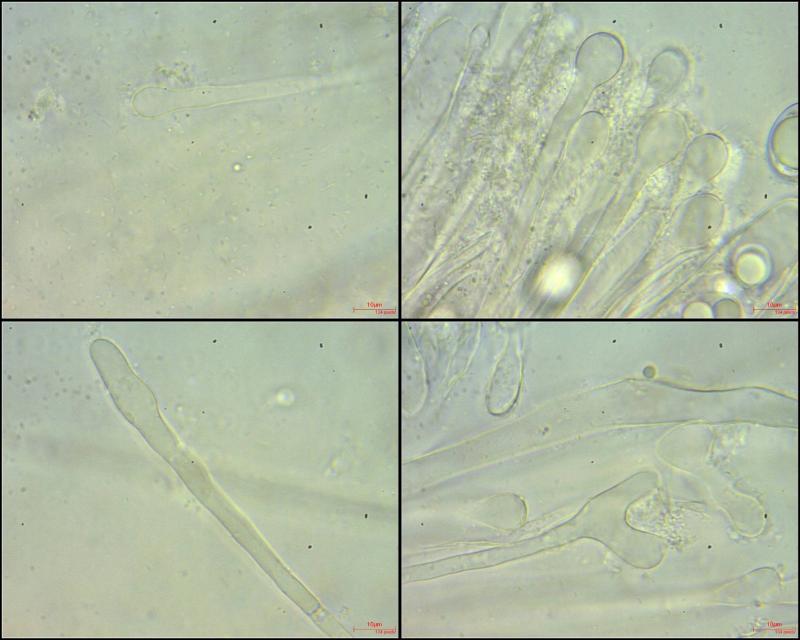
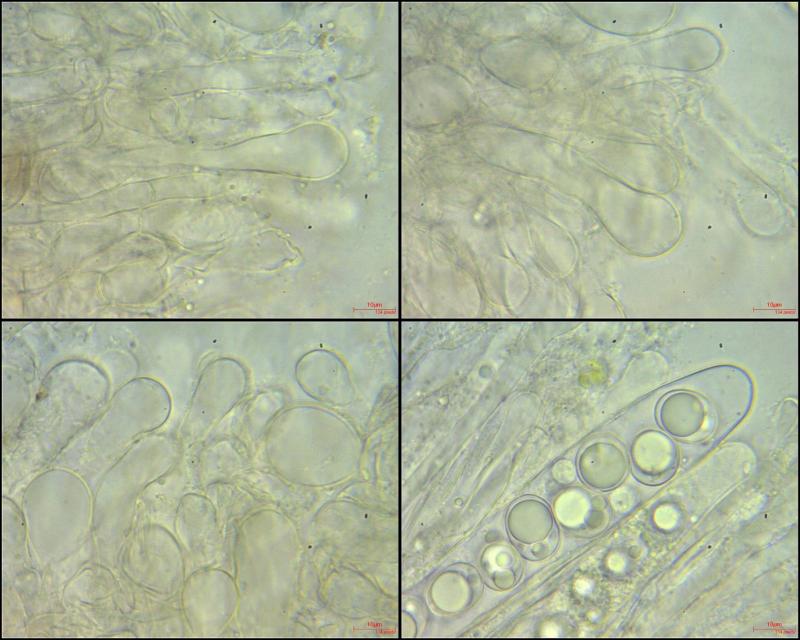
Can lacunosa also be distinguished microscopically from eg crispa?
Regards,
William
Hello William,
I don`t know if there are microscopic differences. And yes: this is sufficient to name the specimen lacunosa - at least sensu lato. I do not have the overview on the lacunosa-group, so I don`t know if there are other possibilities than lacunosa sensu stricto for your specimen.
Best, Lothar