
22-05-2017 13:23
 Enrique Rubio
Hi to everyoneI'm looking for the original descrip

22-05-2017 14:53
Gernot FriebesHi,I'm looking for help with this fungus. It grows
21-05-2017 11:05
 Viktorie Halasu
Hello forum,would anyone have any of these article
21-05-2017 20:40
 Rubén Martínez-Gil
Hola a todos. Subo unas fotos de un asco que enco
21-05-2017 11:21
 Andgelo Mombert
Bonjour à tous,Sur Reynoutria japonica. Apothéci
21-05-2017 18:57
Eike HeinemannHello together ,i have found this species last wee
21-05-2017 00:06
Rubén Martínez-Gil
Hola a todos. Subo unas fotos de un asco que hemo
Karstenia 2
Andgelo Mombert,
29-12-2019 20:33
Bonsoir,
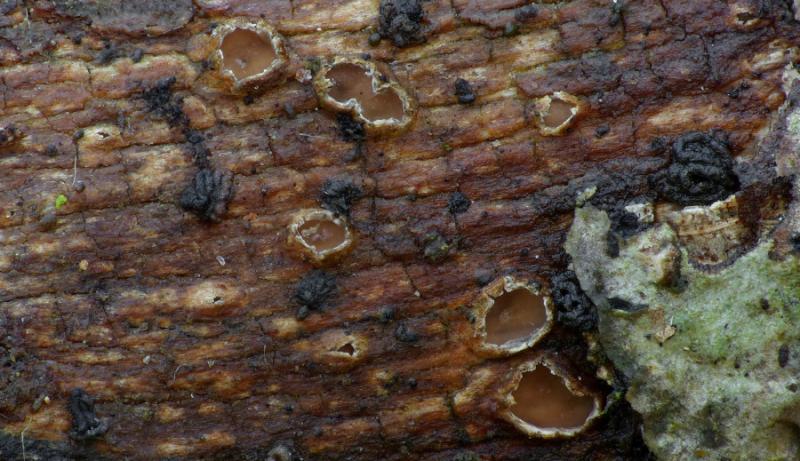
Apothécies de 1-1,5 mm de diamètre, sur Fraxinus excelsior.
Encore un Karstenia, je trouve ces petits ascomycètes fort sympathiques !
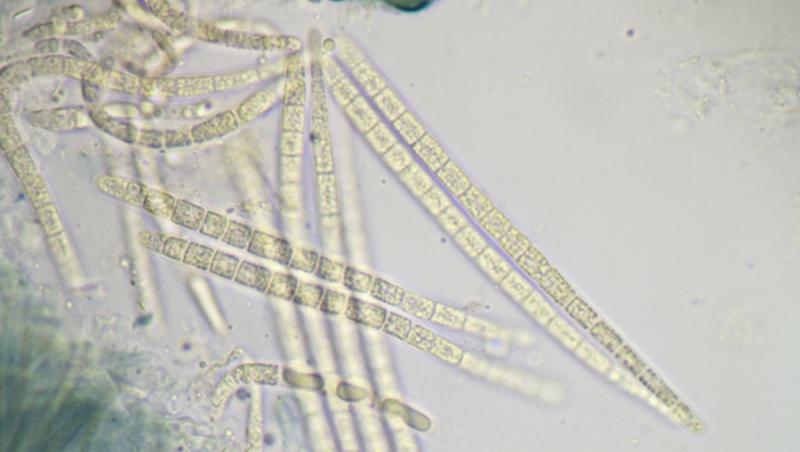
Spores avec 15 cloisons.
J'hésite entre idaei et guttulata avec une préférence pour la seconde...
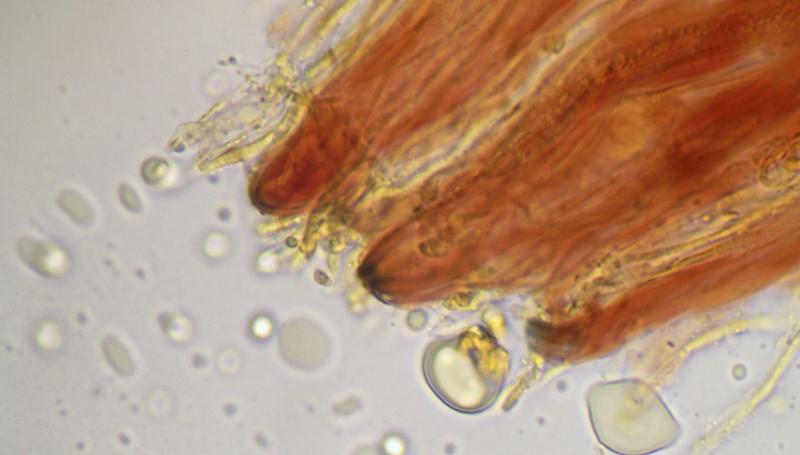
Confirmez-vous que l'appareil apical est compatible avec guttulata ?
Merci !
Andgelo
Andgelo Mombert,
29-12-2019 20:34
Re : Karstenia 2
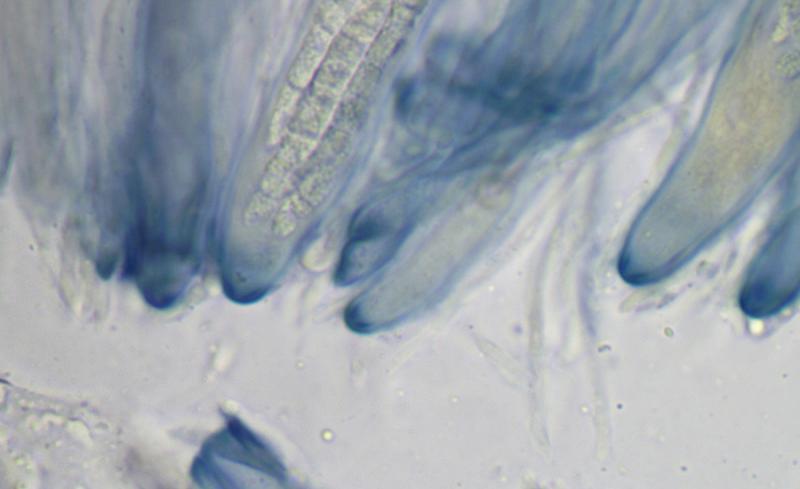
KOH + IKI
Hans-Otto Baral,
30-12-2019 07:03

Re : Karstenia 2
I would place this in K. idaei. my folder includes samples with and without apical ring. Whether this is a specific character or not is unknown and requires molecular study.
My folder rubrobrunnea - guttulata contains probably also K. idaei, I cannot say, but see little differences.
Andgelo Mombert,
30-12-2019 15:37
Re : Karstenia 2
Merci Zotto,
Tu me confirmes que c'est bien l'appareil apical qu'on voit sur mes photos ? La forme est un peu différente des appareils apicaux visibles dans tes dossiers.
Andgelo
Hans-Otto Baral,
30-12-2019 22:02
Re : Karstenia 2
These rings are difficult to demonstrate, and maybe your method with KOH+IKI is best to differentiate between outer amyloid wall and inner ring structure. presumably KOH causes a compression of the hemiamyloid ring (curling of molecules).