
14-05-2026 05:36
Ethan CrensonHi all, I haven't paid much attention to Lachnu
11-05-2026 12:32
 Bernard CLESSE
Pourriez-vous m'aider à identifier cette héloti
13-05-2026 15:26
 François Freléchoux
Bonjour,Voici une récolte faite il y a quelques j
12-05-2026 15:41
 Nicolas VAN VOOREN
Dear Ascolovers, especially interested in Pezizale
13-05-2026 12:05
 Thierry Blondelle
Bonjour à tous,J'aimerais avoir confirmation de c
10-05-2026 23:17
 Andreas Gminder
Hello,today we found in a moist steep decidous for
28-04-2026 20:07
 Lothar Krieglsteiner
... on twig in the air at standing Ceratonia siliq
27-04-2026 20:52
Lothar Krieglsteiner
Found on hanging tiwg of Olea europaea in dried-ou
11-05-2026 20:22
Lothar Krieglsteiner
on attached twig of standing Ficus caricaquite uns
Peziza on sandy soil
Manak Roman,
30-11-2019 20:24
Dear all,
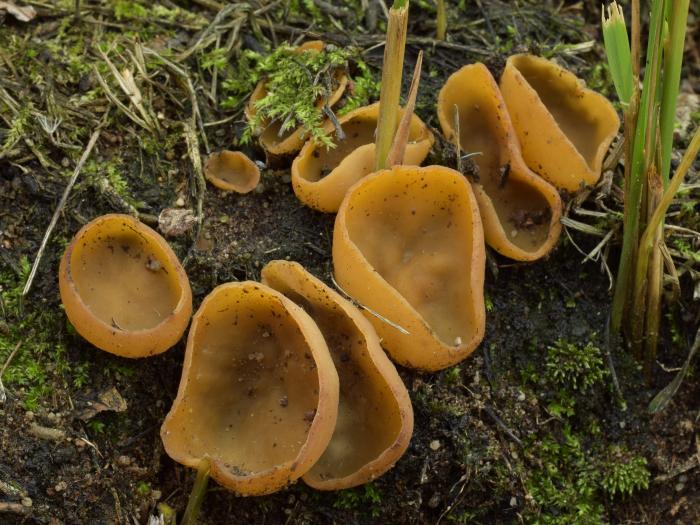
I need help with this Peziza.
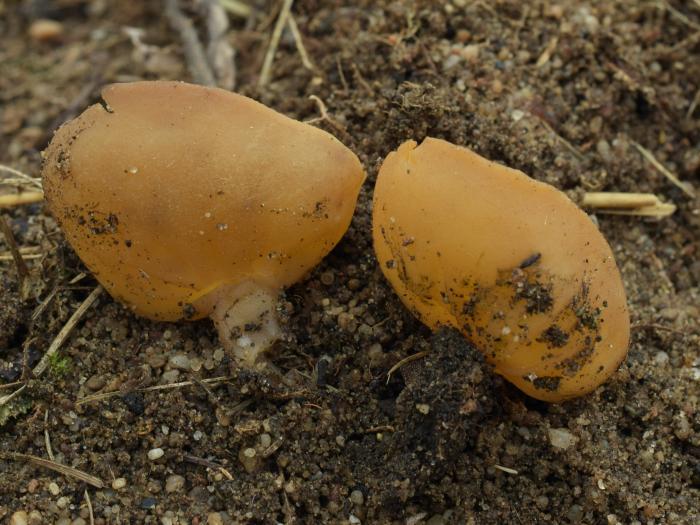
I found it in a sparse grassland on sandy soil. The fruiting bodies with short stem had a diameter around 5 cm, the color was ocher with a light olive shade on hymenium and in places slightly pink on the outside.
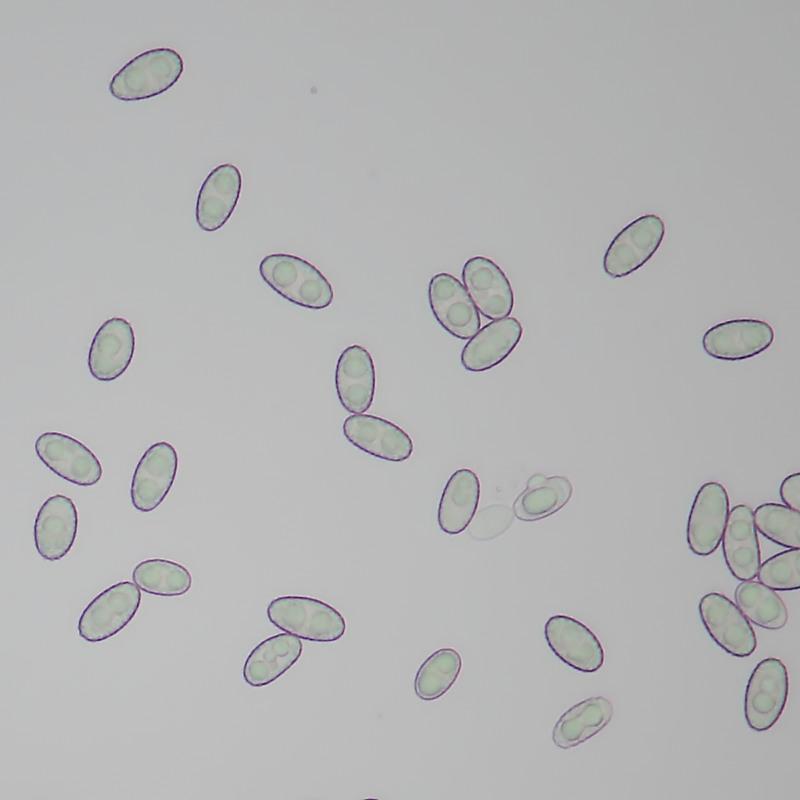
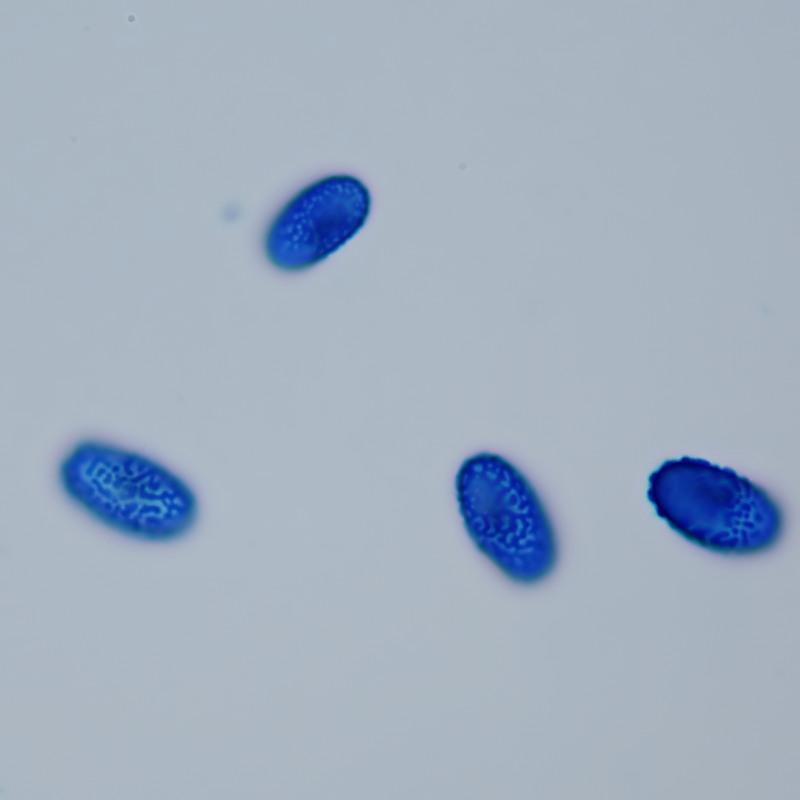
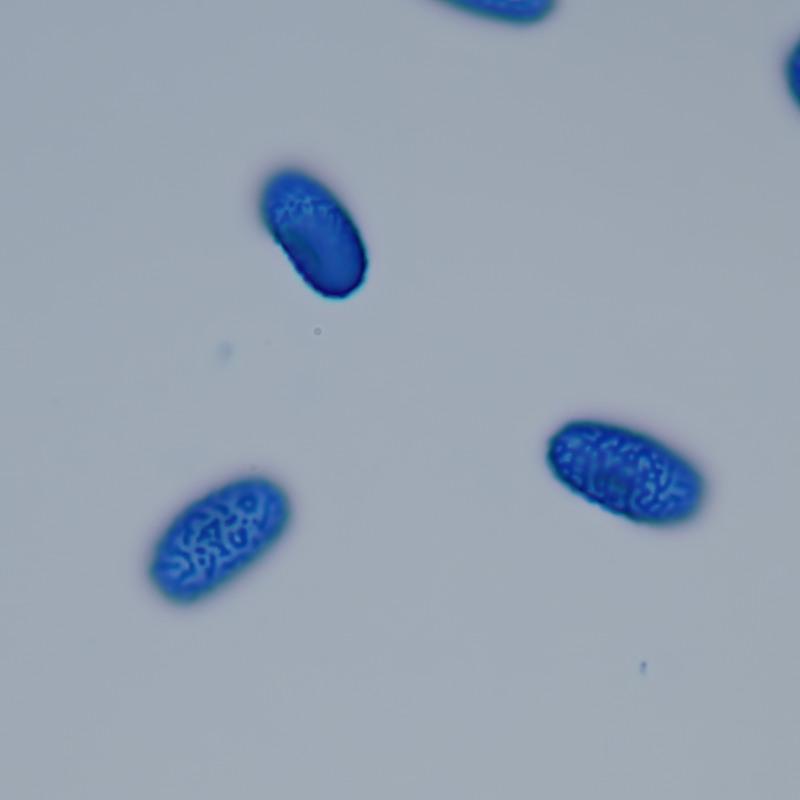
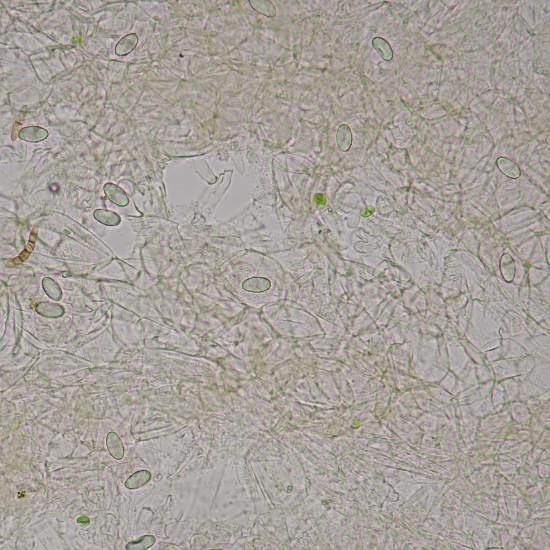
Spores with (1)2 guttules in water: M = 12,0-15,5 × 6,6-8,7 µm, Q = 1,5-2,1. Ornamentation warted/irregularly reticulate.
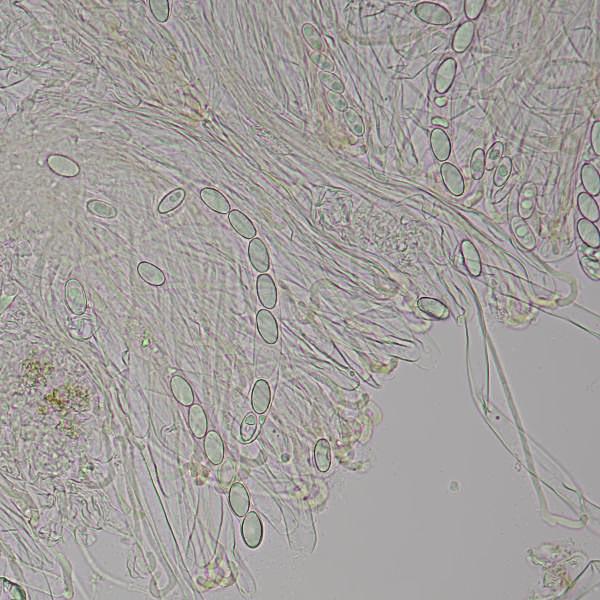
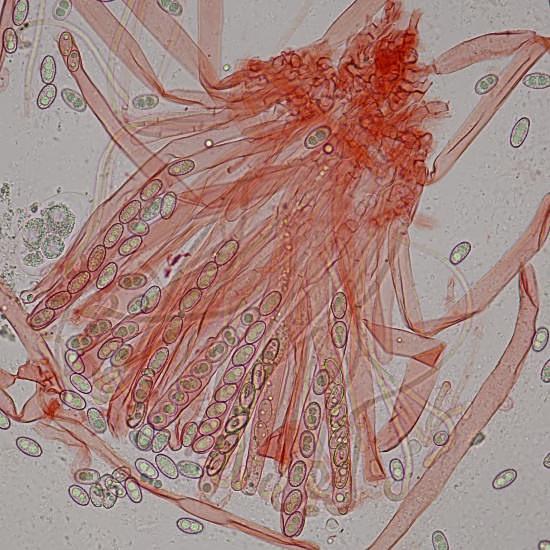
Asci: 160-215 × 10-13,5 µm.
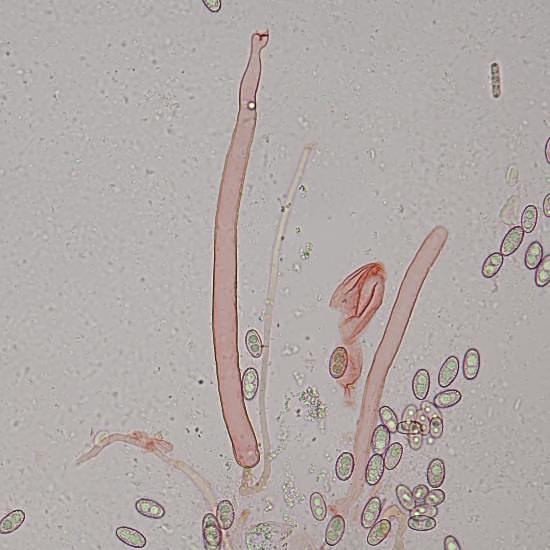
Paraphyses had twisted apices and diameter 3,4-5,2 µm
Thanks a lot for any suggestions
Roman
Till Lohmeyer,
30-11-2019 20:28
Re : Peziza on sandy soil
Hi, Manak -
do the asci blue in Melzer's Solution? If not, check with Sowerbyella.
Regards, Till
do the asci blue in Melzer's Solution? If not, check with Sowerbyella.
Regards, Till
Manak Roman,
30-11-2019 20:33
Re : Peziza on sandy soil
Hi Till,
thank you. I forgot to check asci tips in Melzer. I'll fix the mistake tomorrow.
Roman
Nicolas VAN VOOREN,
01-12-2019 09:23
Re : Peziza on sandy soil
I agree, this is a Sowerbyella.
Manak Roman,
02-12-2019 16:40
Re : Peziza on sandy soil
Thank you for your feedback.
I checked the reaction of asci in Melzer´s and they don´t blue. It is Sowerbyella as you suggested. It is probable S. radiculata according to key of Yao and Spooner and also Moravec´s key.
Roman