
14-05-2026 05:36
Ethan CrensonHi all, I haven't paid much attention to Lachnu
16-03-2011 14:31
roman vargas albertoHi. I would like some opinion about this Peziza
11-05-2026 12:32
 Bernard CLESSE
Pourriez-vous m'aider à identifier cette héloti
13-05-2026 15:26
 François Freléchoux
Bonjour,Voici une récolte faite il y a quelques j
12-05-2026 15:41
 Nicolas VAN VOOREN
Dear Ascolovers, especially interested in Pezizale
13-05-2026 12:05
 Thierry Blondelle
Bonjour à tous,J'aimerais avoir confirmation de c
10-05-2026 23:17
 Andreas Gminder
Hello,today we found in a moist steep decidous for
28-04-2026 20:07
 Lothar Krieglsteiner
... on twig in the air at standing Ceratonia siliq
27-04-2026 20:52
Lothar Krieglsteiner
Found on hanging tiwg of Olea europaea in dried-ou
11-05-2026 20:22
Lothar Krieglsteiner
on attached twig of standing Ficus caricaquite uns
Tympanis conspersus ?
Ethan Crenson,
11-11-2019 05:13
Thank you in advance.
Ethan
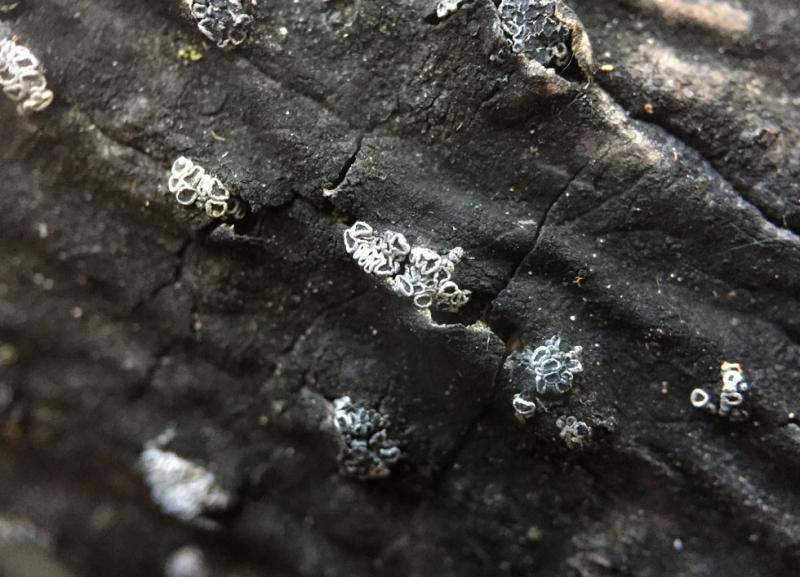
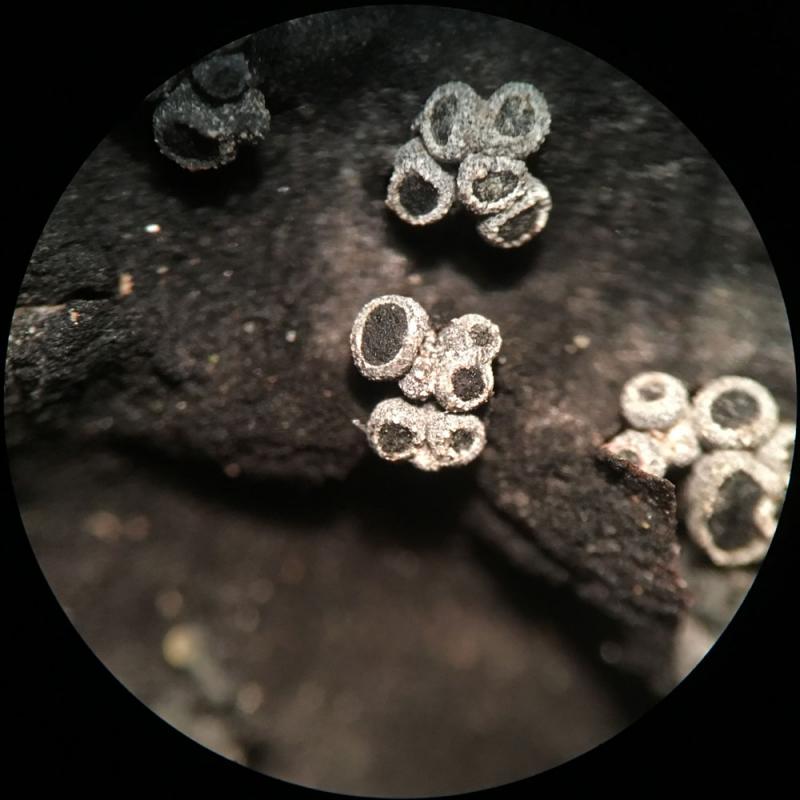
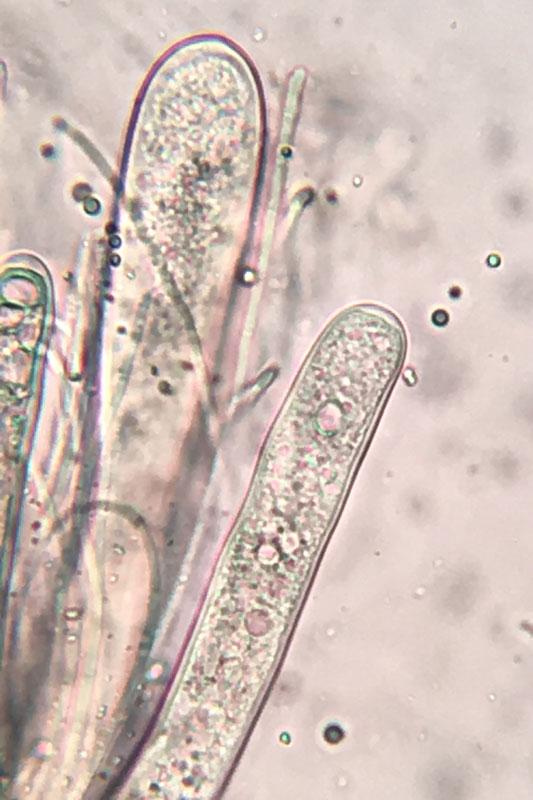

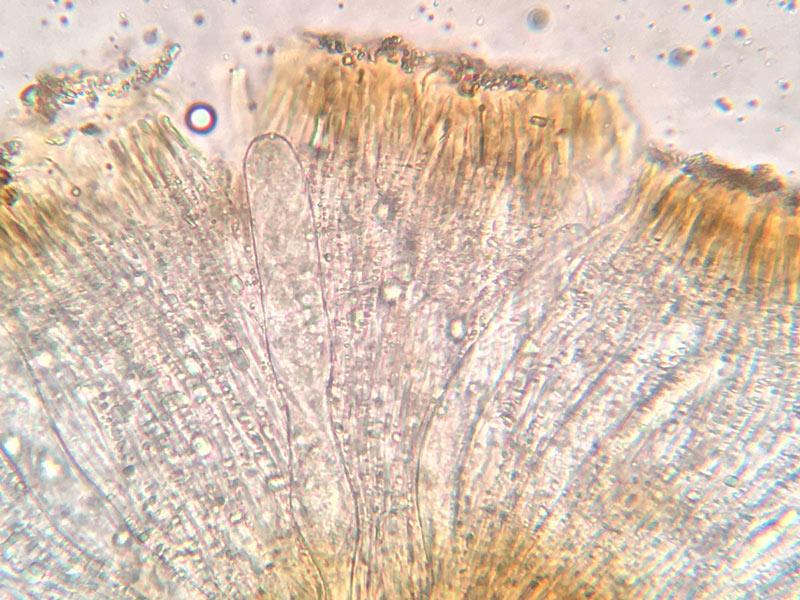
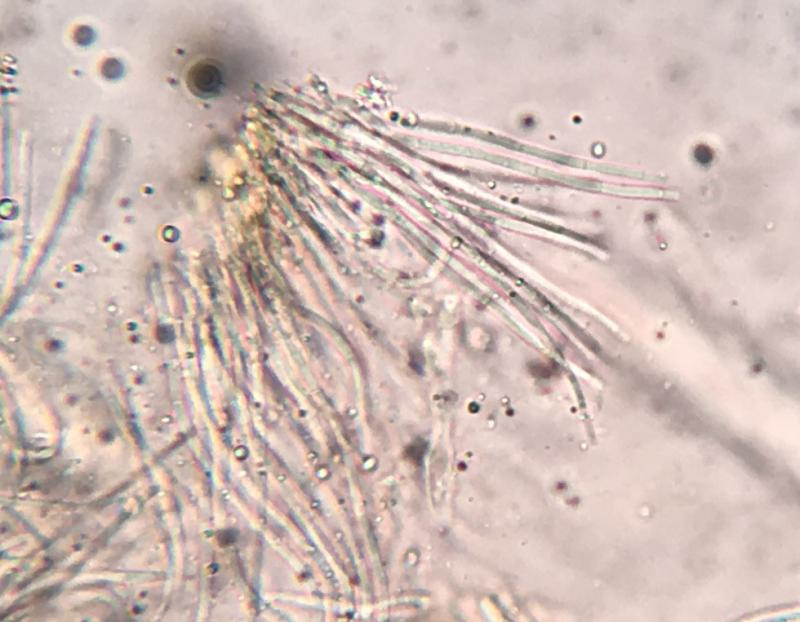
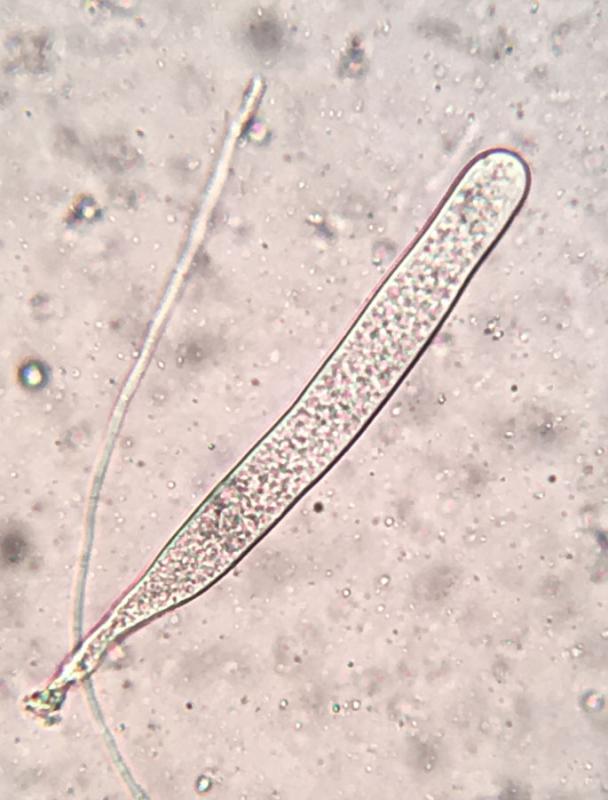
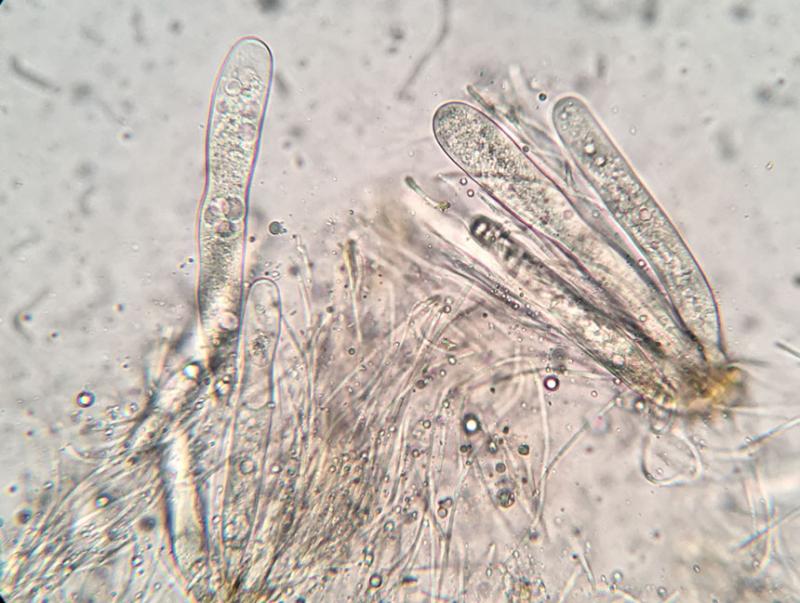
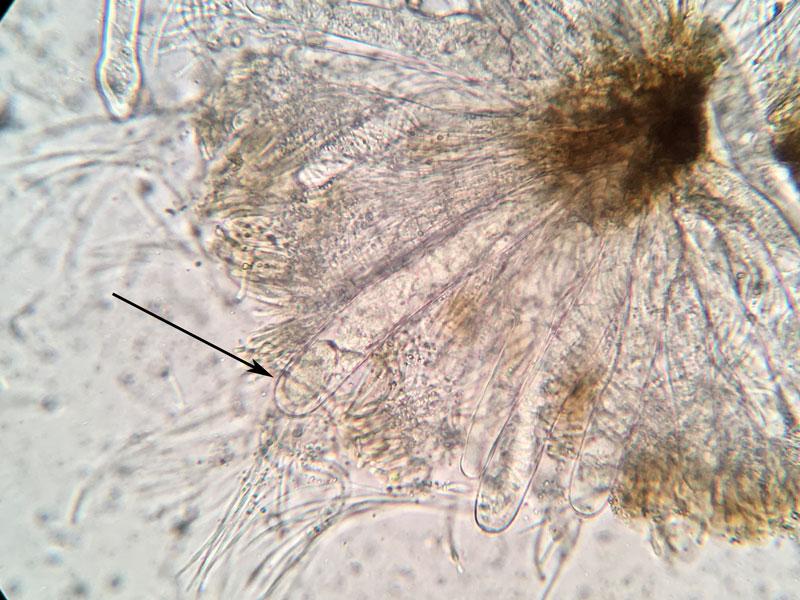

Hans-Otto Baral,
11-11-2019 09:38

Re : Tympanis conspersus ?
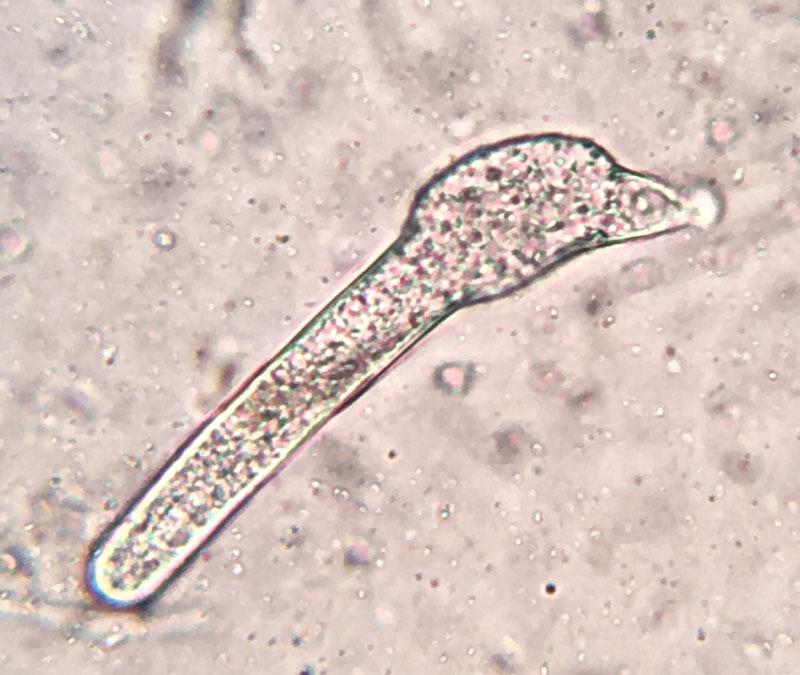
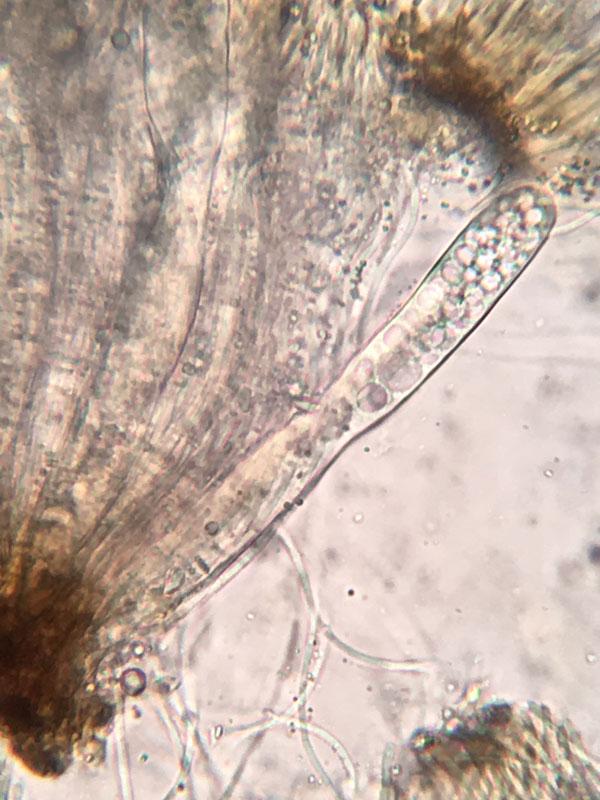
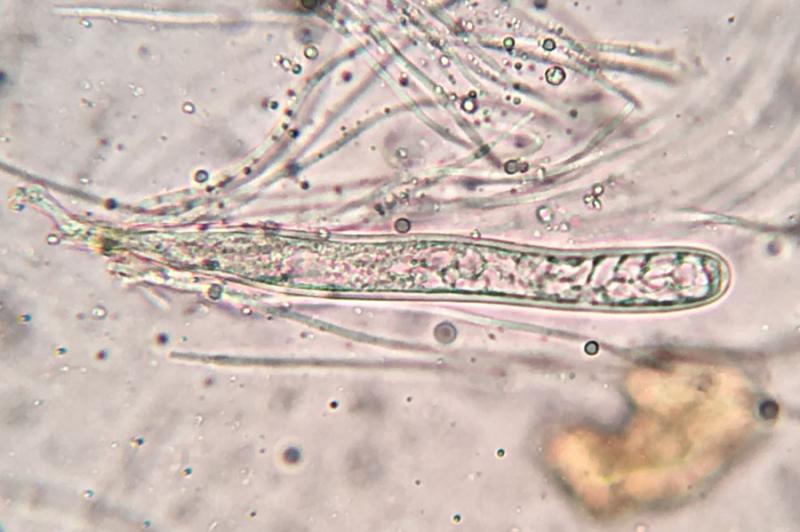
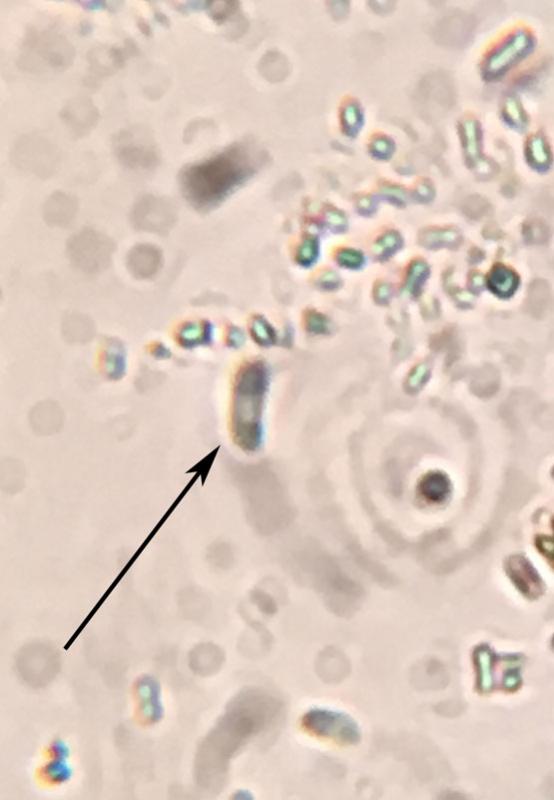
My impression is that the population is immature. perhaps you can riped it a bit? Important is to see the ascospores inside the asci and how the ascoconidia are formed on them when the asci are still alive.
The white powder on the exterior consists of crystals, presumably calcium oxalate, typical of T. alni (former conspersa) and some others.
Zotto
The white powder on the exterior consists of crystals, presumably calcium oxalate, typical of T. alni (former conspersa) and some others.
Zotto