
05-05-2026 22:40
Gernot FriebesHi,I believe this is a Plagiostoma growing on a Sa
04-05-2026 18:13
 Stephen Martin Mifsud
ID request for what seems to be a true aquatic fun
04-05-2026 16:39
Stephen Martin Mifsud
ID request: This specimen was collected in Malta o
28-07-2011 18:31
 Alex Akulov
Dear FriendsToday I made the pdf file of Velenovsk
28-04-2026 20:07
 Lothar Krieglsteiner
... on twig in the air at standing Ceratonia siliq
04-05-2026 09:50
 Castillo Joseba
Me mandan el material seco de Galicia,(España) re
02-05-2026 12:42
Alain BRISSARDBonjour à tousJeuidi 30 avril dernier on m'a remi
02-05-2026 13:06
Pauline. PennaBonjour Please can someone help me with this id
01-05-2026 22:45
 Thierry Blondelle
Bonjour à tous, Une récolte sur bouse séchée d
Vibrissea sp.?
Eike Heinemann,
24-03-2019 20:36
Hello together
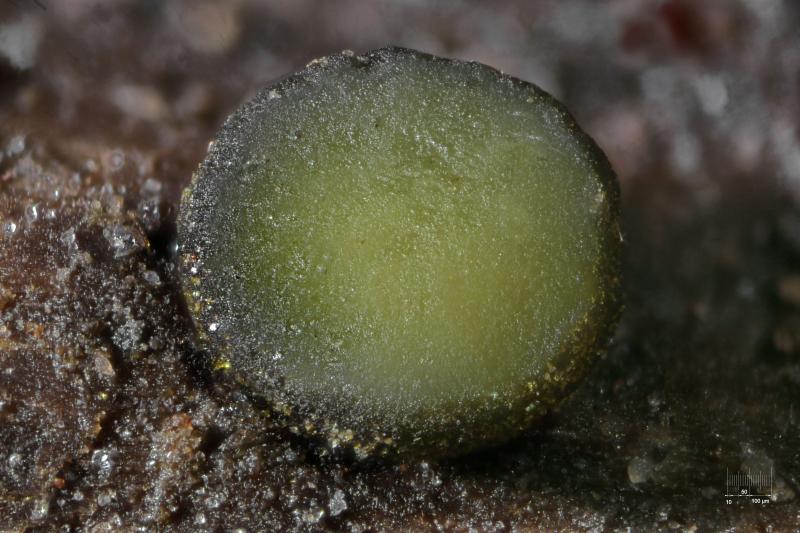
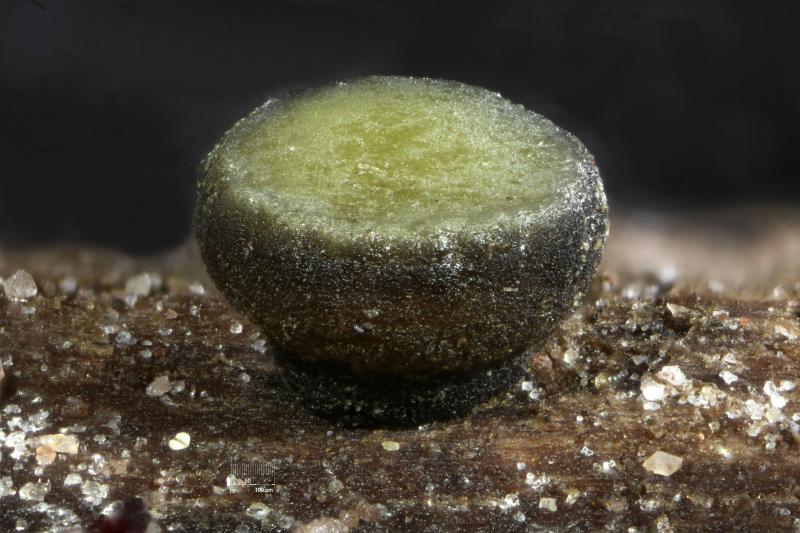
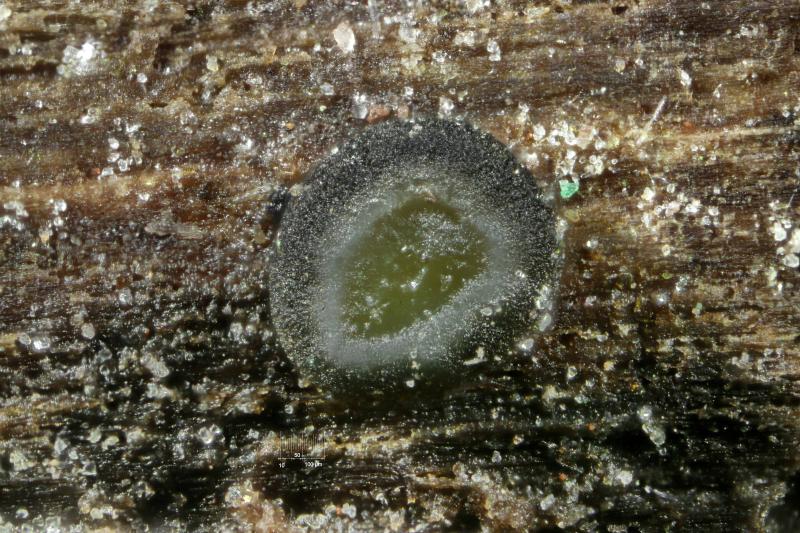
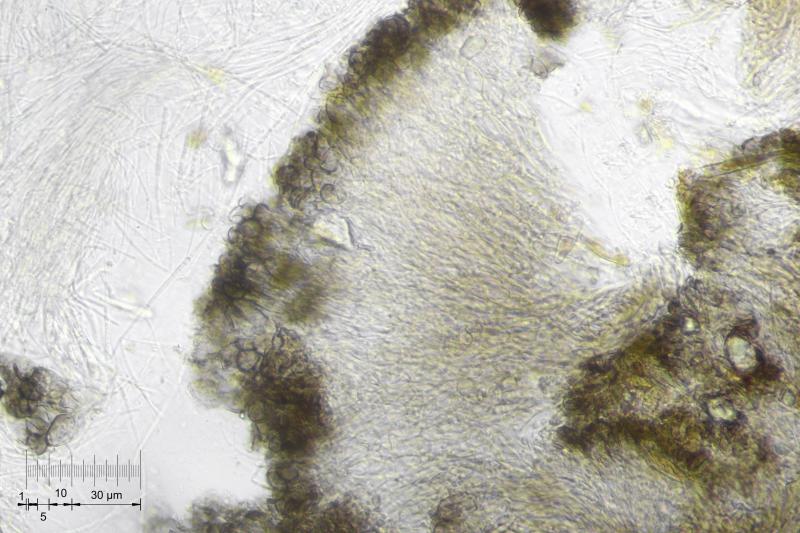
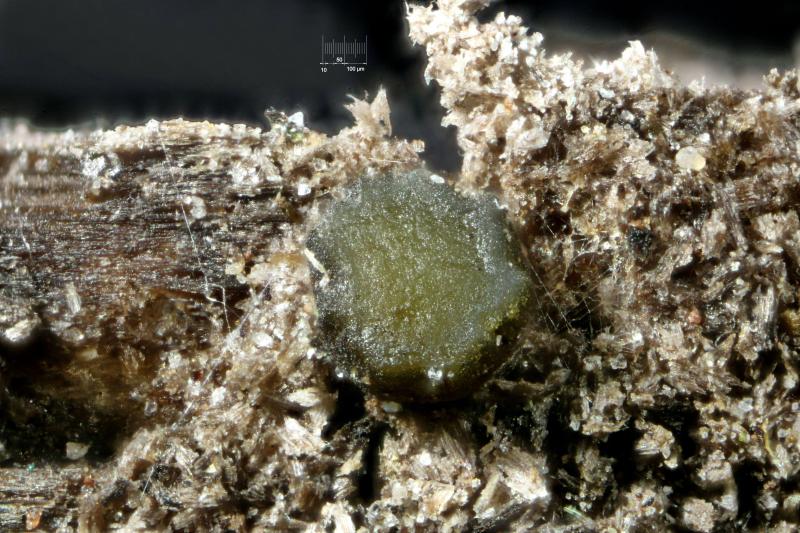
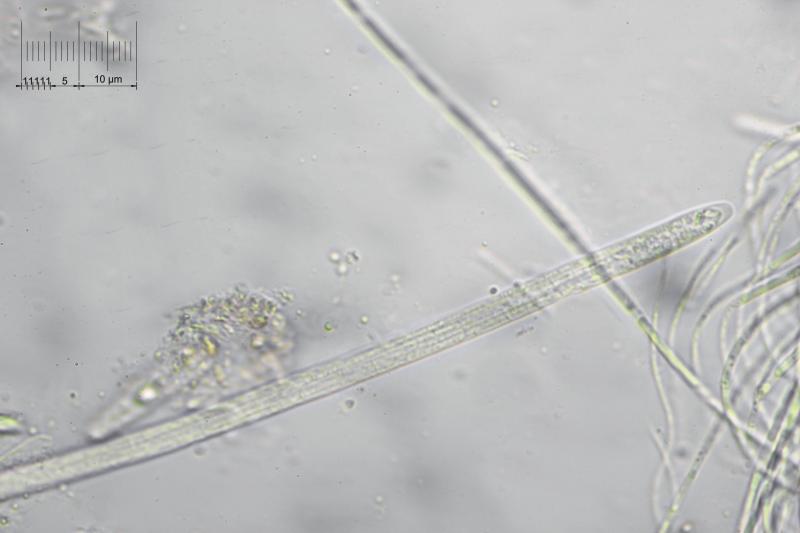
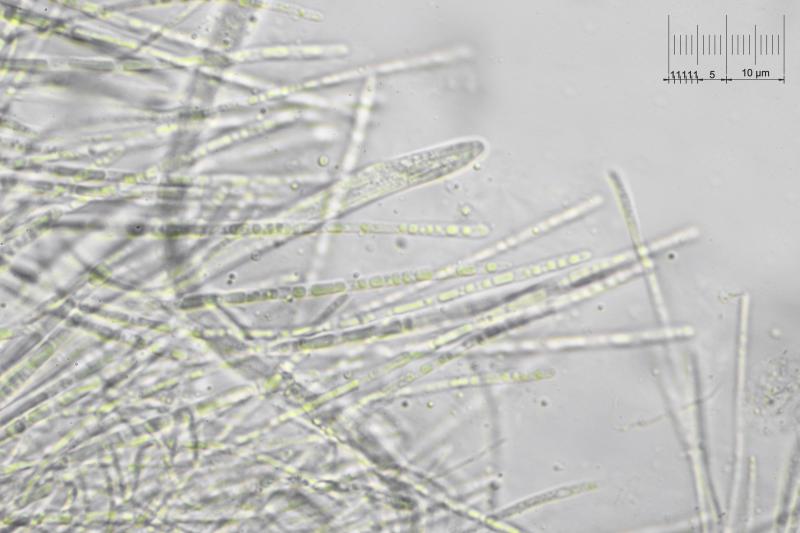
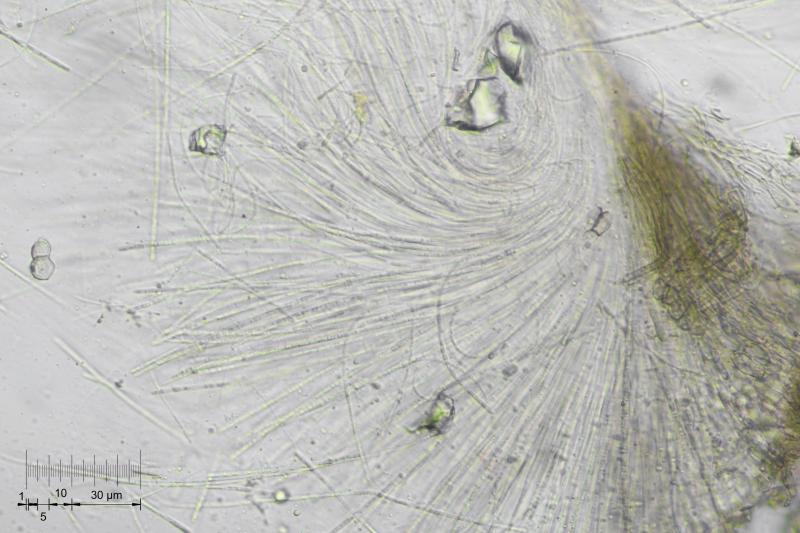
we found this Vibrissea yesterday in the same little river where we also found the pyrenomycet. The photos are from Gerhard again.
The wood can also be Alnus glutinosa.
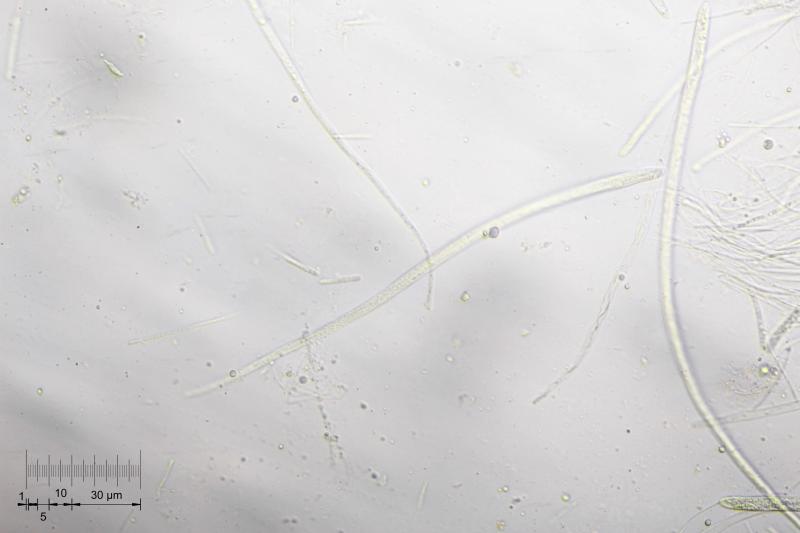
The spore messuraments are 200-205 x 1 µ.
The Asci are 200-205 x 5,5µ.
The frutboides are greenish.
The paraphyses are 250µ long and not very clavate.
Does anyone no the species ?
Greetings,Eike
Hans-Otto Baral,
24-03-2019 21:05

Re : Vibrissea sp.?
Hi Eike
for identifying Vibrissea species it is necessary to study exactly the following spore characters: curvature when released, fragmentation, and number of septa.
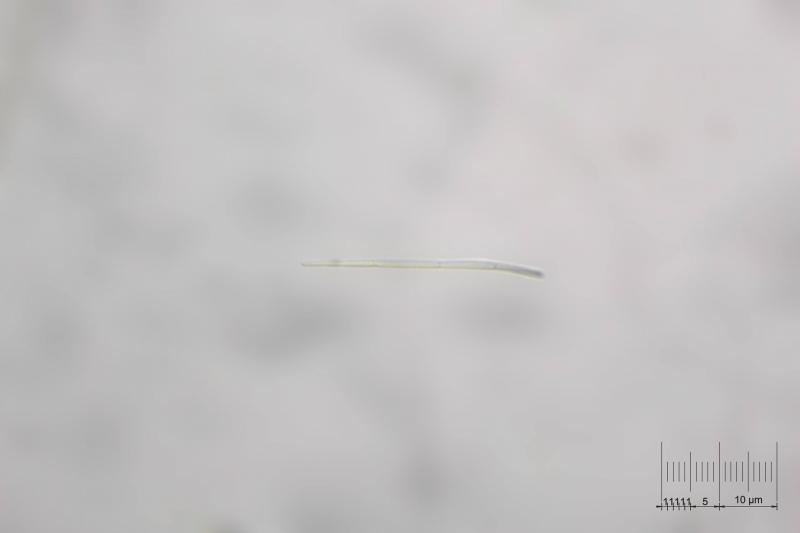
E.g., in V. flavovirens the spores are regularly 16-celled and break into 4 parts. In V. decolorans no fragmentation occurs (or perhaps in the middle), and the spores are curved under a wide arch and about 20-22-celled.
Also the iodine reaction of the ascus tip is important.
The short stipe of the apothecia points to V. flavovirens.
Zotto
for identifying Vibrissea species it is necessary to study exactly the following spore characters: curvature when released, fragmentation, and number of septa.
E.g., in V. flavovirens the spores are regularly 16-celled and break into 4 parts. In V. decolorans no fragmentation occurs (or perhaps in the middle), and the spores are curved under a wide arch and about 20-22-celled.
Also the iodine reaction of the ascus tip is important.
The short stipe of the apothecia points to V. flavovirens.
Zotto
Eike Heinemann,
24-03-2019 23:19
Re : Vibrissea sp.?
Hallo Zotto
danke für die Hinweise ich habe das an Gerhard weitergeleitet er wird die entsprechenden Daten dann die Tage nachliefern
VG,Eike
Eike Heinemann,
02-04-2019 20:18
Hans-Otto Baral,
02-04-2019 20:50
Re : Vibrissea sp.?
Ganz genau, 4 Teile zu je 4 Zellen. Das macht nur V. flavovirens (= V. pezizoides).
Eike Heinemann,
07-04-2019 20:40
Re : Vibrissea sp.?
Hallo Zotto,
Danke für die Bestätigung
LG,Eike