
05-05-2026 22:40
Gernot FriebesHi,I believe this is a Plagiostoma growing on a Sa
04-05-2026 18:13
 Stephen Martin Mifsud
ID request for what seems to be a true aquatic fun
04-05-2026 16:39
Stephen Martin Mifsud
ID request: This specimen was collected in Malta o
28-07-2011 18:31
 Alex Akulov
Dear FriendsToday I made the pdf file of Velenovsk
28-04-2026 20:07
 Lothar Krieglsteiner
... on twig in the air at standing Ceratonia siliq
04-05-2026 09:50
 Castillo Joseba
Me mandan el material seco de Galicia,(España) re
02-05-2026 12:42
Alain BRISSARDBonjour à tousJeuidi 30 avril dernier on m'a remi
02-05-2026 13:06
Pauline. PennaBonjour Please can someone help me with this id
01-05-2026 22:45
 Thierry Blondelle
Bonjour à tous, Une récolte sur bouse séchée d

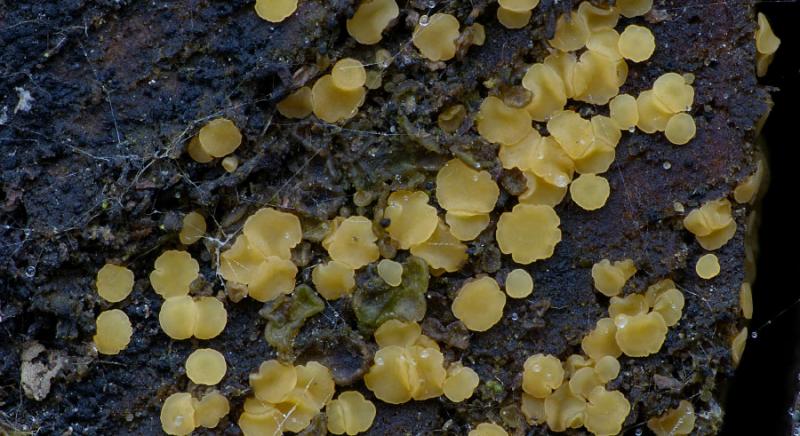
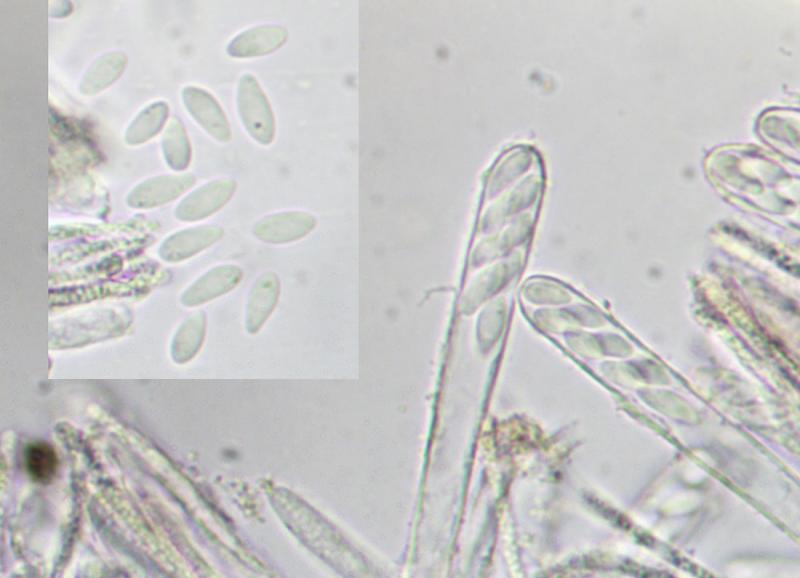
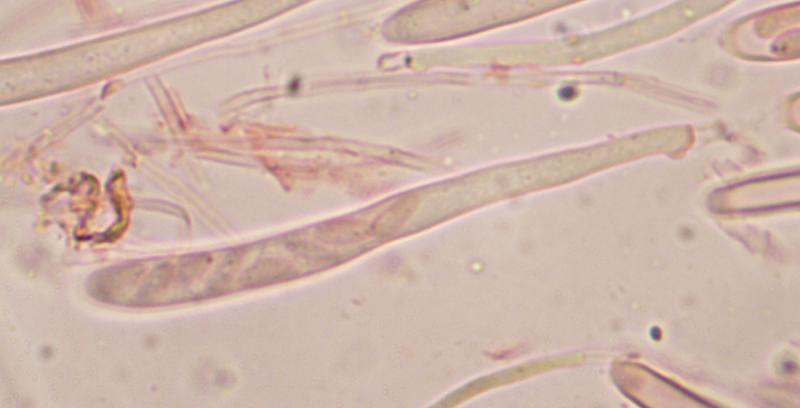
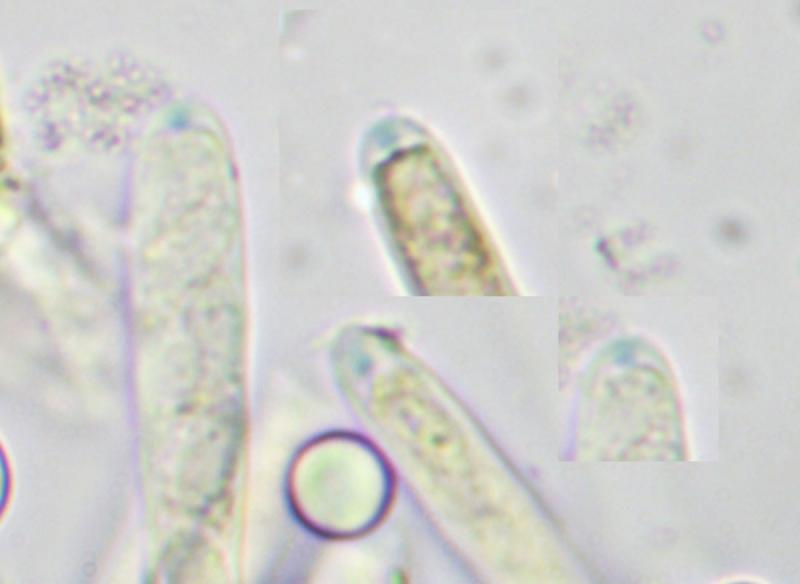
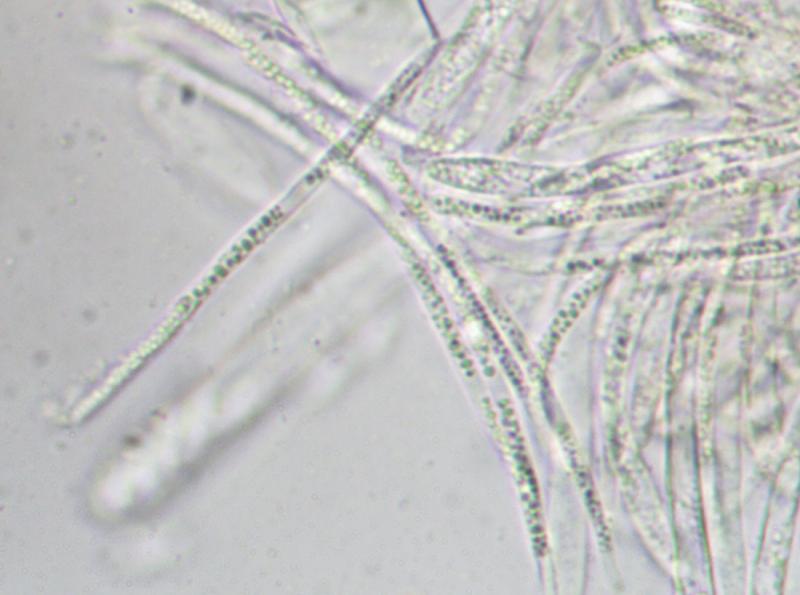
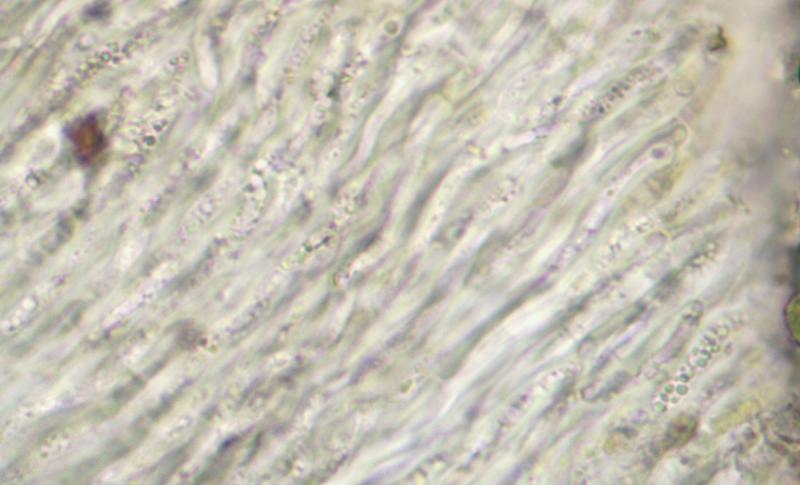
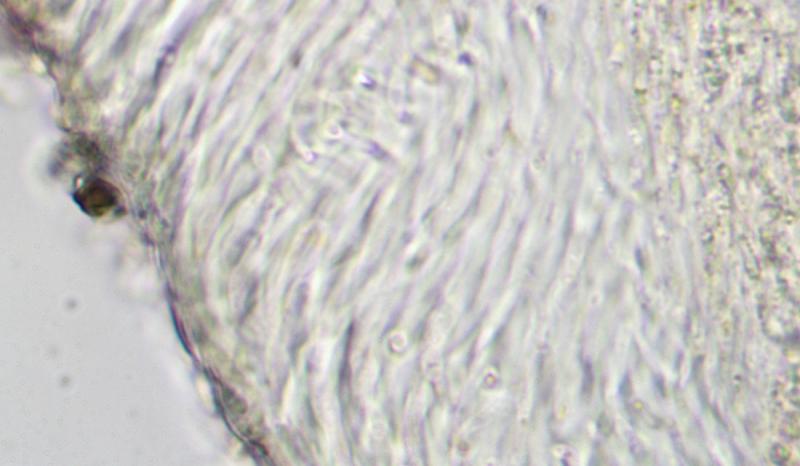
Salut Andgelo,
Regarde du côté de Bisporella subpallida, ça m'a l'air de bien correspondre, tant en macro qu'en micro.
Amitiés,
Daniel

Bonjour Andgelo, Daniel et tous,
Tiens, j'en étais resté au genre Bisporella dans lequel subpallida gardait une place alors que les autres ex Bisporella migraient vers Calycina.
La chair très gélifiée de cette espèce qui n'est pas si rare en hiver sur le bois coupé ou décortiqué encore dur pouvait expliquer le maintient dans le genre .
Attendons les commentaires de Zotto
Amitiés
Michel

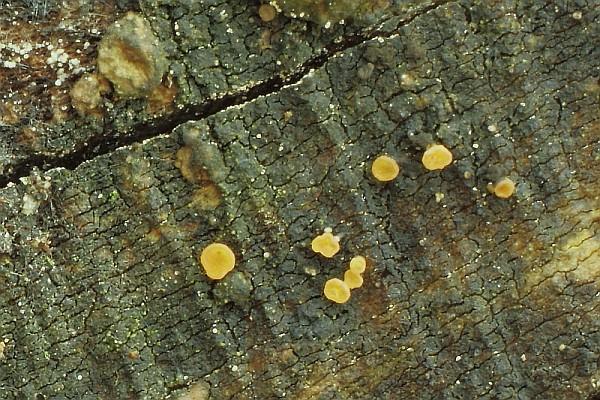
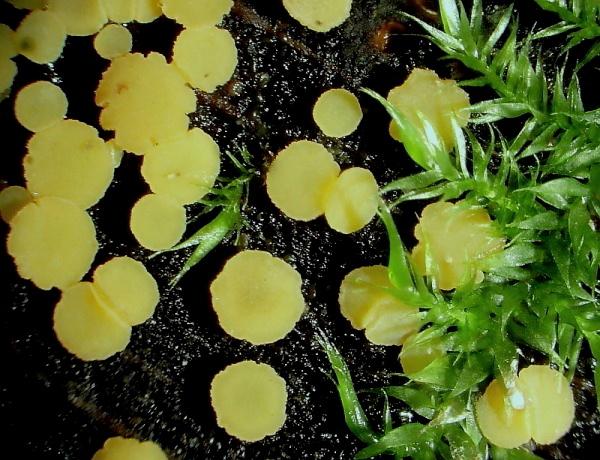
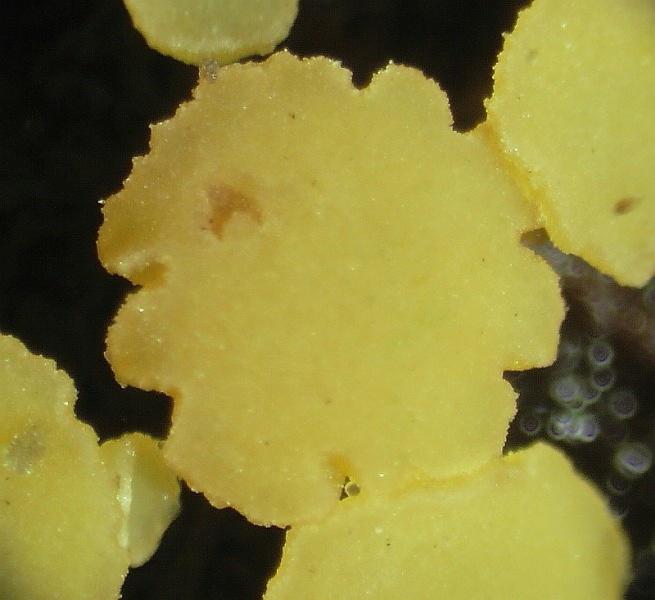

And the reason why the genus was split and placed in two different families is manyfold. The gel is not the reason, it is similar and was overemphasized in earlier concepts. Differemces lie in
- the apical ring type (Hymenoscyphus- vs. Calycina-type)
- the paraphysis contents (multiguttulate vs. elongate)
- molecular data
(Bisporella vs. Calycina)
Thanks for the reminder Zotto .
Michel