
06-05-2026 11:25
 Castillo Joseba
Me mandan el material seco de Galicia (España) re
28-04-2026 20:07
 Lothar Krieglsteiner
... on twig in the air at standing Ceratonia siliq
05-05-2026 22:40
Gernot FriebesHi,I believe this is a Plagiostoma growing on a Sa
04-05-2026 18:13
 Stephen Martin Mifsud
ID request for what seems to be a true aquatic fun
04-05-2026 16:39
Stephen Martin Mifsud
ID request: This specimen was collected in Malta o
28-07-2011 18:31
 Alex Akulov
Dear FriendsToday I made the pdf file of Velenovsk
04-05-2026 09:50
Castillo Joseba
Me mandan el material seco de Galicia,(España) re
02-05-2026 12:42
Alain BRISSARDBonjour à tousJeuidi 30 avril dernier on m'a remi
02-05-2026 13:06
Pauline. PennaBonjour Please can someone help me with this id

Good evening everybody,
This afternoon we found some small yellow discs with dentate margin on leaves of Quercus.
The asci were cylindrical, thick walled, 120x14µ, 8-spored and IKI pos. Paraphyses were filiform and contained long refractive vacuoles. Spores measured 20-22x6-7µ and had 2 large guttules.The outer excipulum consisted of textura angularis.
I think it is something of the subfamily Dermateoideae.
Someone could help me further?
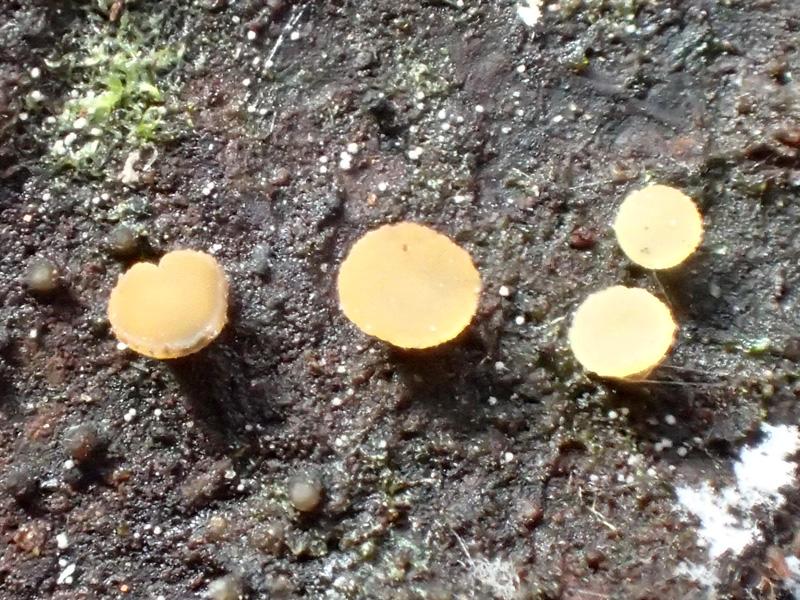
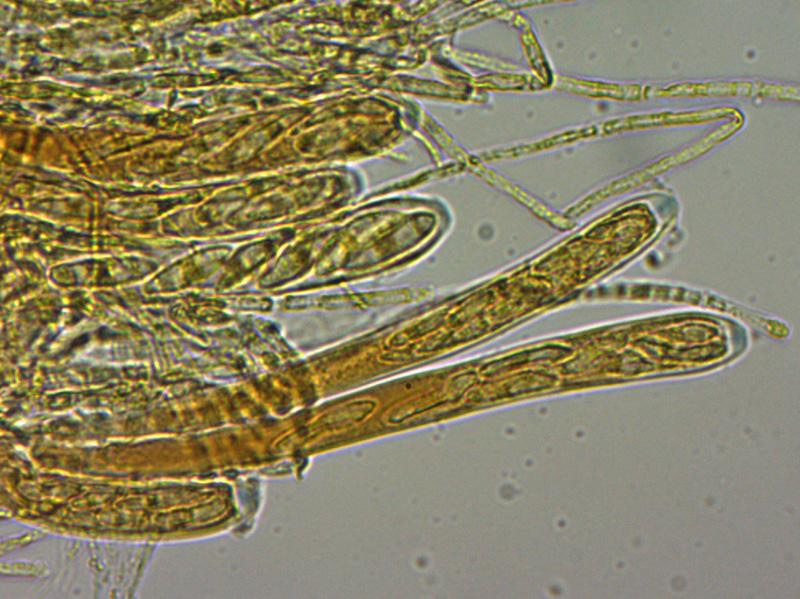
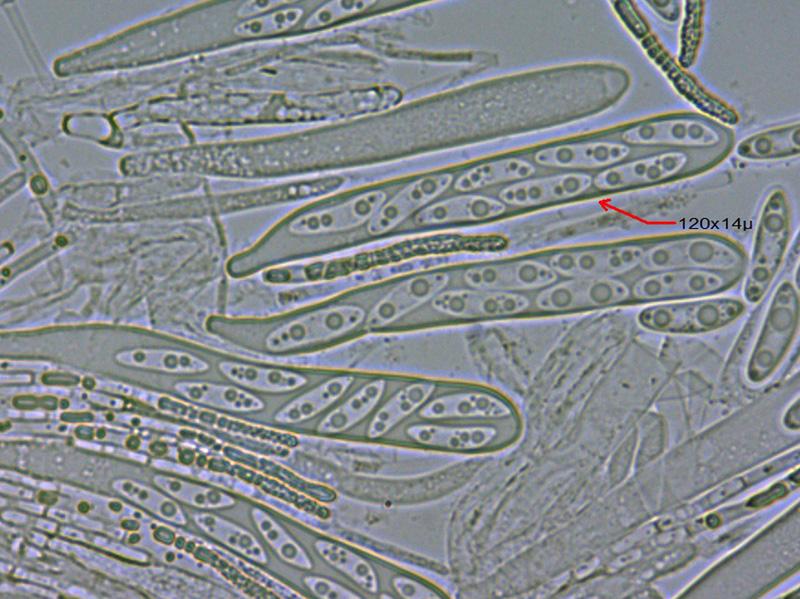
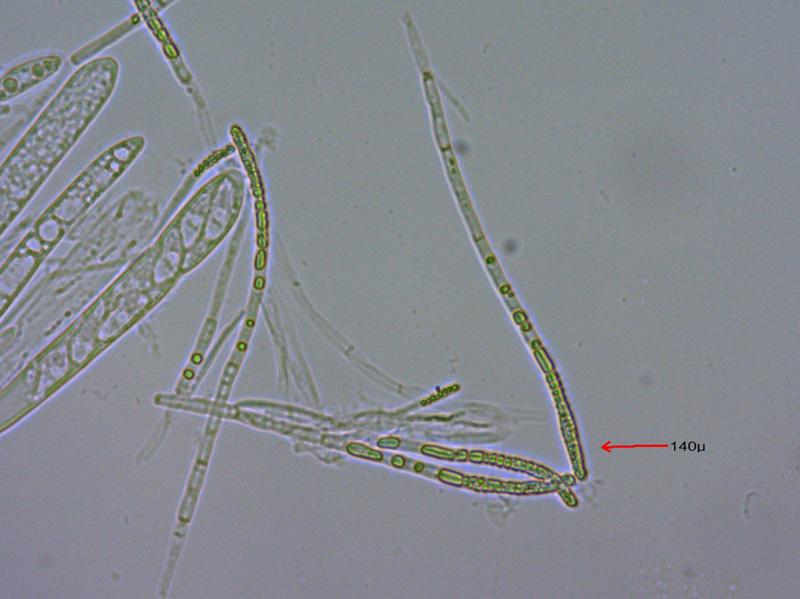
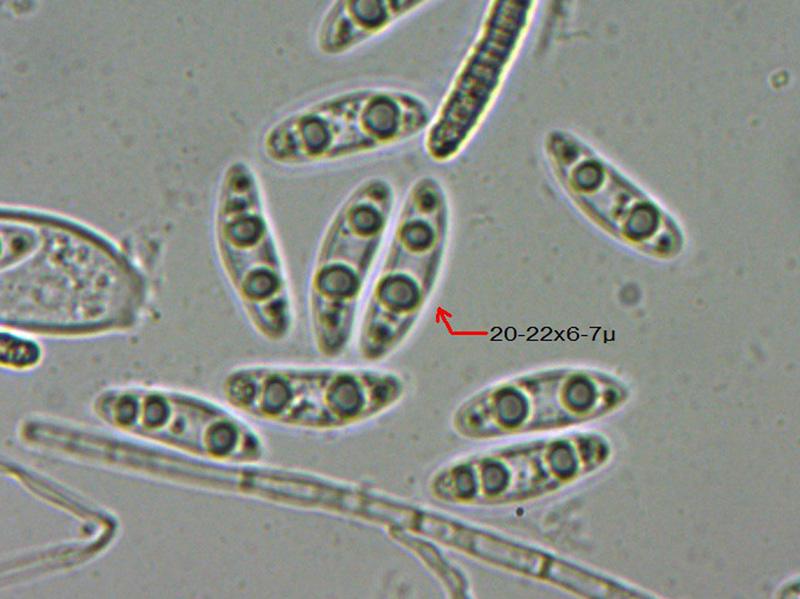

Zotto;
You are right I have been misleaded by the general key in Nordic Macromycetes where the slightly brown excipulum and the angular cells brought me to the Dermateaceae.
But all the typical features of P epiphyllum were present including the reddening after damaging
Thanks
Marc