06-05-2026 11:25
 Castillo Joseba
Me mandan el material seco de Galicia (España) re
28-04-2026 20:07
 Lothar Krieglsteiner
... on twig in the air at standing Ceratonia siliq
05-05-2026 22:40
Gernot FriebesHi,I believe this is a Plagiostoma growing on a Sa
04-05-2026 18:13
 Stephen Martin Mifsud
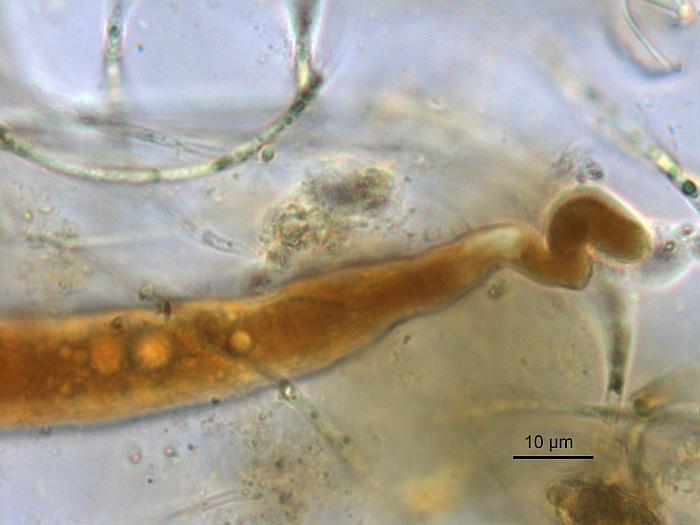
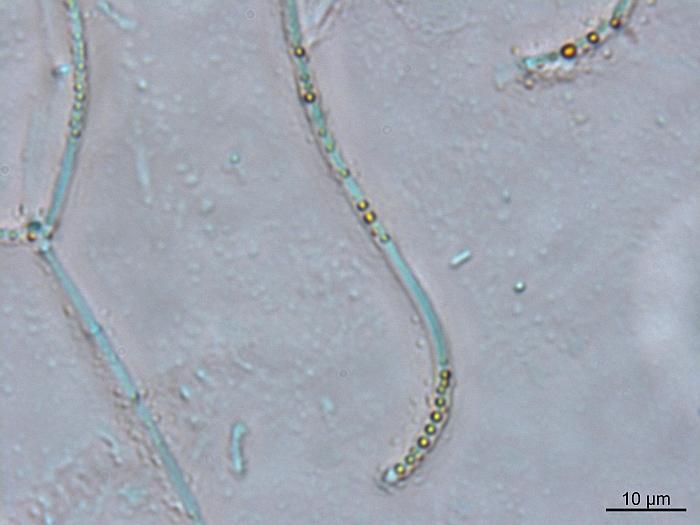
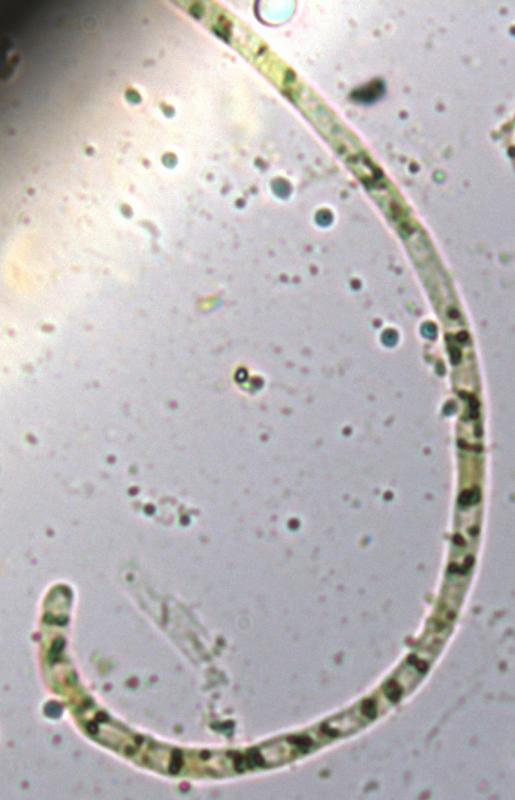
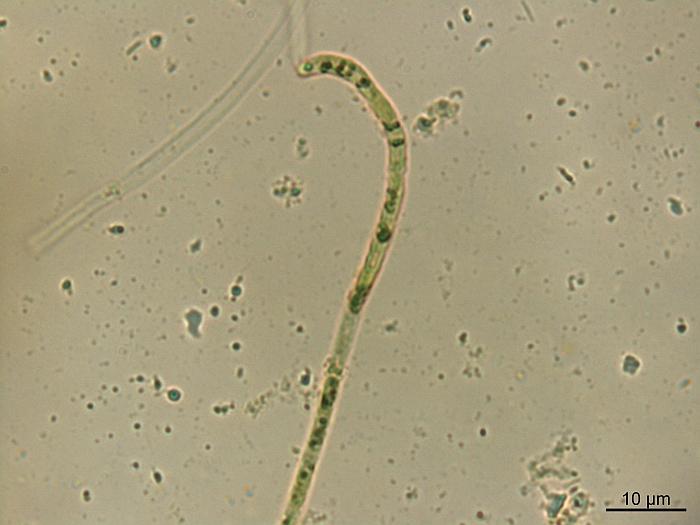
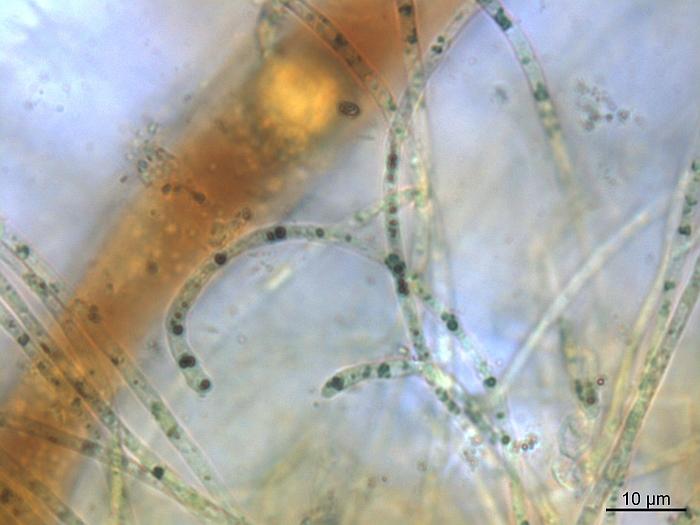
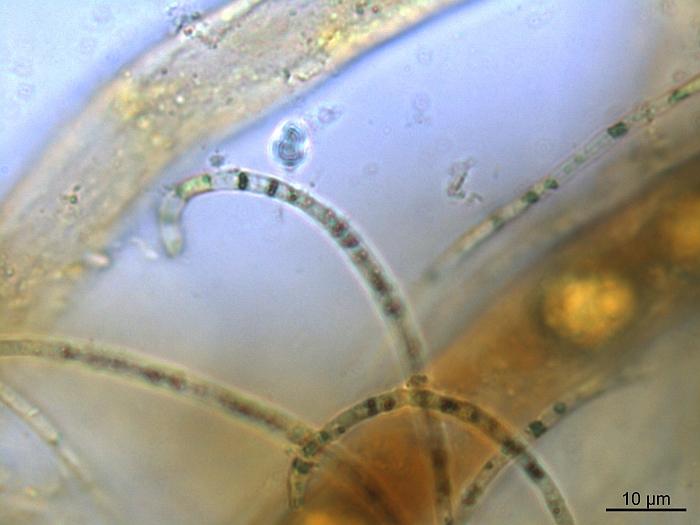
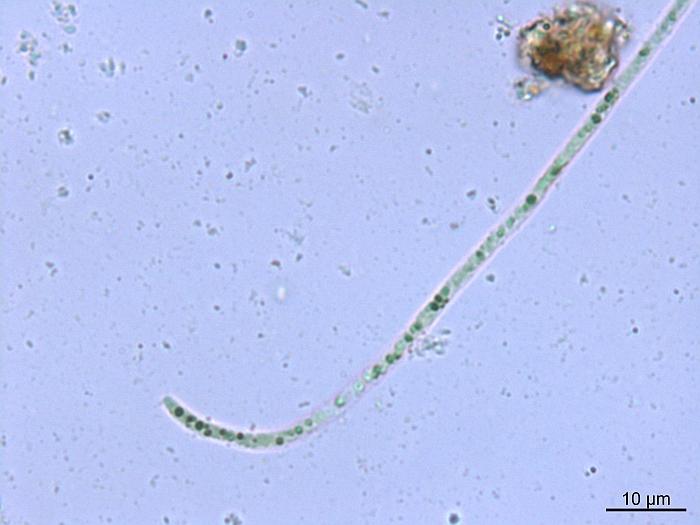
ID request for what seems to be a true aquatic fun
04-05-2026 16:39
Stephen Martin Mifsud
ID request: This specimen was collected in Malta o
28-07-2011 18:31
 Alex Akulov
Dear FriendsToday I made the pdf file of Velenovsk
04-05-2026 09:50
Castillo Joseba
Me mandan el material seco de Galicia,(España) re
02-05-2026 12:42
Alain BRISSARDBonjour à tousJeuidi 30 avril dernier on m'a remi
02-05-2026 13:06
Pauline. PennaBonjour Please can someone help me with this id
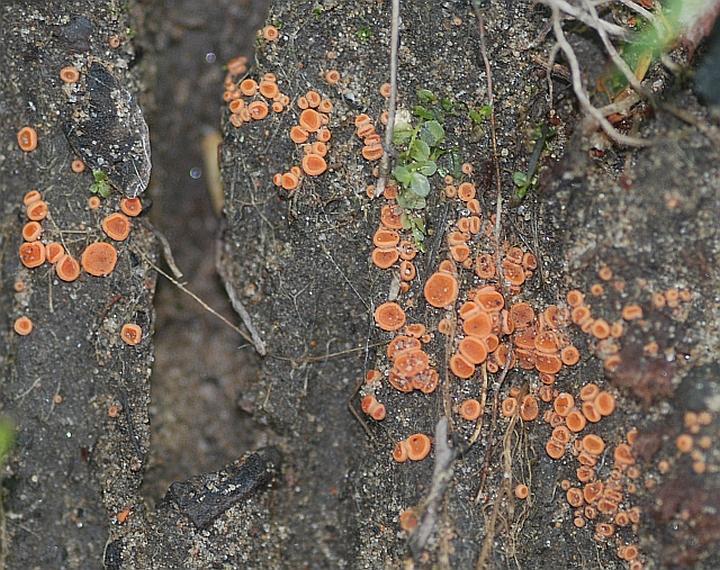
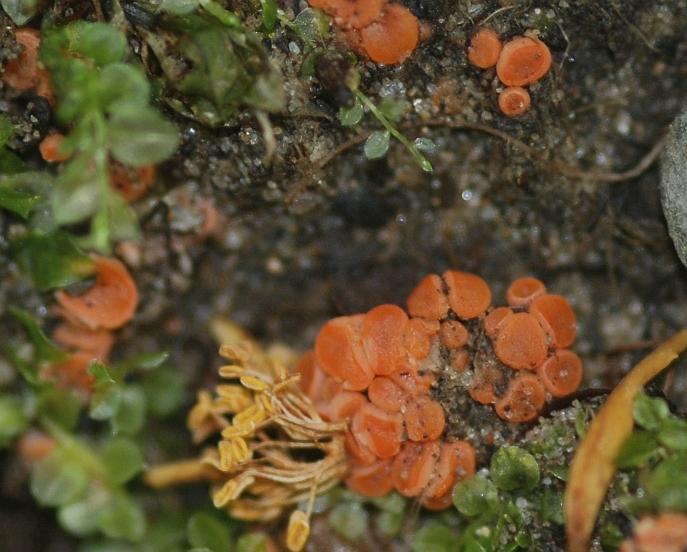
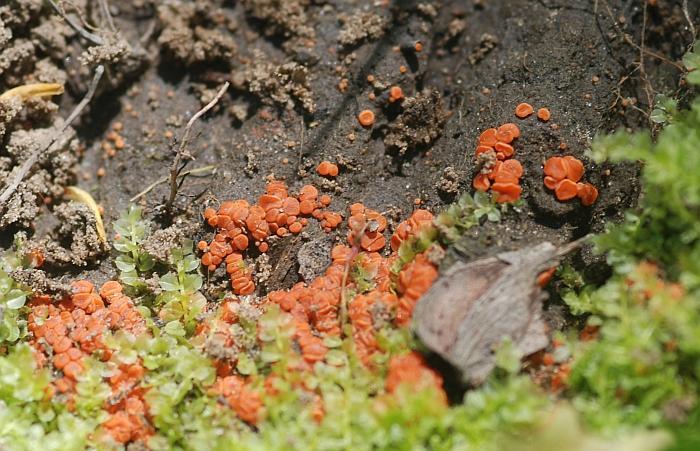
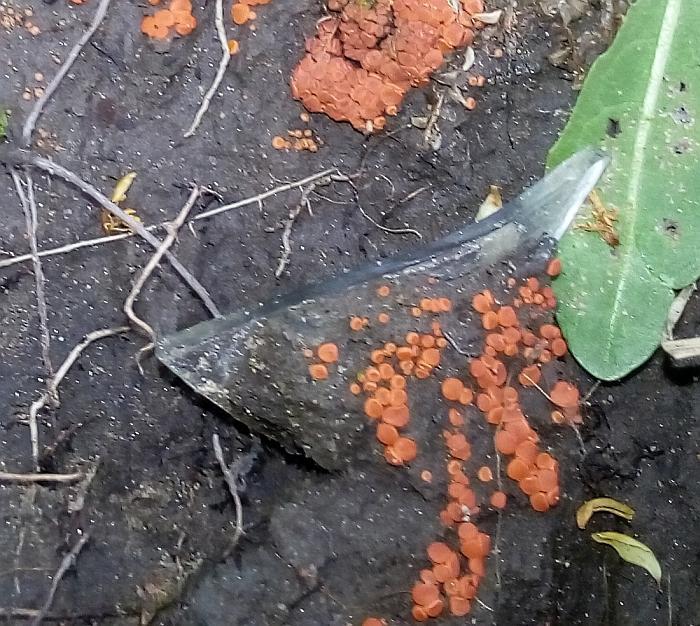
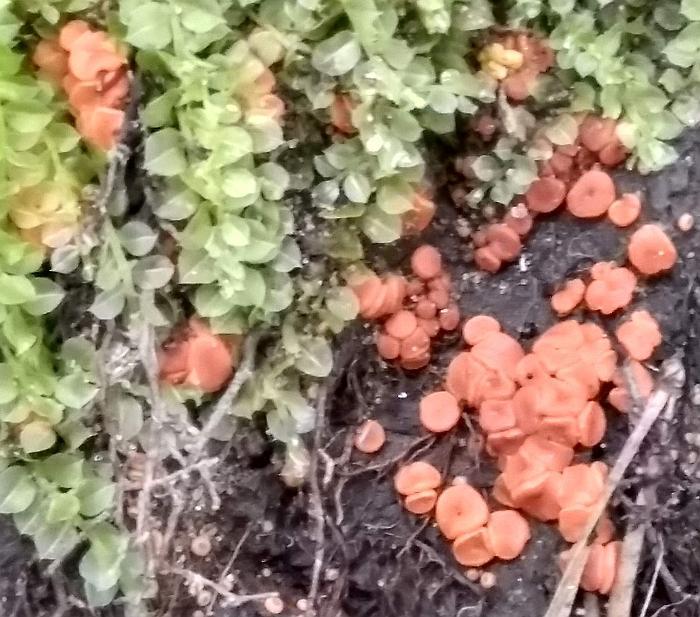
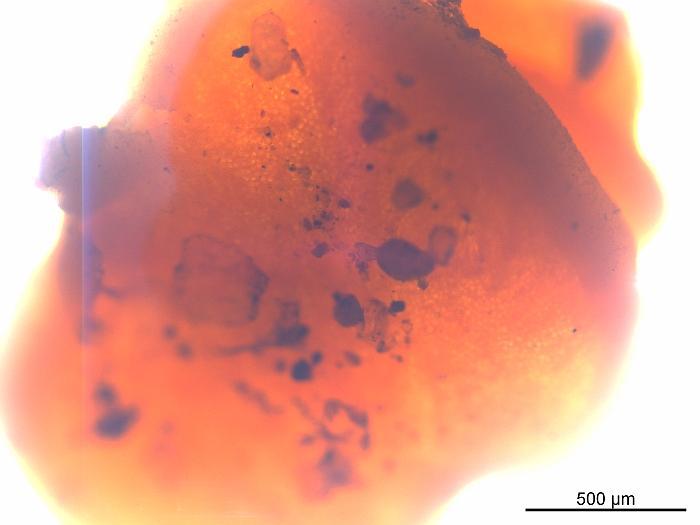
Habitat: Debrecen, Hungary, landscaped area (Debrecen's great
forest, clinic area (I've found it several times in the same place: 2018.06.15; 2018. 06.20;2018.08.27)
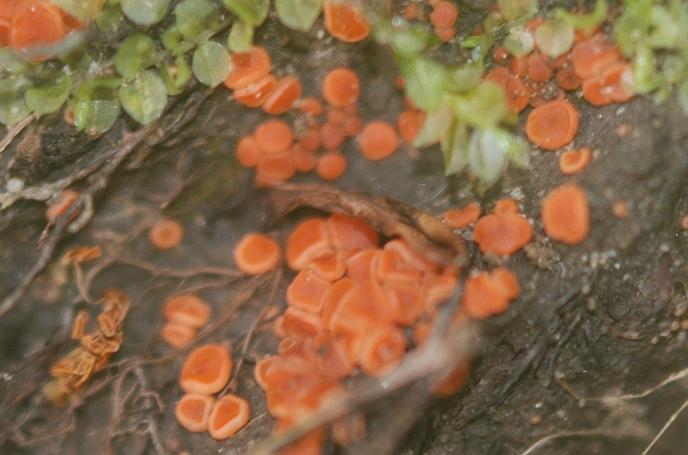
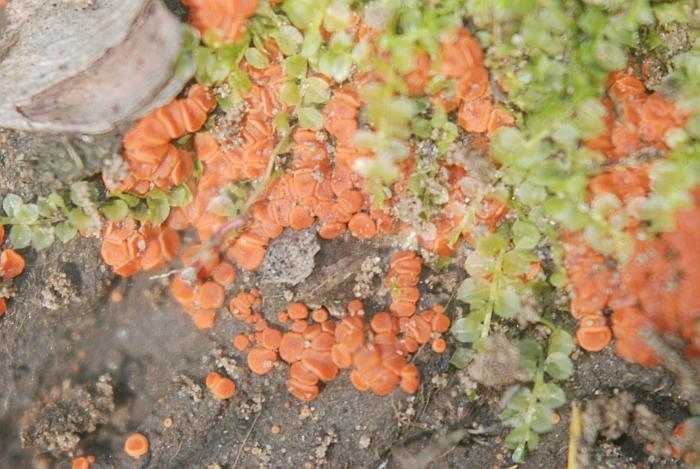
Apothecium: their size is 2-5 mm, color is orange, slightly brown
Substrate: between smooth soil and moss, I did not find the carbonized tree in the soil
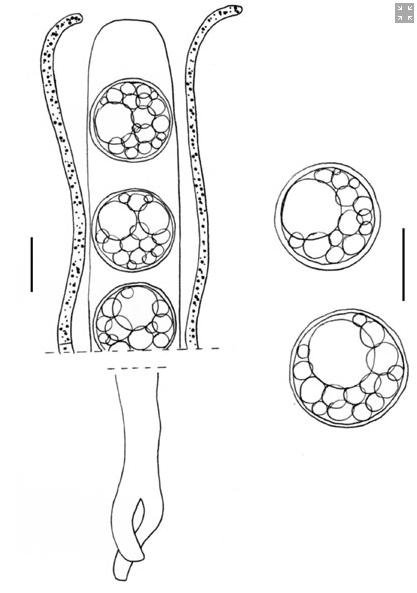
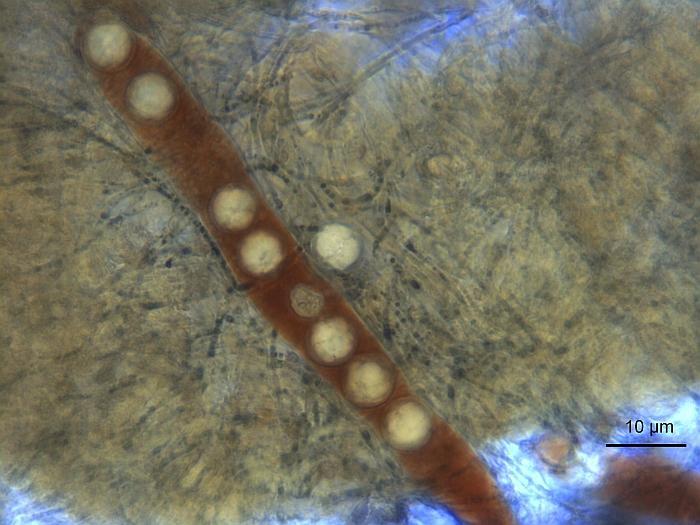
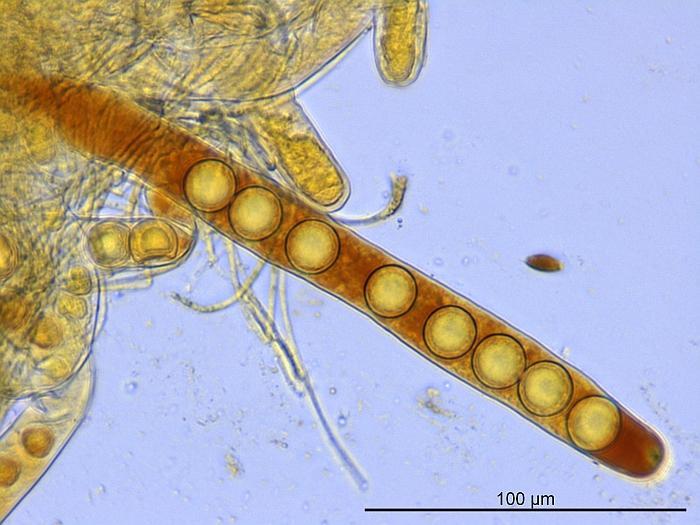
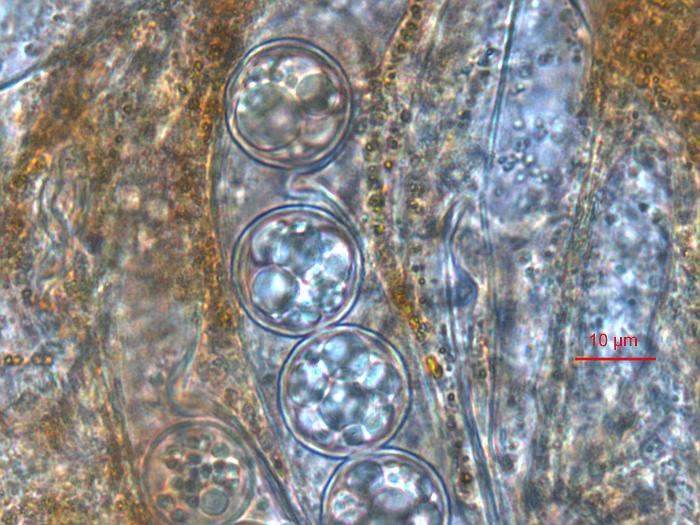
Spore: the smooth spores are spherical and contain many larger drops of oil, the size of spores: (15,0) 15,9 (16,8) x (15,7) 16,7 (17,7)
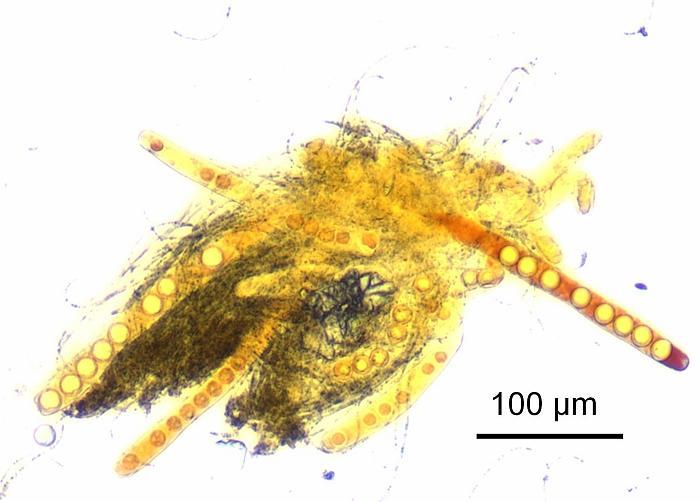
Ascus: 8 spores, the size of ascus 240 - 270 x 20-25, I could not observe operculum, the bottom of the ascas is mostly branched. The potassium iodide iodine reaction is negative.
Paraphysis: size, have only latitude data: 1,9-2,2, thin with their ends curved, thin with their ends curved (size: 0,7-1,2).
Here is the end of my science. This species is a Pulvinula (I think). Maybe P. convexella, but I'm insecure (I'm amateur). Other opinion?.
Thank you in advance.
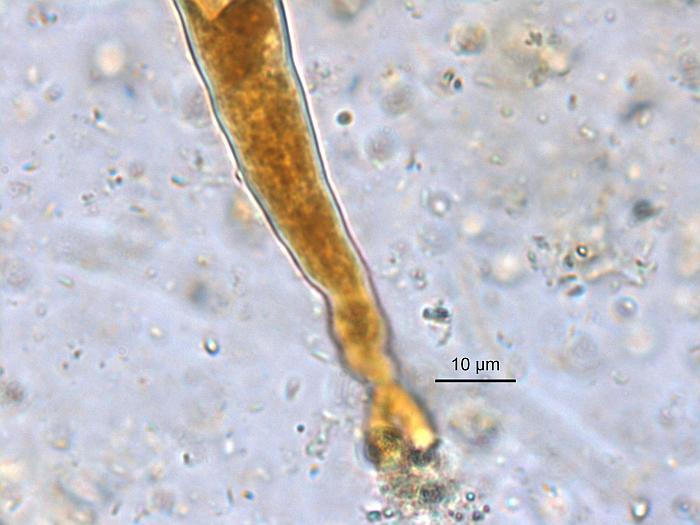
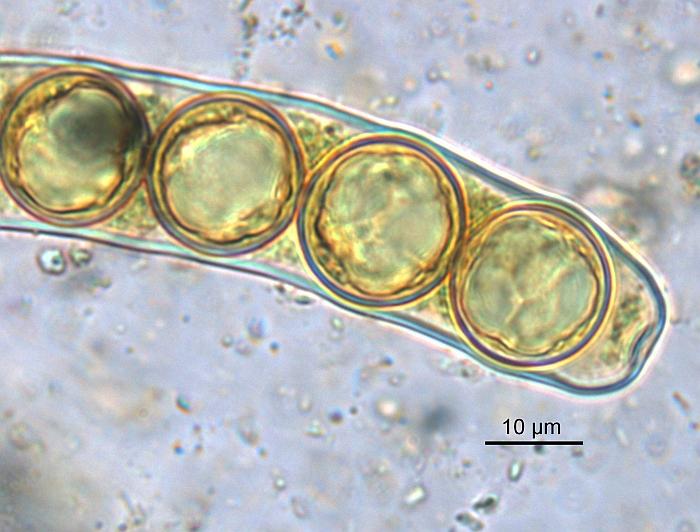
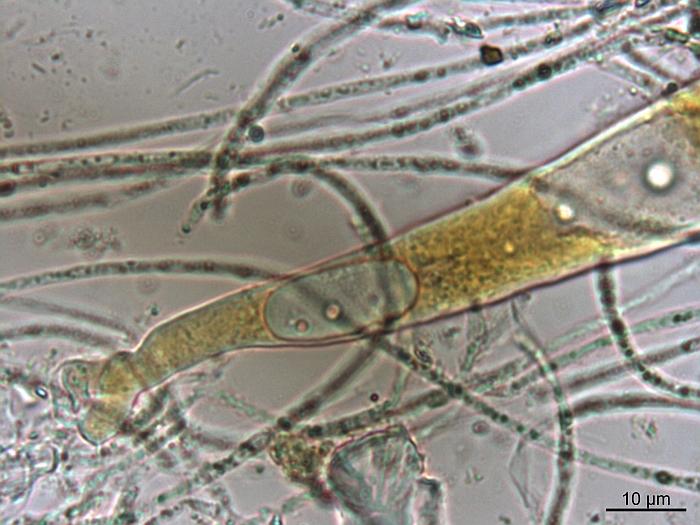
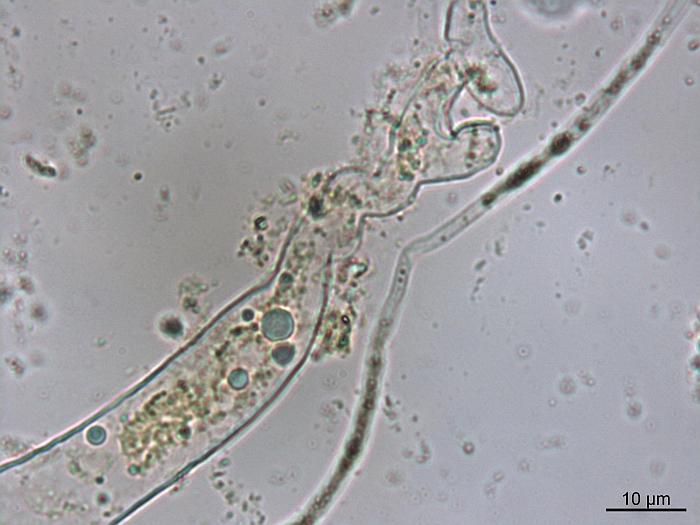
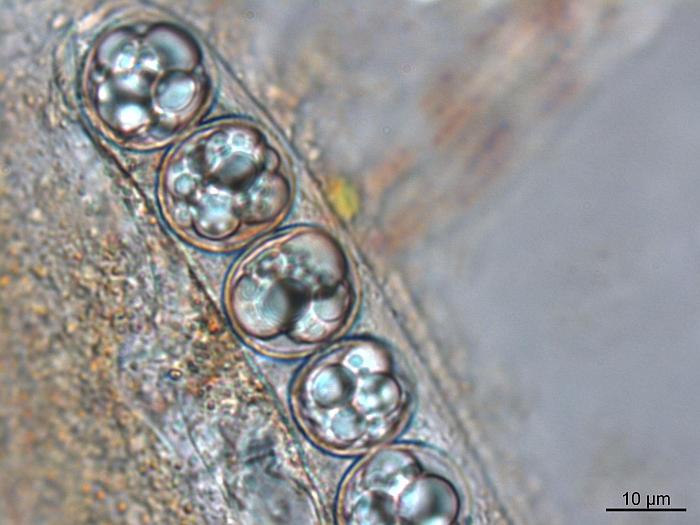
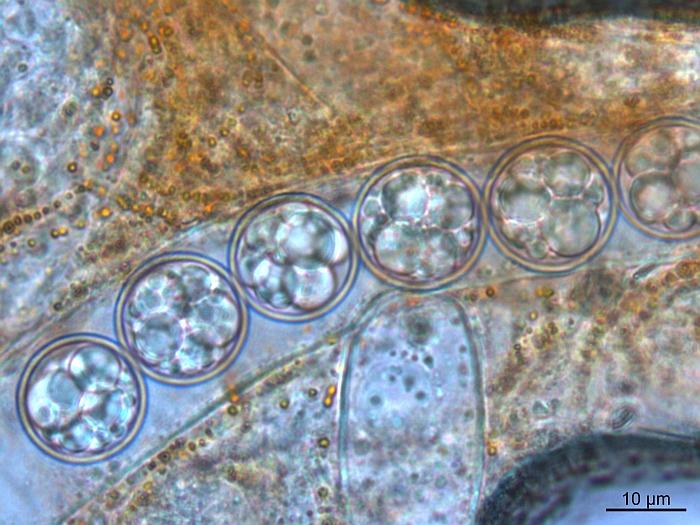
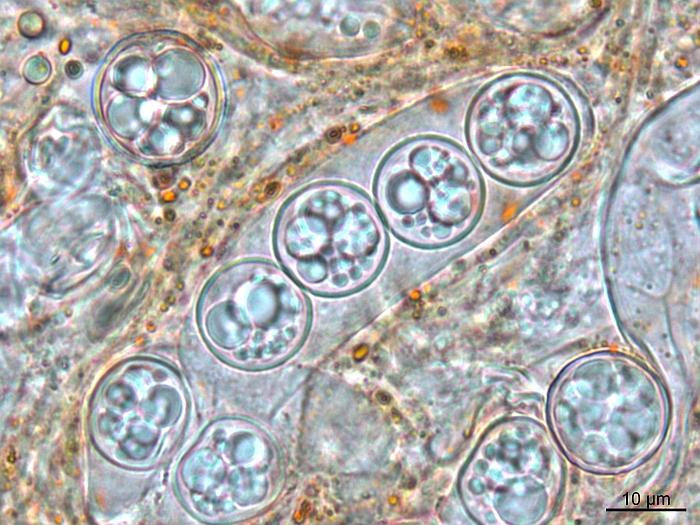
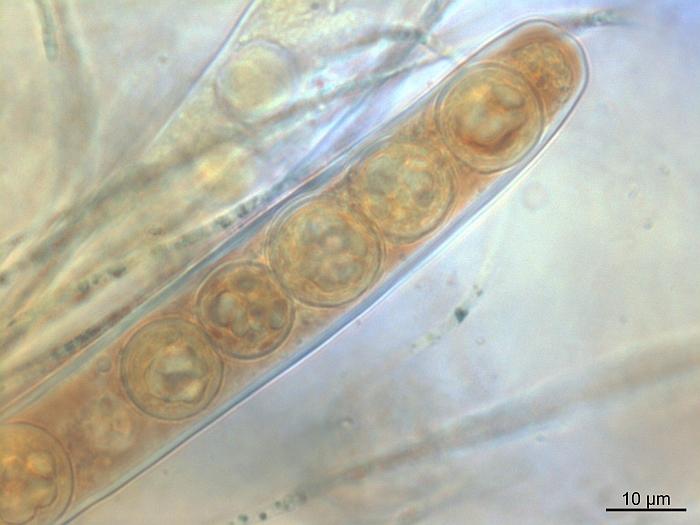
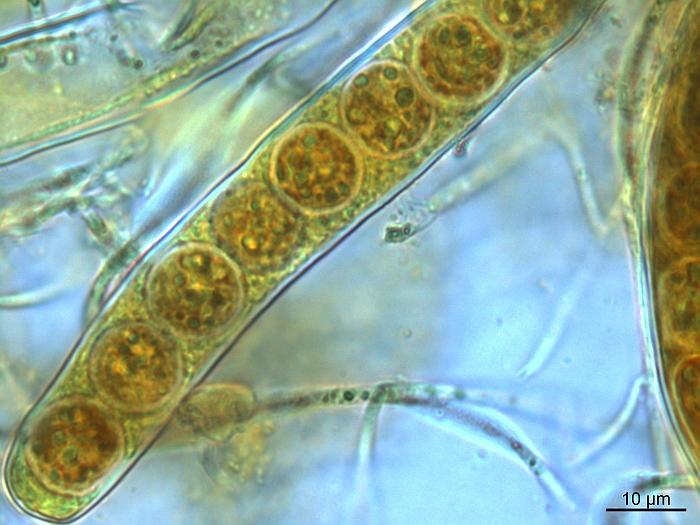
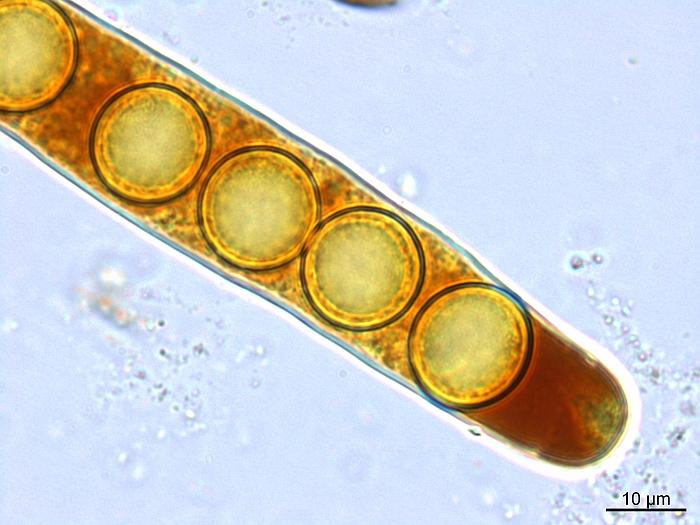

Pulvinula is a hard genus...
Then maybe I let it go.... I also wondered about two other species: Pulvinula carbonaria and Pulvinula costellatio. The size of the spores is closer. I excluded the first because the shape of the bottom of the ascus is different. I found little information about P. costellati
It's too hard for me. As amateur I am satisfied with the genus. :-)
thanks for the reply