
05-05-2026 22:40
Gernot FriebesHi,I believe this is a Plagiostoma growing on a Sa
04-05-2026 18:13
 Stephen Martin Mifsud
ID request for what seems to be a true aquatic fun
04-05-2026 16:39
Stephen Martin Mifsud
ID request: This specimen was collected in Malta o
28-07-2011 18:31
 Alex Akulov
Dear FriendsToday I made the pdf file of Velenovsk
28-04-2026 20:07
 Lothar Krieglsteiner
... on twig in the air at standing Ceratonia siliq
04-05-2026 09:50
 Castillo Joseba
Me mandan el material seco de Galicia,(España) re
02-05-2026 12:42
Alain BRISSARDBonjour à tousJeuidi 30 avril dernier on m'a remi
02-05-2026 13:06
Pauline. PennaBonjour Please can someone help me with this id
01-05-2026 22:45
 Thierry Blondelle
Bonjour à tous, Une récolte sur bouse séchée d
two weaks ago I found this interesting fungus on dead branch of Ligustrum vulgare above the ground in mixed forest.
Size of fresh mature apothecia is max. 0,5 cm, hymenium is brown, after rehydratation with light olive tinge. Size of ascospores is M = 10,6 - 13,9 × 7,2 - 10,0 µm, Me = 12,3 × 8,6 µm [N = 50; freely discharged spores, water]. Asci Mlz-, IKI+
Any idea what is it?
Thanks in advance
Roman
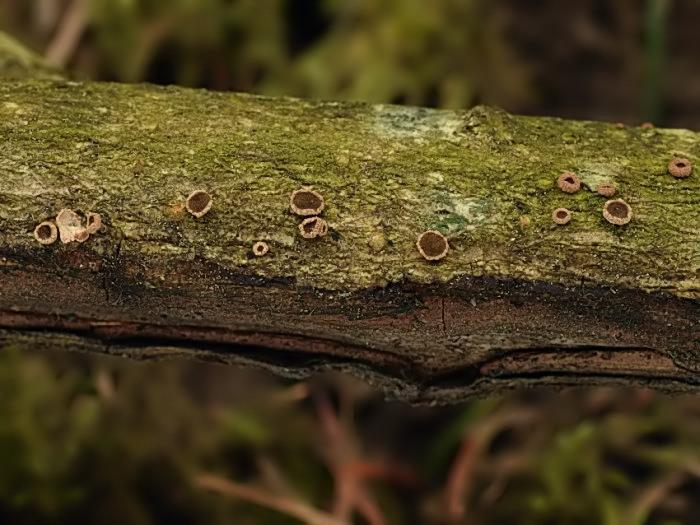
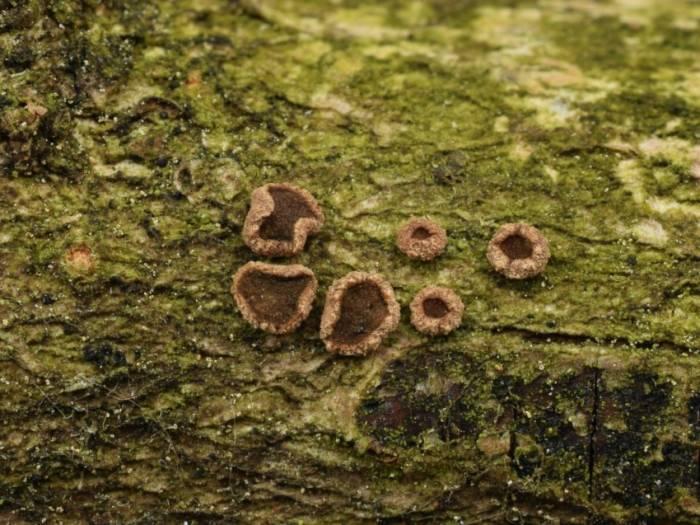
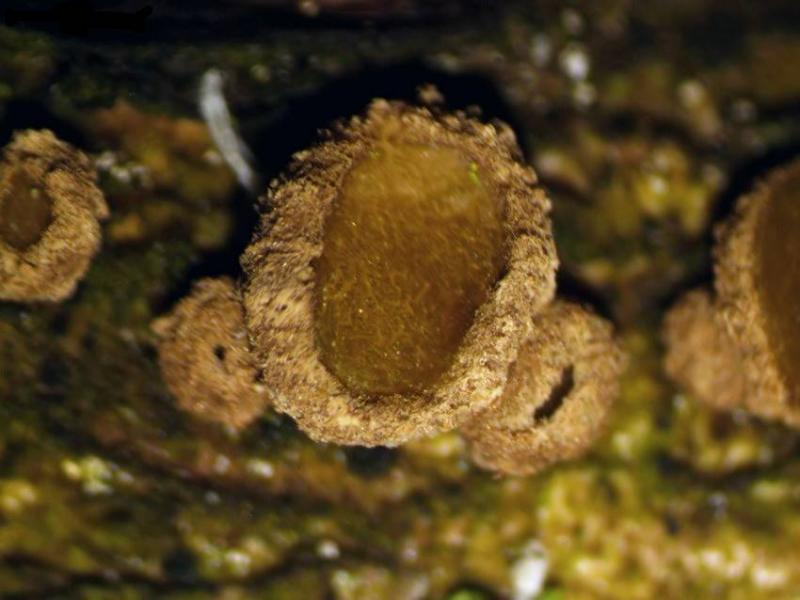
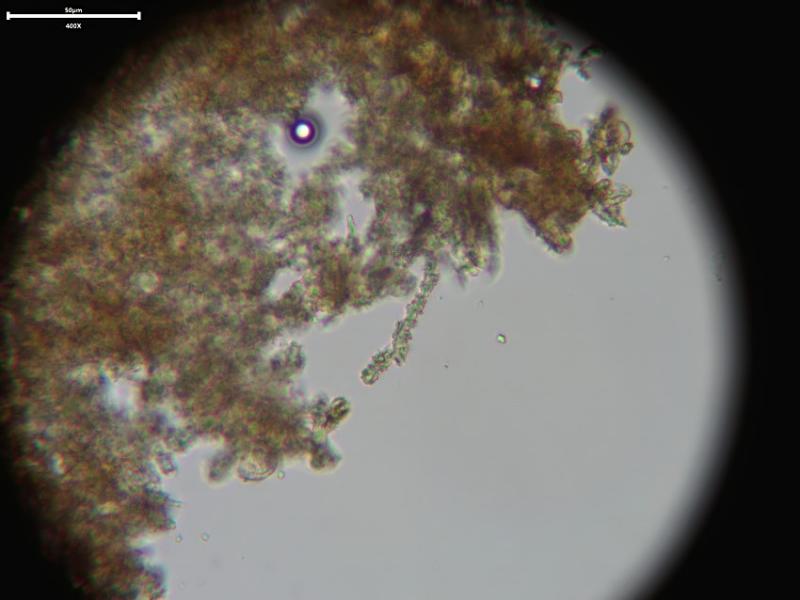
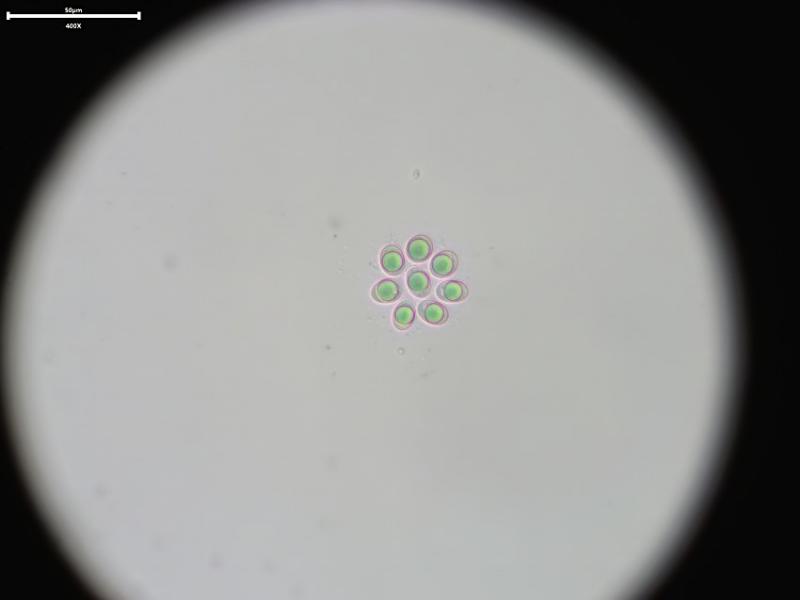
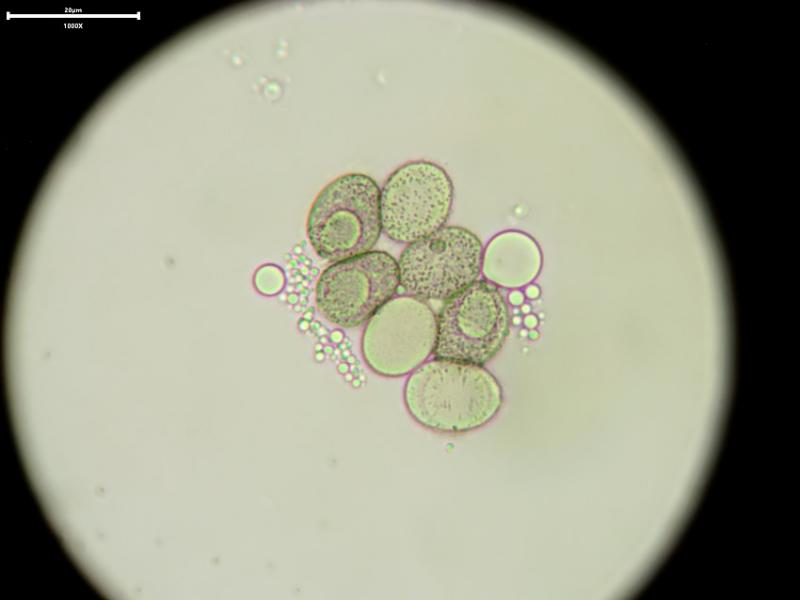
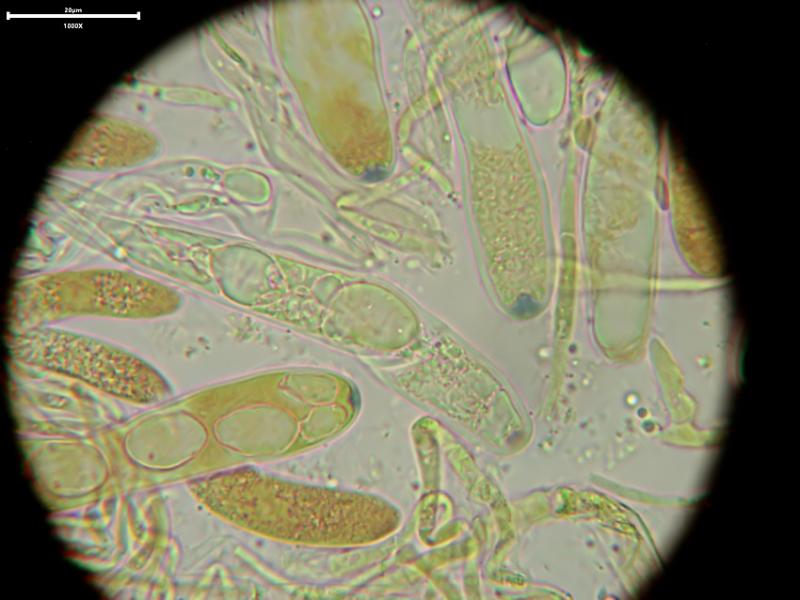
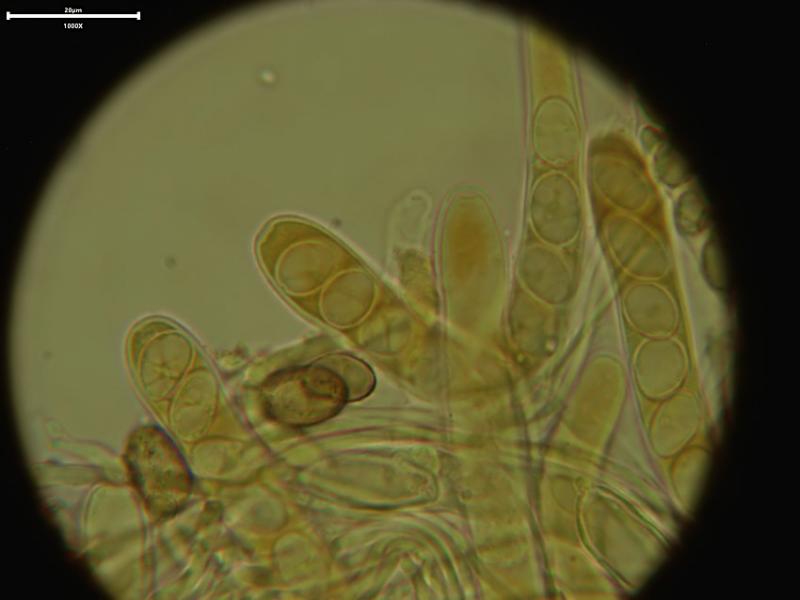
Hello Roman,
I think there is no doubt about Velutarina rufoolivacea.
Regards, Lothar
thank you very much for your answer. I read article from Zotto and Peri? (Velutarina bertiscensis and V. alpestris spp. nov., with redescription of V. rufoolivacea and discussion of its synonyms) and I I thought of V. rufoolivacea. But some apothecia from my find are too big (4 - 4,5 mm) and spore width is a little larger so I'm not sure and it is my first Velutarina. But probably that's it. Thank you
Roman
... I think I do not know this article and the new species.
So .... - let others write.
Regards, Lothar

my measurements of maximal size of apothecia are from the site. There was many dozens of fresh apothecia with maximum size 4 - 4,5 mm. I have now measured some apothecia from dried exsiccate and biggest had 3 mm. Of course, much of them is smaller
Hello together,
I think I also have already seen V. rufoolivacea (that is not too rare) larger than 2 mm. But I do not have measurements of concrete finds to demonstrate.
Best regards, Lothar
thank you once again for your help.
Roman