
21-04-2026 22:14
Margot en Geert VullingsThis cup fungus was found on April 10, 2026, on lo
21-04-2026 13:36
Gernot FriebesHi,I am out of ideas for this one. I collected Sal
21-04-2026 13:19
Gernot FriebesHi,this Lophodermium on Typha has ascospores measu
21-04-2026 13:05
Gernot FriebesHi,this hyphomycete feels familiar but I was not a
20-04-2026 22:00
 Malcolm Greaves
These pale yellow, hairy ascos were growing on cul
19-04-2026 21:23
Steve ClementsBonjour, I found this anamorphic fungus on old pl
19-04-2026 20:46
Steve Clements1 mm diameter approx spherical conidiophores on pl
12-04-2026 17:56
 Hardware Tony
Found on dead stems in February earlier this year
17-04-2026 19:16
 Enrique Rubio
Hi to everybodyI would appreciate any assistance r
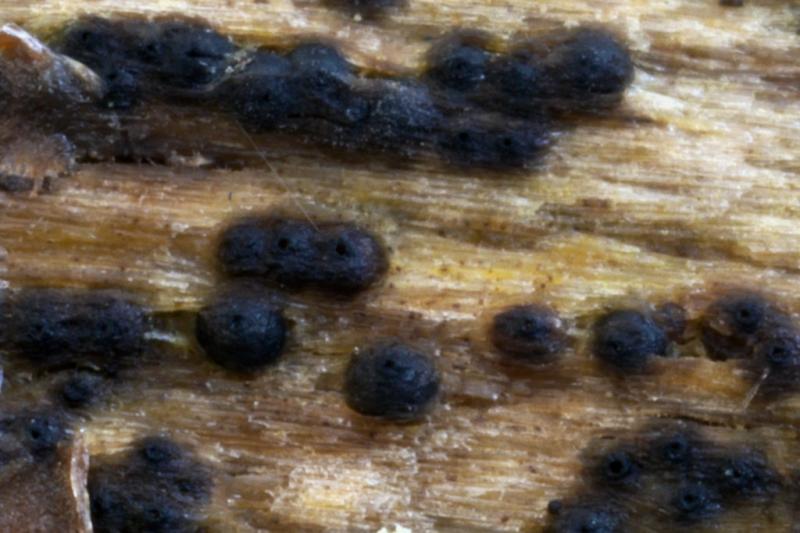
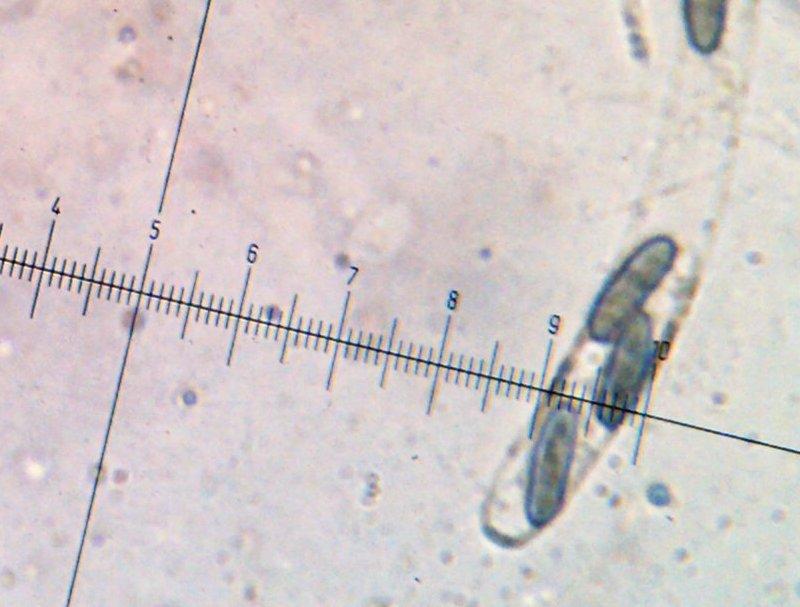
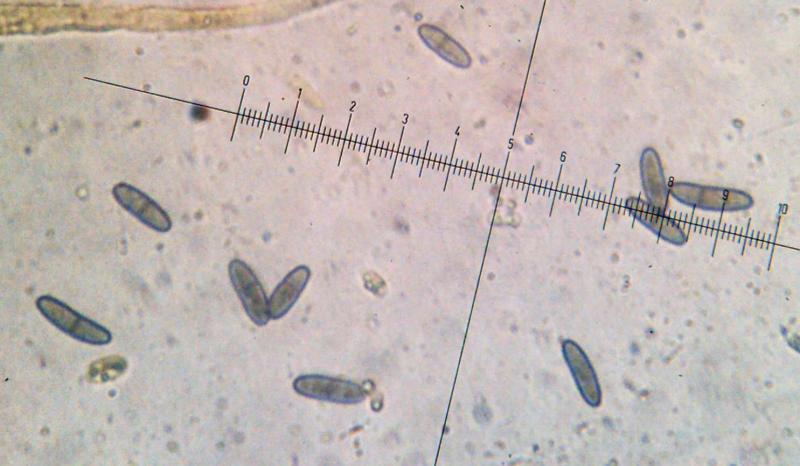
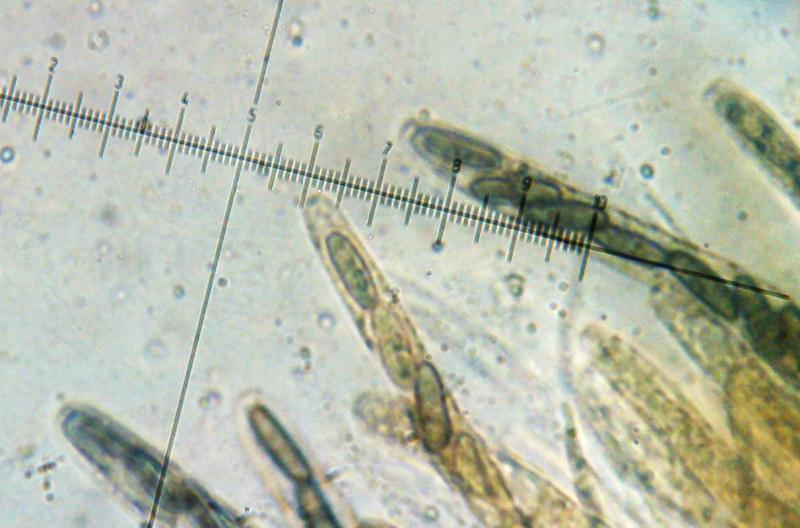
I've found this ascomycete on a dead lying spruce wood
I think it's Endoxyla parallela. But with amyloid apical ring? Can you confirm if this correct ?
Thanks.
Best Regards
Pavol
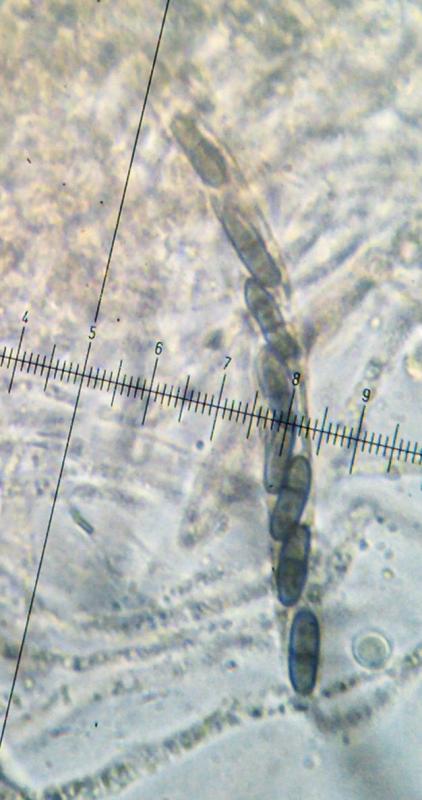

Endoxylina is a possibility but more information is needed.
You should first make a vertical section of ascomata and check if they are immersed under the surface and arranged in linear rows.
Asci of Endoxyla do have an apical ring but inconspicuous and inamyloid. It can be slightly stained in Congo red.
Ascospores of Endoxyla have a minute germ pore at one end, you should check this in heated chloral-lactophenol at high magnification. If your preparation is not thin and clean you won't see it!
Ascospores dimensions are likewise useful for identification at species level.
Best,
Jacques