
10-05-2026 23:17
 Andreas Gminder
Hello,today we found in a moist steep decidous for
14-05-2026 05:36
Ethan CrensonHi all, I haven't paid much attention to Lachnu
16-03-2011 14:31
roman vargas albertoHi. I would like some opinion about this Peziza
11-05-2026 12:32
 Bernard CLESSE
Pourriez-vous m'aider à identifier cette héloti
13-05-2026 15:26
 François Freléchoux
Bonjour,Voici une récolte faite il y a quelques j
12-05-2026 15:41
 Nicolas VAN VOOREN
Dear Ascolovers, especially interested in Pezizale
13-05-2026 12:05
 Thierry Blondelle
Bonjour à tous,J'aimerais avoir confirmation de c
28-04-2026 20:07
 Lothar Krieglsteiner
... on twig in the air at standing Ceratonia siliq
27-04-2026 20:52
Lothar Krieglsteiner
Found on hanging tiwg of Olea europaea in dried-ou
11-05-2026 20:22
Lothar Krieglsteiner
on attached twig of standing Ficus caricaquite uns
Otidea cf. minor
Viktorie Halasu,
10-06-2017 08:07
 Hello forum,
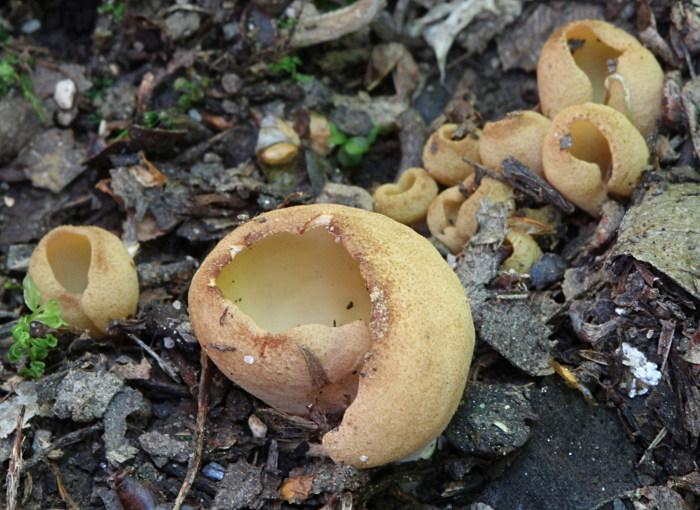
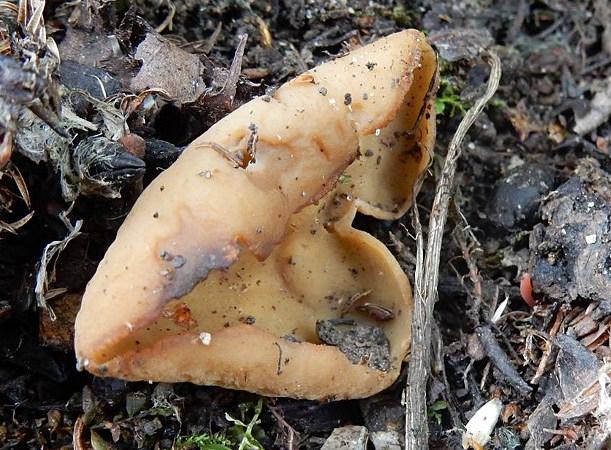
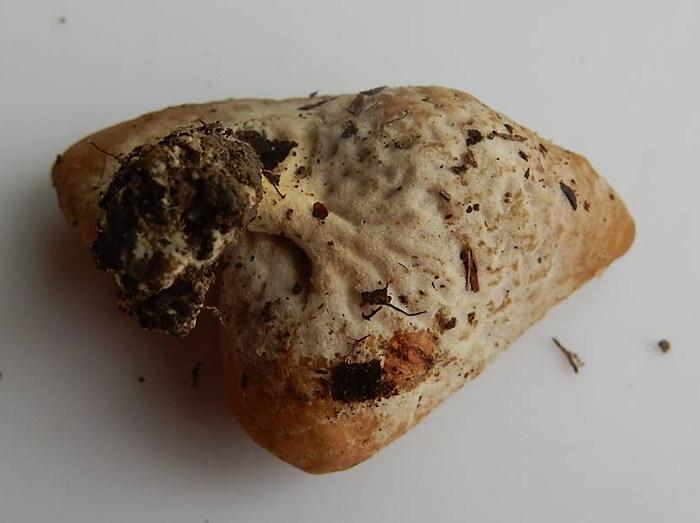
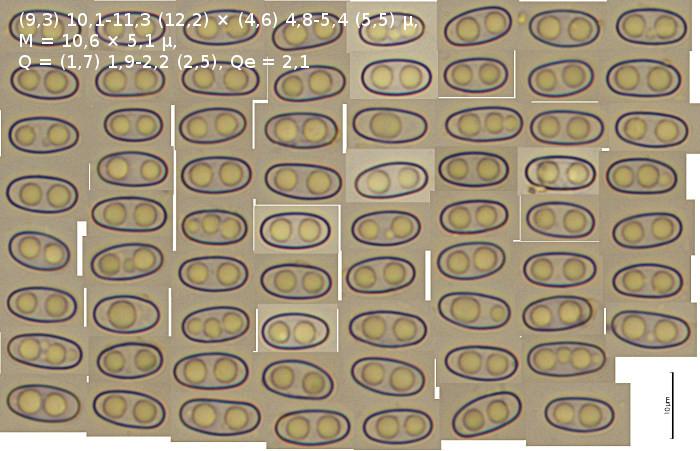
I was given this Otidea from last august, found near limestone quarry, deciduous trees (possibly some conifer too, the collector was not sure). Could it be Otidea minor? The spores are somewhat smaller than described.
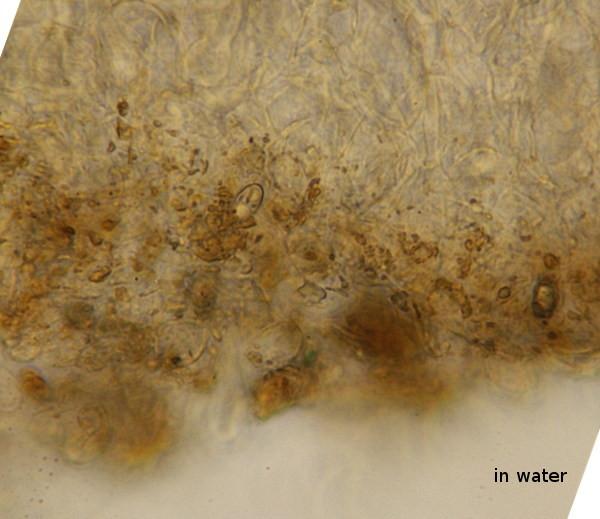
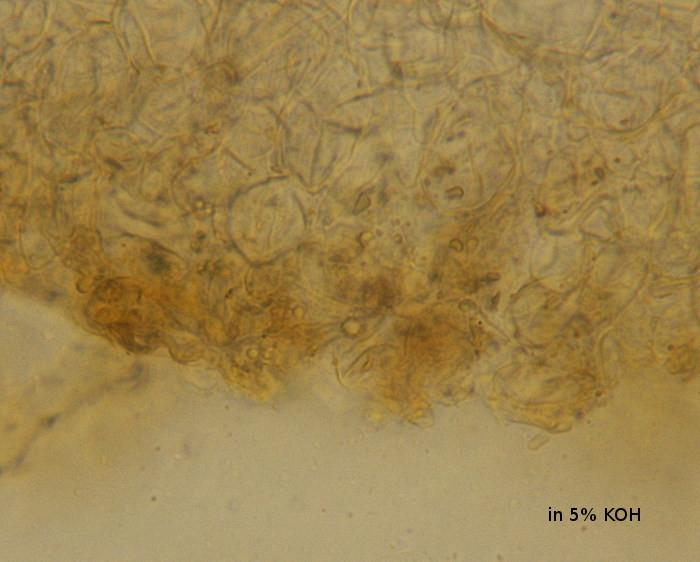
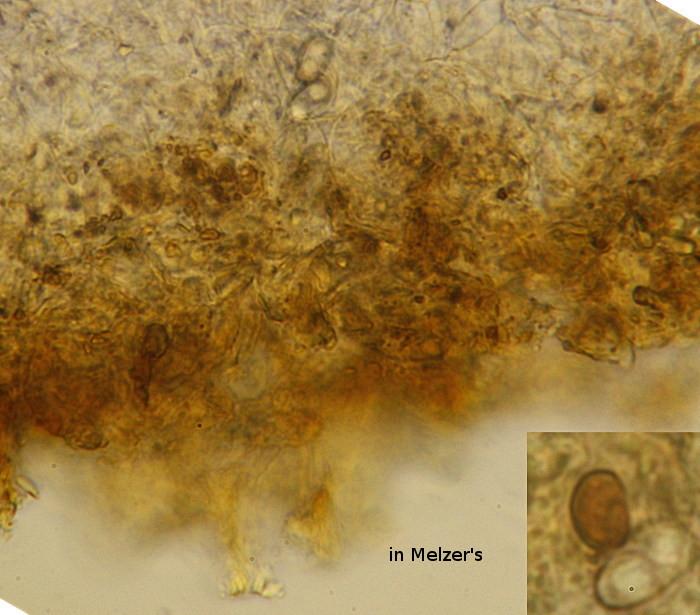
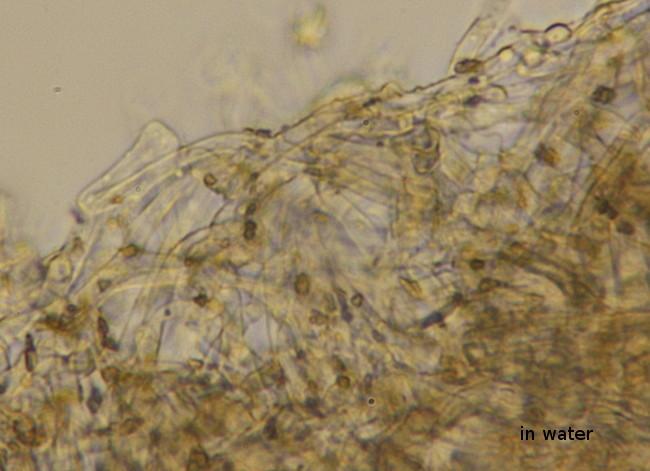
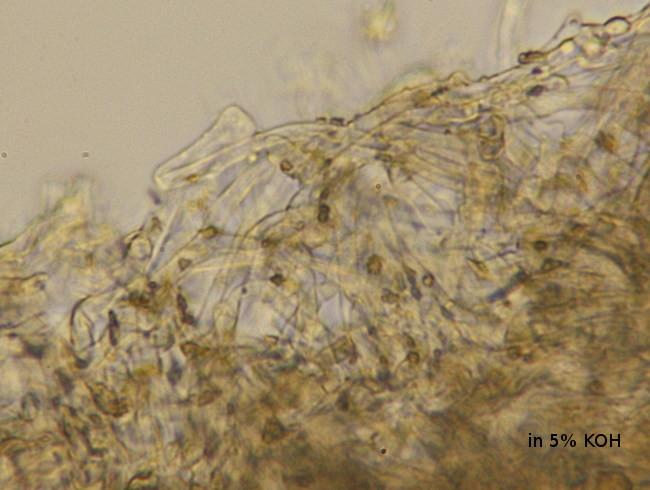
Ectal excipulum t. prismatica or prismatica-angularis, up to 100 ?m thick, (yellowish) brown exudate, medium abundant. Exudate in KOH discoloring and dissolving, releasing yellow pigment (not visible with naked eye). In MLZ amber drops, in higher concentration mostly dissolving.
Medullary excip. t. intricata.
Subhymenium a little bit more yellowish, otherwise not differentiated.
Paraphyses capitate (to clavate), straight.
Sp. ellipsoid to narrowly ellipsoid, ofter more or less inequilateral, 2 LBs, rarely with 1-2 smaller ones (only spores splashed from hymenium were measured).
Thank you for your opinions.
Viktorie
Ibai Olariaga Ibarguren,
14-06-2017 17:57
Re : Otidea cf. minor
Dear Viktorie,
I just saw the post. I think too it looks like O. minor and your identification is correct.
Cheers,
Ibai.
Viktorie Halasu,
14-06-2017 18:08
Re : Otidea cf. minor
Hello Ibai,
thank you very much for confirmation! So the lower spore size falls still within natural species variability? They should have been mature, as it was measured on sporeprint from hymenium surface. If the collector finds them again this year, I'll check the paraphyses for those conspicuous vacuoles you described.
Have a nice day.
Viktorie
thank you very much for confirmation! So the lower spore size falls still within natural species variability? They should have been mature, as it was measured on sporeprint from hymenium surface. If the collector finds them again this year, I'll check the paraphyses for those conspicuous vacuoles you described.
Have a nice day.
Viktorie