11-05-2026 12:32
 Bernard CLESSE
Pourriez-vous m'aider à identifier cette héloti
13-05-2026 15:26
 François Freléchoux
Bonjour,Voici une récolte faite il y a quelques j
12-05-2026 15:41
 Nicolas VAN VOOREN
Dear Ascolovers, especially interested in Pezizale
13-05-2026 12:05
 Thierry Blondelle
Bonjour à tous,J'aimerais avoir confirmation de c
10-05-2026 23:17
 Andreas Gminder
Hello,today we found in a moist steep decidous for
28-04-2026 20:07
 Lothar Krieglsteiner
... on twig in the air at standing Ceratonia siliq
27-04-2026 20:52
Lothar Krieglsteiner
Found on hanging tiwg of Olea europaea in dried-ou
11-05-2026 20:22
Lothar Krieglsteiner
on attached twig of standing Ficus caricaquite uns
29-04-2026 10:44
Lothar Krieglsteiner
growing at moist, drying-out soil at the side of a
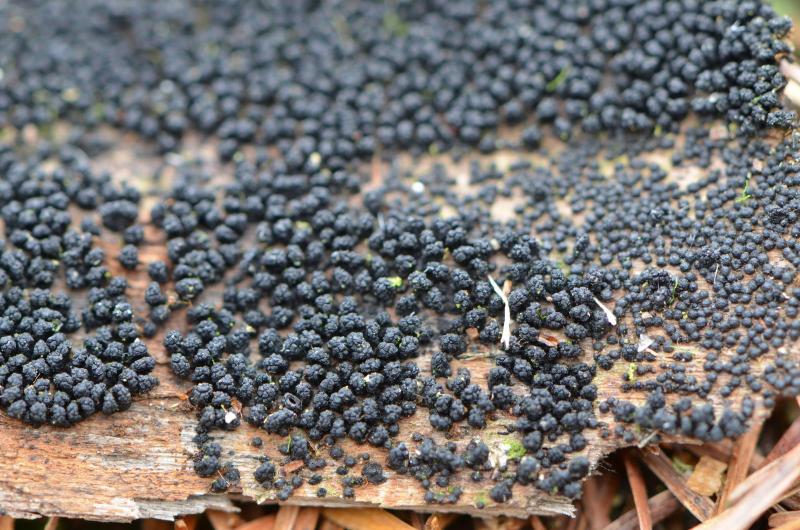
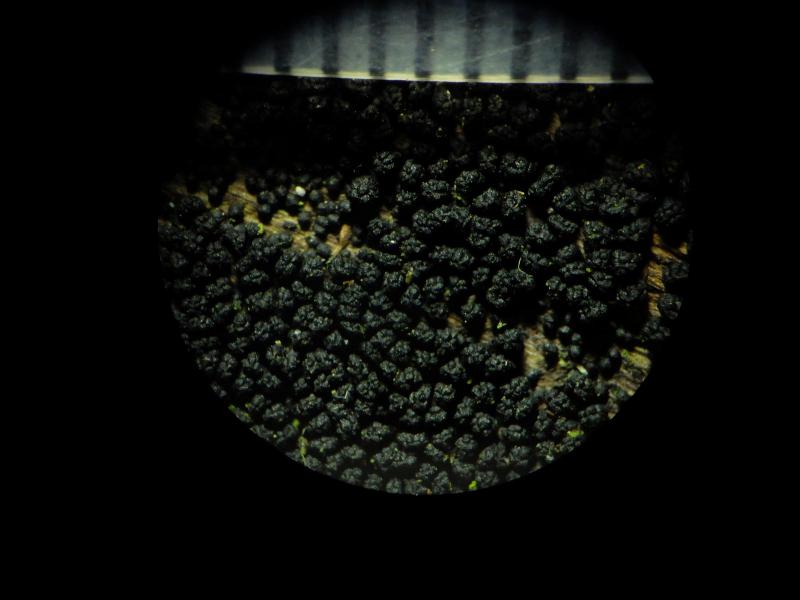
Unidentified pyrenomycete with curved septate spores
Steve Clements,
23-05-2017 22:31
Nous avons trouvé ce petit pyrenomycète sur un bâton dans les bois à feuilles larges. Qu'est-ce que c'est? Je n'ai aucun idée.
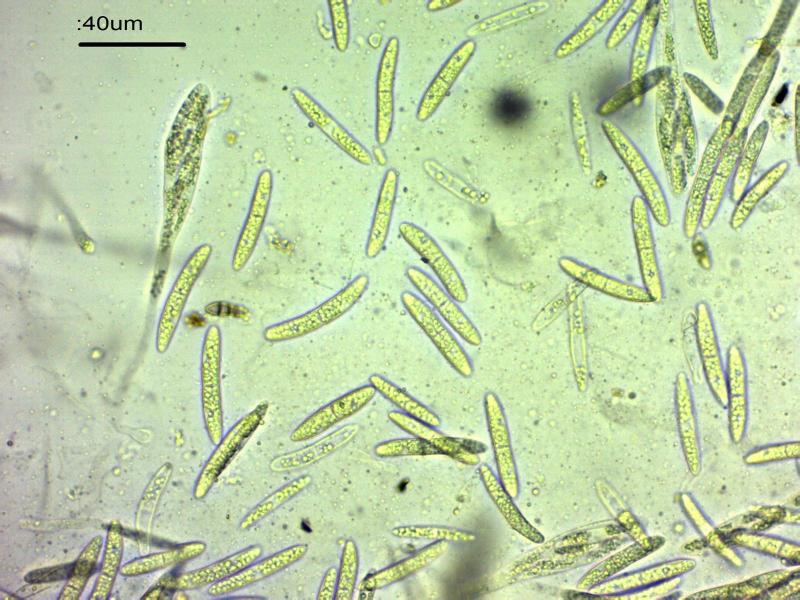
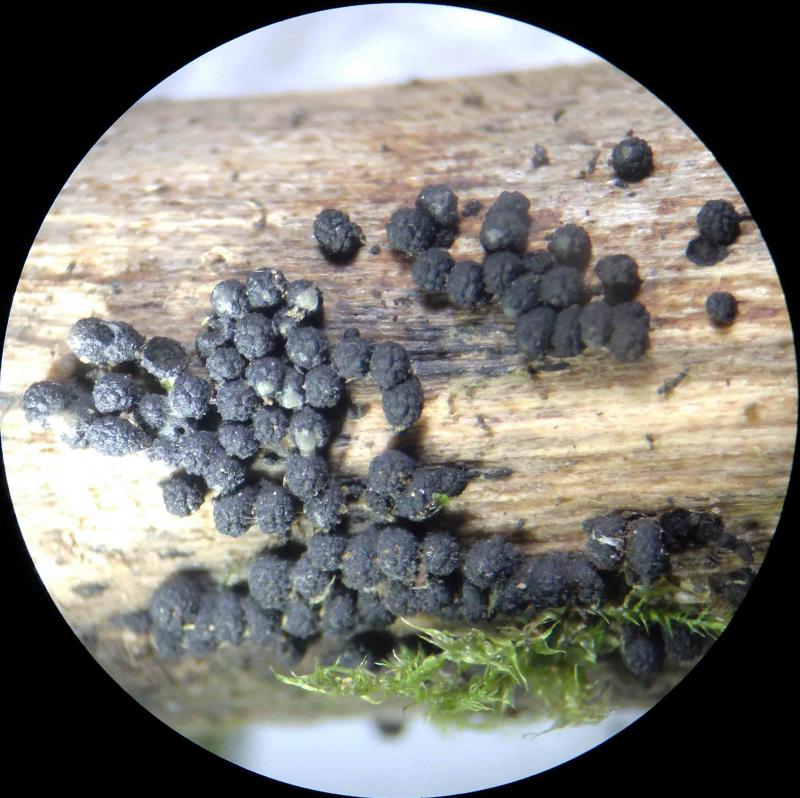
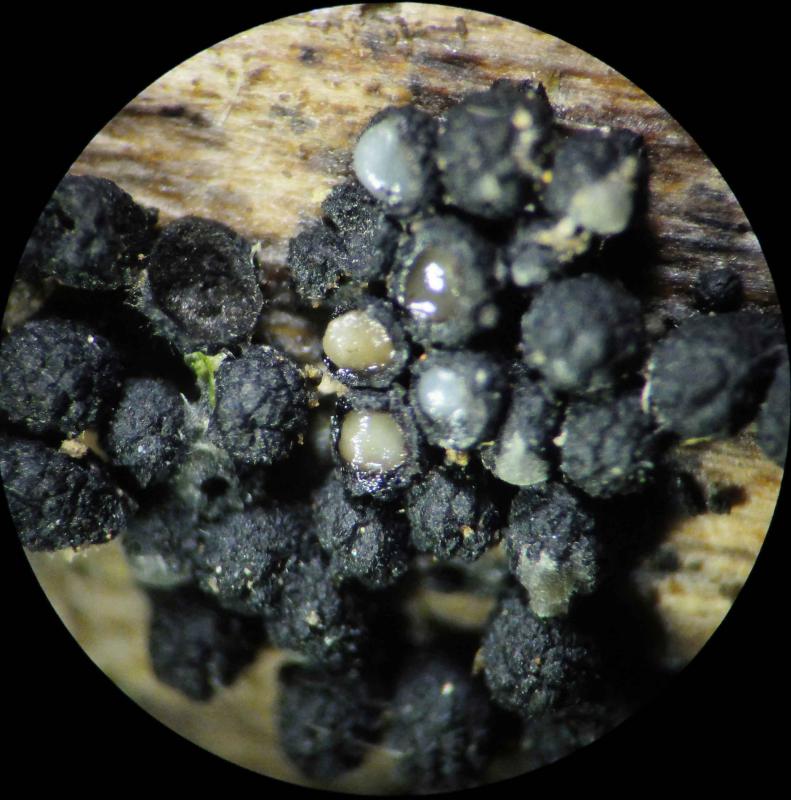
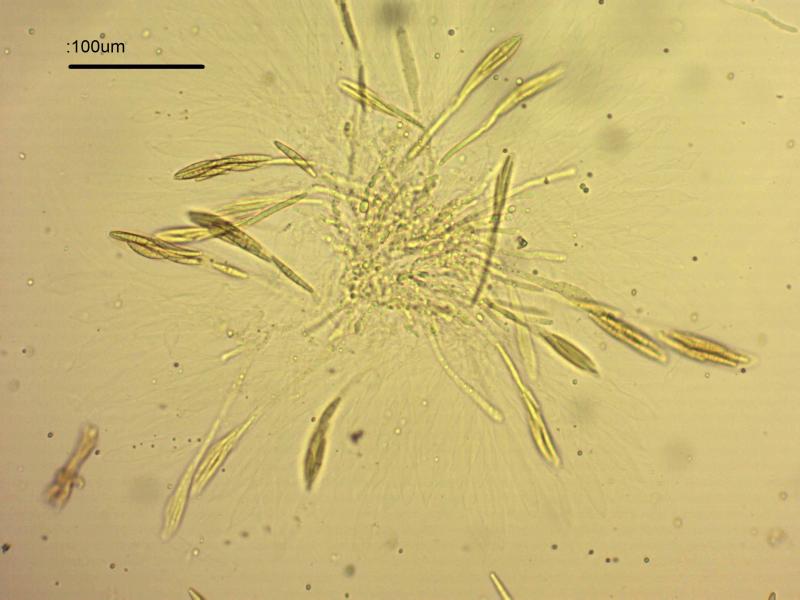
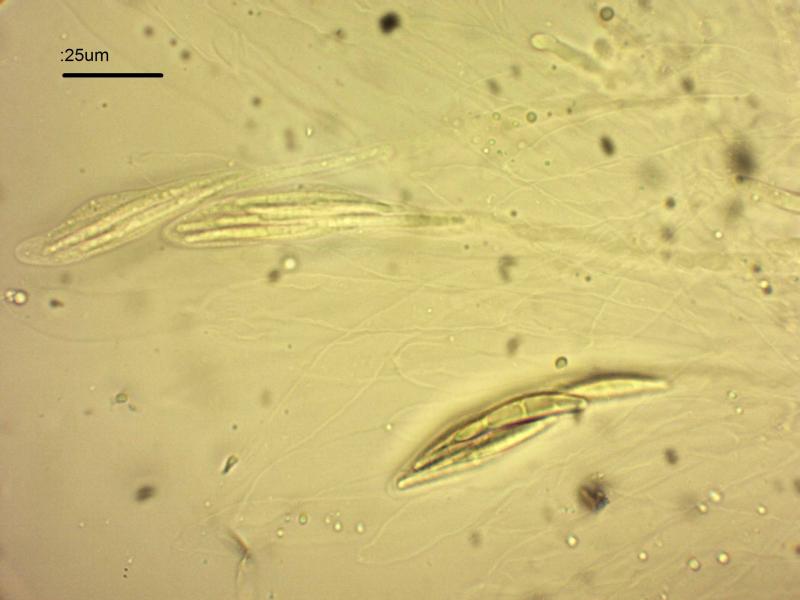
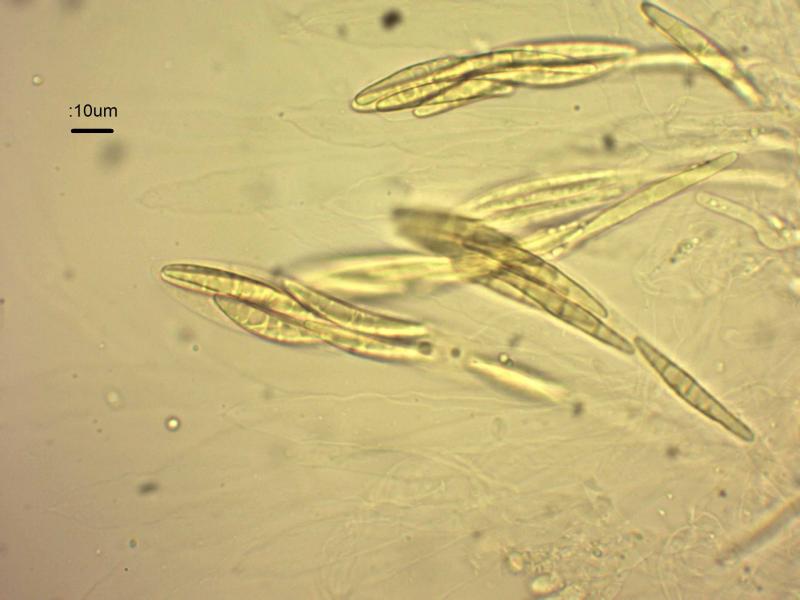
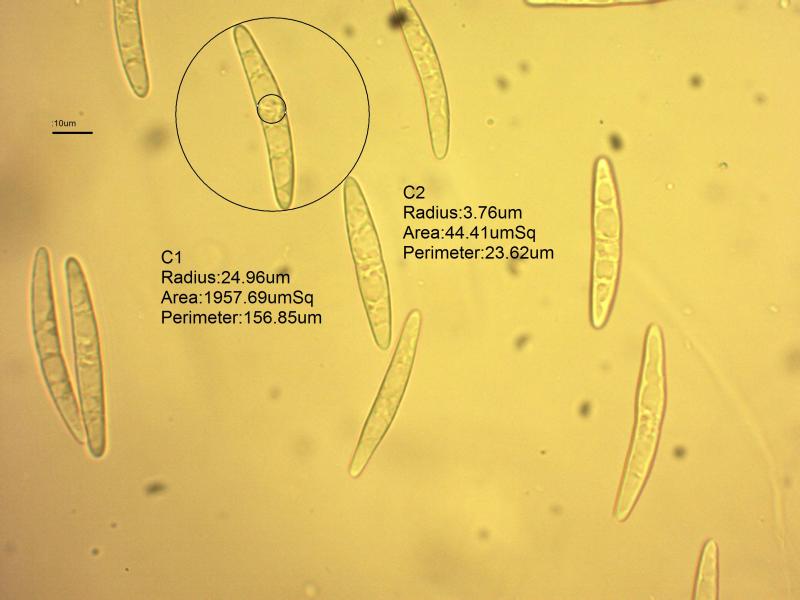
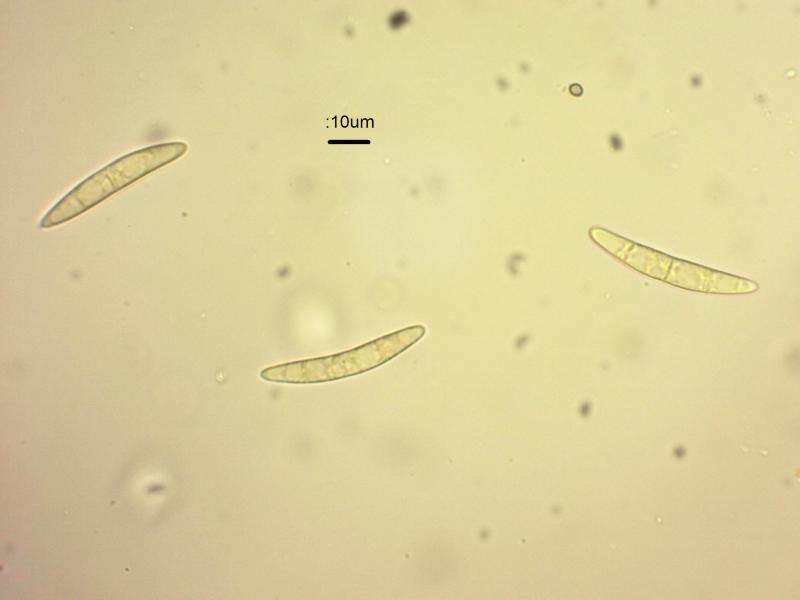
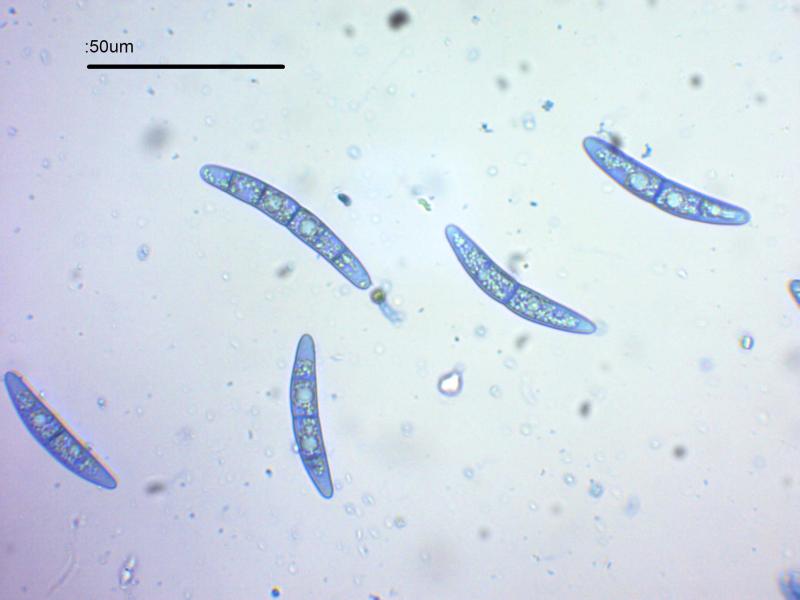
We found this little pyrenomycete on a stick under sycamore and elm. The roughly surfaced ascocarps are up to 0.9mm diameter. Asci are at least 180 um long and about 15 wide, and do not have blue apices in Lugol. The curved spores are up to 53 long and 15 wide, and appear to to 1 to 5-septate. I could not see any paraphyses.
I can't find this in my books (Fungi of Switzerland Vol 1, Ellis & Ellis, Peter Thompson).
Aidez-moi s'il vous plaît!
Cordialement,
Steve
Andrew N. Miller,
23-05-2017 22:45

Re : Unidentified pyrenomycete with curved septate spores
Peter Püwert,
23-05-2017 22:56

Re : Unidentified pyrenomycete with curved septate spores
Hi Steve,
this is Bertia moriformis.
In " Fungi of Switzerlands " the microdrawings of the spores are not advantageous (Page 292) and in ELLIS/ ELLIS is lacking the "5" (septate). Page 21 u. Fig. 73. This species is very common on wood.
Greetings Peter.
this is Bertia moriformis.
In " Fungi of Switzerlands " the microdrawings of the spores are not advantageous (Page 292) and in ELLIS/ ELLIS is lacking the "5" (septate). Page 21 u. Fig. 73. This species is very common on wood.
Greetings Peter.
Steve Clements,
23-05-2017 23:02
Re : Unidentified pyrenomycete with curved septate spores
Many thanks!
We found this some years ago - it looked more like a "Wood Mulberry" than this recent find, but the microscopy is right.
Cheers,
Steve
We found this some years ago - it looked more like a "Wood Mulberry" than this recent find, but the microscopy is right.
Cheers,
Steve