
14-05-2026 05:36
Ethan CrensonHi all, I haven't paid much attention to Lachnu
11-05-2026 12:32
 Bernard CLESSE
Pourriez-vous m'aider à identifier cette héloti
13-05-2026 15:26
 François Freléchoux
Bonjour,Voici une récolte faite il y a quelques j
12-05-2026 15:41
 Nicolas VAN VOOREN
Dear Ascolovers, especially interested in Pezizale
13-05-2026 12:05
 Thierry Blondelle
Bonjour à tous,J'aimerais avoir confirmation de c
10-05-2026 23:17
 Andreas Gminder
Hello,today we found in a moist steep decidous for
28-04-2026 20:07
 Lothar Krieglsteiner
... on twig in the air at standing Ceratonia siliq
27-04-2026 20:52
Lothar Krieglsteiner
Found on hanging tiwg of Olea europaea in dried-ou
11-05-2026 20:22
Lothar Krieglsteiner
on attached twig of standing Ficus caricaquite uns
I need some help here because I just don't know where to begin...
Ascomata ±102, dried, collected some months ago, almost one year.
Spores 27.8-35.2 x 5-6.5
Me 31.9x5.7 4(?)-7 septate
Ascus 115.6x17.76
Paraphyses filiform some with slightly enlarged tips
Thank you,
Elsa
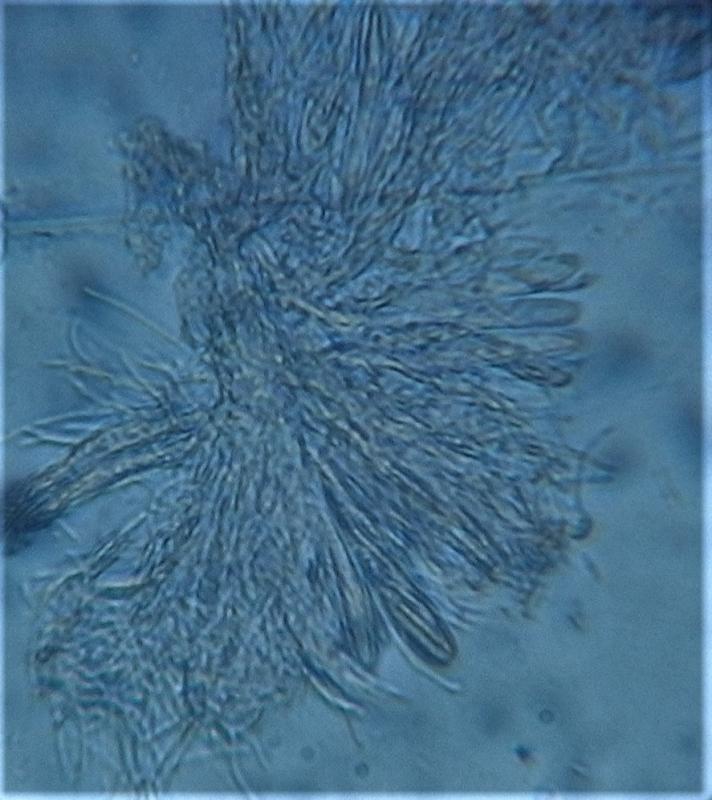
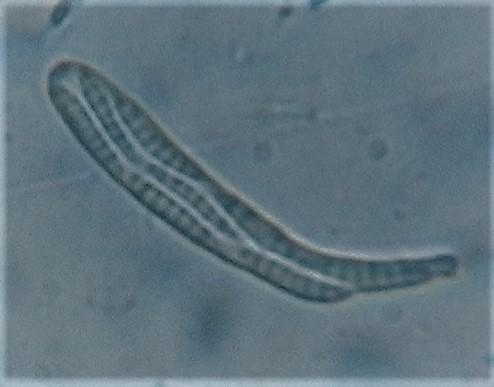
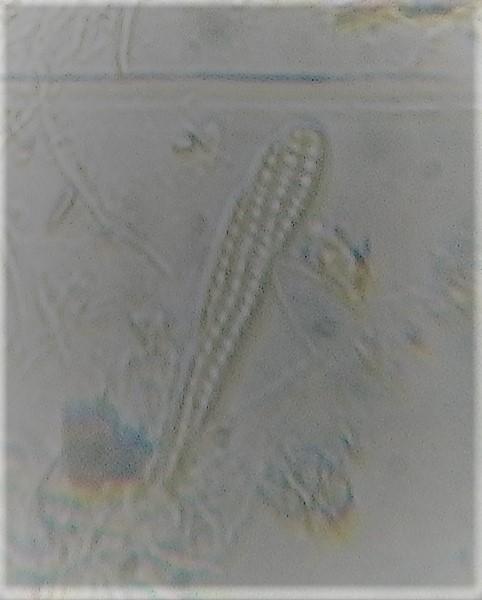
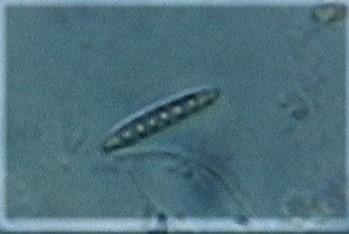
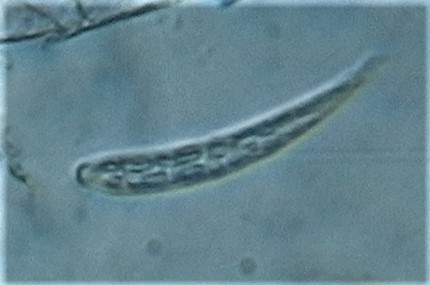 iodine reaction
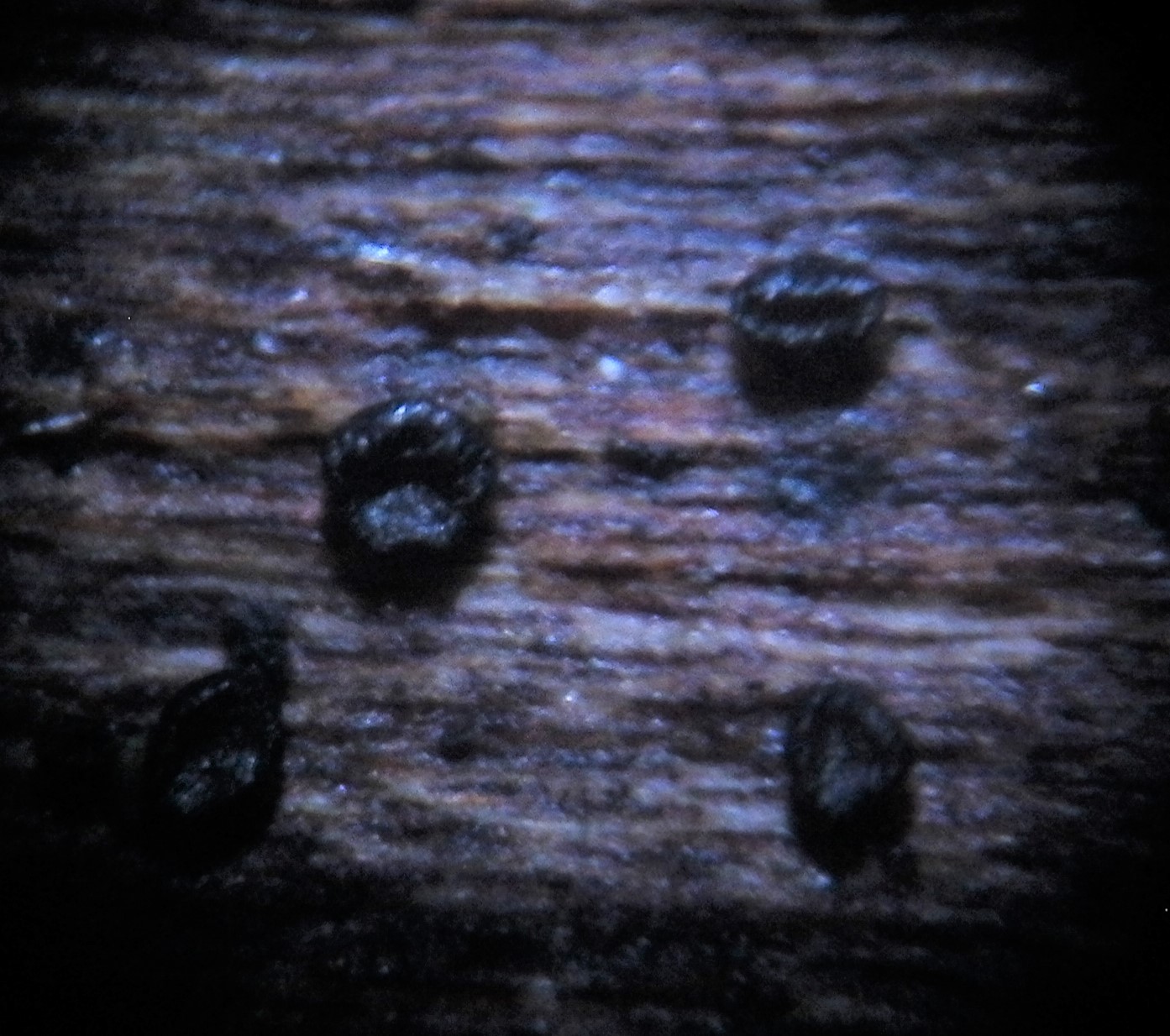 IMGP0140-2--0001.JPG
Which country did you collect it?
I was afraid somebody would ask me for iodine reaction...Mine finished, so... I could try with 2 options, iodopovidona 10% iodine, or one solution with 6 g iodine + 2g potassium iodide + etanol 70º /100ml. What do you think is the best?
About the collect: here in Portugal Braga. Wet place, inner bark of populus (fallen).
Elsa
I missed up all these...I was trying to spare the apos and choose another which were close. I thought they were the same, a bit more dried. So, I'm going to correct the macro photos, and add the blue tip of iodine reaction. Later I think about the other, definitely completely different.
Elsa
Sorry for my ignorance, but should dead material have still complete spores inside asci?
Thank you,
Elsa
Thank you for your patience. After some search, I think this is Durella connivens.
https://www.asturnatura.com/fotografia/setas-hongos/durella-connivens-fr-rehm-2/2493.html
Do you agree?
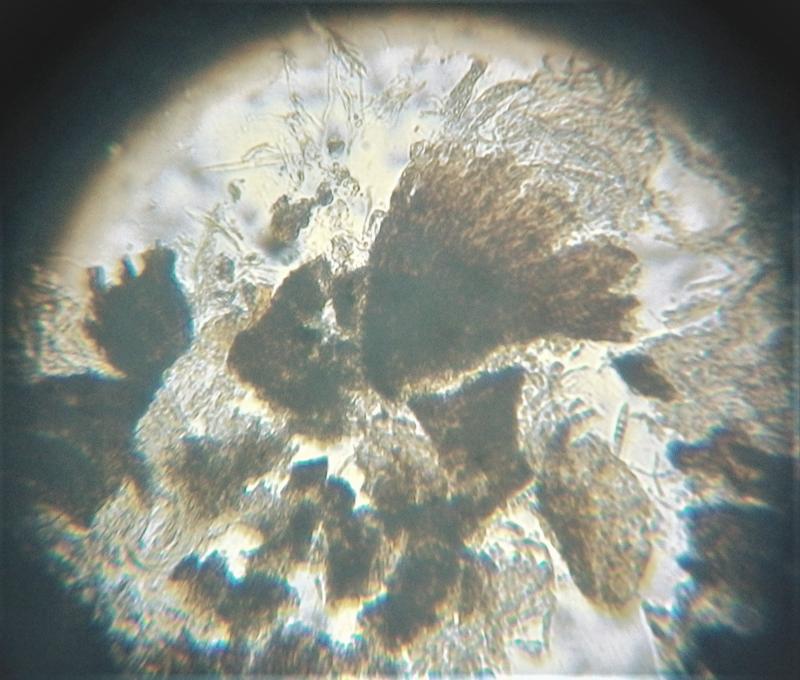
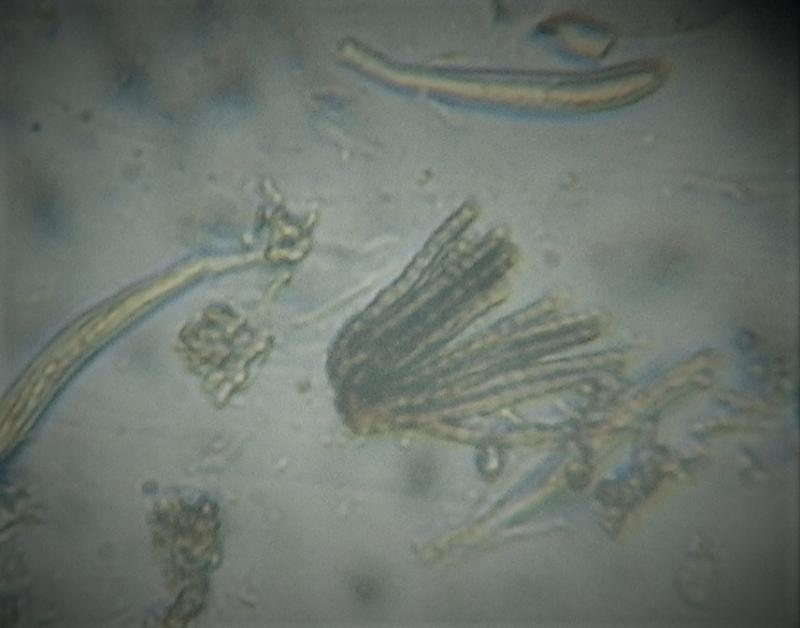
The conidia in your last picture belong to a hypho, I suppose Cryptocoryneum.
Now I have that doubt too. Maybe what I saw isn't a blue reaction, because the second photo already shows a dark zone on ascus apex without iodine, just water.