14-05-2026 05:36
Ethan CrensonHi all, I haven't paid much attention to Lachnu
11-05-2026 12:32
 Bernard CLESSE
Pourriez-vous m'aider à identifier cette héloti
13-05-2026 15:26
 François Freléchoux
Bonjour,Voici une récolte faite il y a quelques j
12-05-2026 15:41
 Nicolas VAN VOOREN
Dear Ascolovers, especially interested in Pezizale
13-05-2026 12:05
 Thierry Blondelle
Bonjour à tous,J'aimerais avoir confirmation de c
10-05-2026 23:17
 Andreas Gminder
Hello,today we found in a moist steep decidous for
28-04-2026 20:07
 Lothar Krieglsteiner
... on twig in the air at standing Ceratonia siliq
27-04-2026 20:52
Lothar Krieglsteiner
Found on hanging tiwg of Olea europaea in dried-ou
11-05-2026 20:22
Lothar Krieglsteiner
on attached twig of standing Ficus caricaquite uns
The globular ascoma are small 2-5mm in size, reddish brown to dark brown.
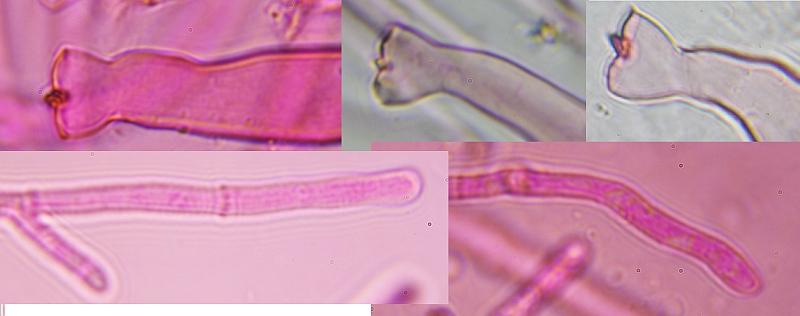
Asci: 8 spored, IKI +ve (faint diffused), pleurorhynchus, large 287-327 x 25-33µm
Paraphsis: Thin, very abundant
Spores: Rounded and echinulate. Different stages of maturity observed in same specimen. An outer layer is present at the immature stages. Size: 18.2-20.7 x 17.5-20µm measured inside ascus - no free spores observed.
My initial suspicion is on Sphaerosoma echinulatum but the spores are quite smaller, perhaps because not fully mature spores have been measured?
What do you think?
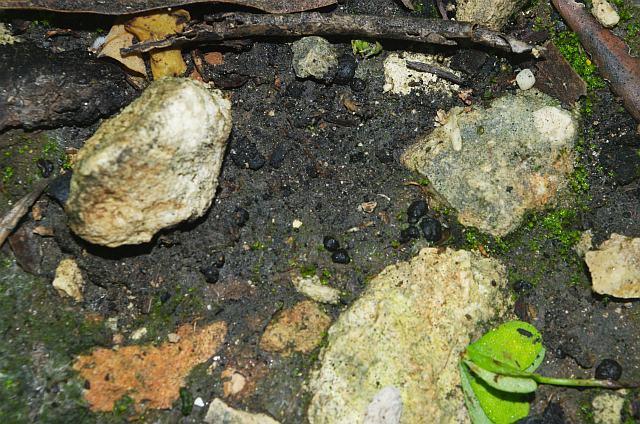
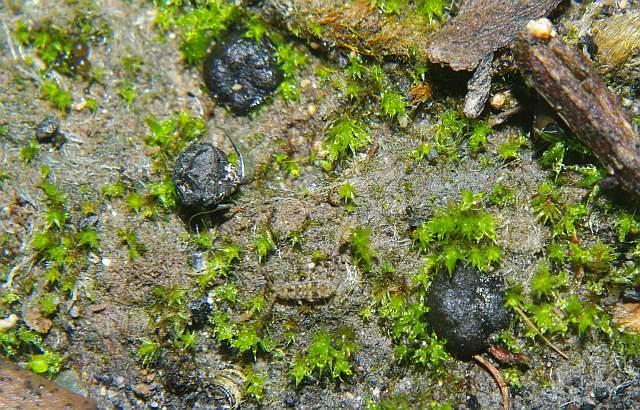
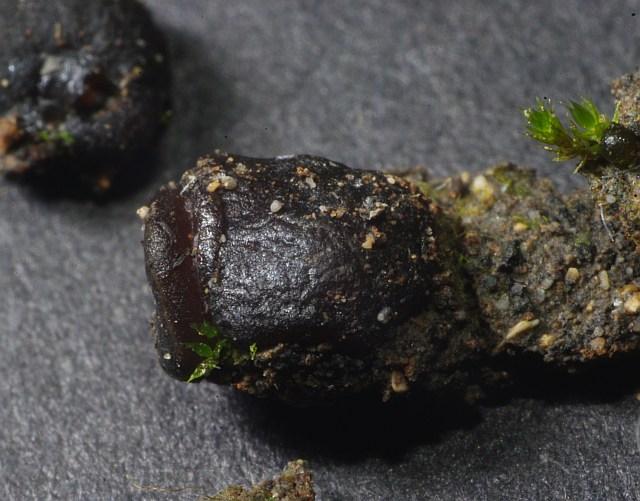
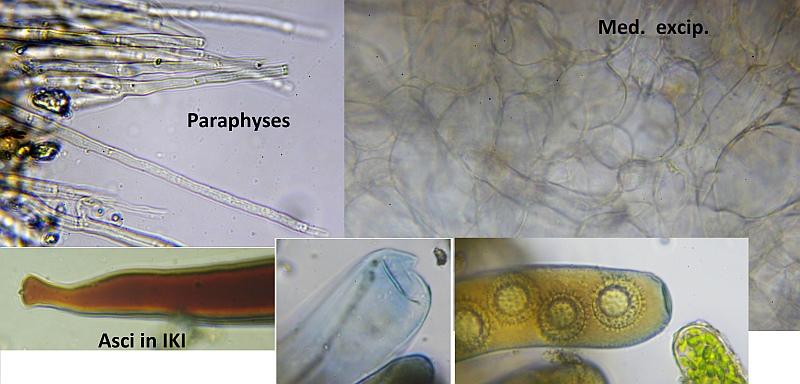
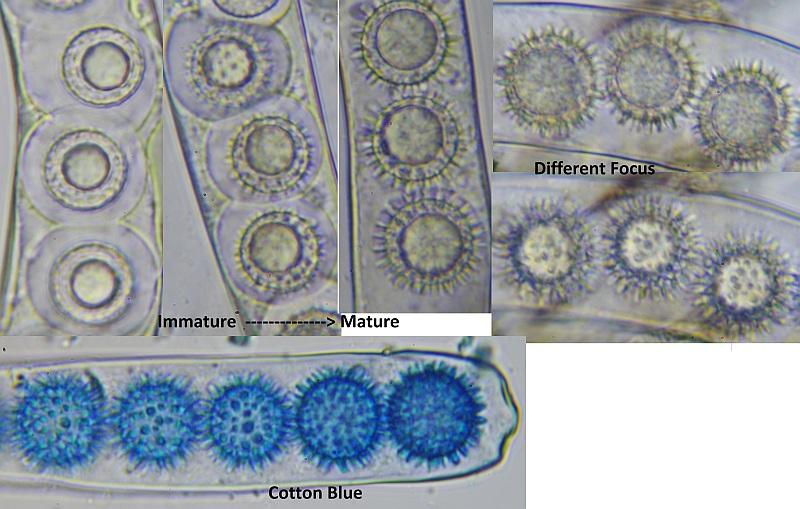
Very interesting. I first thought of Ruhlandiella berolinensis with a similar spore size. The spores of this taxon are reticulate, anyhow. ...
Best regards from Lothar
I argee Nicolas, it is probaby a Boudiera or somethin close.
The taxon Sphaerosoma echinulatum Seaver was transferred to Boudiera by Seaver himself.
I have looked at some species of Boudiera, as suggested, but I am having some difficulty to match it. Apart from the smaller spore size, the paraphyses in my specimen are thin and uninflated (4-5µm). There is also the question of the asci being pleurorhynchus. Boudiera acanthospora, B. areolata and B. tracheia are all aporhynchus. Now I am looking for info on B. denisii to compare.
Could species in the same genus have different ascus development/attachment?