14-05-2026 05:36
Ethan CrensonHi all, I haven't paid much attention to Lachnu
11-05-2026 12:32
 Bernard CLESSE
Pourriez-vous m'aider à identifier cette héloti
13-05-2026 15:26
 François Freléchoux
Bonjour,Voici une récolte faite il y a quelques j
12-05-2026 15:41
 Nicolas VAN VOOREN
Dear Ascolovers, especially interested in Pezizale
13-05-2026 12:05
 Thierry Blondelle
Bonjour à tous,J'aimerais avoir confirmation de c
10-05-2026 23:17
 Andreas Gminder
Hello,today we found in a moist steep decidous for
28-04-2026 20:07
 Lothar Krieglsteiner
... on twig in the air at standing Ceratonia siliq
27-04-2026 20:52
Lothar Krieglsteiner
Found on hanging tiwg of Olea europaea in dried-ou
11-05-2026 20:22
Lothar Krieglsteiner
on attached twig of standing Ficus caricaquite uns
In May last year I post a topic with specimens of Hysterobrevium mori:
http://www.ascofrance.fr/search_forum/42906 .
It seems that those specimens had more narrow spores than usual, as Zotto
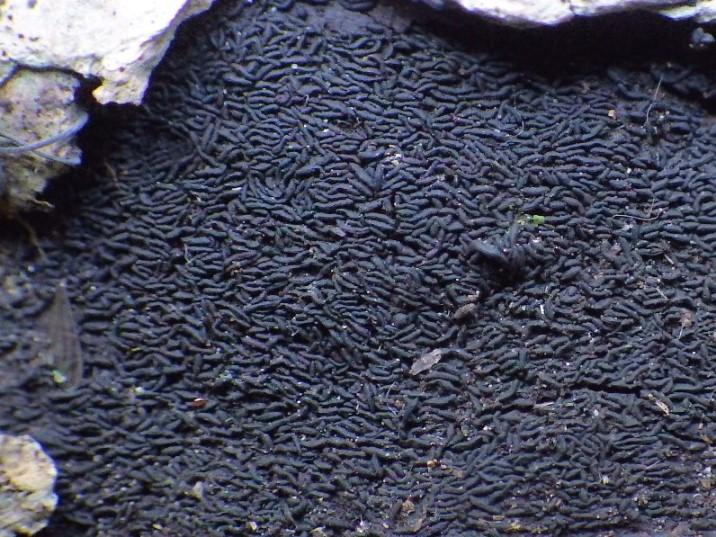
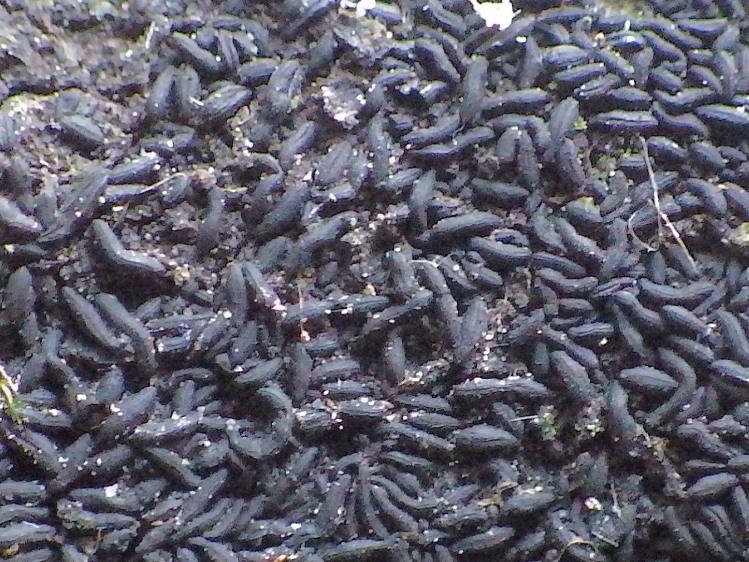
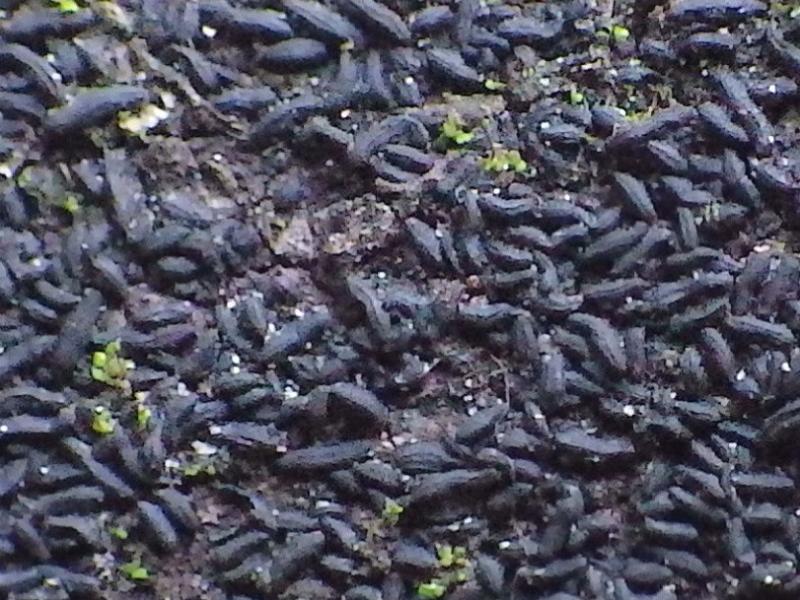
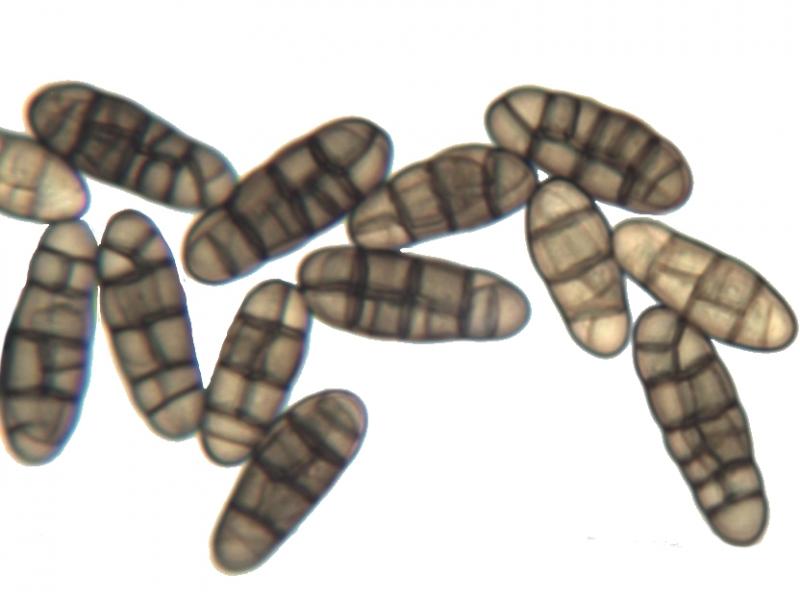
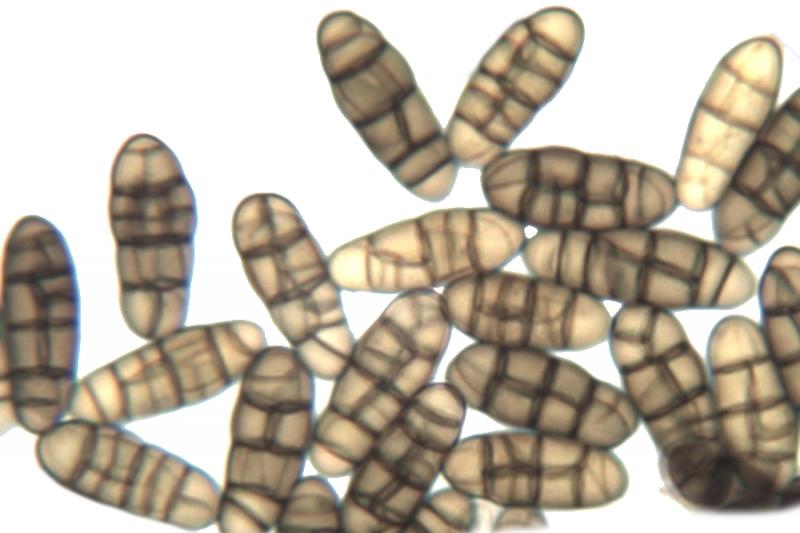
noted at the time. Recently I found at another place (Lisbon) new specimens whose spores are, so to say, more "normal". This time I got the following dimensions:
(18.4) 20.4 - 24.3 (25.3) × (7.3) 8 - 8.8 (9.1) µm
Q = (2.3) 2.4 - 3 (3.1) ; N = 21
Me = 22.1 × 8.3 µm ; Qe = 2.7
Recalling that the previous results were:
(14) 20 - 23.7 (27.5) × (6.1) 6.3 - 7.4 (7.6) µm
Q = (1.9) 2.9 - 3.5 (3.7) ; N = 31
Me = 22 × 6.8 µm ; Qe = 3.2
there is considerable change in the average Q (=Qe). Notice also that the new
spores have also more rounded apices than the former. I upload photos with
these new specimens and their spores.
Looking for your comments,
Best regards,
zaca