
03-05-2026 10:57
 Castillo Joseba
Me mandan el material seco de Galicia (España) re
02-05-2026 12:42
Alain BRISSARDBonjour à tousJeuidi 30 avril dernier on m'a remi
02-05-2026 13:06
Pauline. PennaBonjour Please can someone help me with this id
01-05-2026 22:45
 Thierry Blondelle
Bonjour à tous, Une récolte sur bouse séchée d
28-04-2026 20:07
 Lothar Krieglsteiner
... on twig in the air at standing Ceratonia siliq
14-04-2026 05:32
Ethan CrensonHi all, A few weeks back a friend pointed out som
28-04-2026 20:33
Vitus SchäfftleinHello, I found Trochila ilicina on Ilex aquifoliu
30-04-2026 10:28
Rot BojanHello, by appearance I would say that I am dealing
Tipo Mollisia
Blasco Rafael,
30-08-2016 11:33
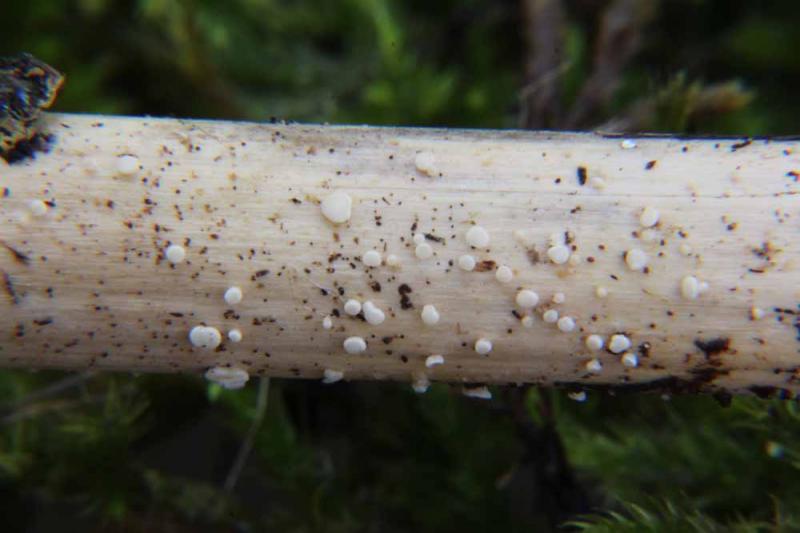
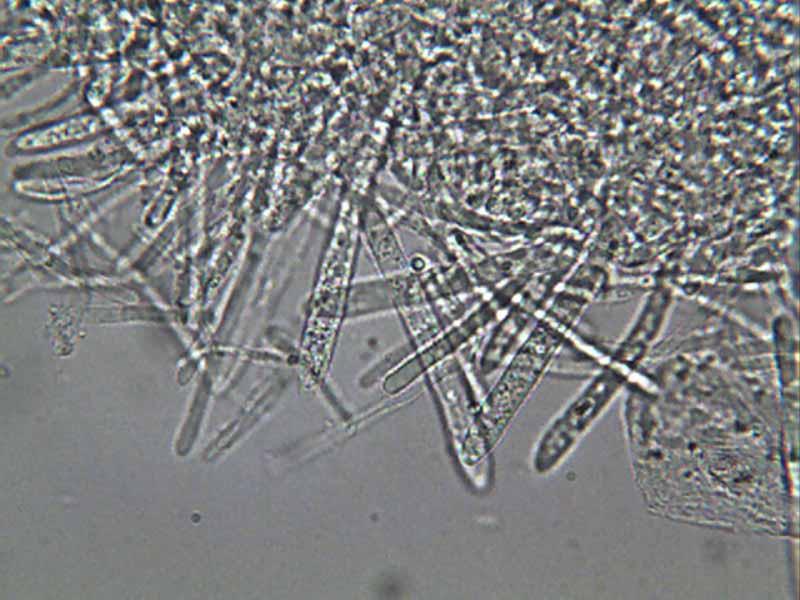
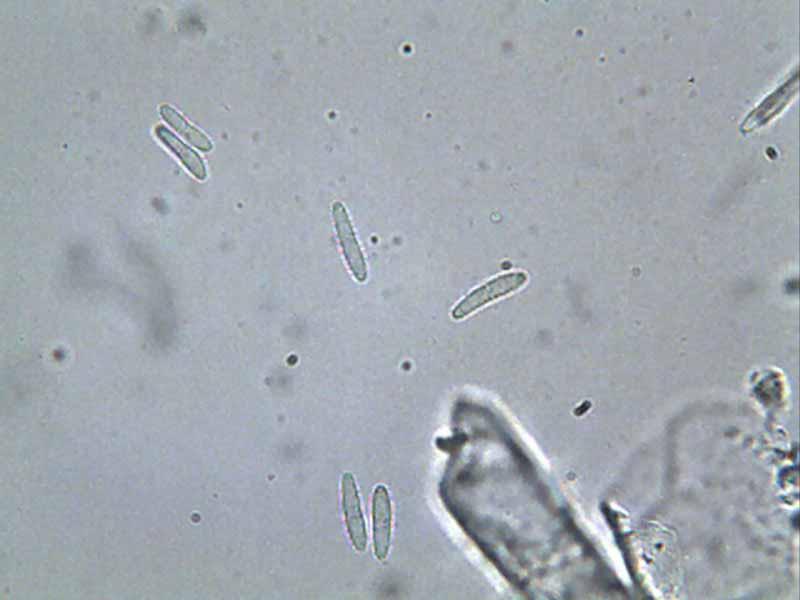
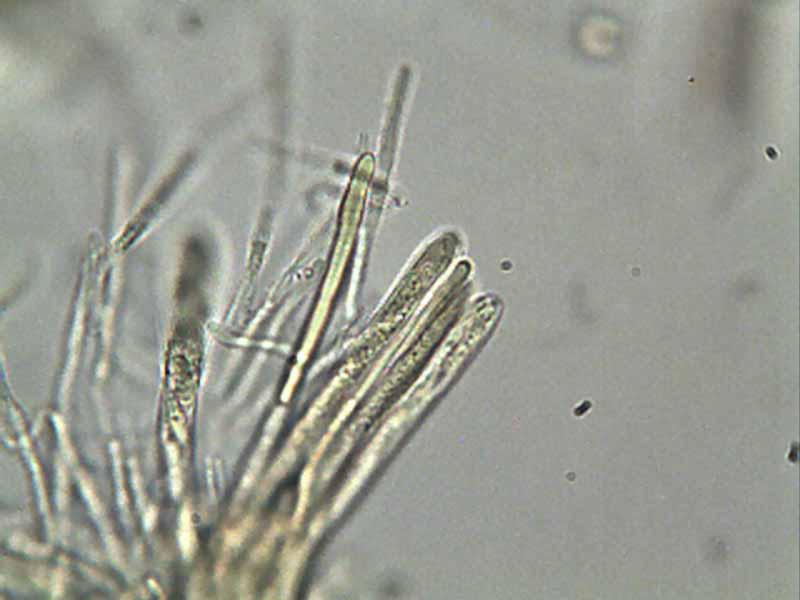
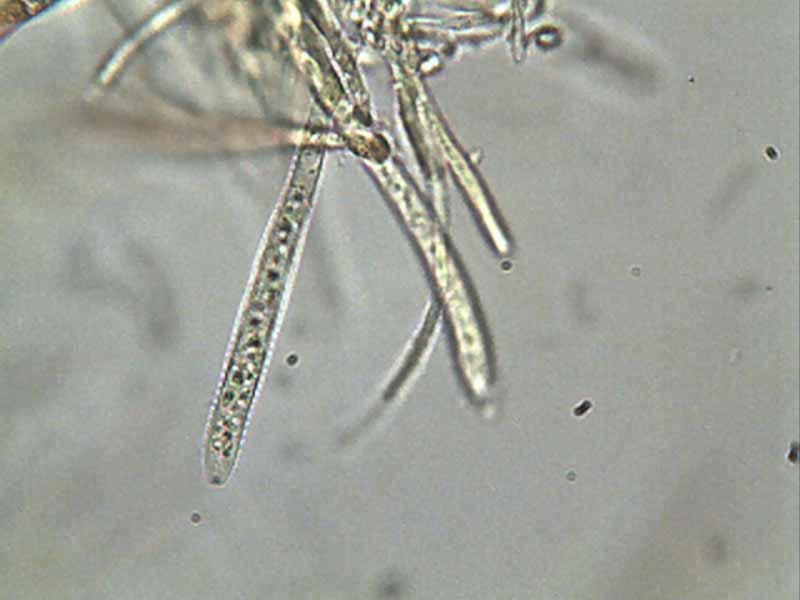
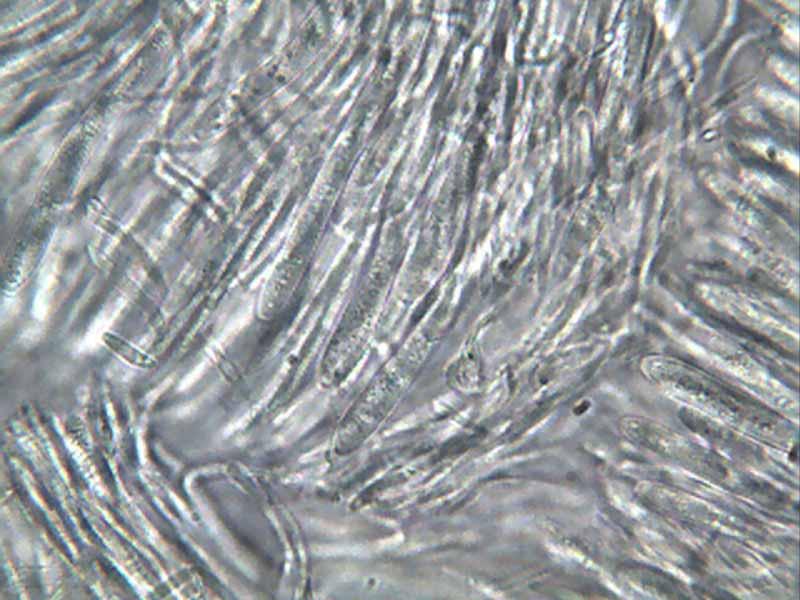
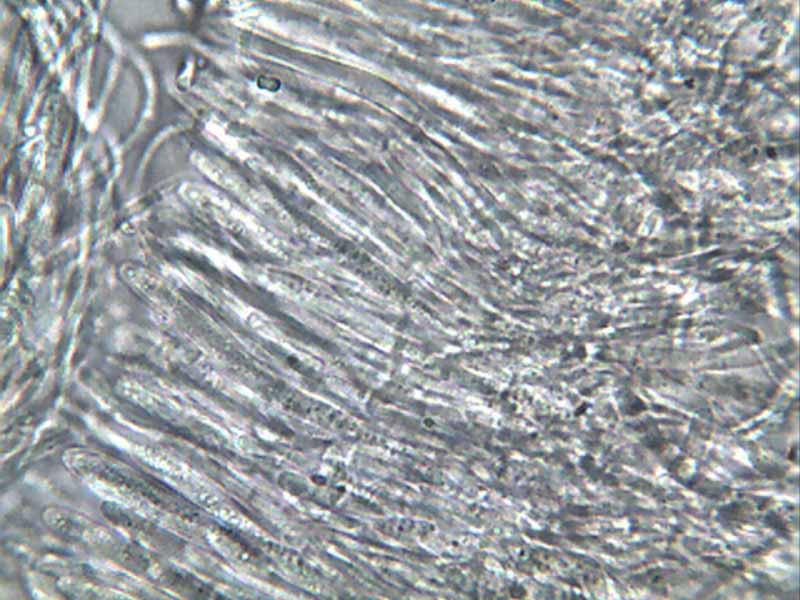
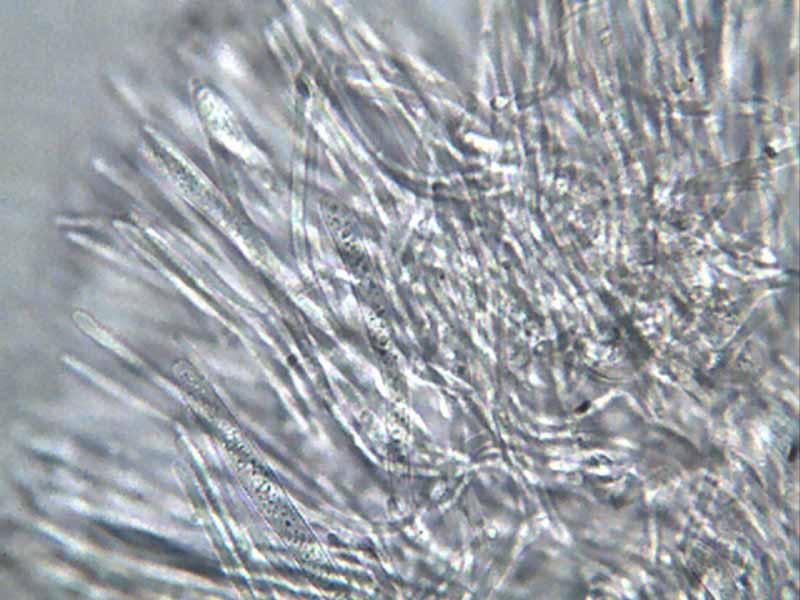
 Hola, esta especie esta recogida sobre tallos de Angelica sylvestris del año anterior, me recuerda a una Mollisia, pero no se a que genero se acerca, me pueden dar alguna idea
Diametro 0,5--0,7 mm
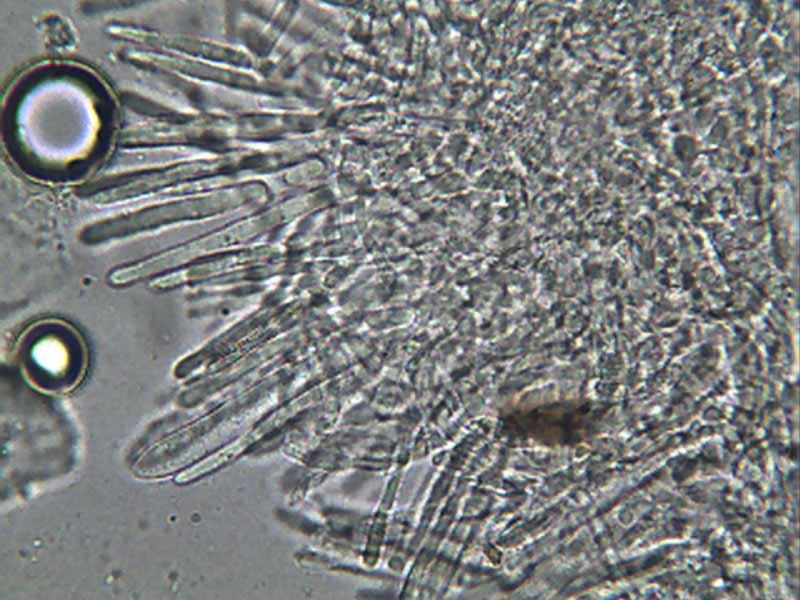
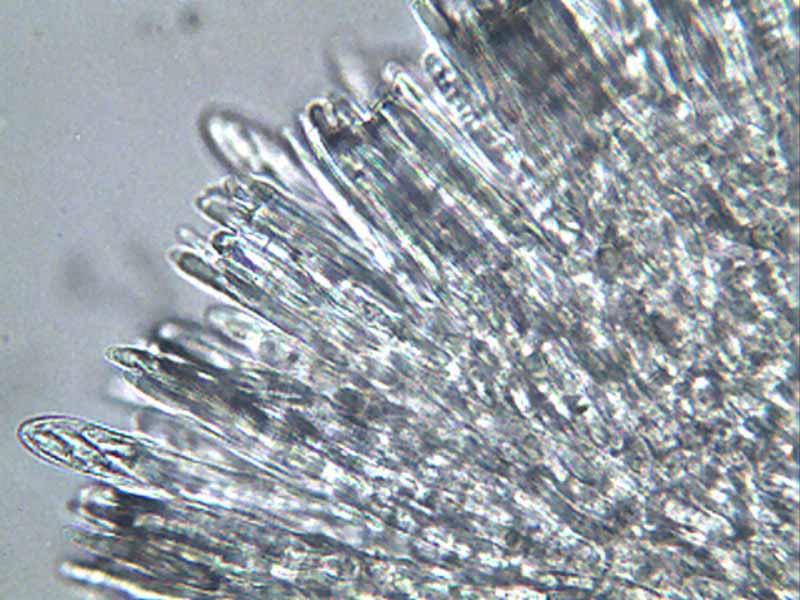
parafisis rectas x2--x3,5 , con una gran gota en la ultima celula
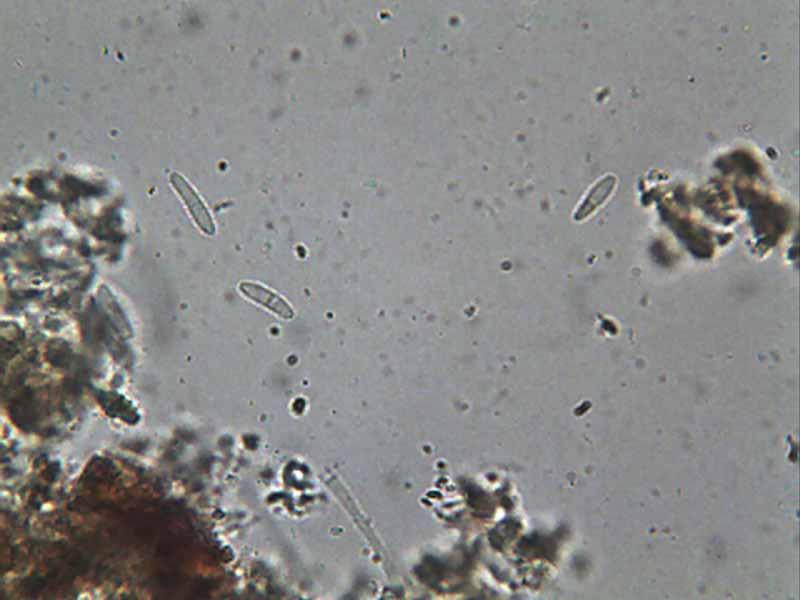
esporas con 1 septo, 12--16 x 2,8--3,5
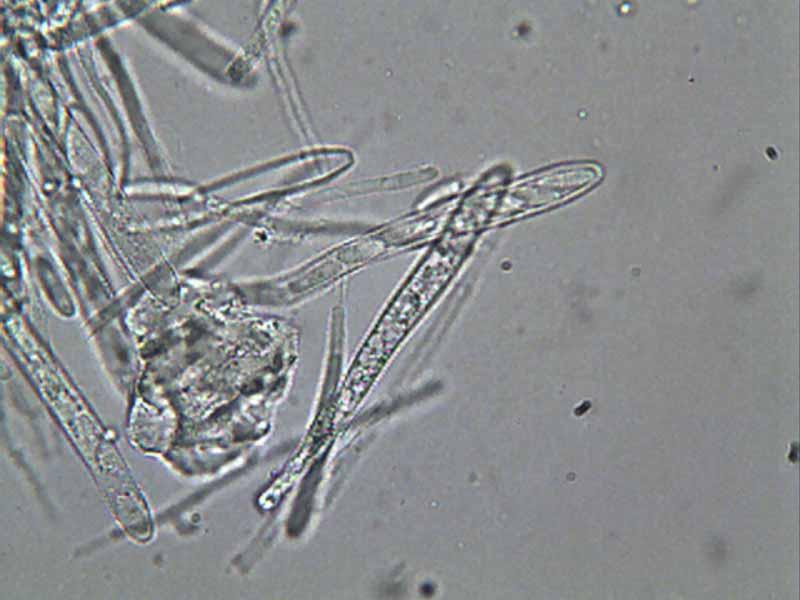
ascas J+ ,80--86 x 6--7
Un saludo
Rfaael

Hans-Otto Baral,
30-08-2016 11:45

Re : Tipo Mollisia
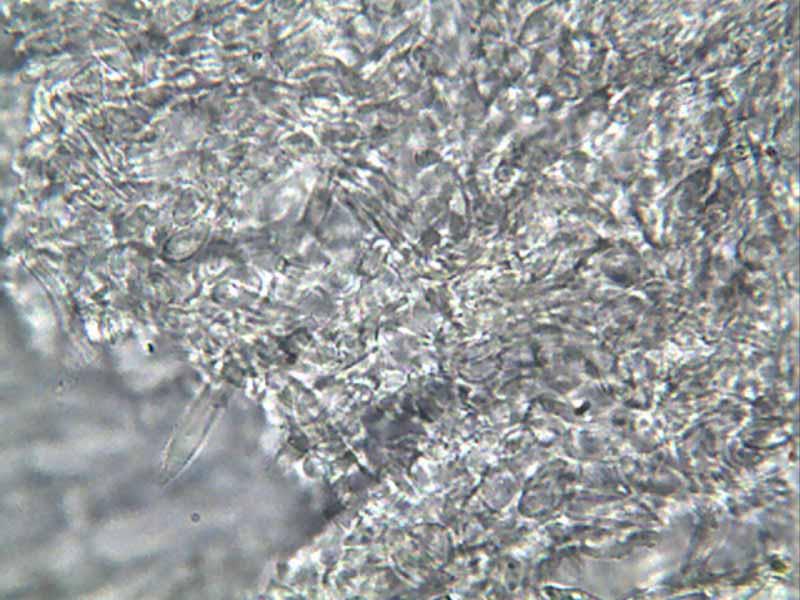
The excipulum is important.
Blasco Rafael,
31-08-2016 08:40
Re : Tipo Mollisia
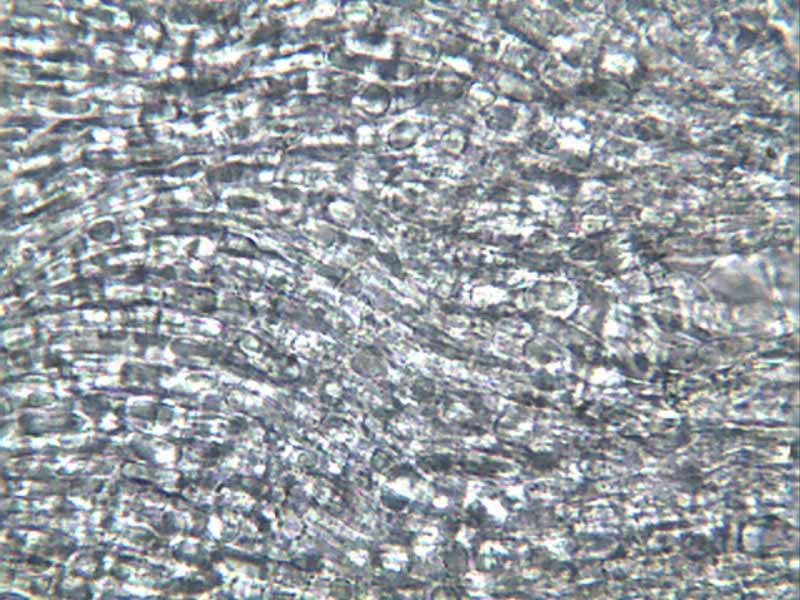
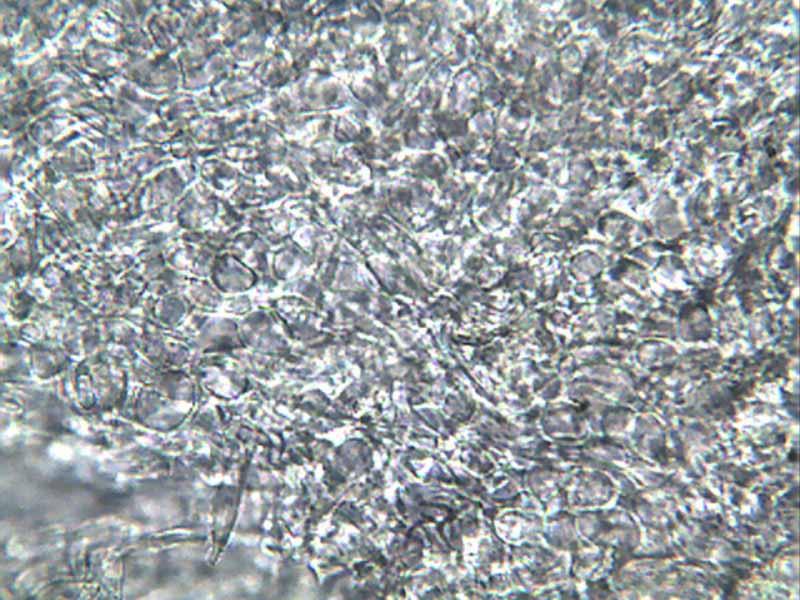
Excipulo de celulas Globosas / subglobosas de 10--12 micras
Rafael
Rafael

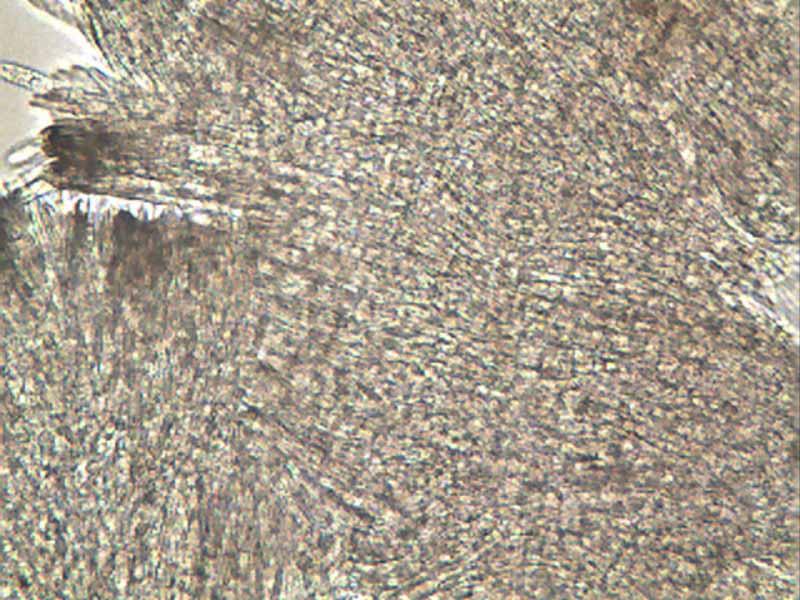
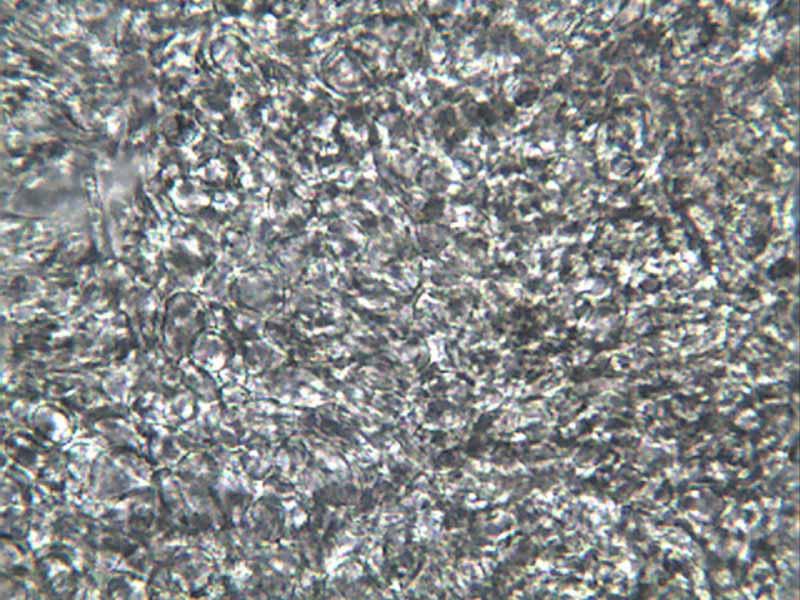
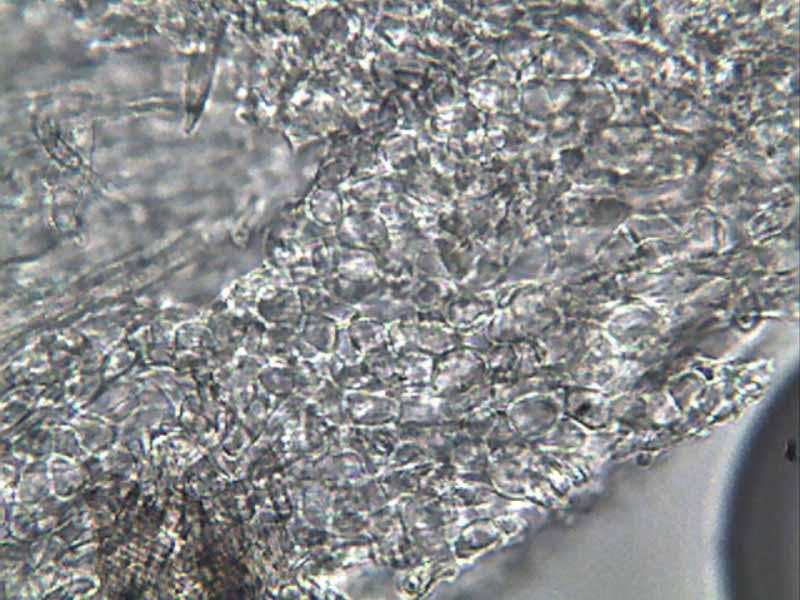
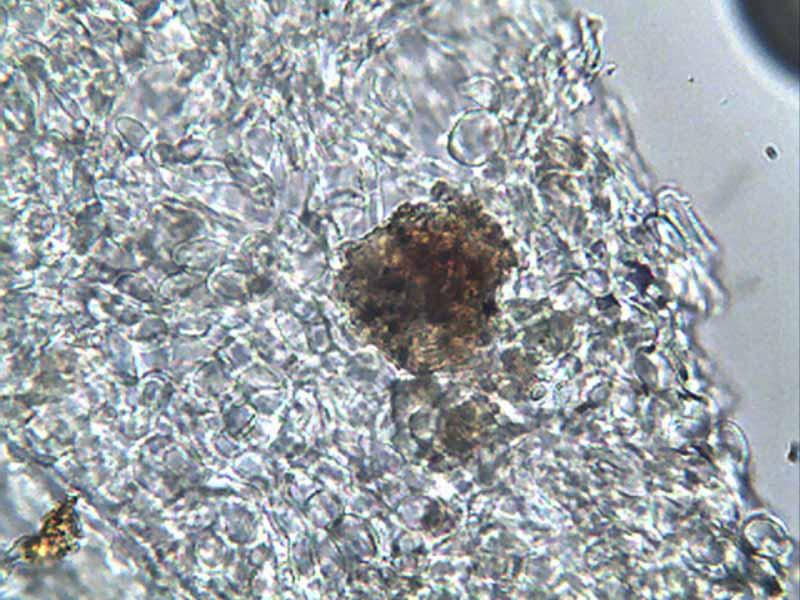
Hans-Otto Baral,
31-08-2016 08:51
Re : Tipo Mollisia
Did you test KOH whether it provokes a short transient yellow reaction? I cannot exclude a Mollisia, but also think about Calycina. No clear idea....
Blasco Rafael,
31-08-2016 09:14
Re : Tipo Mollisia
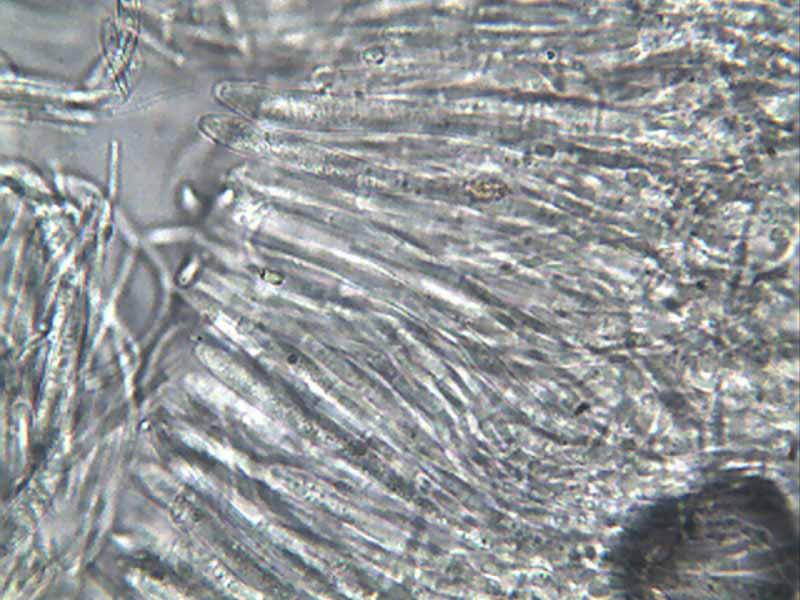
con KOH parece que toda preparacion toma un tono amarillo muy suave casi inperceptible,
¿¿ no se si este tono puede ser del propio KOH ??? y no hay variacion
Rafael
¿¿ no se si este tono puede ser del propio KOH ??? y no hay variacion
Rafael
Hans-Otto Baral,
31-08-2016 09:22
Re : Tipo Mollisia
You must look immediately when the KOH reaches the fungus. You can also put a sall drop of KOh on an apo under the bino. If it reacts yellow it is a Mollisia, but if not, it can be Mollisia or calycina.
Blasco Rafael,
31-08-2016 09:24
Re : Tipo Mollisia
Si Calycina parece ser mejor opcion
Rafael
Rafael