22-04-2026 20:17
 Marian Jagers
Is anyone familiar with the Hyphomycetes genus Pse
22-04-2026 20:54
 Enrique Rubio
Hi to everybody.This Pyrenopeziza grew in moist le
22-04-2026 01:06
 Richard VALERI
Bonjour à tous.Je vous présente cette Nectria s.
21-04-2026 13:36
Gernot FriebesHi,I am out of ideas for this one. I collected Sal
21-04-2026 13:19
Gernot FriebesHi,this Lophodermium on Typha has ascospores measu
21-04-2026 13:05
Gernot FriebesHi,this hyphomycete feels familiar but I was not a
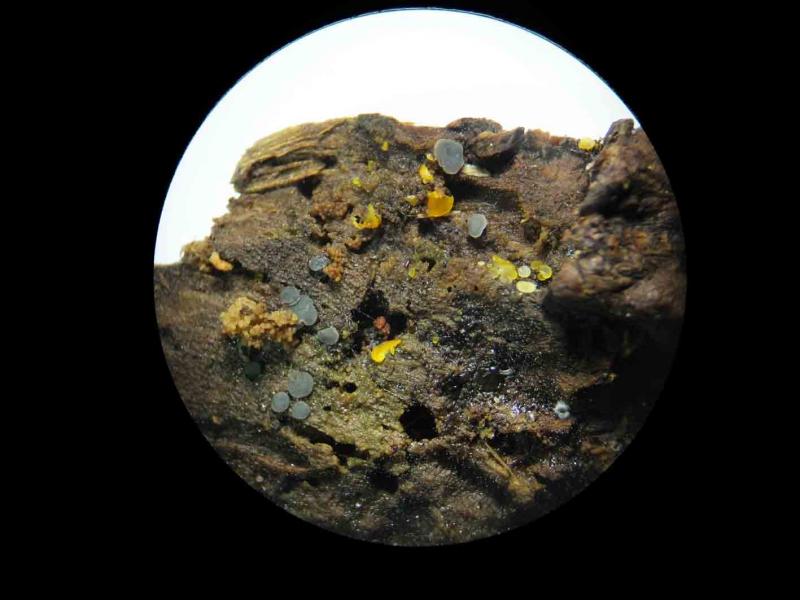
on a trouvé cet Orbilia sur le bois de bouleau. Les petits et grands ascocarpes, tous les deux, avaient les mêmes caractéristiques microscopiques.
Hi,
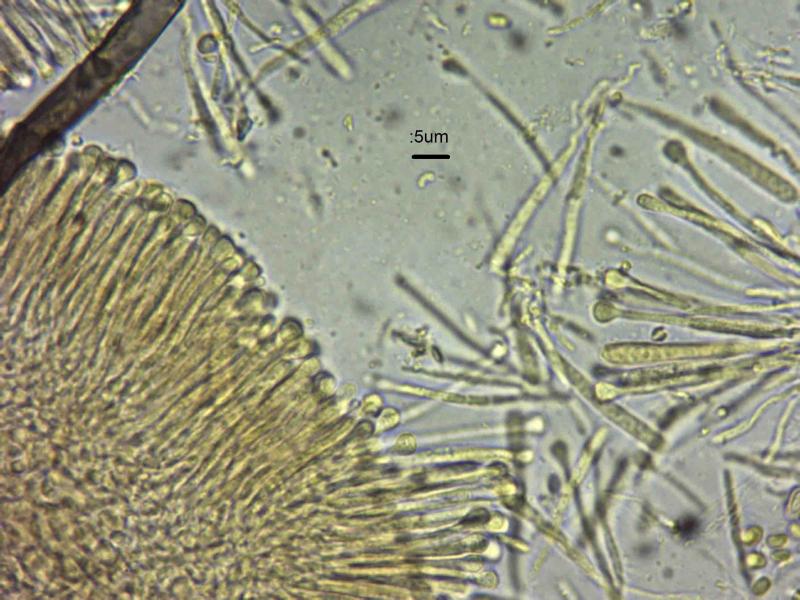
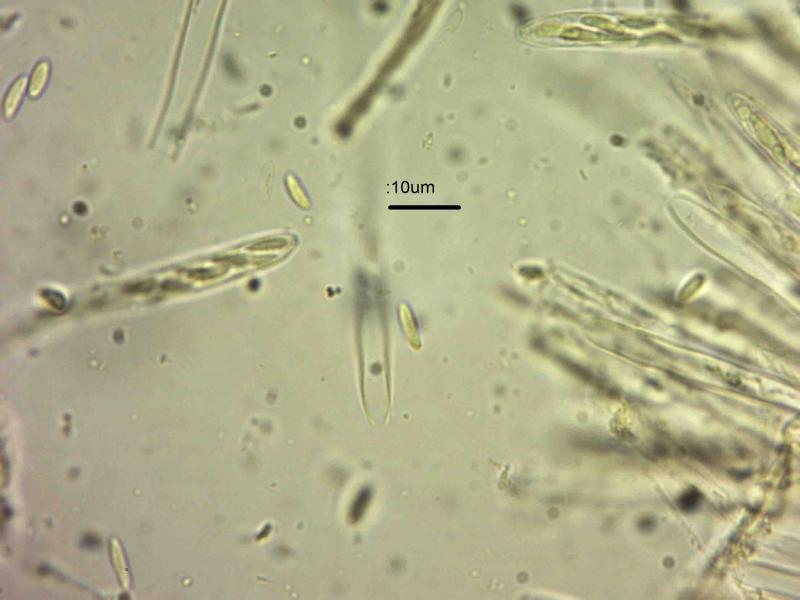
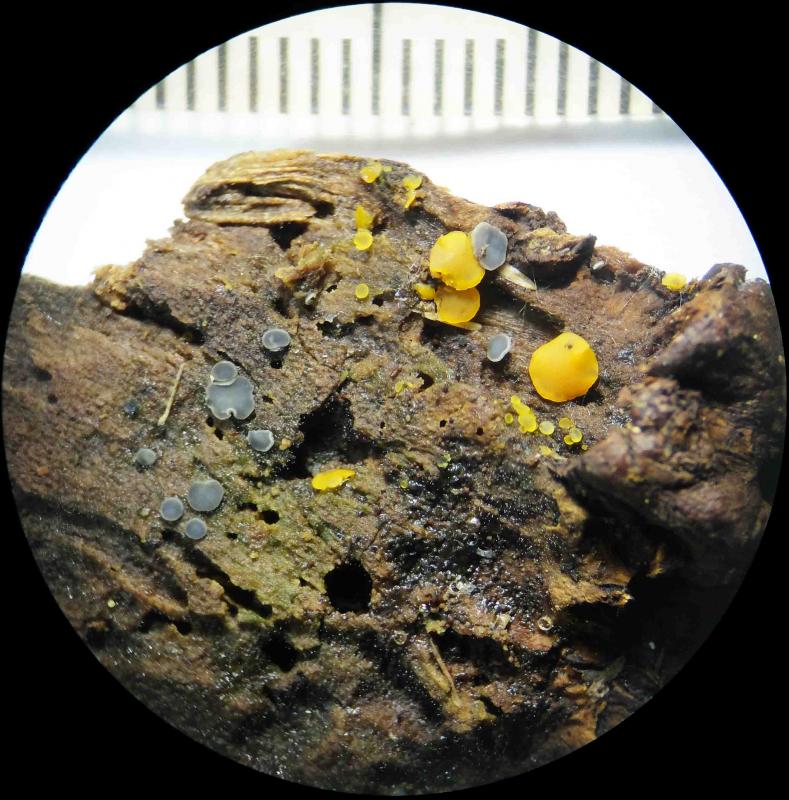
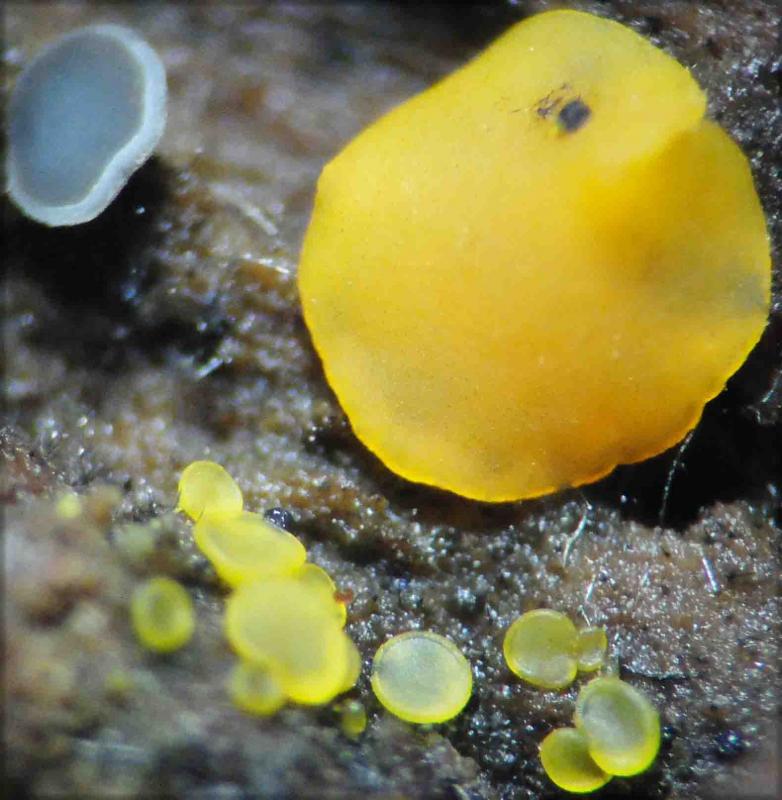
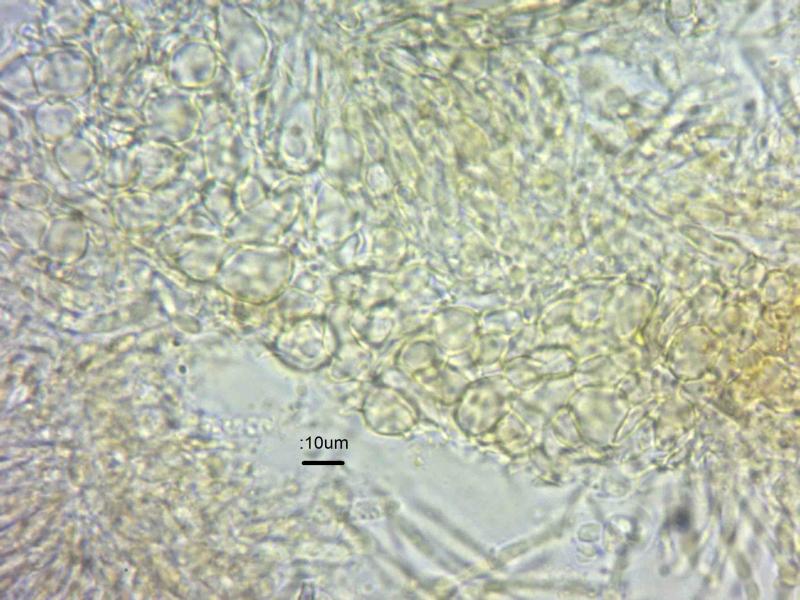
We found this Orbilia growing with Mollisia-type ascos on a birch log. Both the glassy-looking small ascocarps and the larger opaque ones had the same microscopy. The ascocarps were small (up to 0.65 mm) and large (up to 2.2 mm).
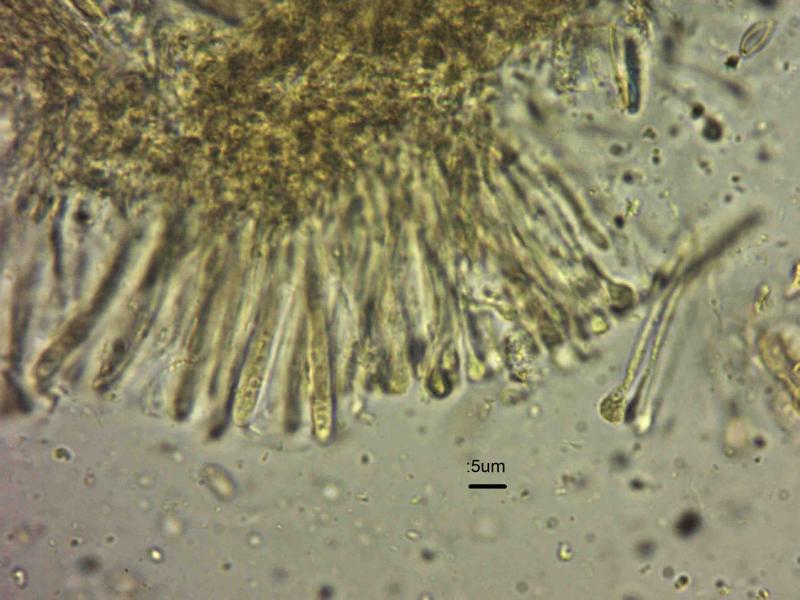
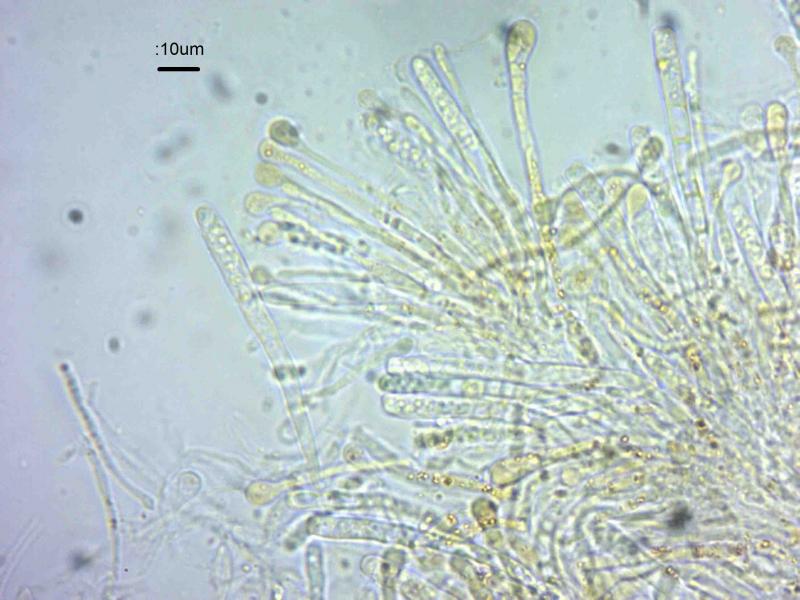
Paraphyses had swollen heads up to 3.5 um wide.
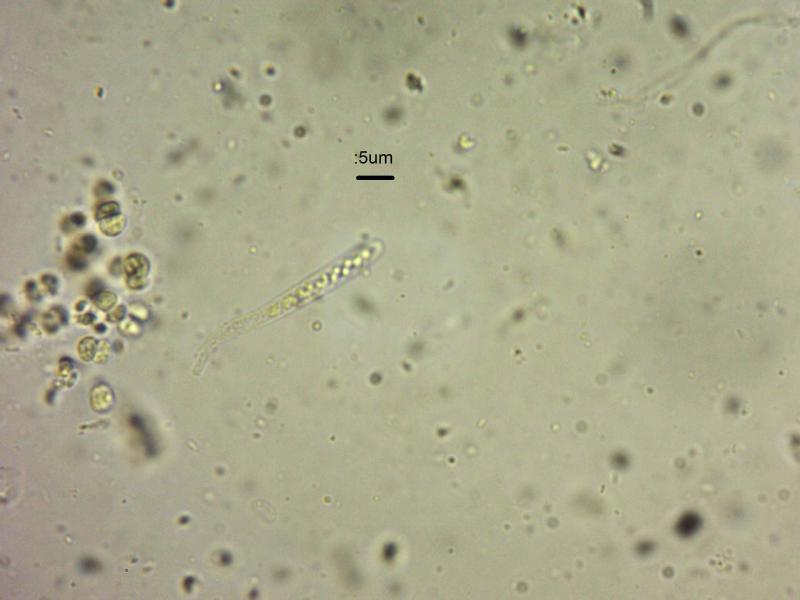
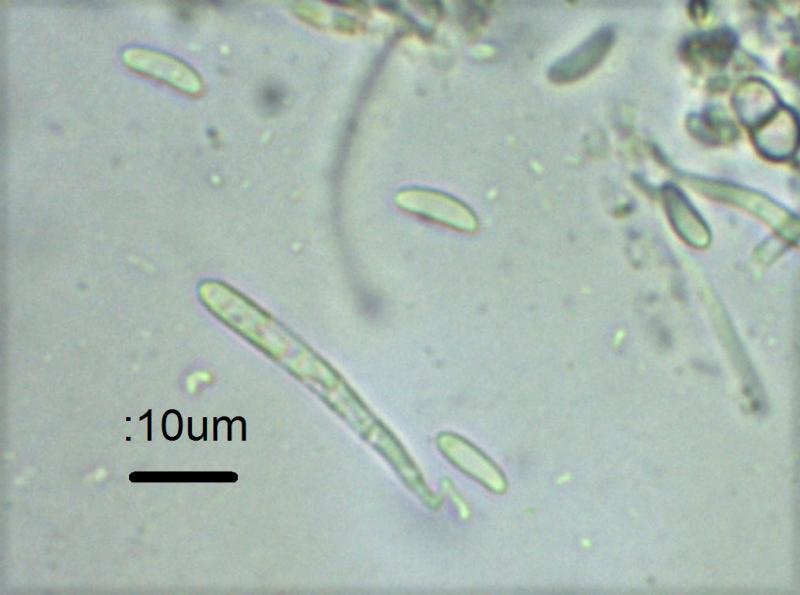
Asci were 35-45 x 3-4.
In my books I was unable to find a bright yellow Orbilia with spores of these dimensions ie 7-8.5 x 2-2.5.
Steve

Hello Steve,
I think you give pictures of two different discomycetes. The spores you measured are not from an Orbilia (maybe a Hymenoscyphus or Bisporella, as the macrofotos look like), but the next picture with the asci is. In this asci I see minute roundish spores, and I think this is what was earlier determined as Orbilia coccinella (s.l.). Zotto surely knows more, but this for the moment.
Regards from Lothar

I even think it is O. xanthostigma with reniform warted spores
Zotto
Zotto was right - the small one is Orbilia xanthostigma - and so is the large yellow one. Over 10 days they have both developed mature knobbly reniform spores. It's a very big Orbilia at 2.2 mm!
The spores which confused me were from the nearby Mollisia type asco.
That was a real mystery,
Thanks,
Steve