
06-05-2026 11:25
 Castillo Joseba
Me mandan el material seco de Galicia (España) re
28-04-2026 20:07
 Lothar Krieglsteiner
... on twig in the air at standing Ceratonia siliq
05-05-2026 22:40
Gernot FriebesHi,I believe this is a Plagiostoma growing on a Sa
04-05-2026 18:13
 Stephen Martin Mifsud
ID request for what seems to be a true aquatic fun
04-05-2026 16:39
Stephen Martin Mifsud
ID request: This specimen was collected in Malta o
28-07-2011 18:31
 Alex Akulov
Dear FriendsToday I made the pdf file of Velenovsk
04-05-2026 09:50
Castillo Joseba
Me mandan el material seco de Galicia,(España) re
02-05-2026 12:42
Alain BRISSARDBonjour à tousJeuidi 30 avril dernier on m'a remi
02-05-2026 13:06
Pauline. PennaBonjour Please can someone help me with this id
 Hello together,
two weeks ago i found a hyphomycete which i can't identifie, so hopefully someone has an idea.
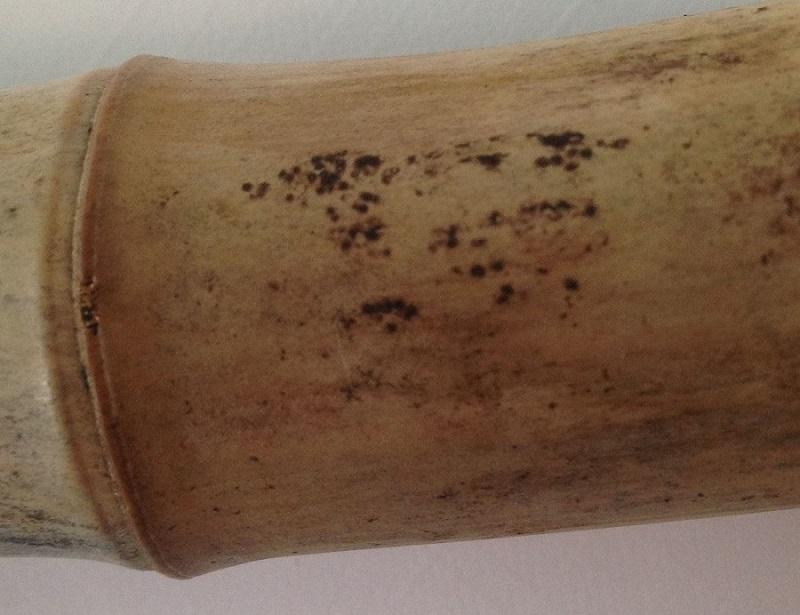
The fungus was growing on a lying dead culm of Bamboo in the zoo in Duisburg.
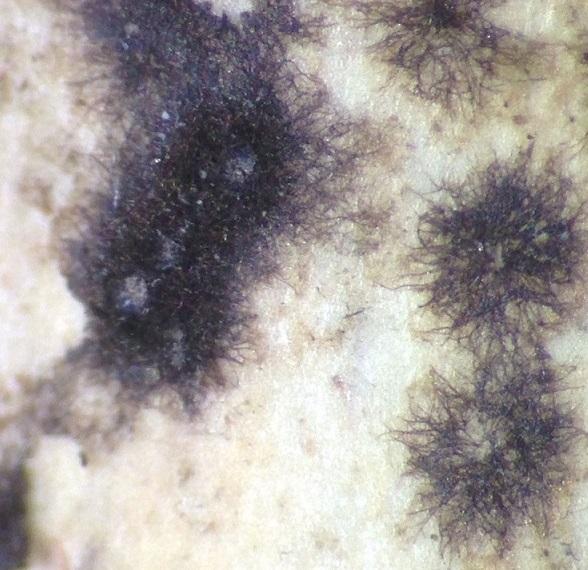
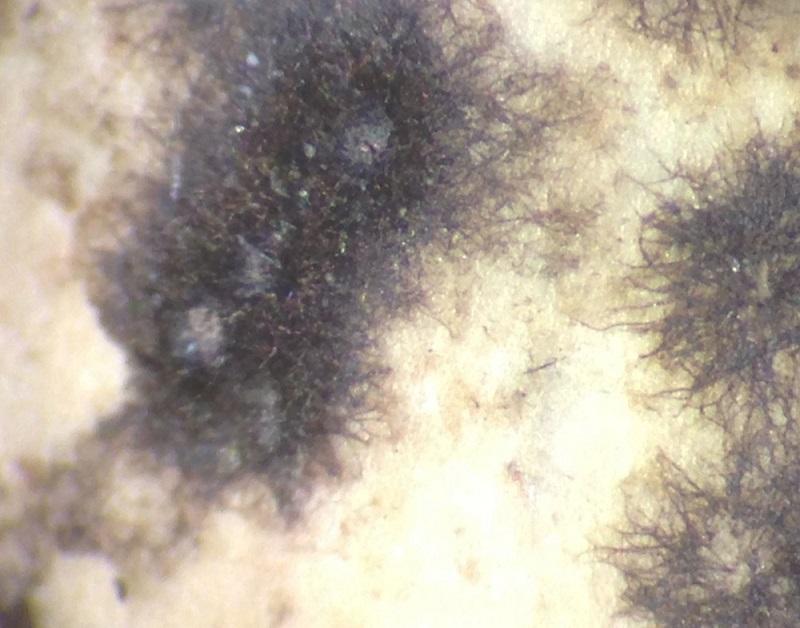
The colonies are about 3-5 mm in diameter and appear as black, "tousled" arrangements of hyphae.
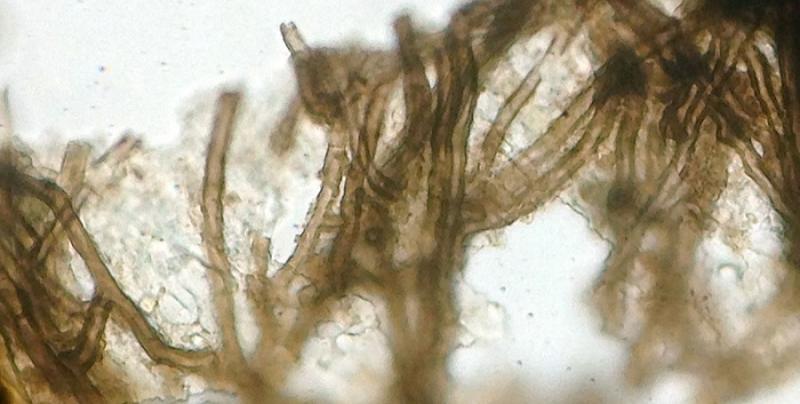
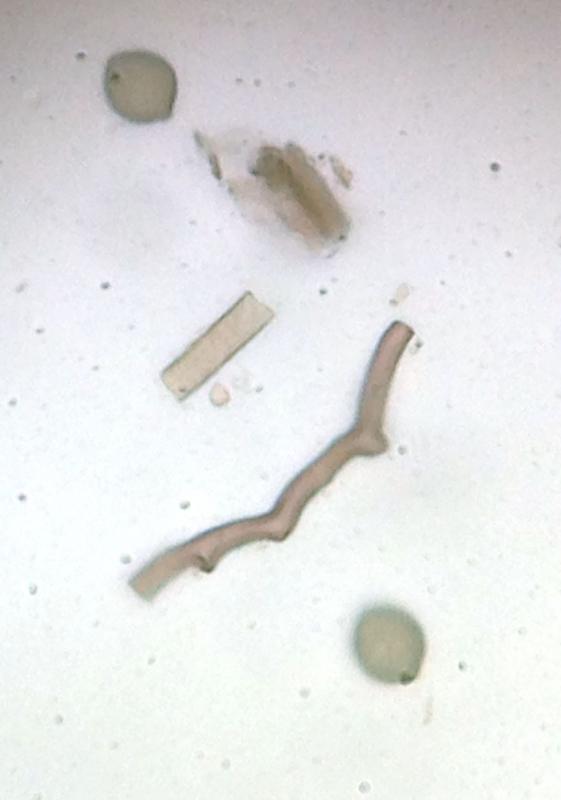
Under the microscope i couldn't find any conidiophores, just dark brown, septated hyphae with warts or some kind of exudate.
The spores are brown, citriform and contain some oil droplets. The spore sizes are 9,5 - 11 x 7,5 - 9 µM.
Has anybody an idea? I checked Ellis & Ellis (microfungi on land plants) but couldn't find any match.
Best regards,
Florian
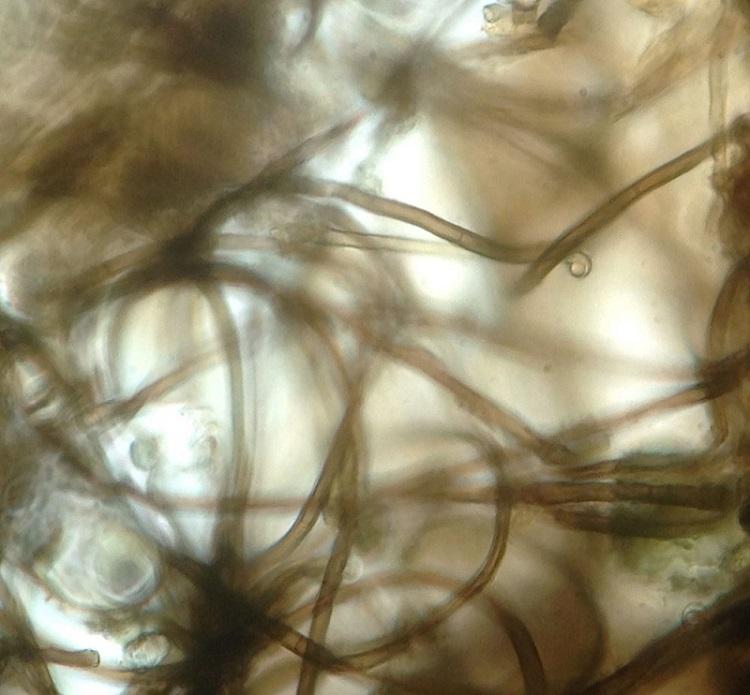
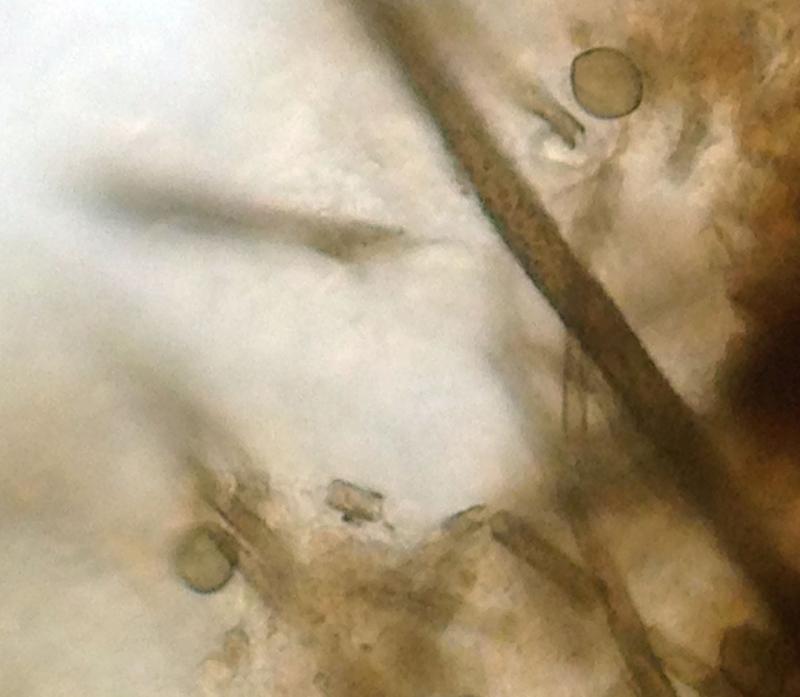
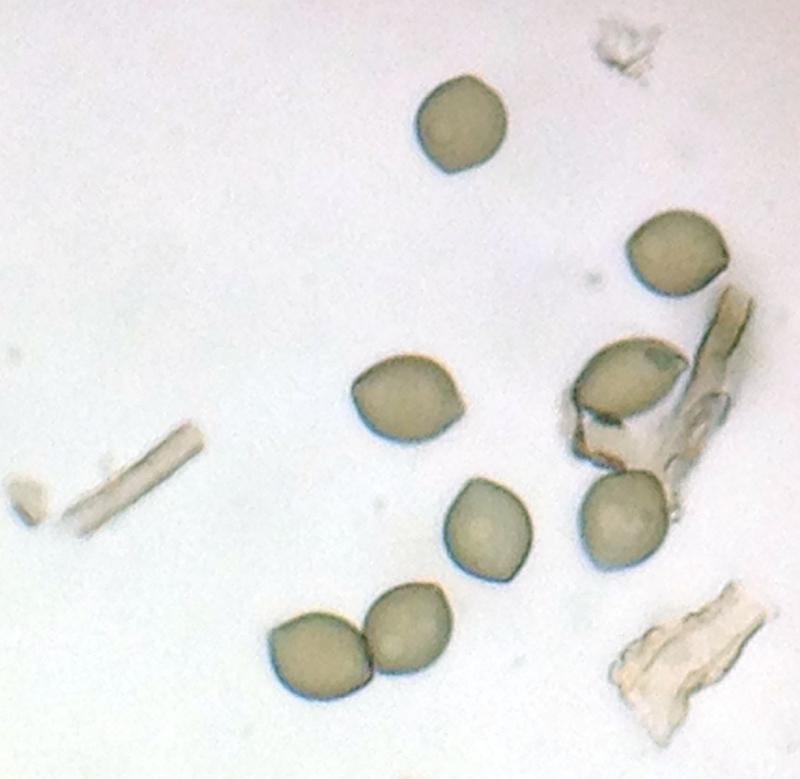
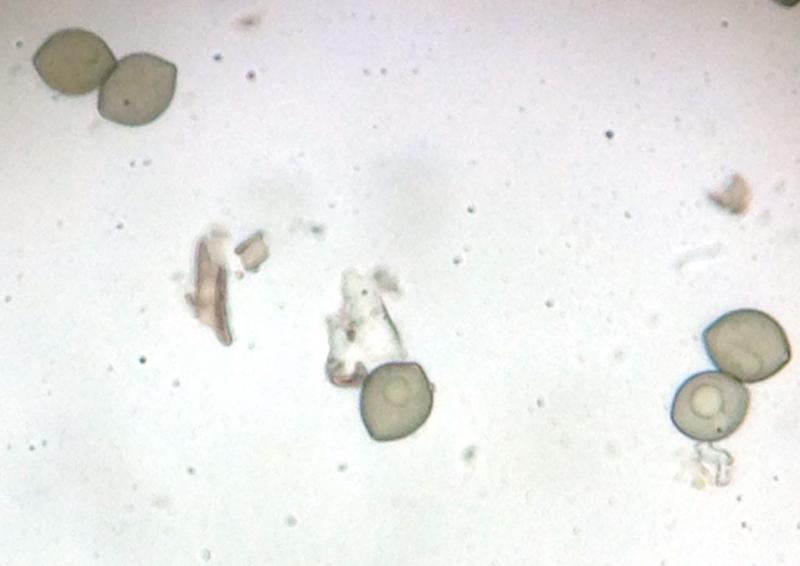

those 'conidia' look rather like the ascospores of some Chaetomium species - is it possible there are some evanescent ("vergänglich") perithecia hiding in the tousled hyphae?
best wishes
Chris

I think, that you show an interesting, not often seen species!
I agree with Chris in the genus Chaetomium.
The asci are evanescent, so that you can see them only in young stage.
With branched hairs and the spore size this should be Chaetomium elatum, a species often growing on decaying vegetable materials.
I know it from rotting straw.
Regards
Norbert
great, thank you very much! When i saw those spores for the first time i thought it might be the rest of a basiodiomycete, but the hairy colonies didn't fit to this theory. But Chaetomium with the evanescent asci fits very well!
Best Regards and have a nice day,
Florian