06-05-2026 11:25
 Castillo Joseba
Me mandan el material seco de Galicia (España) re
06-05-2026 17:23
Thomas Læssøehttps://svampe.databasen.org/observations/10594257
28-04-2026 20:07
 Lothar Krieglsteiner
... on twig in the air at standing Ceratonia siliq
05-05-2026 22:40
Gernot FriebesHi,I believe this is a Plagiostoma growing on a Sa
04-05-2026 18:13
 Stephen Martin Mifsud
ID request for what seems to be a true aquatic fun
04-05-2026 16:39
Stephen Martin Mifsud
ID request: This specimen was collected in Malta o
28-07-2011 18:31
 Alex Akulov
Dear FriendsToday I made the pdf file of Velenovsk
04-05-2026 09:50
Castillo Joseba
Me mandan el material seco de Galicia,(España) re
02-05-2026 12:42
Alain BRISSARDBonjour à tousJeuidi 30 avril dernier on m'a remi
It was found on the dead twigs, still attached, Salix sp.
Fruitbody: diam. up to 2 mm.
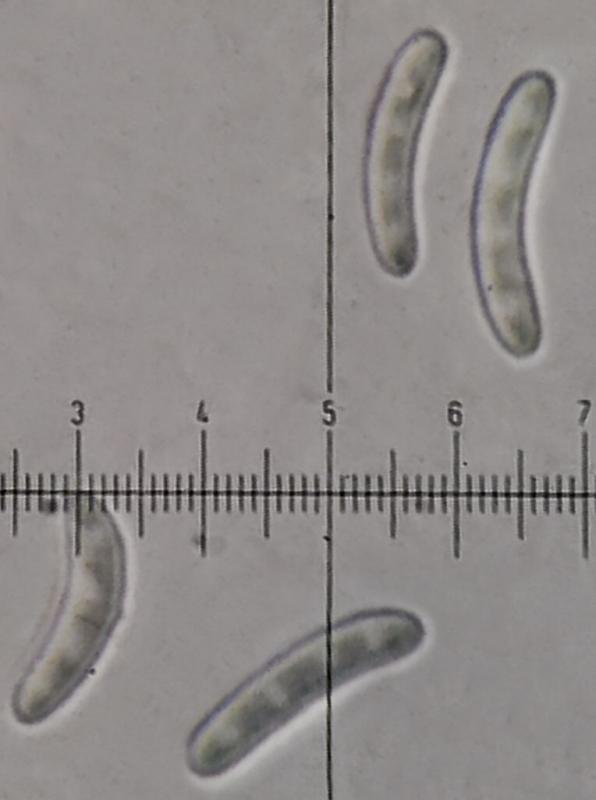
Spores: 18-24 x (3)3,5-4(4,5) µm ... 3x septate
Ascii: 70-80 x 10-12 µm ... 8 spores ... In Melzer no reaction apical ring
Paraphyses: 80-110 x 1,5-2 (up to 4 header) µm ... septate
Is that Propolis angulosa or Mellitiosporiella sp. ?
Regards
Pavol
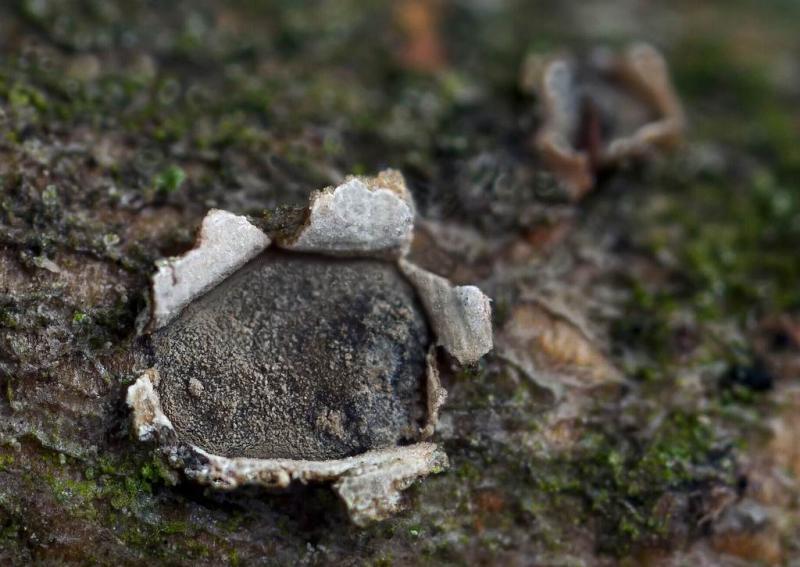
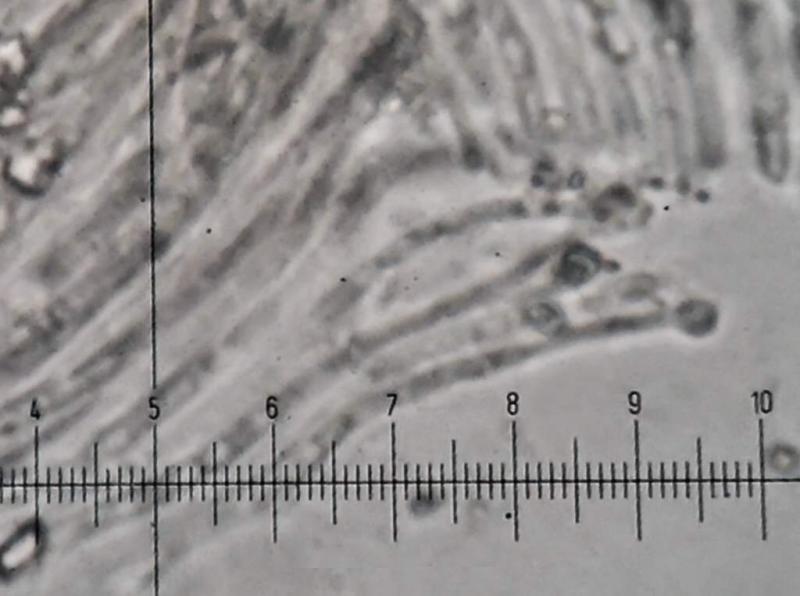
Hi Pavol,
in my opinion this looks like the common P. fainosa - it often grows on Salix but also on many other deciduous hosts.
Regards from Lothar

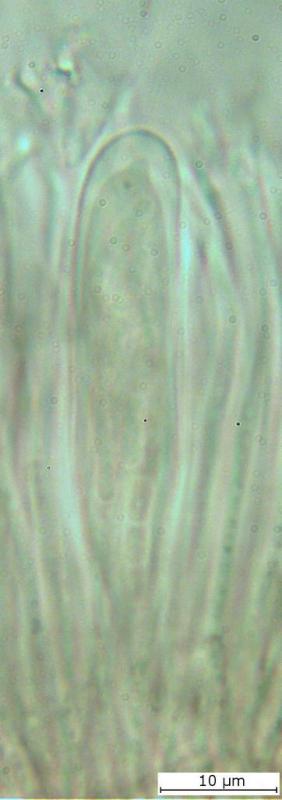
Mellitiosporiella has septate spores and thick-walled asci, i assume your asci are apically thin-walled, and your spores non-septate. What you may take as septa are the oil drops that in your photo are difficult to discern. Did you mount them in Melzer? I recommend to make a water mount and not to apply any contrast techniques. A photo of an ascus would also be welcome.
My guess is that this is Propolis rubella (= P. tumidula), see my key
http://beta.invivoveritas.de/keys/key-to-marthamycetaceae-propoloid-discomycetes/
typically on Salix.
Zotto
be better seen septa + a poor picture of asccii :-(
Pavol
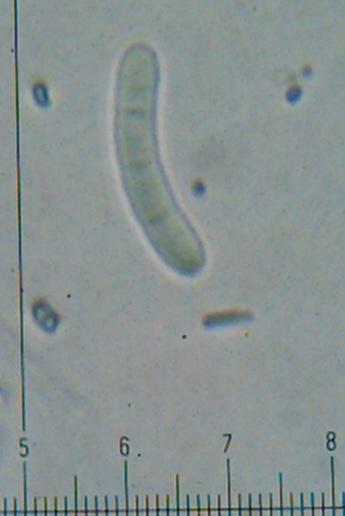
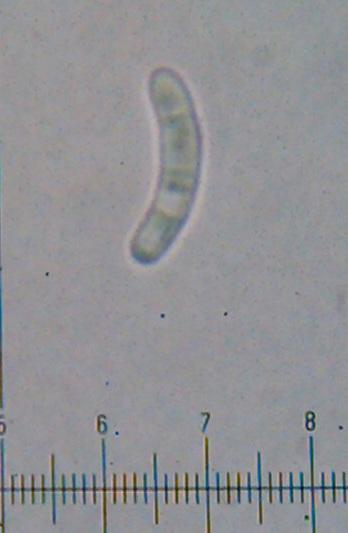
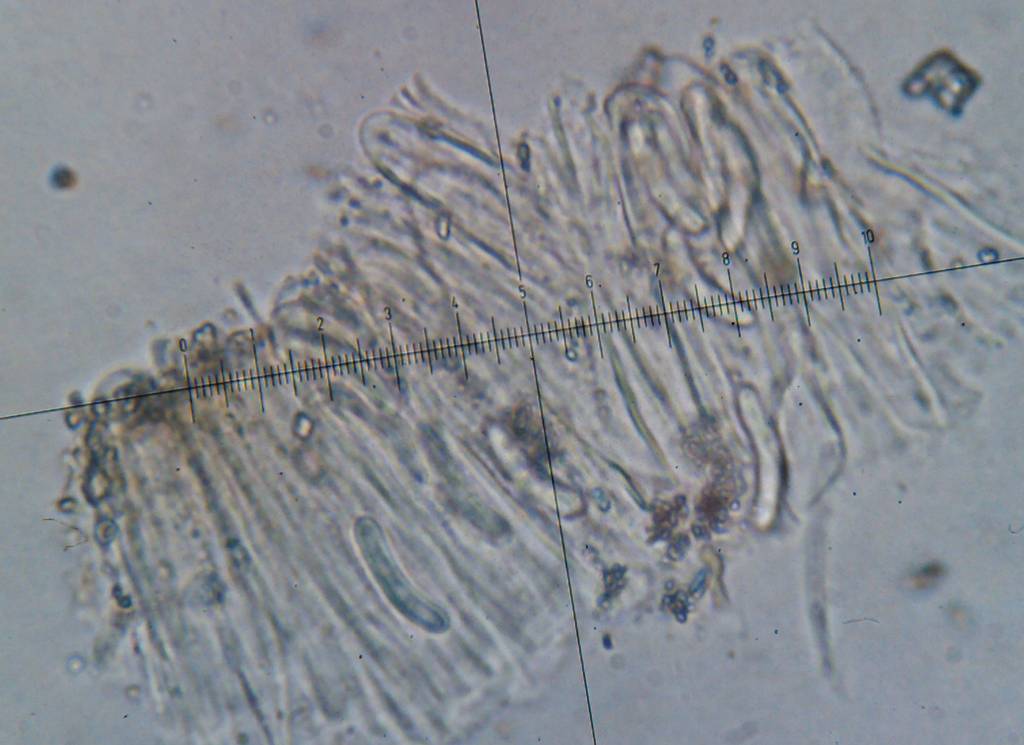 Melittosporiella1947x-0001.jpg
Now I think this could me Mellitiosporiella pulchella. It is a mediterranean species, from eu- to oromediterranean. Do you live in that region? It has a slate-grey to mostly distinctly blue-grey hymenium, and your pic indeed reminded me of that colour.
You spores are a bit long but this sometimes occurs. 14-18 is also common.
Hallo Zotto,
vielen Dank für den Link - den Schlüssel kannte/hatte ich noch nicht.
Auch hatte ich noch nie etwas von Propolis rubella gehört. Künftig werde ich Salix-Funde daraufhin untersuchen.
Herzliche Grüße von Lothar
This finding is from northern Slovakia , about 700 m to the sea.
Regards from Pavol
thank you very much for the link
Pavol
p.s. Mellitiosporiella angulosa it is a valid name ?

for me P. angulosa too. I had this species a few weeks ago, also on Salix. I do not know if it now belongs to Mellitiosporiella.
Sp 19-24x3-4µm.
regards,
björn
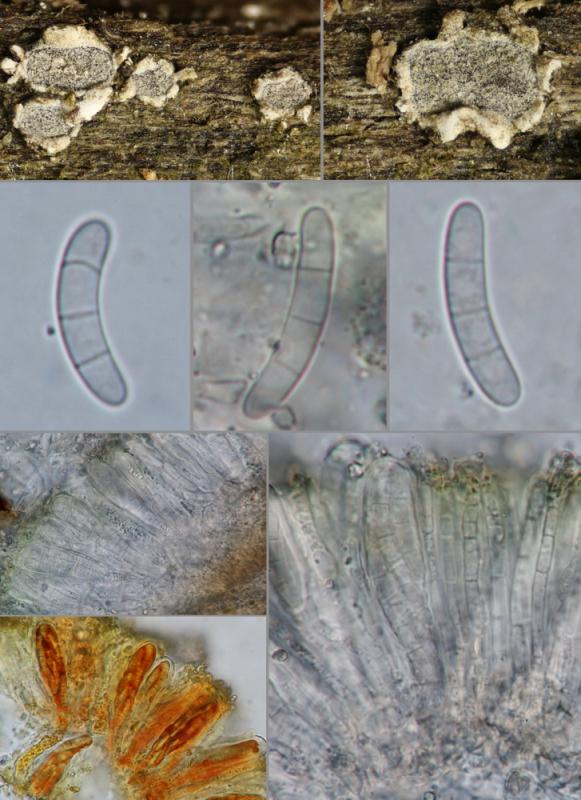
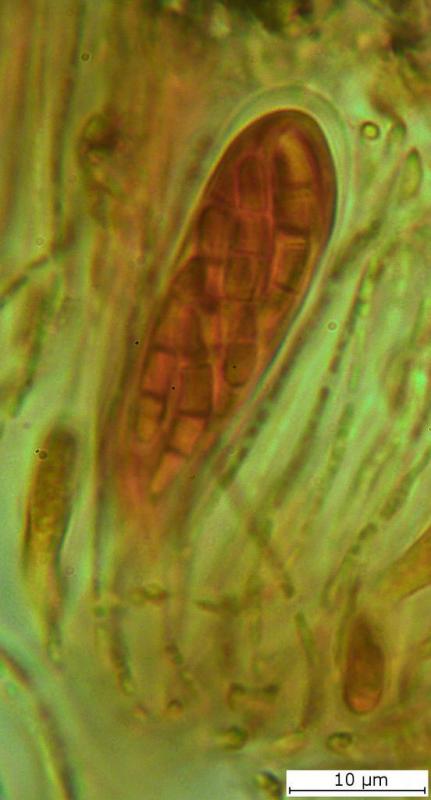
Here on Piotr's photos you see the character of Mellitiosporiella: thick-walled ascus apices (in dead state).
Karsten described it from western Finland (Jakobstad, Vaasa), and when I read his desritpion I am pretty sure it is this species.
Presently the species is in Propolis, but the difference to M. pulchella is not very distinct, and due to variation in spore size I guess it will not be easy to show that the two are different. Regrettably, none of them has so far been sequenced, the genus Mellitiosporiella (or Melittosporiella, as it has also been spelled) is unknown in GenBank.
Zotto