
06-05-2026 11:25
 Castillo Joseba
Me mandan el material seco de Galicia (España) re
06-05-2026 17:23
Thomas Læssøehttps://svampe.databasen.org/observations/10594257
28-04-2026 20:07
 Lothar Krieglsteiner
... on twig in the air at standing Ceratonia siliq
05-05-2026 22:40
Gernot FriebesHi,I believe this is a Plagiostoma growing on a Sa
04-05-2026 18:13
 Stephen Martin Mifsud
ID request for what seems to be a true aquatic fun
04-05-2026 16:39
Stephen Martin Mifsud
ID request: This specimen was collected in Malta o
28-07-2011 18:31
 Alex Akulov
Dear FriendsToday I made the pdf file of Velenovsk
04-05-2026 09:50
Castillo Joseba
Me mandan el material seco de Galicia,(España) re
02-05-2026 12:42
Alain BRISSARDBonjour à tousJeuidi 30 avril dernier on m'a remi

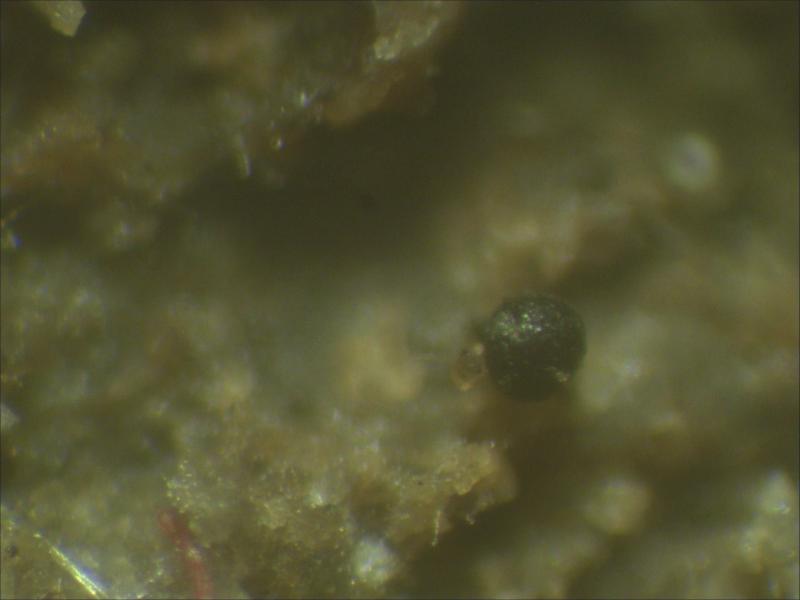
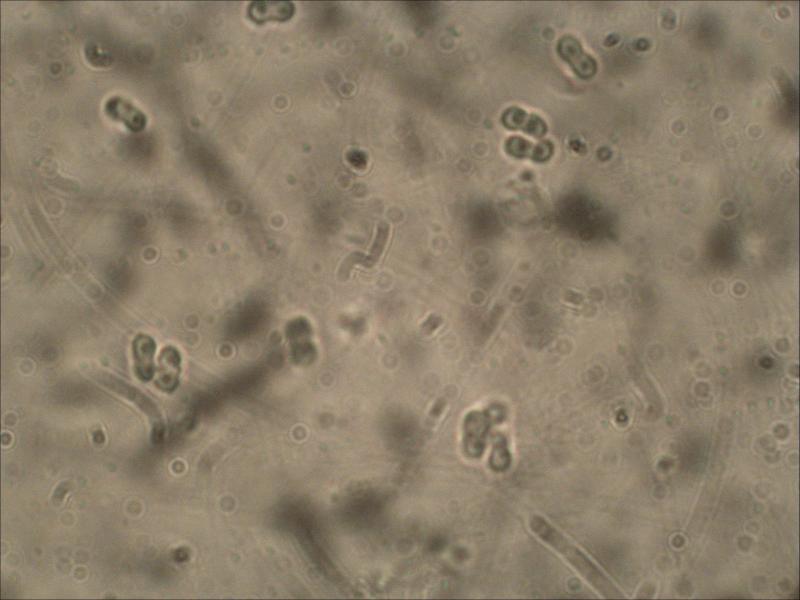
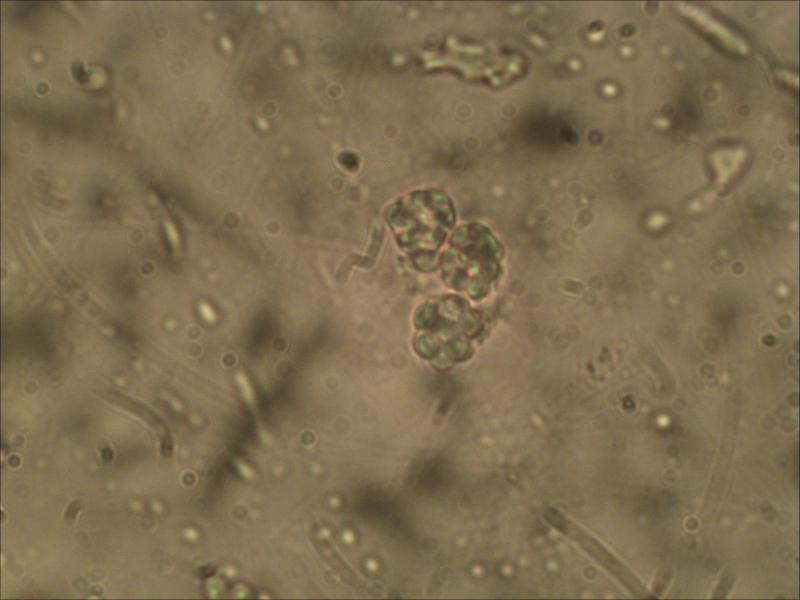
Found on cow dung.
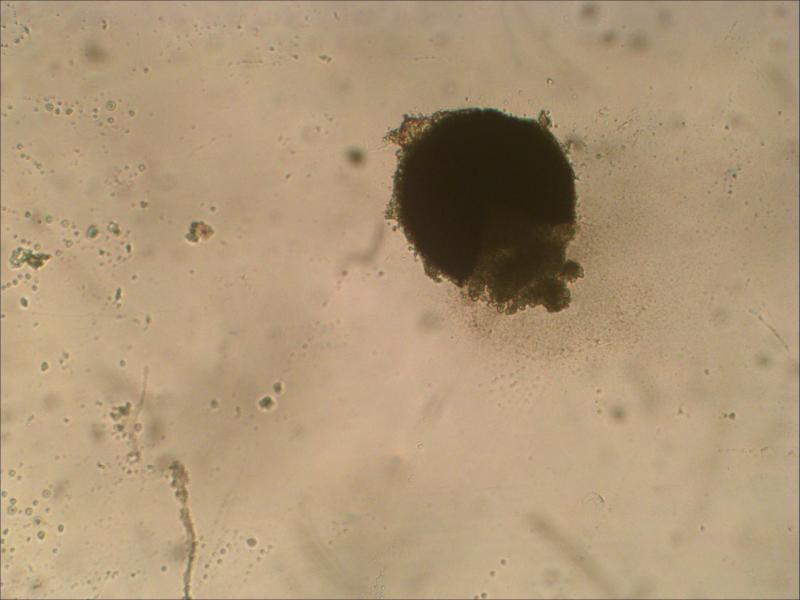
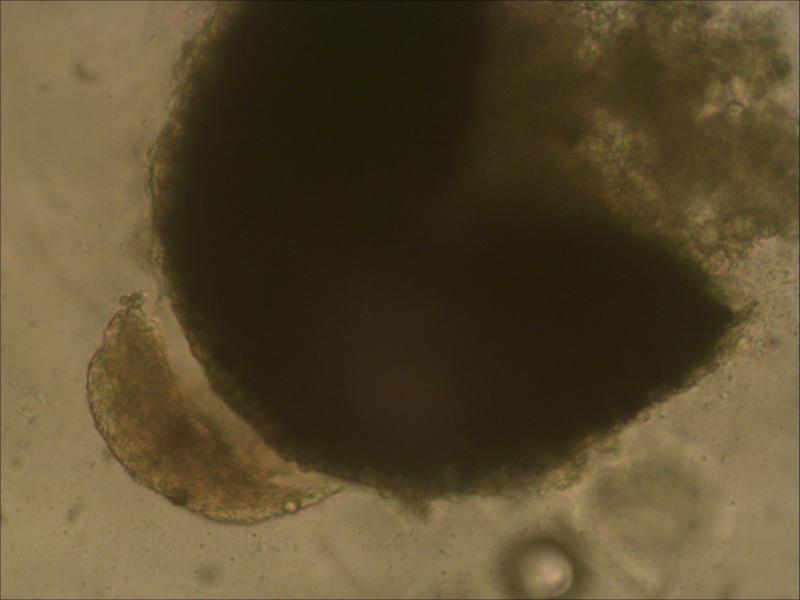
Fruitbody ball shaped, diameter 155-166 um, at maturity it will develope a cap.
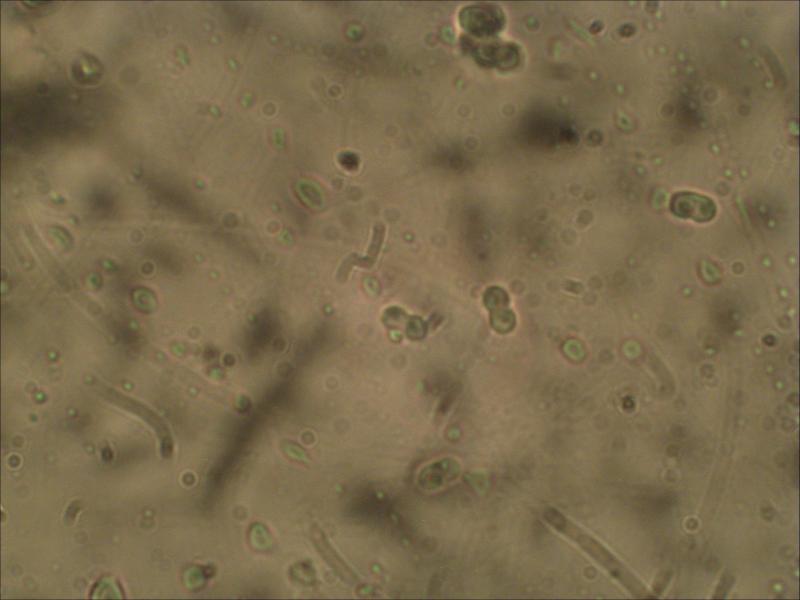
It contains spore clusters of 8 spores each.
Spores: 5.3-5.45x2.4-2.6 um

Michel.

That looks like it might be Mycoarachis inversa. It seems to be most common in dry regions, which hardly describes The Netherlands. However, the similar species Nigrosabulum globosum is also characteristic of dung in dry regions yet was common on my collections of horse dung from Sable Island, Canada and Shackleford Bank, USA, both sand dune areas in very humid climates.
The attached paper, although old and out of date, may be some help.
Dave
 Malloch-amp-Cain-Pseudeurotiaceae-1970-0001.pdf
Thank you very much for the information David.
Joop