
21-03-2026 15:13
Lepista ZacariasHello everyone, Does any one know of any literatu
20-10-2017 09:23
Garcia SusanaEste otro crecía en el mismo trocito de madera qu
20-03-2026 16:16
 Edvin Johannesen
These 0.5 mm diam. acervuli were breaking through
19-03-2026 19:34
 Filip Fuljer
Hello everyone,a few days ago I collected this str
19-03-2026 18:25
 William Slosse
Good evening everyone, On 18/03/26 I found a few
17-03-2026 10:09
 François Freléchoux
Bonjour, Voici la description rapide d'un petit d
19-03-2026 17:50
 Enrique Rubio
Hi to everybodyThese thiny, blackish pseudothecia
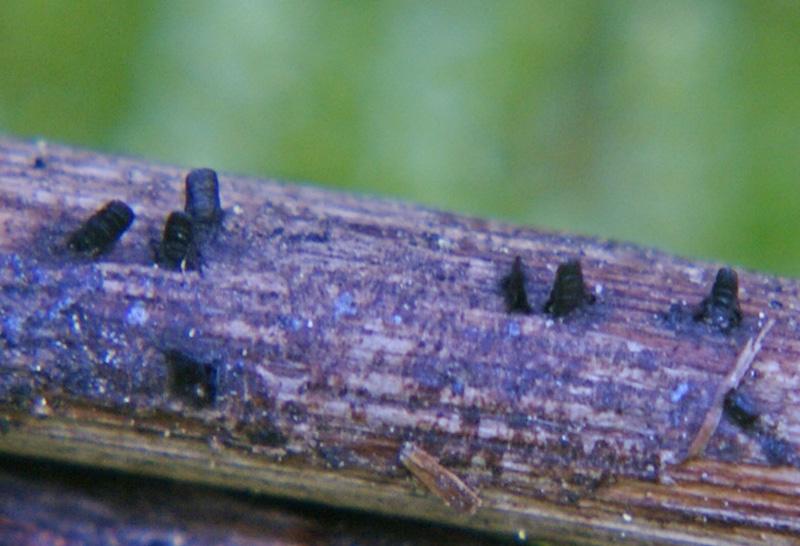
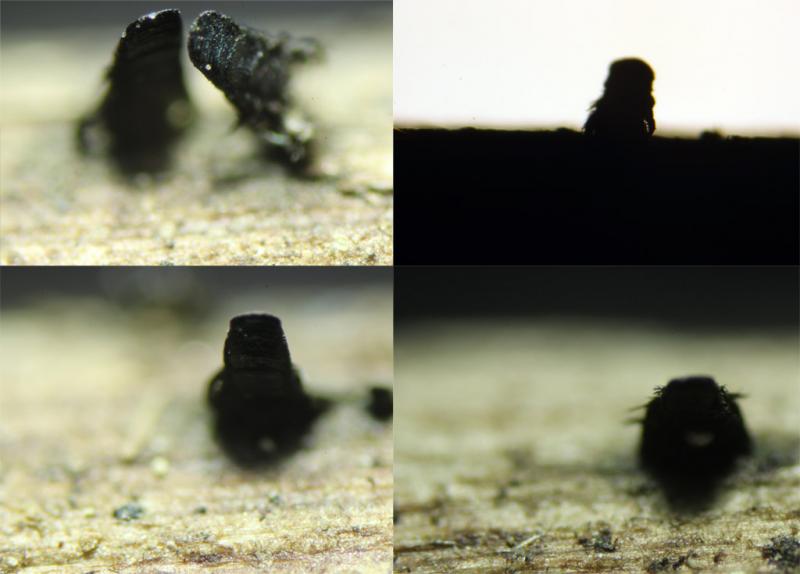
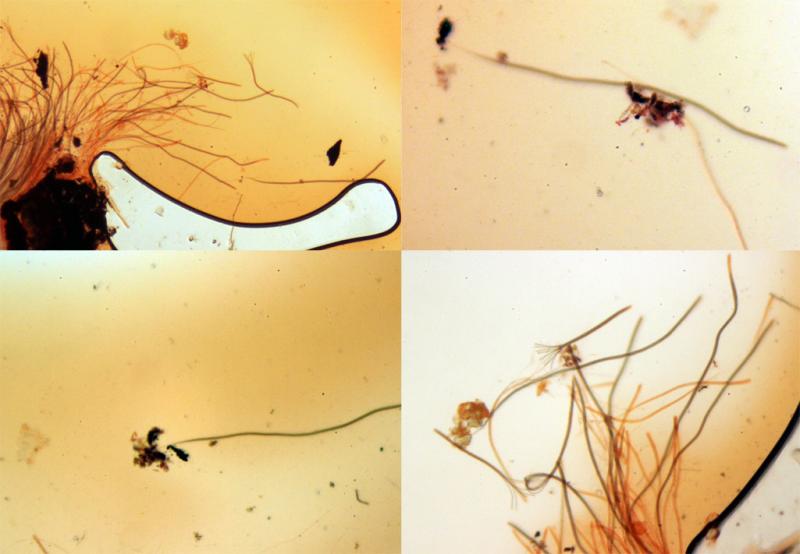
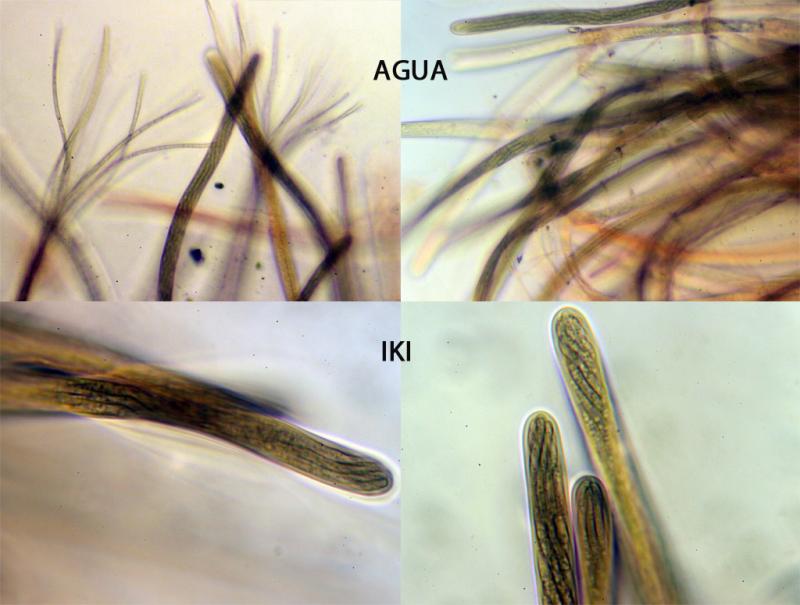
En rama sin identificar
Castillo Joseba,
06-09-2015 16:19
 Parece un tallo de graminea ?
No he podido medir las esporas, si alguien las tiene medidas, agradecere la información
Saludos
Joseba
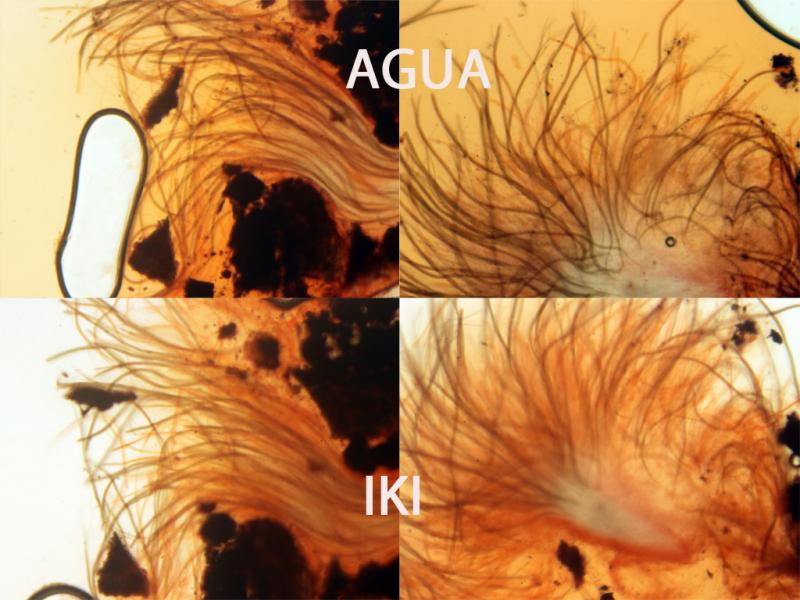
Martin Bemmann,
06-09-2015 16:23

Re : En rama sin identificar
Hans-Otto Baral,
06-09-2015 16:25

Re : En rama sin identificar
Genus Glyphium. Here a key from an ?unpublished paper by Boehm et al. 2015
KEY TO SPECIES OF GLYPHIUM
1. Ascospores not disarticulating into part-spores in the ascus; no anamorph present.
......................................................................................................................................................... 2
1?. Ascospores disarticulating into numerous part-spores within the ascus; Peyronelia anamorph present.
......................................................................................................................................................... 3
2. Ascomata 1–3 mm high, 0.2–0.3 mm wide; ascospores 200–415 (650) × (1–) 2 (–3) ?m, nearly as long as the
ascus, fasciculate, spiraling for part of their length pale yellow, becoming to light brown, multiseptate, with septa
spaced (3–)5–8(–12) ?m apart; on Alnus, Eucalyptus, Fagus, Fraxinus, Lonicera, Populus, Prunus, Pyrus, Salix,
Sorbus and Ulmus, cosmopolitan.
.......................................................................................................................................... G. elatum
2?. Ascomata smaller, 0.3–0.5 mm high, 0.2–0.3 mm wide; ascospores 250–300 × 2.5–3 ?m, hyaline to subhyaline,
parallel, multiseptate, with septa 4–5 ?m apart; on Tillandsia, Florida.
....................................................................................................................... G. tillandsiae
3. Asci (310–)460–550(–700) × (7–) 8–10 ?m; ascospores similar in length, multiseptate, +/? spiralling for part of
their length, part-spores cylindrical truncate, pale brown (1–)–3– (–7) septate (8–)14–20(–37) × (1.5–) –2– (–3) ?m;
conidia multiseptate, usually with one or two longitudinal septa, branched and with lateral buds, forming chains up
to 230 × 10–17 ?m; on decorticated wood, North American (western Canada and the United States).
.................................................................................................................................. G. corrugatum
3?. Ascospores and anamorphs different.
......................................................................................................................................................... 4
4. Asci 300–450(–500) x 7–9 ?m; part spores cylindrical, truncate, pale brown, (1–)–5–(–9) septate (9–)14–26(–36)
x 3–4 ?m; conidia multiseptate, occasionally with a longitudinal septum, unbranched, not producing buds, forming
chains up to 220 x 8–11 ?m; on Ilex, Rhamnus, and Salix at high altitudes, Europe and N. Africa.
............................................................................................................................... G. schizosporum
4?. Asci 340–460 × 12.4–18.7 ?m; ascospores 270–420 ?m long, multiseptate, slightly spiraling; part-spores
cylindrical, pale brown, (2–)3–7(–11) septate, (13–)15–42(–48) × 2.5–5.5(–6) ?m; conidia similar to those of G.
schizosporum but without longitudinal septa, forming unbranched chains; on Betula, and Salix, Norway and
Switzerland.
.................................................................................................................................... G. grisonense
KEY TO SPECIES OF GLYPHIUM
1. Ascospores not disarticulating into part-spores in the ascus; no anamorph present.
......................................................................................................................................................... 2
1?. Ascospores disarticulating into numerous part-spores within the ascus; Peyronelia anamorph present.
......................................................................................................................................................... 3
2. Ascomata 1–3 mm high, 0.2–0.3 mm wide; ascospores 200–415 (650) × (1–) 2 (–3) ?m, nearly as long as the
ascus, fasciculate, spiraling for part of their length pale yellow, becoming to light brown, multiseptate, with septa
spaced (3–)5–8(–12) ?m apart; on Alnus, Eucalyptus, Fagus, Fraxinus, Lonicera, Populus, Prunus, Pyrus, Salix,
Sorbus and Ulmus, cosmopolitan.
.......................................................................................................................................... G. elatum
2?. Ascomata smaller, 0.3–0.5 mm high, 0.2–0.3 mm wide; ascospores 250–300 × 2.5–3 ?m, hyaline to subhyaline,
parallel, multiseptate, with septa 4–5 ?m apart; on Tillandsia, Florida.
....................................................................................................................... G. tillandsiae
3. Asci (310–)460–550(–700) × (7–) 8–10 ?m; ascospores similar in length, multiseptate, +/? spiralling for part of
their length, part-spores cylindrical truncate, pale brown (1–)–3– (–7) septate (8–)14–20(–37) × (1.5–) –2– (–3) ?m;
conidia multiseptate, usually with one or two longitudinal septa, branched and with lateral buds, forming chains up
to 230 × 10–17 ?m; on decorticated wood, North American (western Canada and the United States).
.................................................................................................................................. G. corrugatum
3?. Ascospores and anamorphs different.
......................................................................................................................................................... 4
4. Asci 300–450(–500) x 7–9 ?m; part spores cylindrical, truncate, pale brown, (1–)–5–(–9) septate (9–)14–26(–36)
x 3–4 ?m; conidia multiseptate, occasionally with a longitudinal septum, unbranched, not producing buds, forming
chains up to 220 x 8–11 ?m; on Ilex, Rhamnus, and Salix at high altitudes, Europe and N. Africa.
............................................................................................................................... G. schizosporum
4?. Asci 340–460 × 12.4–18.7 ?m; ascospores 270–420 ?m long, multiseptate, slightly spiraling; part-spores
cylindrical, pale brown, (2–)3–7(–11) septate, (13–)15–42(–48) × 2.5–5.5(–6) ?m; conidia similar to those of G.
schizosporum but without longitudinal septa, forming unbranched chains; on Betula, and Salix, Norway and
Switzerland.
.................................................................................................................................... G. grisonense