
04-06-2026 11:36
Gernot FriebesHi,found on Vaccinium myrtillus.Asci: IKI –, 8-s
04-06-2026 07:02
 François Freléchoux
Bonjour, Voici la description d'une espèce qui p
04-06-2026 10:50
François Freléchoux
Bonjour, J'ai trouvé hier un petit asco observé
22-05-2026 13:29
Gernot FriebesHi,I am curious to hear your opinion on this mater
18-10-2022 00:12
Valencia Lopez Francisco JavierHola amigos/asRecientemente encontré esta colecci
03-06-2026 19:45
 Miguel Ángel Ribes
Good afternoonI'm completely baffled by this suppo
03-06-2026 14:39
Thomas FlammerApothecia yellow, glassy-transparent, 80 - 120 ymS


Hi to everybody and specially Jacques Fournier
Today we have examined these gregarious stromata up to 40 mm high growing on buried seeds of Cornus sanguinea or Crataegus monogyna. We don't know what the host is because they are living together and the stromata were growing under both trees.
After reading wonderfull Fournier's keys we are observing that our ascospores are greater: 12-16 x 5-7 versus 11-13 x 4.6-5.9 sec. Jacques. Also we have seen that collections on Cornus seeds can be greater. The question is: There is some innovation on this matter?
Many thanks in advance
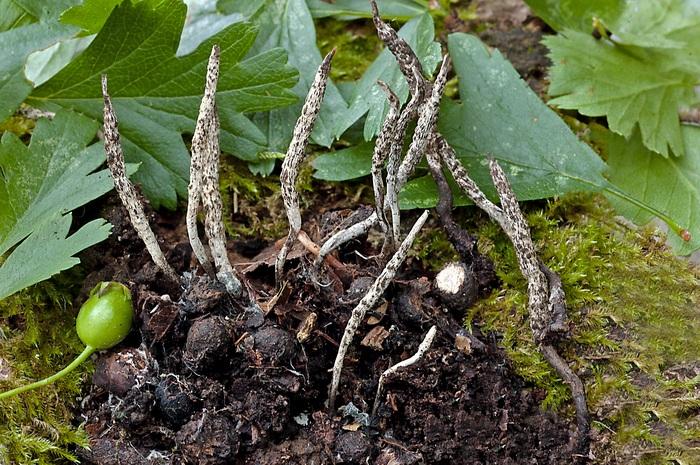
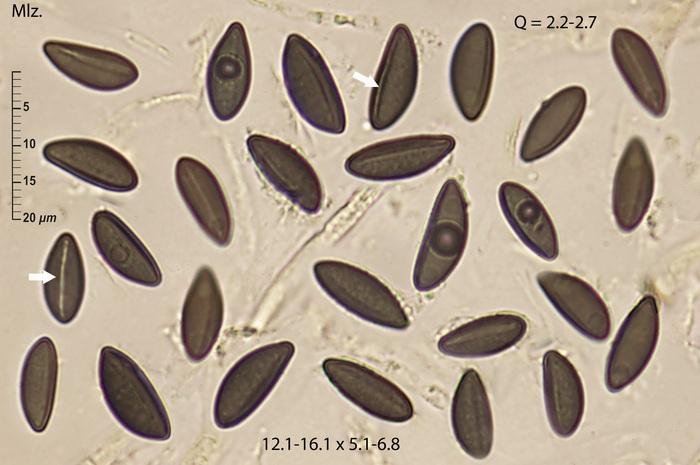
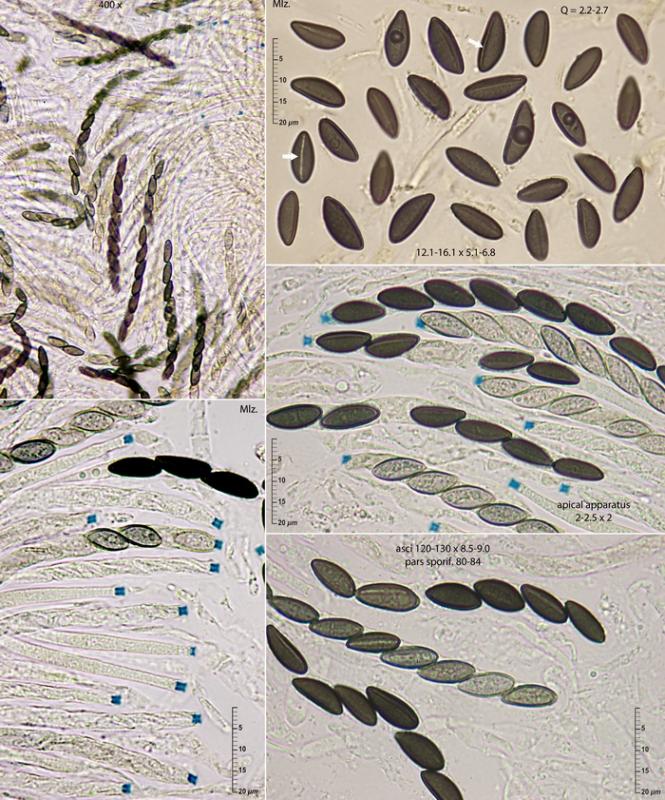
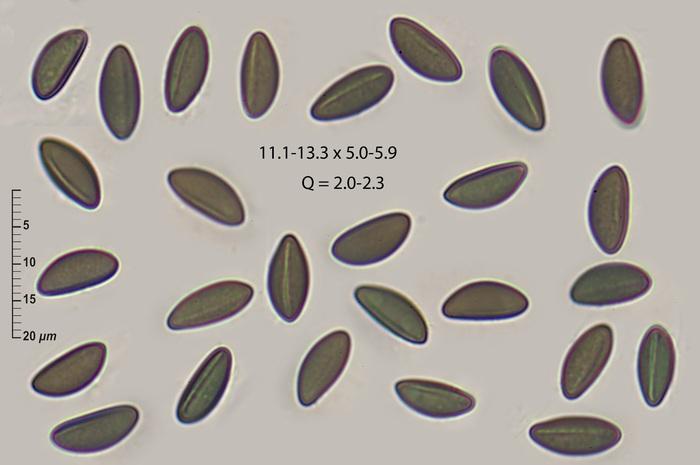

your observations are very interesting and strongly suggest that the Xylaria on Cornus fruits has larger ascospores than the one on Crataegus, as previously observed on the material collected by Peter Welt. I hope that will be sorted out on molecular grounds but it can be expected these fruit-inhabiting species are phylogenetically very closely related (see also X. delitschii). I have no new information so far.
Saludos,
Jacques
HI Jacques
Welcome from the Antillas. I wish that you have found nice fungi.
Well, we will analyze both collections and I will keep you informed.
Thanks a lot, jacques