
03-05-2026 10:57
 Castillo Joseba
Me mandan el material seco de Galicia (España) re
02-05-2026 12:42
Alain BRISSARDBonjour à tousJeuidi 30 avril dernier on m'a remi
02-05-2026 13:06
Pauline. PennaBonjour Please can someone help me with this id
01-05-2026 22:45
 Thierry Blondelle
Bonjour à tous, Une récolte sur bouse séchée d
28-04-2026 20:07
 Lothar Krieglsteiner
... on twig in the air at standing Ceratonia siliq
14-04-2026 05:32
Ethan CrensonHi all, A few weeks back a friend pointed out som
28-04-2026 20:33
Vitus SchäfftleinHello, I found Trochila ilicina on Ilex aquifoliu
30-04-2026 10:28
Rot BojanHello, by appearance I would say that I am dealing
Paecilomyces marquandii?
Chris Johnson,
02-03-2015 15:13
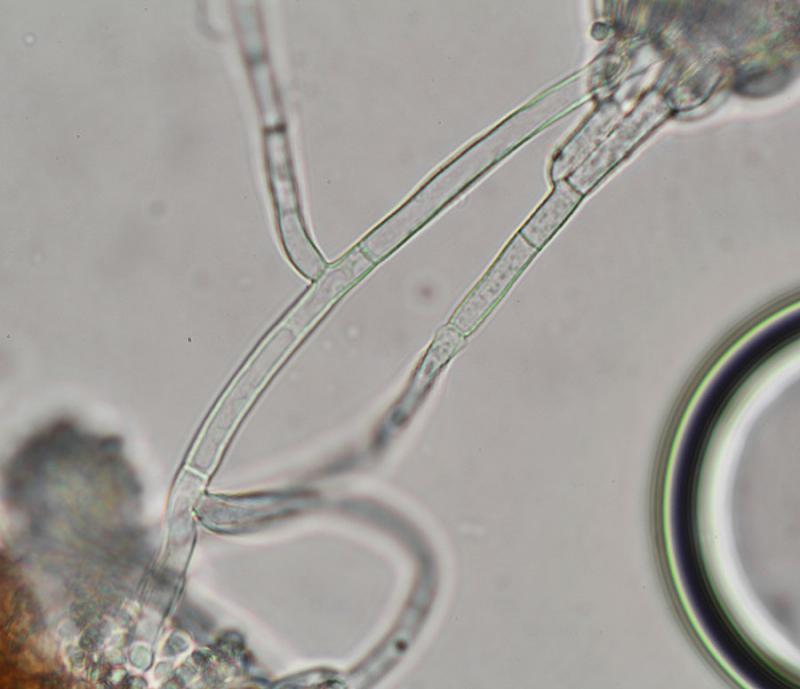
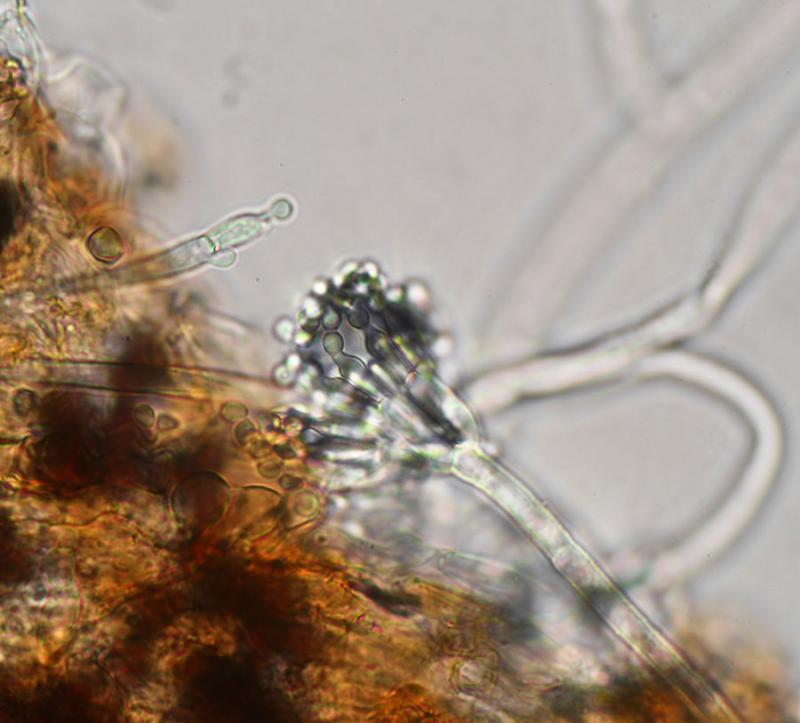
Found growing on the partly desiccated cap of a Coprinopsis, on pony dung.
Conidiophores up to 300 x 3-4 µm, occasionally branched.
Conidia in long chains, 2.9-3.3 x 2.1-2.3 (very small sample).
Is this a possibility or can members offer a better species match?
Regards, Chris
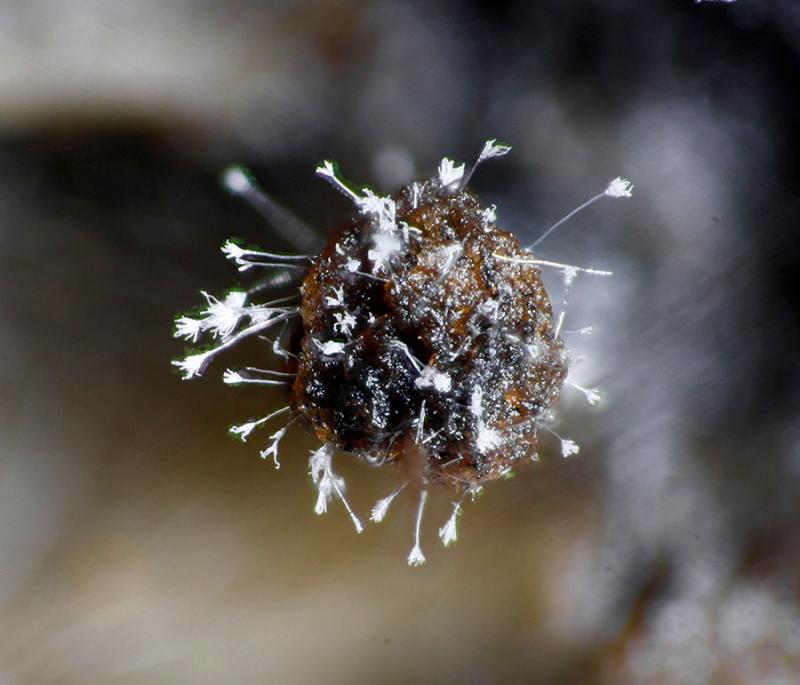
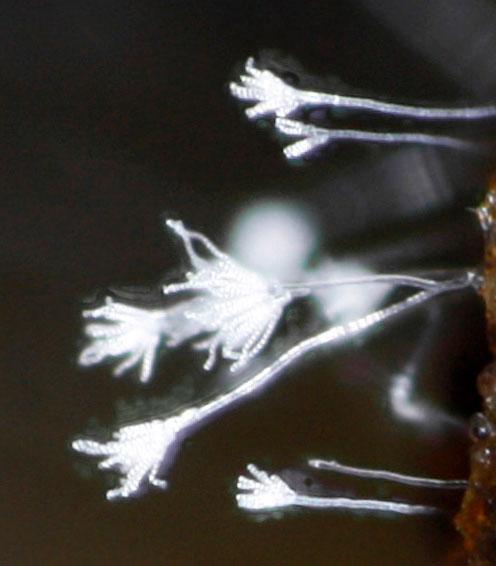
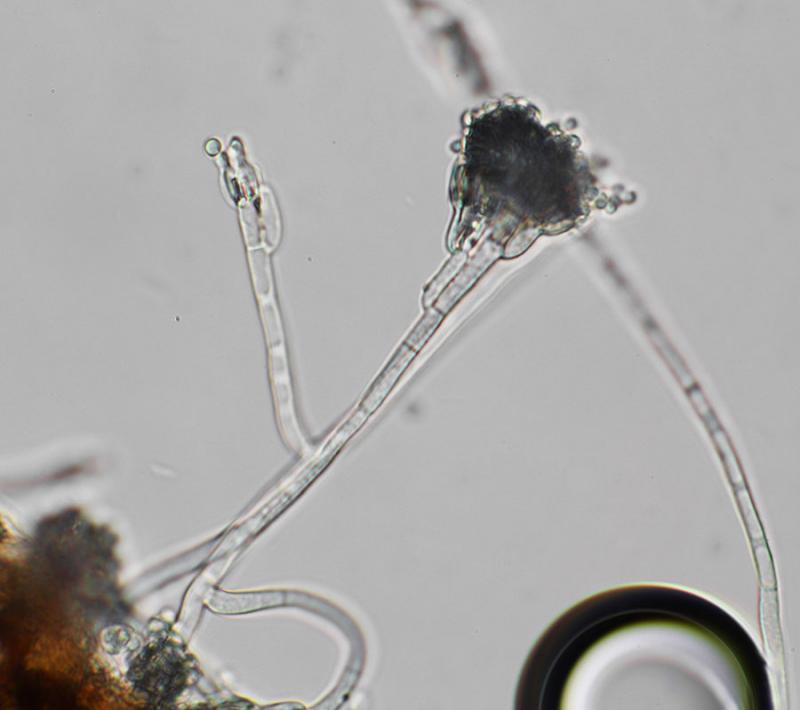
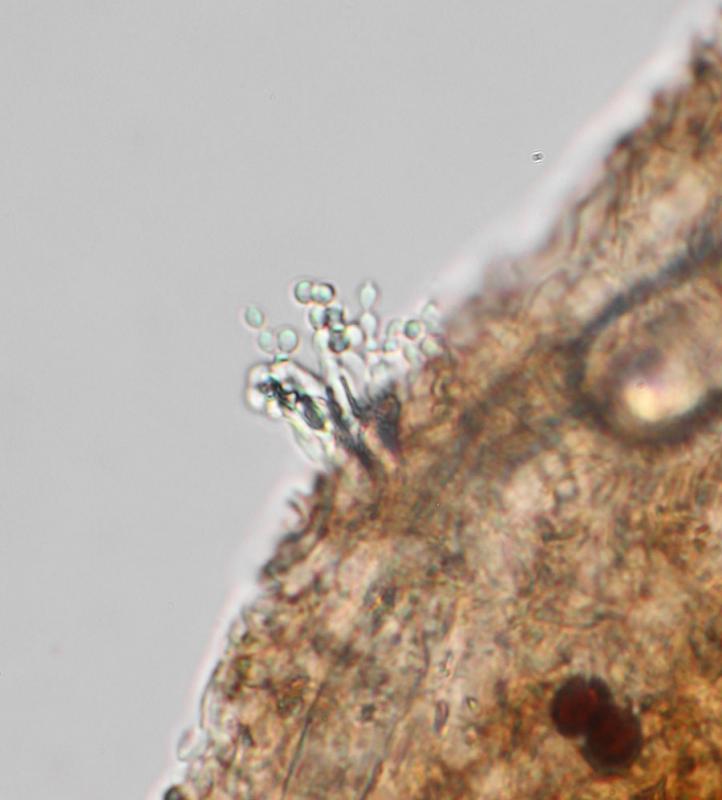
Paul Cannon,
02-03-2015 16:10
Re : Paecilomyces marquandii?
I think this is a species of Penicillium rather than Paecilomyces, the shape of the conidiogenous cell isn't right for the latter genus. Identification of Penicillium species requires culture under specific conditions and several different media, unless you have a sequencer. Sorry but that's how it goes...
Best wishes
Paul
Best wishes
Paul
Shane John,
02-03-2015 16:11
Re : Paecilomyces marquandii?
For me the condiiophores should be whorled (verticilate), not penicillate as this appears. Perhaps the conidia are not oval enough as well. Why not Penicillium?
Chris Johnson,
02-03-2015 16:35
Re : Paecilomyces marquandii?
Thanks Paul and John.
Penicillium it is then ...
Regards, Chris
Penicillium it is then ...
Regards, Chris