
11-05-2026 12:32
 Bernard CLESSE
Pourriez-vous m'aider à identifier cette héloti
13-05-2026 15:26
 François Freléchoux
Bonjour,Voici une récolte faite il y a quelques j
12-05-2026 15:41
 Nicolas VAN VOOREN
Dear Ascolovers, especially interested in Pezizale
13-05-2026 12:05
 Thierry Blondelle
Bonjour à tous,J'aimerais avoir confirmation de c
10-05-2026 23:17
 Andreas Gminder
Hello,today we found in a moist steep decidous for
28-04-2026 20:07
 Lothar Krieglsteiner
... on twig in the air at standing Ceratonia siliq
27-04-2026 20:52
Lothar Krieglsteiner
Found on hanging tiwg of Olea europaea in dried-ou
11-05-2026 20:22
Lothar Krieglsteiner
on attached twig of standing Ficus caricaquite uns
29-04-2026 10:44
Lothar Krieglsteiner
growing at moist, drying-out soil at the side of a
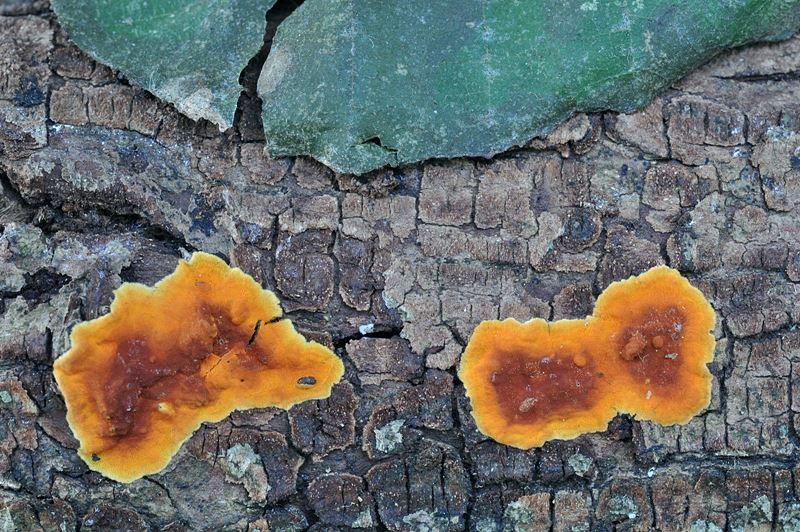
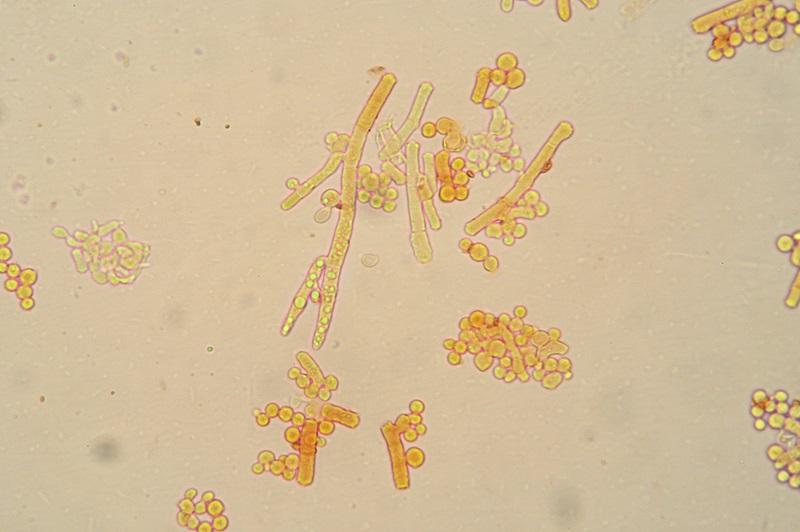
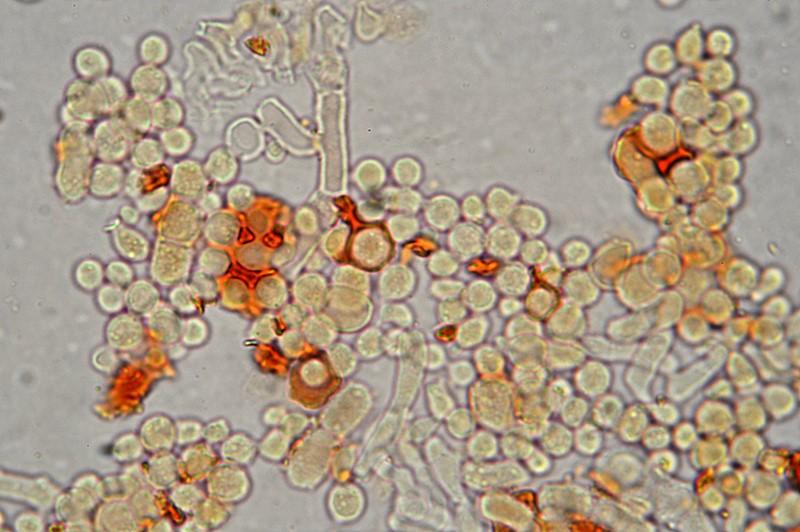
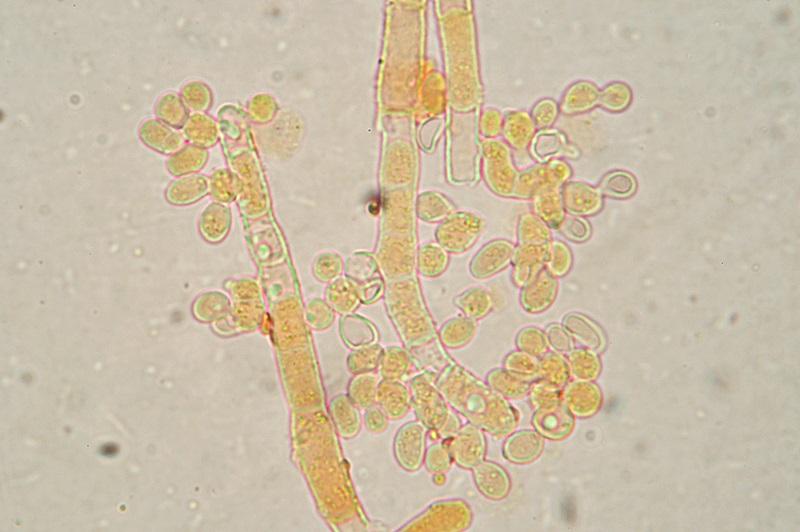
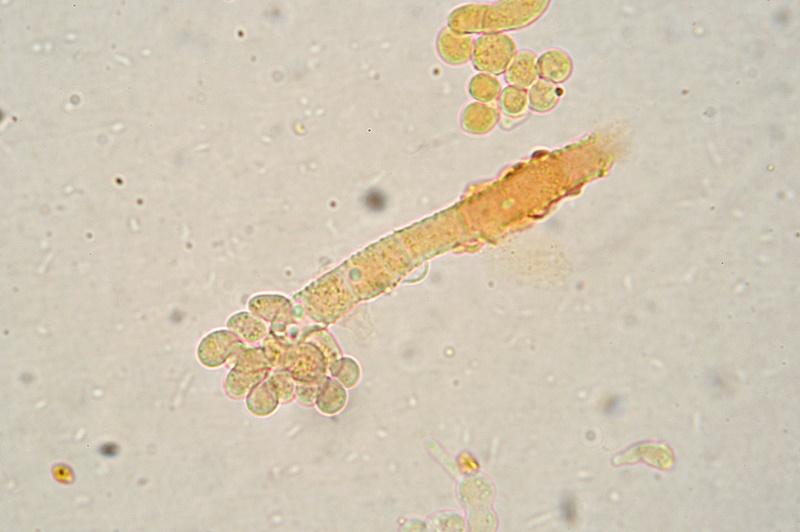
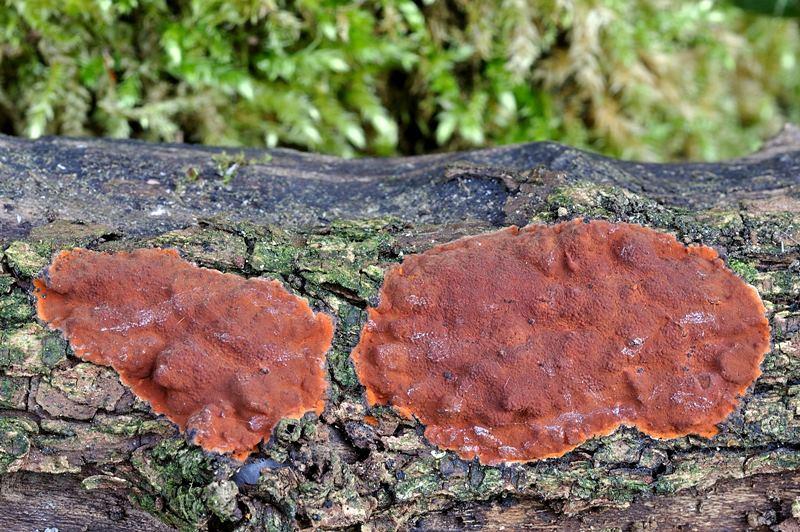
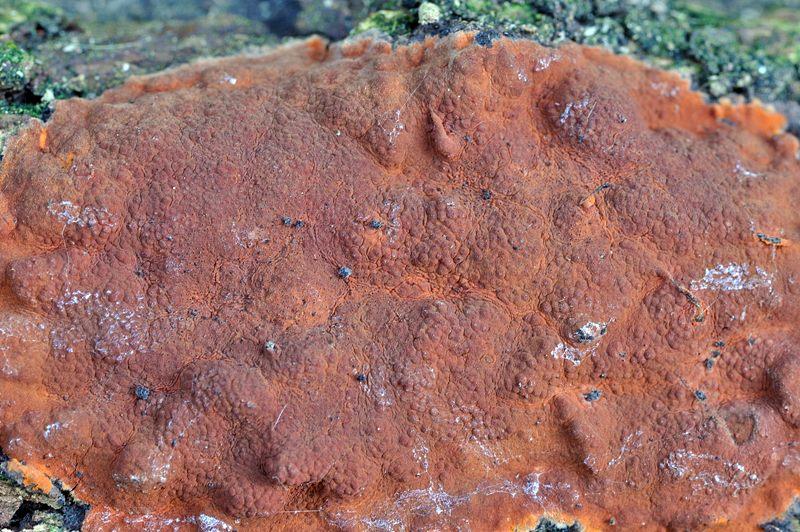

Despite it seemed rather young, I did not found a single ascus in the perithecia, only spores and irregular, hyaline hyphae.
Spores 6-8x3-4 µm, brown (a little olive tinged in KOH), inequilateral; with a long germ slit on the more round side, rather difficult to see. Perisporium separating in KOH.
I think there are no doubts, Hypoxylon ticinense. But I never found it before so a confirmation will be appreciated.
Thanks in advance.
Mario
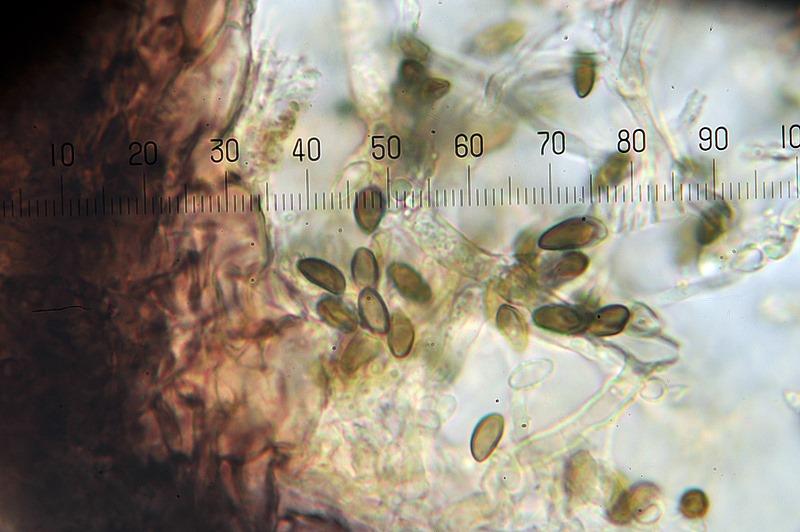

yes typical ticinense. It's fine you could follow the development over several months.
Jacques
actually at first I had not idea on what it could be...
Now I will try to identify the host; is a dead fallen branch in a mixed wood.
Regards
Mario

Only a repartition area remark :
It's a very common species here (french basque country).
If you are in a little river, you can find it on all branches fallen in or near the stream.
More common than Scutellinia crinita, if you see what I mean !!
Light orange to yellow-red color is very typical in fact.
Beñat
The host was Cornus sanguinea. The spot is a mixed wood around a wet area with Alnus glutinosa. Around the alders there are a lot of different trees and shrubs (only broadleaved), and I have found H. ticinense several times, always and only on Cornus, and always on dead branches (standing or fallen) at least 4-5 cm diameter, never seen on twigs.
During the collection I had to saw the wood sometimes; it has a strong and very characteristic smell, as reported by Vittadini, identical to the smell of Tuber brumale!
Regards
Mario